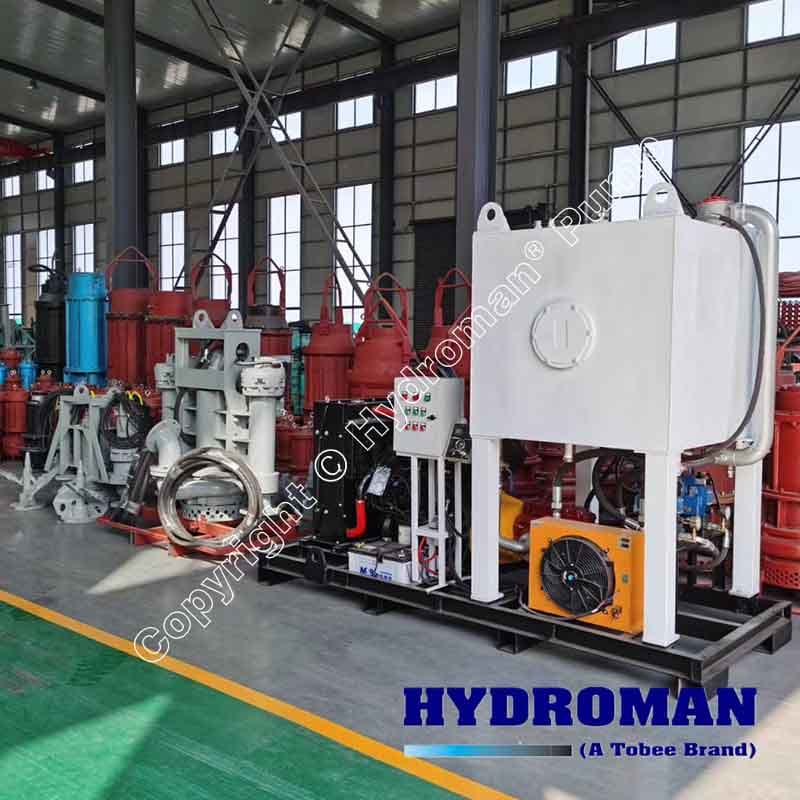
Hydroman® | Heavy-Duty Hydraulic Submersible Pump Systems for Mining, Dredging & Construction
If you've ever tried to pump dense sand slurry, heavy sediment, or mineral-laden tailings with a standard electric pump, you already know how quickly those motors burn out under real-world torque loads. Hydroman® hydraulic submersible slurry pumps are a different category of machine entirely — designed from the ground up for applications where abrasive solids, remote terrain, and zero tolerance for downtime come with the job.
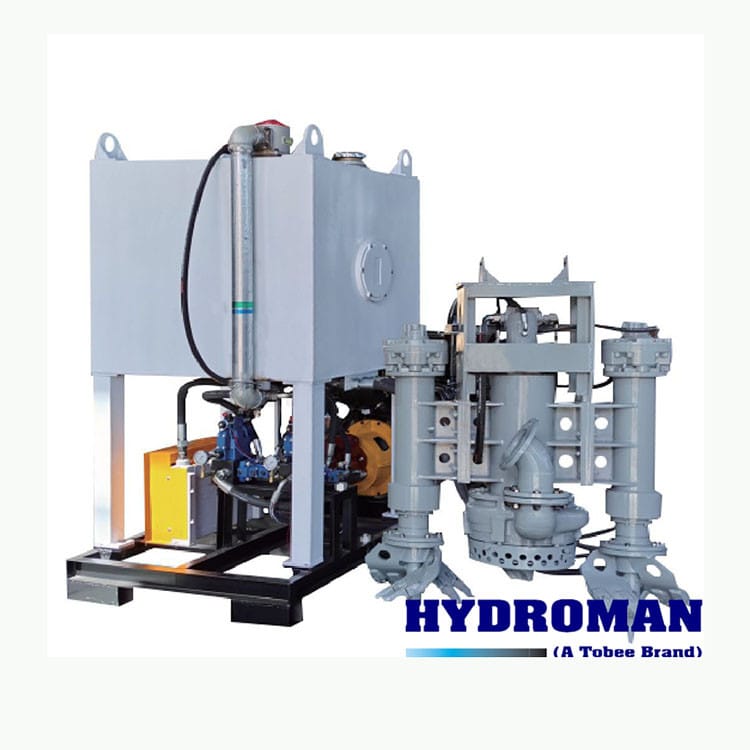
At its core, a hydraulic submersible slurry pump replaces the conventional electric motor drive with a hydraulic motor powered by a closed-loop hydraulic circuit. A diesel engine drives a hydraulic power unit on the surface, which pressurizes hydraulic fluid and pushes it down to the submerged hydraulic motor via heavy-duty hoses. The motor turns the impeller — and the pump moves material. Because torque delivery through a hydraulic motor is constant across the full RPM range, the system handles load spikes that would trip or destroy an electric motor almost instantly.
Hydroman® hydraulic driven submersible pumps are capable of handling slurries with up to 70% solids content by weight and specific gravity values reaching 1.7 t/m³ — figures that place these machines in a league that conventional centrifugal slurry pumps simply cannot compete in.
Important distinction: A submerged hydraulic pump does not rely on electricity at the pump head. All electrical risk is eliminated at the point of operation — a critical safety requirement in flooded tunnels, offshore diving support, and flammable-atmosphere mining environments.
|
Understanding the power chain helps you specify the right system for your project — and troubleshoot faster when conditions change on site. The full system operates as four connected stages:
Stage 1 — The Diesel Engine
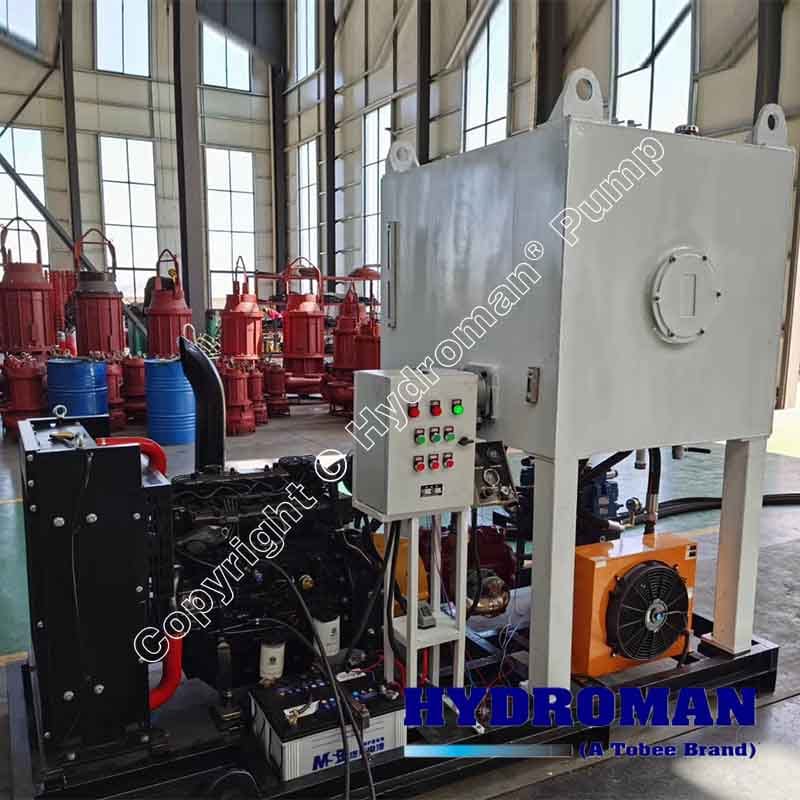
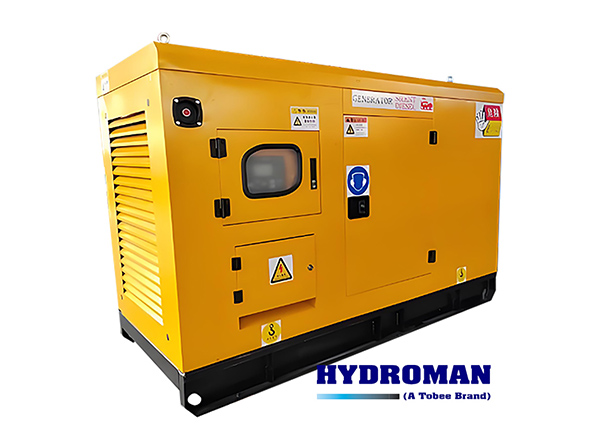
The prime mover is a diesel engine, available in Cummins, Deutz, Caterpillar, or Yanmar configurations depending on your runtime requirements, altitude, and spare-parts ecosystem. A well-matched diesel gives you complete energy independence. There are no grid connections to run, no generator hire costs, and no exposure to voltage fluctuations that plague remote construction power supplies. | 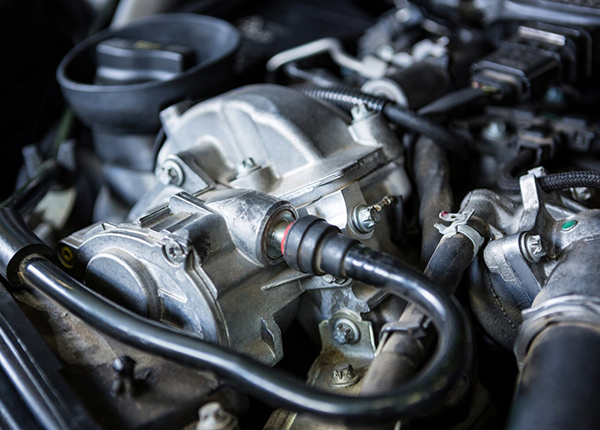 |
 | Stage 2 — The Hydraulic Power Unit (HPU)
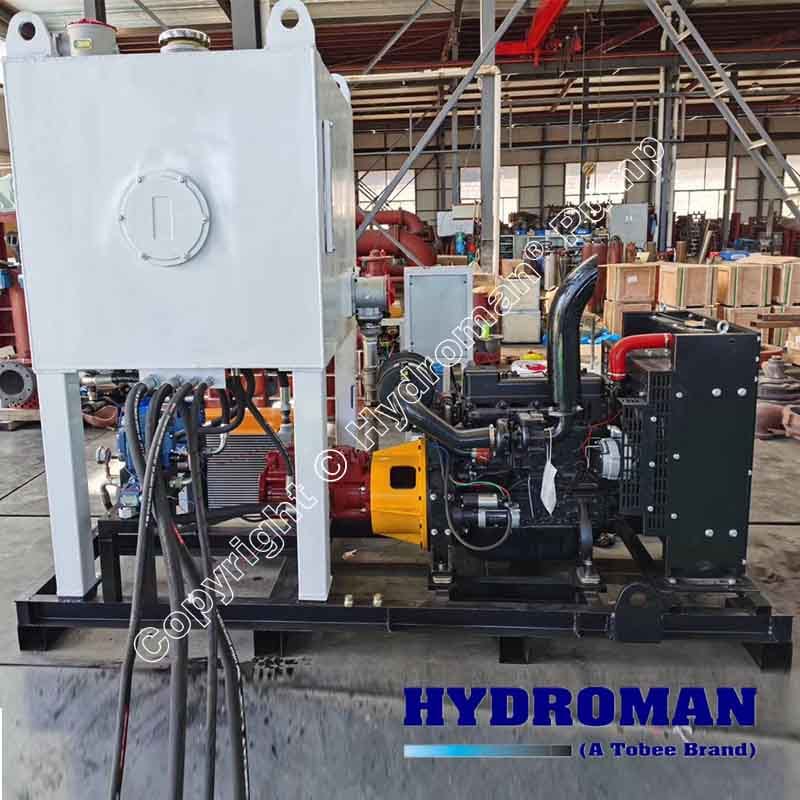
The engine drives a hydraulic pump — typically a variable-displacement axial piston pump — which converts rotational shaft power into high-pressure hydraulic flow. Standard operating pressures in Hydroman® systems run between 150 bar and 350 bar, with flow rates tailored to match the hydraulic motor's torque requirements at the pump head. The HPU reservoir, cooler, and filtration system are all integrated into the power pack frame.
|
Stage 3 — The Hydraulic Hoses
High-pressure hydraulic hoses carry the pressurized fluid from the surface power pack down to the submerged pump. Hose lengths of 50 m, 100 m, or more are practical — giving you significant submersion depth flexibility that no electric cable can match safely in flooded or saltwater environments. | 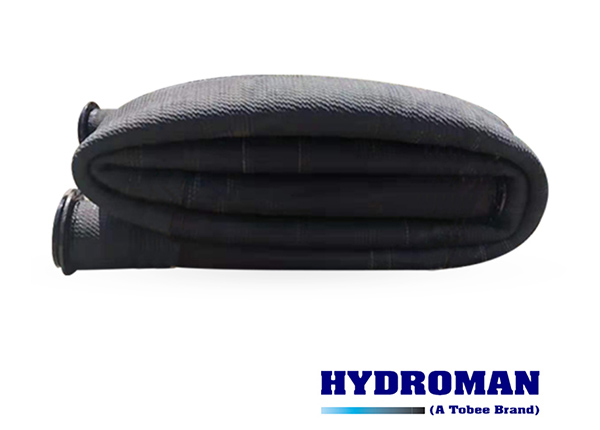 |
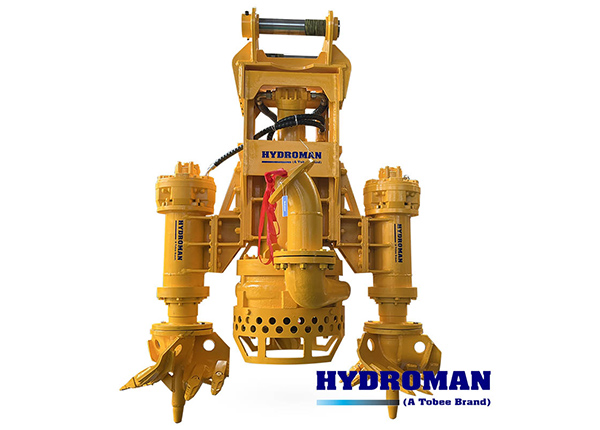 | Stage 4 — The Submersible Hydraulic Pump
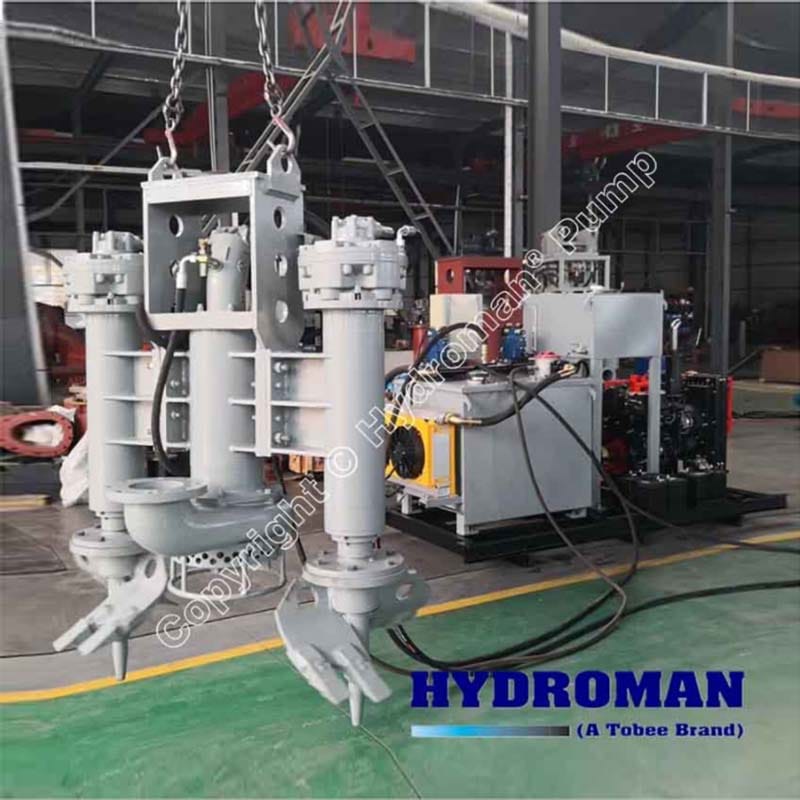
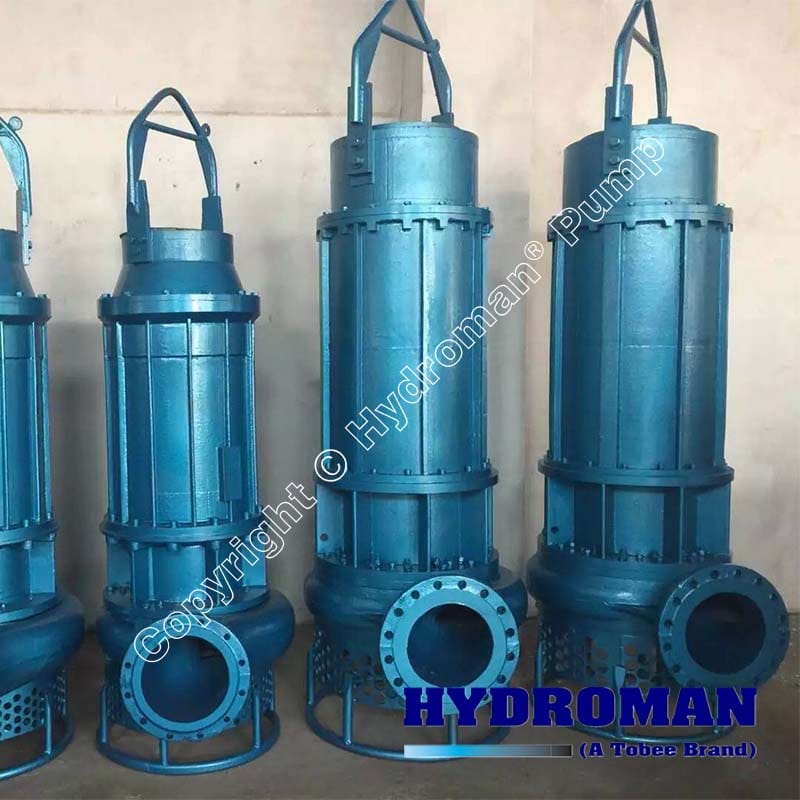
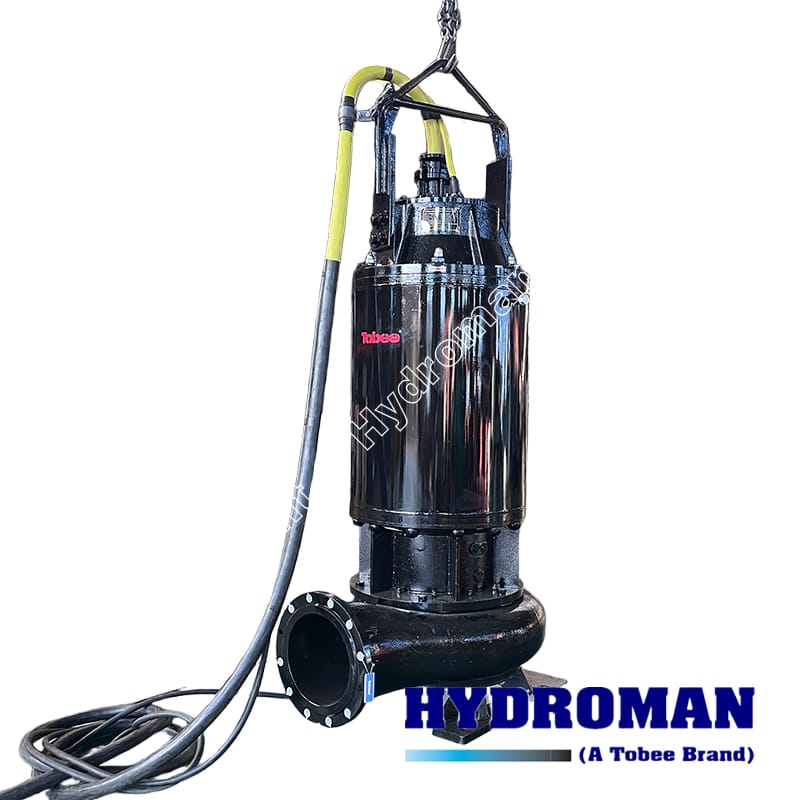
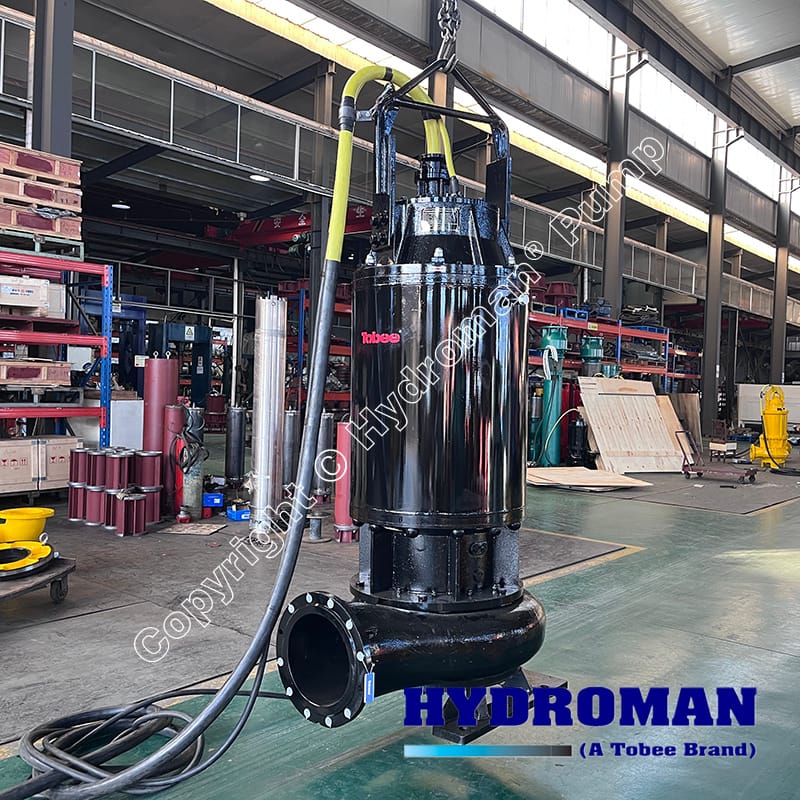
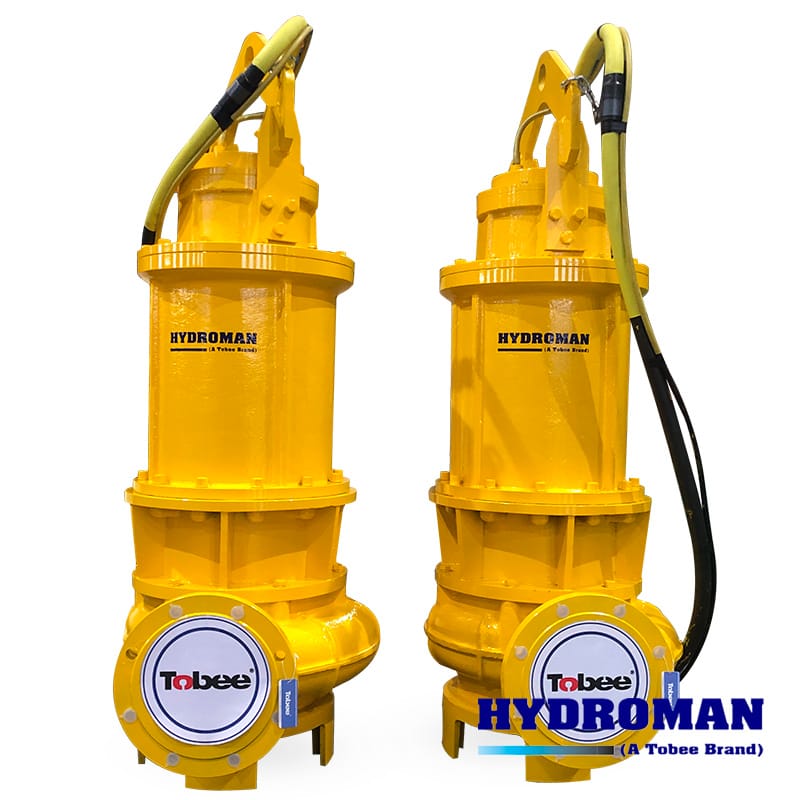
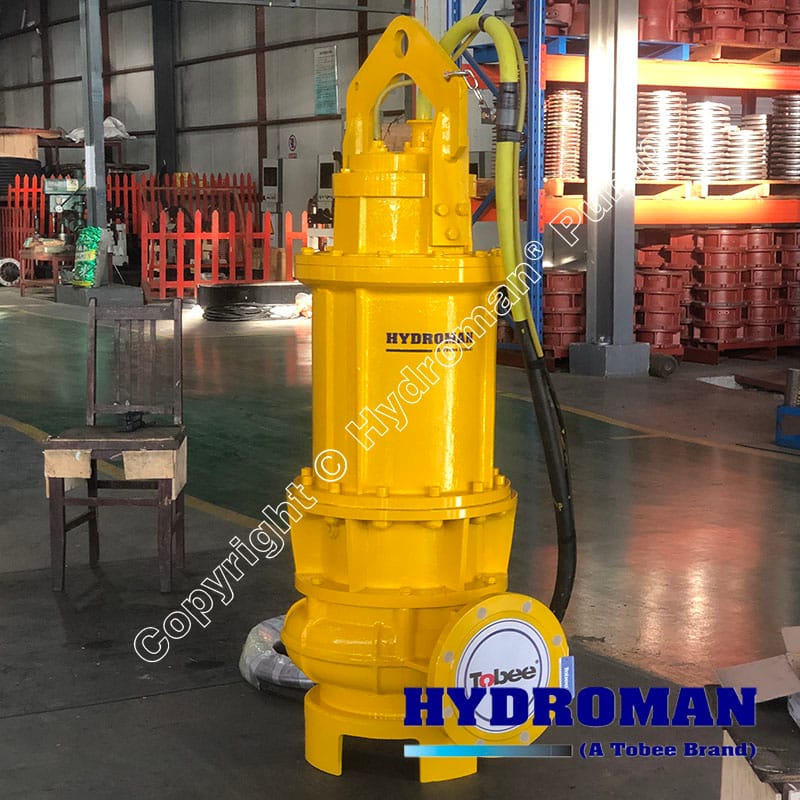
At the business end, the hydraulic motor drives the impeller directly. The hydraulic motor output shaft is matched to the impeller design for the target slurry density and particle size. High-chrome alloy wear parts — with hardness values typically around HRC 60–65 — give you the abrasion resistance required for sand, gravel, mineral tailings, and aggregate slurries without premature wear. |
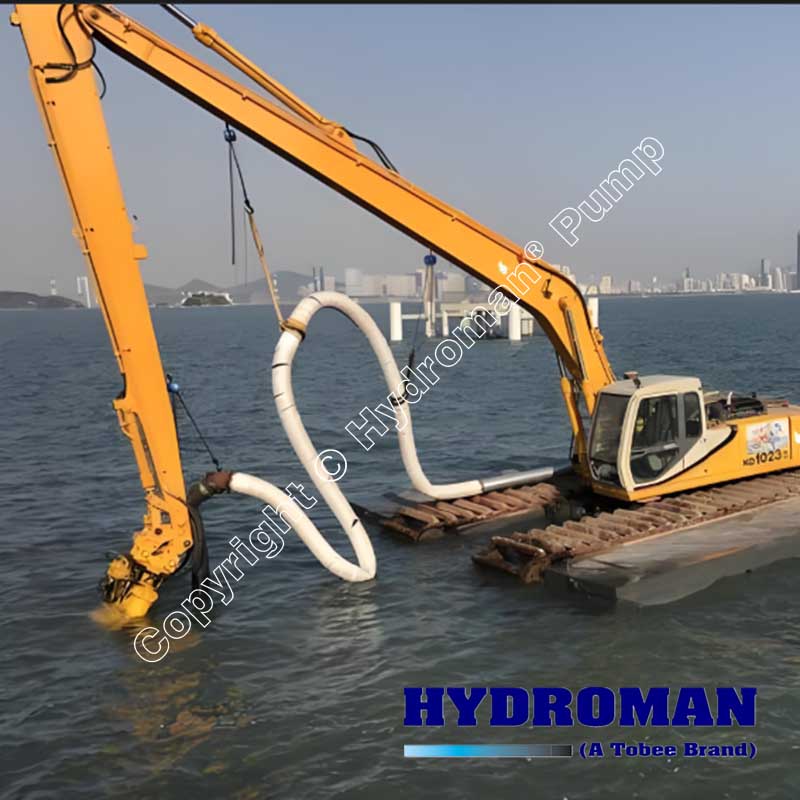
System flexibility: Beyond the pump head itself, the same diesel hydraulic power pack can simultaneously drive hoist winches, cutter heads on dredge pontoons, and auxiliary hydraulic equipment — making it a true multi-function hydraulic power station for complex project setups.
|
The engineering case for hydraulic drive in heavy slurry applications comes down to one fundamental characteristic: electric motors deliver maximum torque within a narrow operating band, and they fail catastrophically when overloaded. A hydraulic motor, by contrast, delivers maximum torque from the very start and maintains it continuously through stall — it simply doesn't burn out.
When you're pumping highly viscous fluids, dense mineral slurries, or materials with fluctuating solids content — conditions where suction conditions change second by second — that torque consistency is what keeps your pump running rather than sitting idle while a burned-out winding is wound back. In construction dewatering studies, sites that switched from electric submersible pumps to hydraulic driven submersible pumps for high-density applications reported a reduction in unplanned downtime of over 60% during peak solids-load operations.
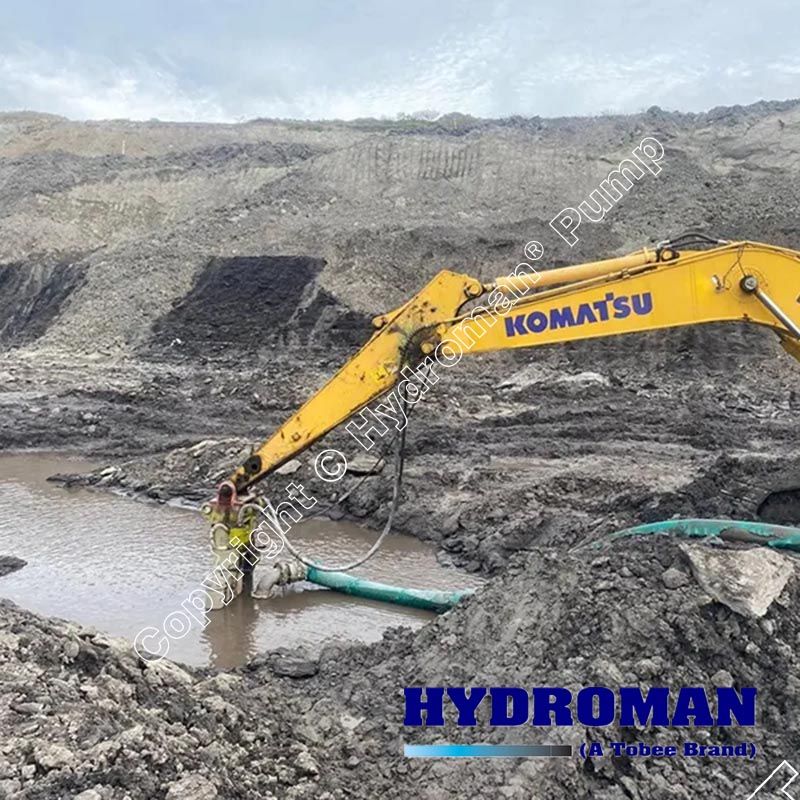
There's also the safety dimension. Operating an electric motor underwater in flooded, saline, or chemically contaminated water carries real electrical risk — both to equipment and to personnel. With a submerged hydraulic pump, the only things underwater are hydraulic fluid, high-chrome alloy metal, and mechanical seals. The risk profile is fundamentally different, and many jurisdictions' underground mining and tunnel construction regulations reflect this by restricting or prohibiting high-voltage electric pump operation in specific flooding scenarios.
70% Max solids content by weight | 1.7 t/m³ Specific gravity handled | 350 bar Max hydraulic operating pressure | HRC 65 Wear part hardness rating | 100 m+ Hose run capability |
 |  |  |
Continuous Full-Torque Operation
The hydraulic drive system delivers maximum torque through the full speed range of the pump. Where an electric motor would trip on overload when slurry density spikes, the hydraulic motor simply absorbs the load and keeps the impeller turning. For dredging operations and sand pumping, this characteristic alone justifies the system specification. | Complete Electrical Independence
Your diesel hydraulic power pack is self-contained. Remote construction sites, emergency flood response deployments, offshore diving support vessels, and mine dewatering operations in areas without reliable grid supply all become straightforward propositions. You bring the power with you.
| Exceptional Solids Handling
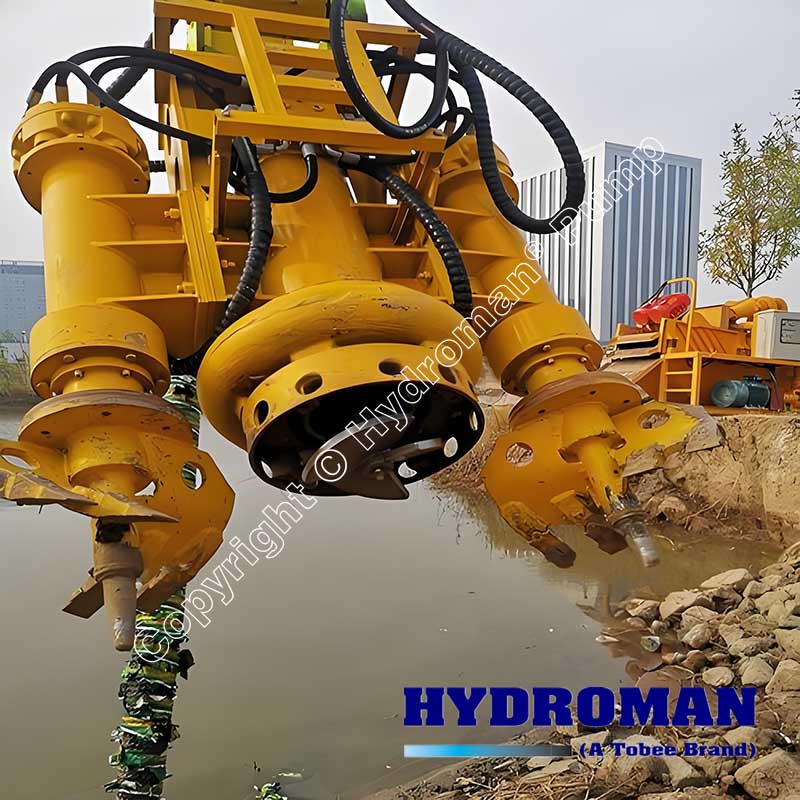
The impeller and wear plate geometry in Hydroman® hydraulic submersible slurry pumps are engineered specifically for abrasive media. High-chrome alloy castings handle sand, gravel, mineral tailings, coal fines, and dredged sediment without the rapid wear degradation seen in standard centrifugal pump constructions. |
 |  | |
Inherent Underwater Safety
No high-voltage electricity at the pump head means no electrocution risk, no insulation failure in saltwater, and no arc flash hazard in confined underground spaces. For marine and offshore applications especially, this isn't just a feature — it's often a compliance requirement. | Scalable Power for Multi-Function Sites
One diesel hydraulic power unit can drive the slurry pump, a cutter head, a hoist winch, and other hydraulic tools simultaneously — particularly relevant for hydraulic dredging operations where multiple hydraulic actuators need to share a single power source efficiently. |
The table below covers the standard performance and build parameters for the Hydroman® hydraulic submersible slurry pump range paired with a diesel hydraulic power pack. Custom configurations are available — contact our technical team for project-specific sizing.
| Parameter | Standard Range | Notes |
|---|---|---|
| Pump Type | Hydraulic Submersible Slurry Pump | Centrifugal, agitator-fitted options |
| Drive Method | Hydraulic Motor | Orbital / radial piston motor |
| Power Source | Diesel Hydraulic Power Pack | Electric HPU option available |
| Flow Capacity | Up to 3,600 m³/h | Varies by pump model |
| Total Head | Up to 80 m | Multi-stage for higher heads |
| Max Solids Size | Up to 120 mm | Depends on impeller clearance |
| Solids Content | Up to 70% by weight | Specific gravity up to 1.7 t/m³ |
| Hydraulic Flow | 80 – 400 L/min | Match to HPU specification |
| Operating Pressure | 150 – 350 bar | System-dependent |
| Wear Material | High Chrome Alloy (Cr26–28%) | HRC 60–65 hardness |
| Seal Type | Mechanical Seal | Silicon carbide / tungsten carbide |
| Hose Length | Standard 50 m / Custom up to 150 m | High-pressure hydraulic hose |
| Engine Options | Cummins, Deutz, CAT, Yanmar | Tier 4 / Stage V emission options |
| Power Pack Frame | Skid-mounted / Trailer-mounted | ISO container option for offshore |
Model | Discharge | Flow | Head | Solids handling |
|---|---|---|---|---|
| 100THY | 4" | 160m³/h | 38m | 45mm |
| 150THY | 6" | 300m³/h | 70m | 132mm |
| 200THY | 8" | 650m³/h | 52m | 160mm |
| 250THY | 10" | 600m³/h | 55m | 200mm |
| 300THY | 12" | 800m³/h | 55m | 220mm |
| 350THY | 14" | 1750m³/h | 30m | 250mm |
| 400THY | 16" | 2000m³/h | 35m | 315mm |
Not every project has the same power demand, transport constraints, or duty cycle. Hydroman® offers four standard power pack configurations — and full custom engineering for clients whose specifications fall outside them.
 |  |  |  |
Compact Hydraulic Power Unit
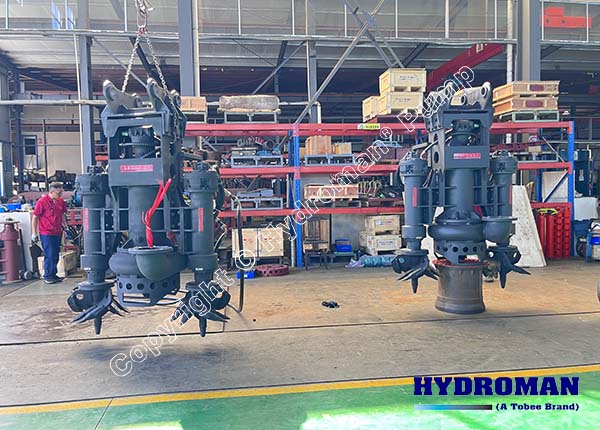
Designed for portability, the compact HPU fits on a standard skid that can be fork-lifted or crane-lifted into place. Engine outputs typically run from 37 kW to 75 kW, making it the right choice for construction site dewatering, emergency flood response, and small-to-medium dredge operations where site access is restricted. | Industrial Hydraulic Power Unit
Built for continuous-duty pumping in mining and large-scale dredging, the industrial HPU uses higher-capacity diesel engines (90 kW to 300 kW+), dual-circuit hydraulics for simultaneous multi-actuator operation, and heavy-duty cooler systems that maintain optimal fluid temperature during 24/7 operation. If your pump will run around the clock, this is the configuration you need. | Marine Hydraulic Power Pack
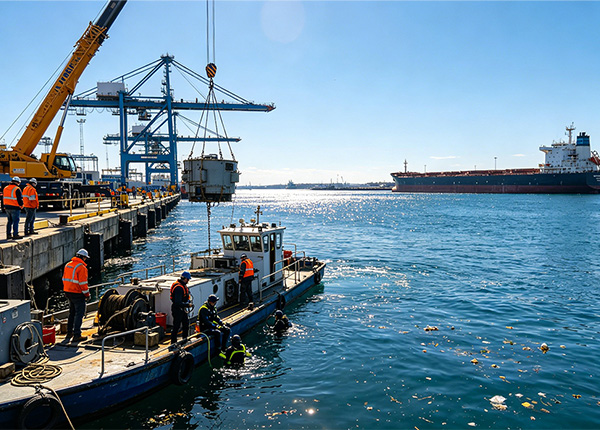
For dredge pontoons, support vessels, and offshore diving support, the marine power pack is built to DNV or equivalent classification requirements with saltwater-resistant coatings, deck-mount fixing points, and ATEX-rated electrical components where required. The entire package is designed to survive life on water.
| Custom Hydraulic Power Units
If your project requires a non-standard engine brand, a specific hydraulic flow and pressure combination, an integrated winch drive circuit, a specific container format, or compliance with local emission regulations, Hydroman® engineers will design a custom solution around your specifications. Clients in the energy sector operating in regulated offshore environments particularly benefit from this option. |
The industries and project types below represent the environments where Hydroman® hydraulic submersible slurry pumps consistently outperform alternatives. In each case, the combination of remote power independence, full-torque hydraulic drive, and abrasion-resistant construction addresses challenges that no general-purpose electric submersible pump can handle reliably.
| Application | Why Hydraulic Drive | Relevant Pump Type |
|---|---|---|
| Mining Slurry Transfer | High solids density, constant torque demand, remote site power | Hydraulic submersible slurry pump |
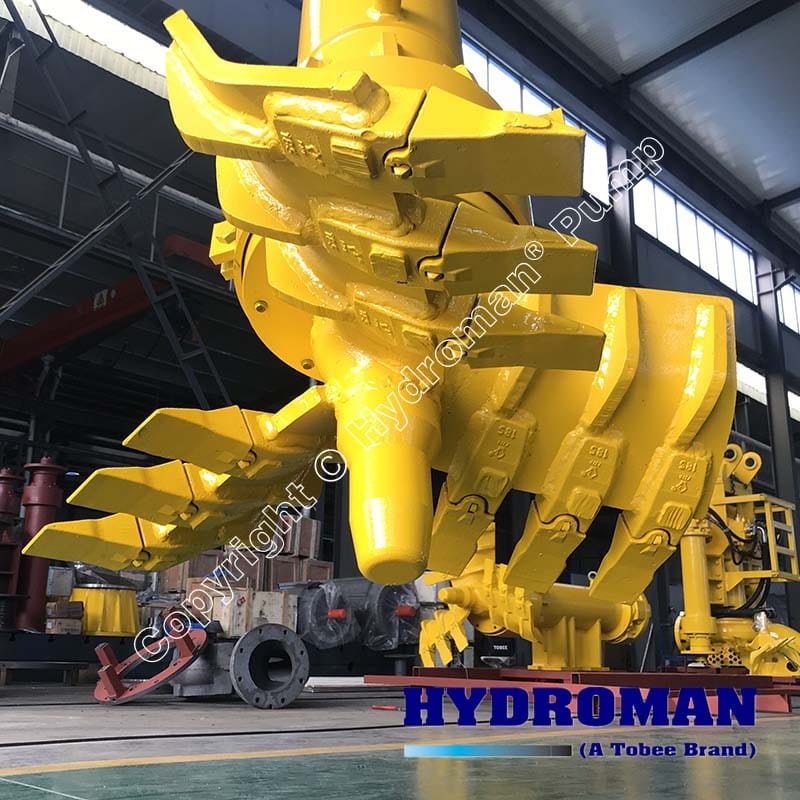
| Hydraulic Dredging | Simultaneous cutter + pump drive from single HPU | Hydraulic submersible dredge pump |
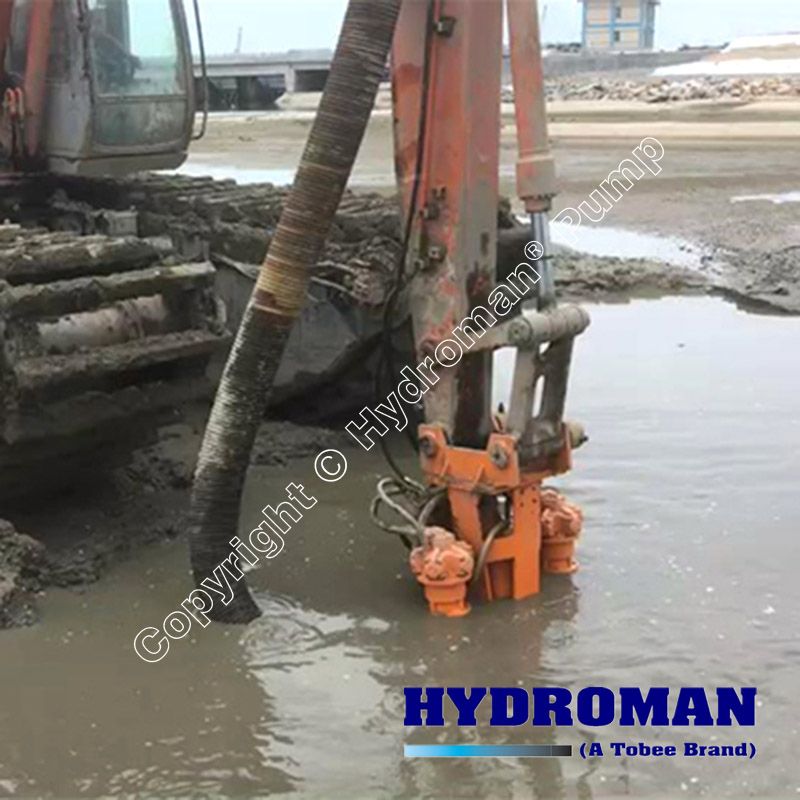
| Construction Dewatering | No electrical supply on early-stage sites, fast mobilisation | Compact diesel dewatering pump |
| Tunnel & TBM Projects | No HV electricity in tunnel face, slurry + groundwater handling | Hydraulic submersible slurry pump |
| Emergency Flood Control | Deployment speed, diesel independence, debris handling | Diesel powered water pump |
| Municipal Wastewater Bypass | Reliability, solids pass-through, no electrical safety risk | Hydraulic submersible water pump |
| Marine & Offshore | Saltwater environment, ATEX compliance, vessel power integration | Marine hydraulic power pack system |
| Sand & Aggregate Dredging | Up to 120 mm particle passage, SG 1.7 slurry handling | Hydraulic dredging pump |
| Offshore Diving Support | No electrocution risk, depth capability, hose flexibility | Submerged hydraulic pump |
The Challenge
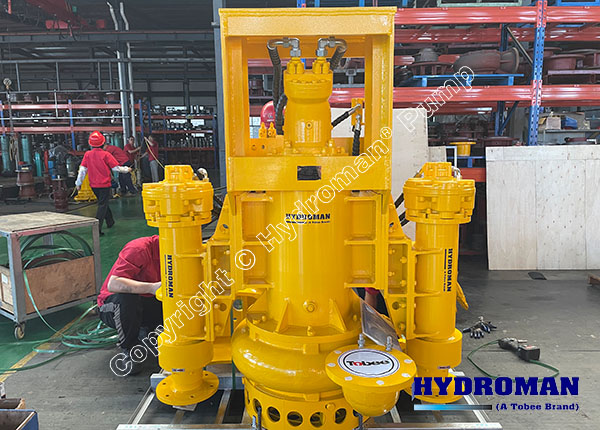
A copper mining operation in northern Chile needed to transfer high-density tailings slurry from a collection pond to a processing area. The slurry contained abrasive solids with a specific gravity of approximately 1.6 and frequently caused overload trips and excessive wear on conventional electric submersible pumps. | 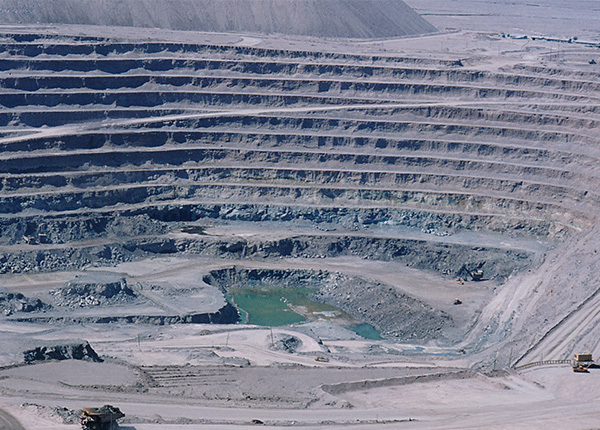 |
 | The Solution
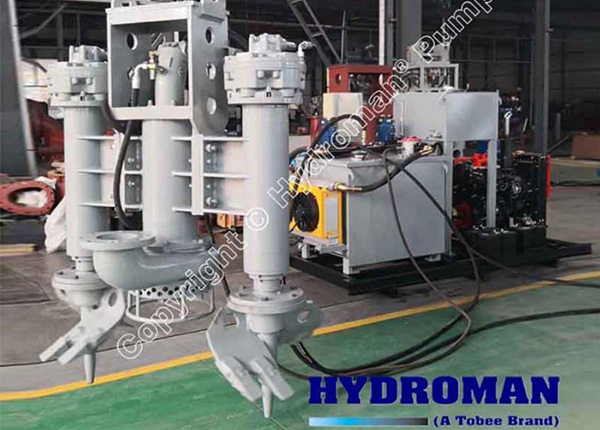
Hydroman® supplied an 8-inch hydraulic submersible slurry pump powered by a 110 kW diesel hydraulic power pack. The complete package included a high-pressure hydraulic hose system, agitator-equipped pump, and skid-mounted hydraulic power unit designed for continuous-duty operation. |
The Outcome
The hydraulic pumping system operated continuously for over 20 hours per day with no electrical overload issues. Compared with the previous electric pumping setup, the mine reported: Up to 35% reduction in unplanned downtime Improved slurry transfer efficiency Extended wear-part service life Simplified operation in remote areas without reliable grid power |  |
 |  | 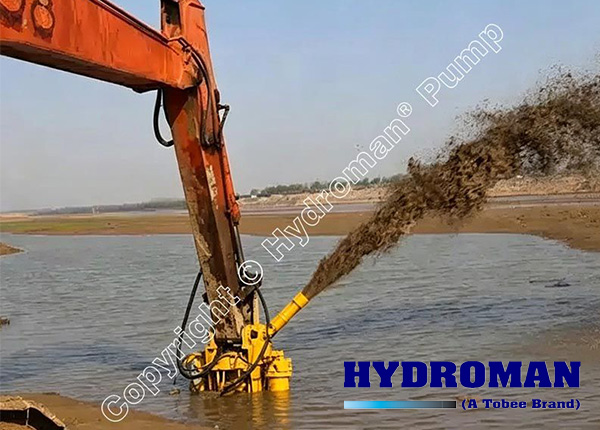 |
The ChallengeA river dredging contractor required a pumping system capable of handling coarse sand and sediment while operating from a floating dredge pontoon. The project also required hydraulic power for both the dredge cutter head and the slurry pump.
| The SolutionHydroman® provided a hydraulic submersible dredge pump paired with a diesel hydraulic power pack. The hydraulic system was configured to power both the dredging cutter head and the pump from a single hydraulic power unit.
| The OutcomeThe contractor achieved stable pumping performance throughout the project and eliminated the need for separate power systems. Key benefits included: Single power source for multiple hydraulic functions Improved dredging productivity Reduced equipment footprint on the pontoon Reliable operation in abrasive sand conditions |
Choosing between hydraulic and electric submersible pumps is ultimately a project-economics and risk decision. Here's an honest breakdown to help you make it clearly.
| Feature | Hydroman® Hydraulic Pump | Standard Electric Pump |
|---|---|---|
| Remote Operation | ✔ Fully independent | Requires grid / generator |
| Underwater Electrical Safety | ✔ No HV at pump head | HV cable risk in water |
| Solids Handling (up to 70%) | ✔ Engineered for it | Typically limited to 30–40% |
| Full Torque at Low Speed | ✔ Hydraulic motor characteristic | Limited — overload trips |
| Explosion / ATEX Areas | ✔ Suitable with compliant HPU | Restricted / prohibited |
| Site Mobility | ✔ Skid/trailer-mounted HPU | Cable management intensive |
| Multi-Actuator Drive | ✔ Cutter, hoist, aux from one HPU | Requires separate motors |
| Operating Cost (low-density water) | Higher than electric | ✔ Lower for clean water |
| Initial Equipment Cost | Higher capital cost | ✔ Lower initial cost |
The practical conclusion: for clean water dewatering at accessible sites with reliable power, electric submersible pumps are entirely adequate. The moment you introduce high-solids slurry, remote terrain, flooded confined spaces, or the need to drive multiple hydraulic tools from a single unit, the economics and risk profile shift decisively toward hydraulic drive.
There's no shortage of hydraulic pump suppliers globally, and we're not going to pretend otherwise. What Hydroman® offers is a specific combination of technical depth, global project experience, and turnkey supply that matters when your operation can't afford a commissioning failure 3,000 km from the nearest service centre.
Every Hydroman® hydraulic submersible water pump system is supplied as a complete matched package: the pump head, the diesel hydraulic power pack sized to it, the high-pressure hoses, the fittings, and the technical documentation your team needs to operate it confidently. You don't piece together a system from three different suppliers and hope the pressure curves align — we do that engineering work before the equipment ships.
Our engineering team has direct project experience across dredging operations in Southeast Asia, mining dewatering in Africa and South America, tunnel construction dewatering in Europe, and emergency flood response applications globally. That field experience feeds directly back into our product development — which is why Hydroman® hydraulic slurry pumps include design details you won't find in catalogue-only suppliers: things like agitator impeller geometry tuned for settled slurry re-suspension, mechanical seal flushing circuits for long submersion duty, and cutter head integration ports on dredge pump models.
If you need a custom hydraulic power unit — different engine specification, non-standard pressure-flow mapping, ATEX certification, or a specific container format for offshore logistics — our engineering team has the experience to design and deliver it. That's not a brochure claim; it's the business we've built.
What is a hydraulic submersible slurry pump and how does it differ from a standard submersible pump?
A hydraulic submersible slurry pump uses pressurized hydraulic fluid — supplied from a surface-mounted hydraulic power unit — to drive a hydraulic motor that turns the pump impeller underwater. Unlike standard electric submersible pumps, there is no high-voltage electricity at the pump head, and the drive system delivers constant torque regardless of load variation. Standard submersible pumps are designed for clean or lightly loaded water; hydraulic slurry pumps are built specifically for abrasive, high-density media with solids content up to 70% by weight.
Why is a diesel engine the preferred power source for the hydraulic power pack?
A diesel hydraulic power pack provides total energy independence — no grid connection, no generator hire contract, no exposure to site power quality issues. For remote construction sites, mining operations, dredging vessels, and emergency flood response scenarios, diesel is the only realistic option. It also offers significantly better fuel efficiency per unit of hydraulic output compared with petrol alternatives, and diesel engines from Cummins, Deutz, Caterpillar, and Yanmar have proven service networks globally.
What solids content and particle sizes can Hydroman® hydraulic slurry pumps handle?
Hydroman® hydraulic submersible slurry pumps are designed to handle slurries with up to 70% solids content by weight and specific gravity values up to 1.7 t/m³. Maximum particle size passage is up to 120 mm depending on the pump model and impeller configuration. High-chrome alloy wear parts (Cr 26–28%, HRC 60–65) ensure acceptable wear life even in aggressive abrasive media such as silica sand, mineral tailings, and aggregate slurry.
Can the hydraulic power pack drive equipment other than the slurry pump?
Yes. One of the key operational advantages of a hydraulic power pack is that a single diesel hydraulic power unit can drive multiple hydraulic consumers simultaneously — the submersible pump, a dredge cutter head, a hoist or winch, and other auxiliary hydraulic tools. This is particularly valuable on dredge pontoons and complex tunnelling sites where multiple hydraulic actuators need to share a common power source.
What is the maximum operating depth for a hydraulic submersible pump on hose?
Practical operating depth depends on the hydraulic hose specification, the system operating pressure, and the heat dissipation characteristics of the fluid column. Hydroman® standard systems are supplied with 50 m hose runs as standard, with custom configurations available up to 150 m and beyond for deep shaft or offshore applications. Unlike electric cable, hydraulic hose length does not introduce the voltage drop and insulation safety concerns that limit electric pump depth deployments.
What diesel engine brands are available on Hydroman® power packs?
Hydroman® diesel hydraulic power packs are available with Cummins, Deutz, Caterpillar (CAT), and Yanmar engines as standard configurations. Engine selection is typically driven by your local spare-parts availability, emission tier requirements (Tier 4 Final / Stage V where applicable), and altitude operating conditions. For specific projects — such as offshore operations with preferred OEM maintenance agreements — custom engine specifications can be accommodated.
How does hydraulic drive prevent motor burnout in high-viscosity slurry applications?
An electric motor has a defined torque limit; when slurry density or viscosity causes resistance to exceed that limit, the motor either trips the overload protection or, in older installations, burns out the winding. A hydraulic motor has no equivalent failure mode — it delivers full torque from zero speed through its complete operating range and absorbs load spikes by drawing additional hydraulic flow from the power unit. This is the fundamental reason hydraulic drive is specified for highly viscous fluids and heavy slurry applications where load conditions fluctuate unpredictably.
Are Hydroman® hydraulic power packs suitable for ATEX / hazardous area applications?
Yes. Hydroman® offers hydraulic power pack configurations with ATEX-rated electrical components for operation in Zone 1 and Zone 2 hazardous areas. The inherent nature of the hydraulic system — with no high-voltage electricity at the submerged pump head — significantly simplifies the hazardous area classification requirements compared with electric submersible pump installations. Specific ATEX documentation and certification requirements should be discussed with our technical team at the project specification stage.
What materials are used for the pump wear parts, and how long do they last?
Hydroman® hydraulic slurry pump wet-end components — impeller, volute liner, and wear plate — are cast from high-chrome alloy with 26–28% chromium content, achieving Brinell hardness values of 650–700 HB (approximately HRC 60–65). Service life in abrasive slurry applications varies significantly with media type, solids concentration, and pump speed, but in typical sand dredging operations, wear-part intervals of 800–2,000 operating hours are achievable. Rubber-lined variants are available for specific media types where impact resistance is more critical than pure abrasion resistance.
How do I size the right diesel hydraulic power pack for my pump?
Correct power pack sizing requires knowing your target pump flow rate and head, the expected slurry specific gravity, and the hydraulic motor's required flow and pressure at the duty point. Undersizing the HPU leads to pressure drop under load; oversizing adds unnecessary cost and fuel consumption. Hydroman®'s technical team performs hydraulic system calculations as part of the standard quotation process — provide your flow, head, slurry density, and site conditions, and we'll specify the matched power pack configuration.
What is the difference between a compact hydraulic power unit and an industrial hydraulic power unit?
Compact hydraulic power units (HPUs) are optimised for portability and mobilisation speed, with engine outputs typically between 37 kW and 75 kW. They are ideal for construction dewatering, emergency response, and smaller dredge operations. Industrial HPUs are built for continuous 24/7 operation in mining and major dredging projects, with higher engine outputs (90 kW to 300 kW+), larger hydraulic reservoirs for thermal stability, and dual-circuit capability for multi-actuator sites. The right choice depends on your duty cycle, required flow rate, and whether the machine will be mobilised frequently or installed semi-permanently.
Can Hydroman® supply a complete turnkey hydraulic pumping system?
Yes. Hydroman® supplies complete turnkey hydraulic pumping systems — the matched submersible slurry pump, diesel hydraulic power pack, high-pressure hoses with fittings, hydraulic fluid charge, and full technical documentation — as a single integrated package. This eliminates the compatibility risk that comes from assembling a system from multiple suppliers with mismatched pressure-flow specifications. We also provide commissioning support, operator training documentation, and a global spare-parts service.
What maintenance does a diesel hydraulic power pack require in field conditions?
In-field maintenance requirements centre on the diesel engine (standard service intervals per the engine manufacturer's schedule — typically every 250–500 operating hours for oil and filter), hydraulic fluid condition monitoring (typically sampled every 500 hours or per the fluid supplier's recommendation for high-temperature applications), and hydraulic filter element replacement. The pump head mechanical seal should be inspected at each mobilisation event and replaced per the wear schedule for your specific slurry media. Hydroman® provides a field maintenance schedule document with every system shipment.
Is the hydraulic submersible pump suitable for saltwater and marine dredging environments?
Yes. Hydroman® marine hydraulic power packs and submersible pump configurations are designed specifically for saltwater operation. The power pack frame and electrical components use marine-grade corrosion protection, and the pump head materials — high-chrome alloy or, where specified, duplex stainless steel — provide acceptable corrosion resistance for seawater slurry applications. For fully offshore or vessel-mounted installations, Hydroman® can supply systems built to DNV or equivalent classification society requirements.
How quickly can Hydroman® deliver a hydraulic slurry pump with diesel power pack?
Standard Hydroman® configurations are held in production-ready status, with typical lead times of 4–8 weeks from order confirmation to factory dispatch for standard pump and HPU combinations. Custom configurations — specific engine brands, non-standard pressure-flow parameters, ATEX certification, or marine classification — require 8–14 weeks. Emergency supply for flood response or critical project needs is discussed case by case; contact our sales team directly with your timeline requirement and we will confirm what is achievable from current stock and production capacity.
Tell us your flow rate, head, slurry density, and site conditions — and our engineers will size the right hydraulic submersible slurry pump and diesel power pack for your project. No guesswork, no mismatched components, and a quote within 24 hours.
 Sara Liang
 +86 189 3110 6396 (Whatsapp/Wechat)
 Inquiry@tobeepump.com
Submitted successfully
Your submission has been received. Thanks for your time

 FR(EUR)
 CN(CNY)
 GB(GBP)
 AU(AUD)





Reviews
0%
0%
0%
0%
0%
Share your thoughts with other customers
Write a Review