
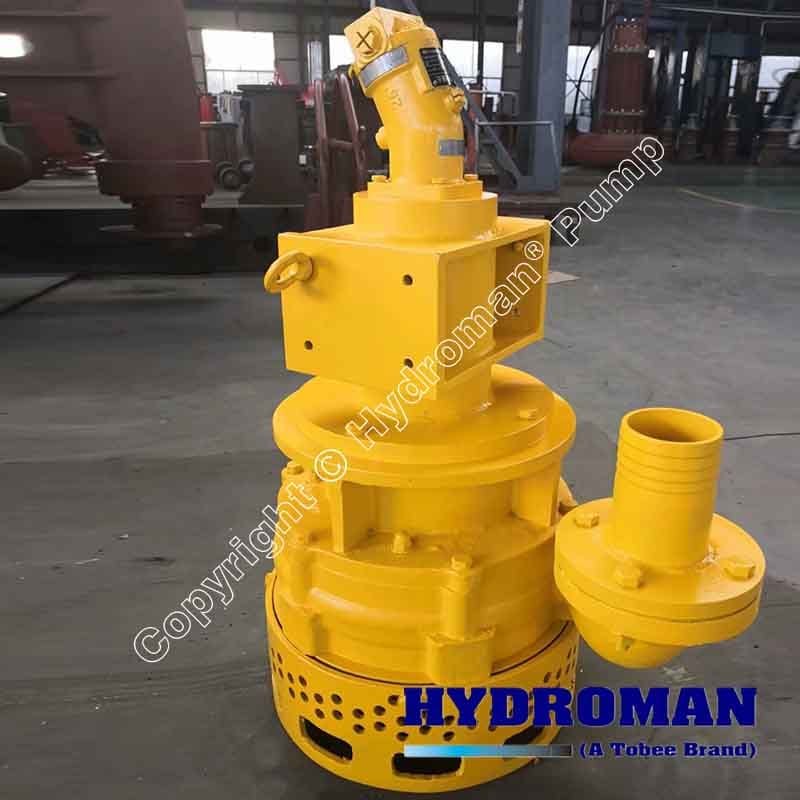


Everything you need to know before you match a hydraulic dredge pump, sand suction pump, or slurry pump to your excavator's hydraulic circuit — with real flow and pressure figures from CAT, Hitachi, John Deere, Kawasaki, and Case machines.
If you run dredging, sand recovery, or slurry-handling jobs, you already know your excavator is more than a digging machine — it's a power source you can put to work. An excavator hydraulic pump lets you tap into that auxiliary hydraulic circuit and turn your carrier into a mobile dredging or pumping unit, without dragging a separate diesel power pack onto site. You'll see this setup used every day in river dredging, sand and gravel extraction, mining slurry transfer, pond and lagoon cleaning, tailings handling, and construction dewatering, because it lets one machine do two jobs.
Here's the catch: get the pump-to-excavator match wrong, and you'll feel it immediately. An undersized pump gives you weak suction and painfully slow production. An oversized pump can starve your excavator's hydraulic system, trip relief valves, or overheat the oil. Mismatched flow and pressure lead to premature wear on seals, bearings, and impellers, which means more downtime and higher maintenance bills than the job should ever cost you. Getting the excavator hydraulic pump sizing right the first time is the difference between a pump that pays for itself in a season and one that becomes a recurring repair line item.
An excavator hydraulic pump, in the context this guide covers, is a pump attachment powered by your excavator's own hydraulic system rather than by its own engine. You send auxiliary hydraulic oil from the excavator's main pump down to a hydraulic motor mounted on the dredge or slurry pump, and that motor spins the pump's impeller. No separate power unit, no extra fuel tank, no extra operator — your excavator is doing double duty as both the digger and the power source.
It's worth being precise about terminology here, because the phrase gets used loosely across the industry. This is different from the excavator hydraulic main pump — the factory-installed piston pump inside the excavator that powers the boom, stick, bucket, and travel — and it's different from the pilot pump excavator circuit, which is the low-pressure system that operates the joystick controls. Hydroman pumps are excavator-mounted hydraulic pumps built specifically for pumping sand, slurry, mud, and solids-laden water, drawing their power from the auxiliary (high-flow) circuit that most mid-size and large excavators already have.
The power path looks like this: the excavator's hydraulic system generates flow and pressure, which is routed through auxiliary lines to a hydraulic motor, which drives the dredge pump shaft and impeller, which in turn moves sand and slurry through the discharge pipeline. It's a simple chain, but every link has to be sized correctly for the one before it — that's really what this whole guide is about.
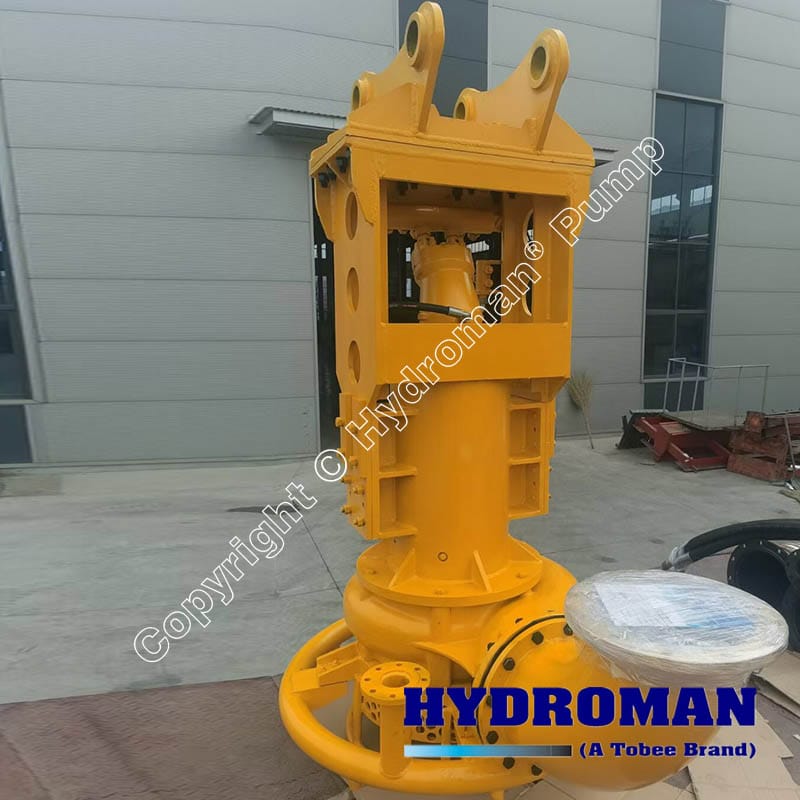
Hydraulic Dredge Pump
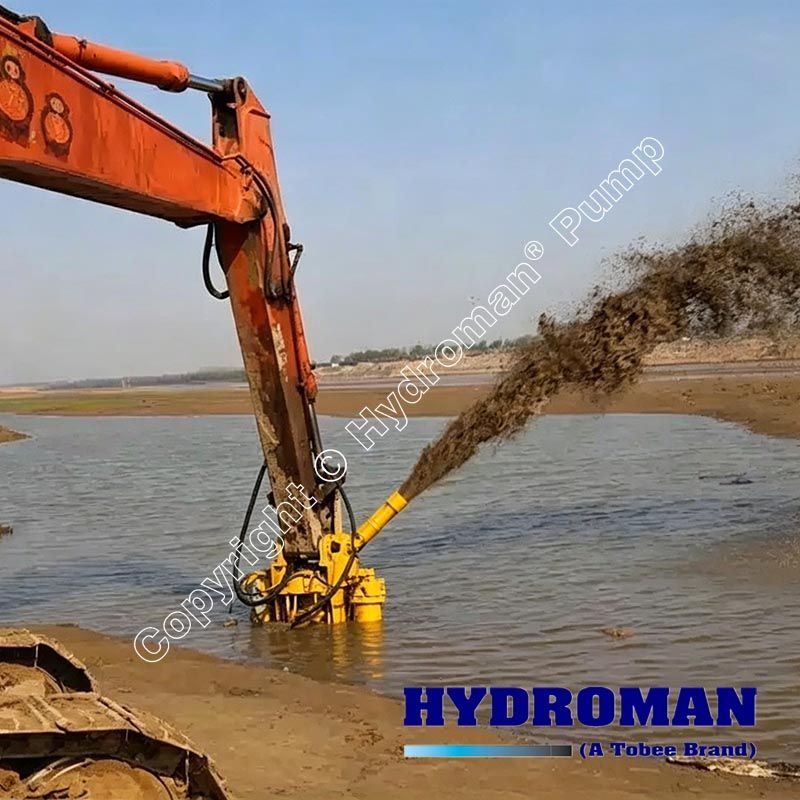
A hydraulic dredge pump is what you'll reach for on river dredging, sand recovery, and underwater excavation work. These pumps are built around a heavy-duty impeller and wear-resistant casing so they can handle high solids concentrations continuously, shift after shift, without the impeller eroding away in a matter of weeks. If you're moving river sand or reclaiming material from a waterway, this is the workhorse category. |  |
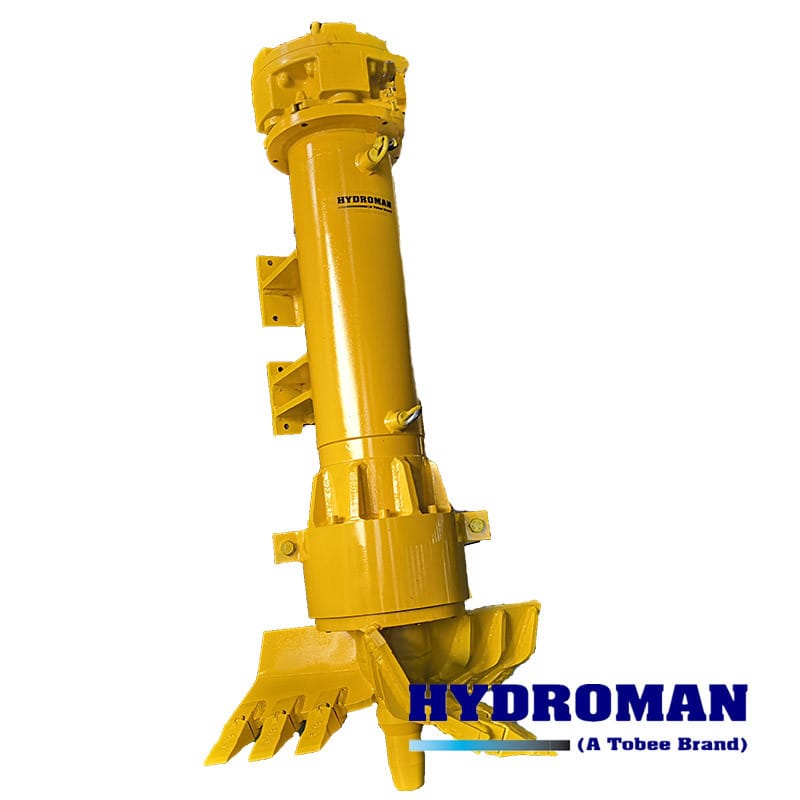
 | Hydraulic Suction Pump
A hydraulic suction pump is tuned for strong suction lift — useful for sand suction, gravel pumping, and sludge removal where you need to pull material up from depth rather than simply move it horizontally. Because they're built to handle abrasive slurry without losing prime, these pumps are a common choice as a sand suction machine on beach nourishment, quarry, and reclamation jobs where a conventional centrifugal pump would wear out fast. |
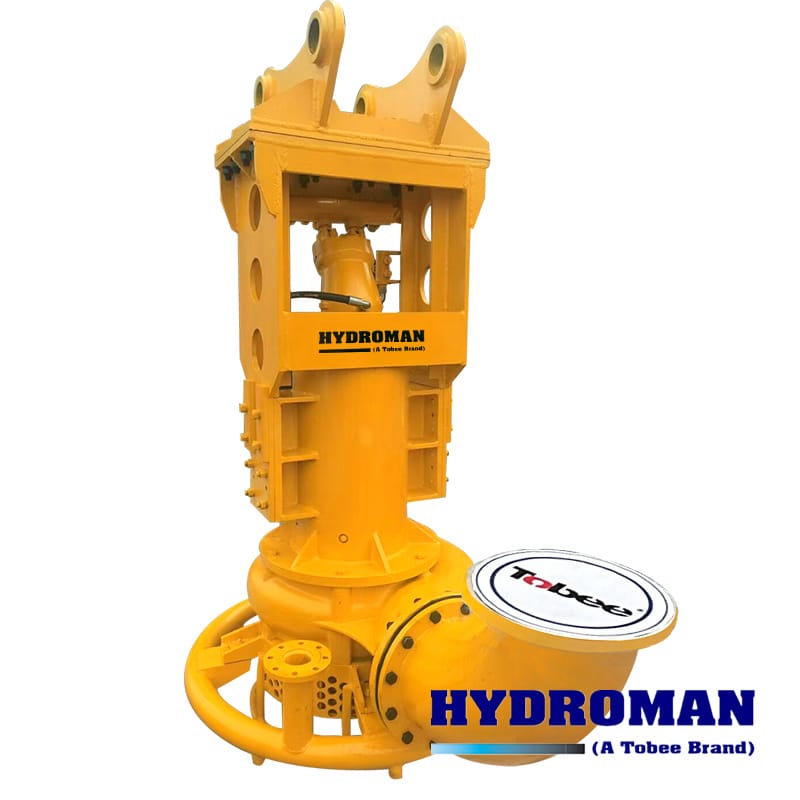
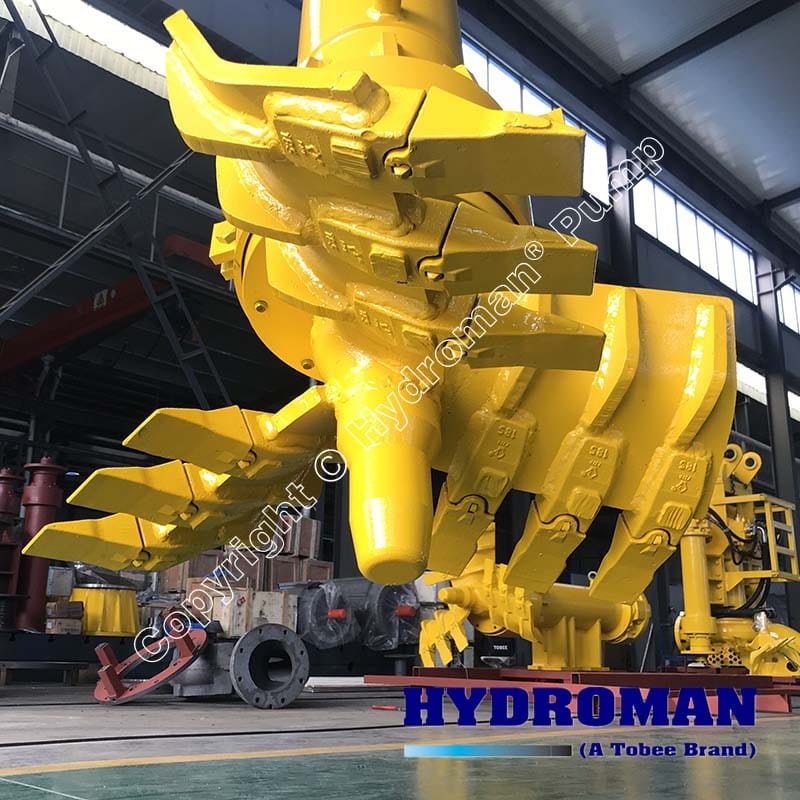
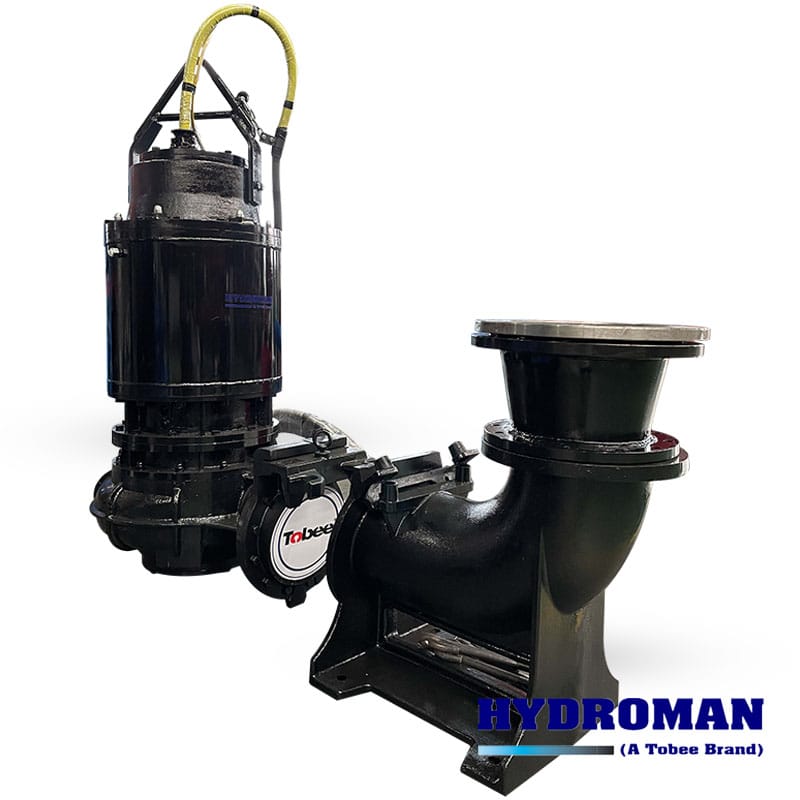
Hydraulic Submersible Dredge Pump
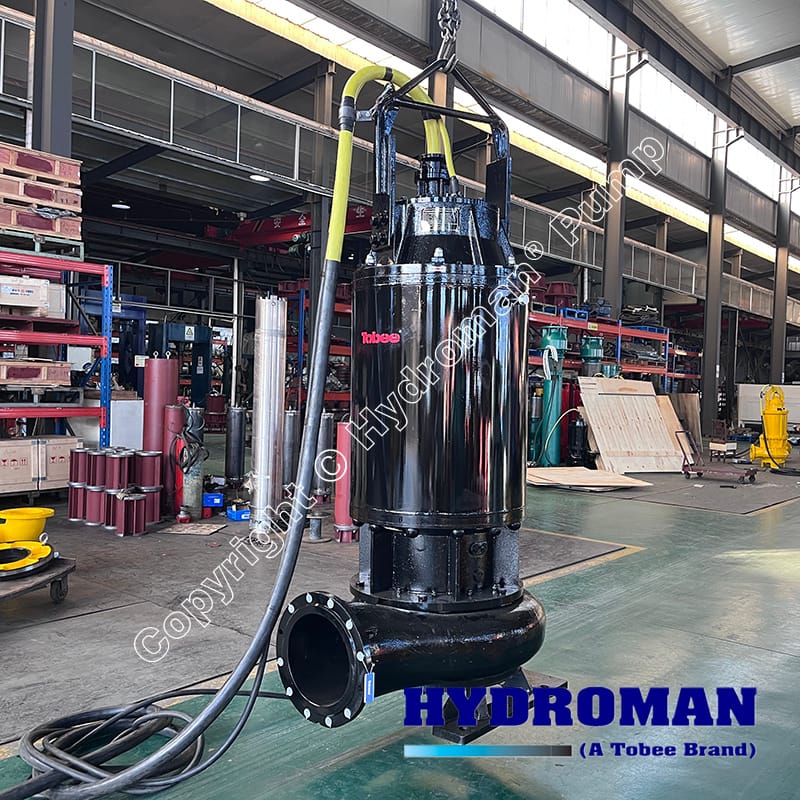
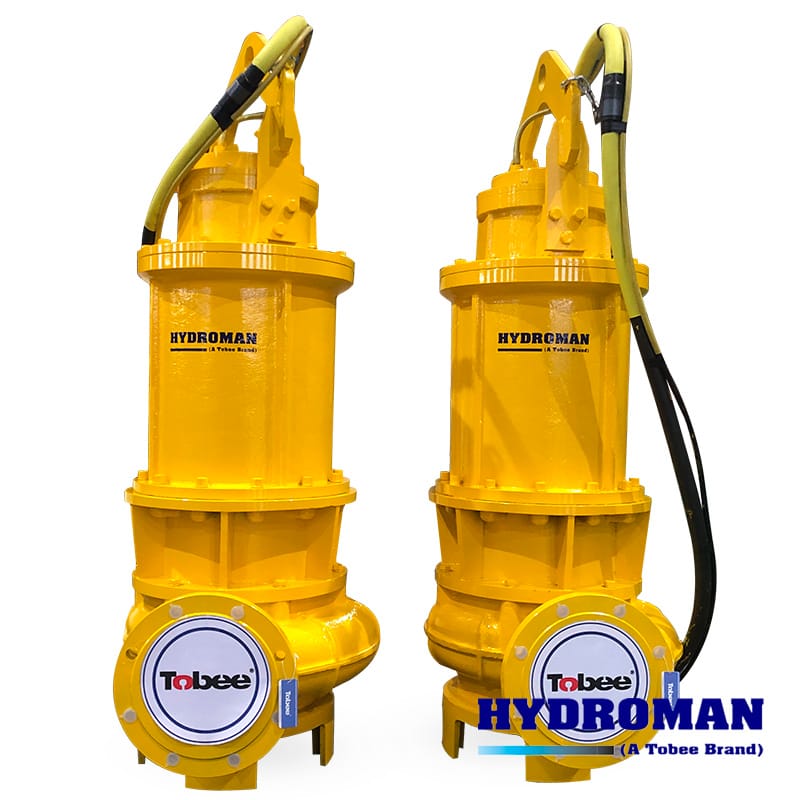
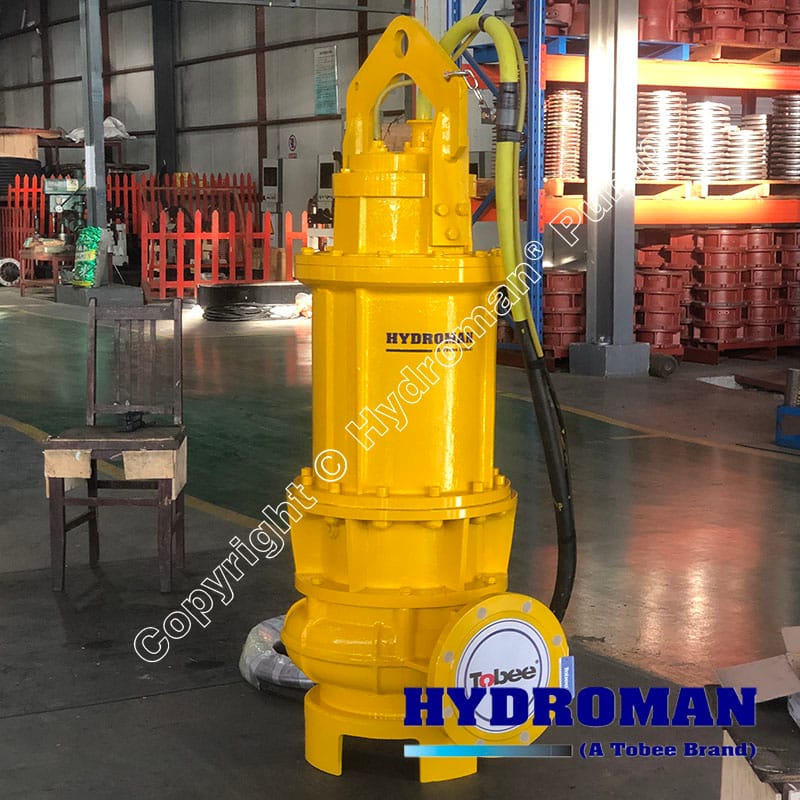
When the job calls for deep-water pumping, underwater mining, or working in confined spaces where a surface-mounted pump can't reach, a hydraulic submersible dredge pump does the job. Running the pump underwater eliminates suction lift losses entirely and keeps solids transport efficient, which is why you'll find submersible units on deep tailings ponds and confined mining pits. |  |
This is the number that decides everything else, so it's worth getting real figures rather than rules of thumb. Every excavator delivers a different auxiliary hydraulic flow rate, working pressure, and available power to its attachment circuit, and it varies a lot by size class:
| Excavator Class | Example Models | Typical Auxiliary Flow | Typical Relief Pressure |
|---|---|---|---|
| Small (5–10 t) | CAT 305, Hitachi EX60 | 60–110 L/min | 200–250 bar |
| Mid (12–20 t) | CAT 312, CAT 320, Hitachi EX120, Hitachi EX200 | 150–250 L/min | 280–350 bar |
| Large (25–40+ t) | CAT 330, John Deere 690, Hitachi EX300 | 250–420 L/min | 320–360 bar |
To put real numbers behind that: the CAT 320 hydraulic pump system delivers a maximum implement flow around 429 L/min at a normal working pressure of roughly 35,000 kPa (about 5,075 psi), while the larger CAT 330 hydraulic pump circuit pushes closer to 560 L/min at a similar pressure ceiling. On the Hitachi side, the Hitachi EX200 hydraulic pump is typically rated around 370 L/min with a relief valve setting near 34,300 kPa (about 4,980 psi). Those figures are for the excavator's main system as a whole — your available auxiliary flow for a dredge pump attachment will be a portion of that, which is exactly why matching matters more than "bigger is better."
Hydroman builds pumps to work across the excavator brands that actually show up on dredging and mining sites — you shouldn't have to change your fleet to add a dredge pump to it.
| Brand | Common Compatible Models |
|---|---|
| Caterpillar | CAT 225, CAT 305, CAT 307SSR, CAT 311, CAT 312, CAT 320, CAT 320B, CAT 320BL, CAT 320C, CAT 320D, CAT 330, CAT 330B, CAT 330BL, CAT 330C, CAT 330CL, CAT E70B, CAT E120B |
| Hitachi | Hitachi EX60, EX100, EX120, EX200, EX200-1, EX200-2 |
| Kawasaki | Kawasaki-powered excavators fitted with K3V112DT-series main pumps |
| John Deere | John Deere 120, 490D, 490E, 690B, 690E LC |
| Case | Case 9020B |
| Tata Hitachi | Tata Hitachi 200 / EX200LC |
A quick clarification that comes up a lot from buyers: a caterpillar 312 hydraulic pump conversion, a cat 320 excavator hydraulic pump conversion, and a cat 330cl hydraulic pump conversion are three genuinely different sizing exercises, even though all three carriers are "CAT excavators." The CAT 312 sits in the mid-size class with modest auxiliary flow, the 320-series is a step up and one of the most common carriers we match dredge pumps to worldwide, and the 330-series (including the 330B, 330BL, 330C, and 330CL variants referenced in the CAT 330 specalog) gives you enough flow and pressure headroom for genuinely heavy-duty slurry work. The same logic applies across Hitachi's EX-series, John Deere's 490 and 690 platforms, and Kawasaki-equipped machines — the excavator model determines the pump size, not the other way around.
Once you've got the flow and pressure figures for your carrier, the actual operating principle is straightforward. Your excavator's hydraulic power output is routed through auxiliary hoses to a hydraulic motor bolted to the pump housing. That motor drives the pump shaft, the impeller spins up and generates centrifugal force, and slurry or sand is drawn into the pump chamber and pushed out through the discharge pipeline to your stockpile, hopper, or settling pond.
What you're really getting with an excavator-mounted dredge pump — this is where a Hydroman unit distinguishes itself from a generic gear pump conversion — is electric-free operation that runs entirely off power you already have on site. There's no separate diesel pack to fuel and maintain, no generator to haul in, and no grid power to run to a remote borrow pit or tailings dam. If your excavator can reach it, you can pump it.
As a starting point for sizing conversations, here's how we generally match excavator weight class to pump type and application. Treat this as a planning guide, not a substitute for confirming your exact auxiliary flow and pressure with Hydroman's team.
| Excavator Size | Recommended Pump Type | Typical Application |
|---|---|---|
| 5–10 ton | Small hydraulic suction pump | Pond cleaning, small dredging |
| 15–25 ton | Hydraulic dredge pump | Sand pumping, river dredging |
| 30–40 ton | Heavy-duty slurry pump | Mining, tailings transfer |
| 40+ ton | Large hydraulic dredging pump | Industrial dredging, deep excavation |
Beyond matching your carrier, there are a handful of specifications you should ask about — and get in writing — before you commit to any excavator hydraulic pump purchase.
| Specification | Why It Matters |
|---|---|
| Pump Flow Rate | Determines your pumping capacity and production rate |
| Head Pressure | Determines how far and how high you can discharge material |
| Solids Handling Size | Prevents clogging on gravel, debris, or oversize particles |
| Hydraulic Flow Requirement | Ensures the pump matches your excavator's available flow — this is the number behind every excavator hydraulic pump pressure question we get |
| Material Construction | High-chrome and wear-resistant alloys directly extend service life on abrasive slurry |
| Pump Weight | Has to stay within your excavator's lifting and reach capacity, especially on smaller carriers |
Excavator hydraulic pump price varies quite a bit depending on size, solids-handling capability, and materials — a small suction unit for a 10-ton machine costs a fraction of a heavy-duty submersible dredge pump built for a 40-ton carrier, so it's worth getting a quote against your specific excavator model and application rather than comparing sticker prices across categories.
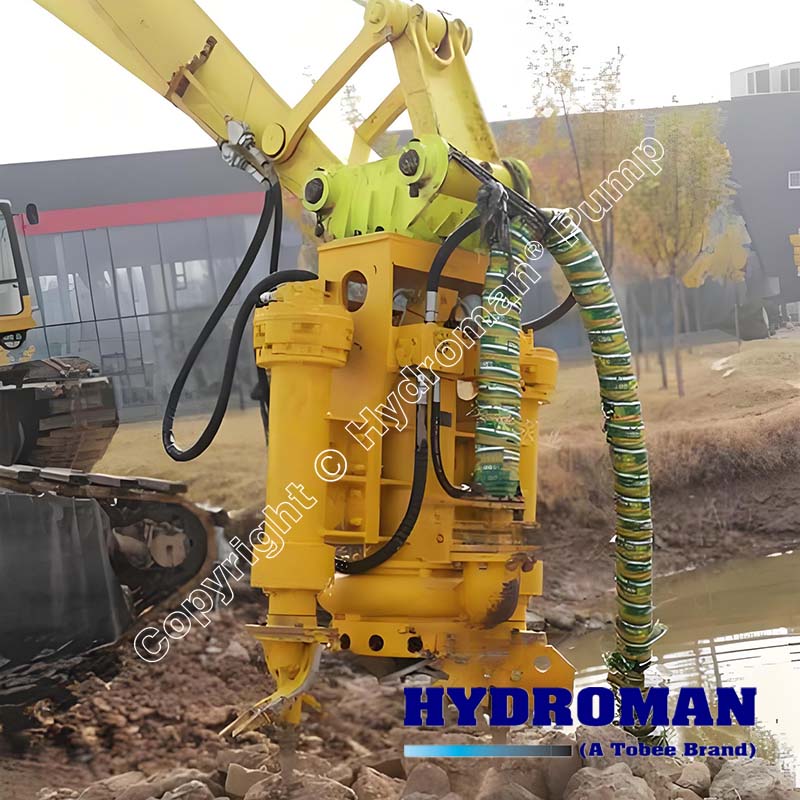
You'll find excavator-mounted hydraulic pumps earning their keep across several industries:
 |  |  |  |
Mining — tailings pumping and mineral slurry transfer, where continuous duty and abrasion resistance matter more than anything else.
| Dredging — river dredging and sand extraction, the classic use case for a hydraulic dredge pump.
| Construction — foundation excavation dewatering and wastewater removal, where you need pumping capability on a site that already has an excavator working. | Environmental Projects — pond cleaning and sludge pumping, especially where access is tight and a dedicated dredge barge isn't practical.
|
Problem 1: Low Pumping Capacity. Usually caused by insufficient hydraulic flow from the carrier or a pump that's simply the wrong size for the job. The fix is to select your pump based on your excavator's actual hydraulic output — not on the biggest pump your budget allows.
Problem 2: Excessive Wear. Abrasive slurry combined with the wrong wetted materials chews through impellers and liners fast. Look for high-chrome alloy construction, a wear-resistant impeller, and replaceable liners so you're swapping a $200 part instead of the whole pump housing.
Problem 3: Hydraulic System Overload. Before you connect any new pump to your excavator, check the pressure rating, motor displacement, and overall hydraulic compatibility. This single check prevents the majority of "why is my hydraulics overheating" calls we get after a pump has already been installed.

Heavy-duty construction.
High-chrome, wear-resistant components built specifically for abrasive slurry — not a generic industrial pump repurposed for dredging.

Wide excavator compatibility. Hydroman pumps are engineered to match CAT, Hitachi, Kawasaki, John Deere, and Komatsu carriers, so you're not locked into a single brand of excavator to run our equipment.

Multiple pump options. Whether you need a hydraulic sand pump, a hydraulic dredge pump, or a hydraulic slurry pump, Hydroman offers a range built around real-world flow and pressure requirements rather than one-size-fits-all sizing.

Customized solutions. Our team supports you through pump selection, hydraulic matching against your specific excavator model, and installation — so the pump you buy is the pump that actually fits your machine and your material.
Can a hydraulic dredge pump be installed on a CAT 320 excavator?
Yes. A CAT 320 excavator hydraulic pump setup is one of the most common configurations we build, and Hydroman hydraulic dredge pumps can be matched to your CAT 320's flow and pressure output for reliable sand and slurry pumping.
What's the difference between an excavator hydraulic pump and an excavator main pump?
The excavator main pump — sometimes called the excavator hydraulic main pump — is the factory piston pump that powers the boom, stick, bucket, swing, and travel functions. An excavator hydraulic pump attachment, like a Hydroman dredge pump, is a separate device that borrows auxiliary flow from that main system to power a hydraulic motor driving a dredge or slurry pump. One runs the machine; the other rides on top of the machine's spare capacity.
What excavator brands are compatible with hydraulic dredge pumps?
CAT, Hitachi, Kawasaki, John Deere, Case, Tata Hitachi, Komatsu, and most other major excavator brands, provided their auxiliary hydraulic flow and pressure are matched correctly to the pump.
How much does an excavator hydraulic pump cost?
It depends on pump size, solids-handling capacity, and construction materials — a small pond-cleaning unit and a heavy-duty mining slurry pump sit at very different price points. Contact Hydroman with your excavator model and application for an accurate quote.
What hydraulic pressure does a dredge pump require?
It varies by pump size, but most mid-to-large excavator-mounted dredge pumps are designed to run within the 280–360 bar range typical of a 12-ton-and-up excavator's auxiliary circuit — in line with the kind of pressure a CAT 320 or Hitachi EX200 hydraulic pump system already produces.
Can an excavator hydraulic pump handle sand and slurry?
Yes — that's precisely what this category of pump is built for. Hydroman's hydraulic dredge, suction, and submersible pumps are engineered around solids-handling capability and wear-resistant construction specifically for sand, mud, and slurry, not clean-water service.
Choosing the right excavator hydraulic pump comes down to evaluating five things together: your excavator's hydraulic power output, the material you're pumping, your flow requirements, your discharge distance, and your operating conditions. Get those five right, and you'll have a pump that runs reliably shift after shift instead of one that fights your hydraulic system.
Hydroman provides heavy-duty excavator-mounted hydraulic dredge pumps designed for mining, dredging, sand pumping, and slurry handling applications — matched to your excavator, not the other way around. Reach out with your excavator make and model, and our team will help you spec the right pump the first time.
 Sara Liang
 +86 189 3110 6396 (Whatsapp/Wechat)
 Inquiry@tobeepump.com
Submitted successfully
Your submission has been received. Thanks for your time

 FR(EUR)
 CN(CNY)
 GB(GBP)
 AU(AUD)





Reviews
0%
0%
0%
0%
0%
Share your thoughts with other customers
Write a Review