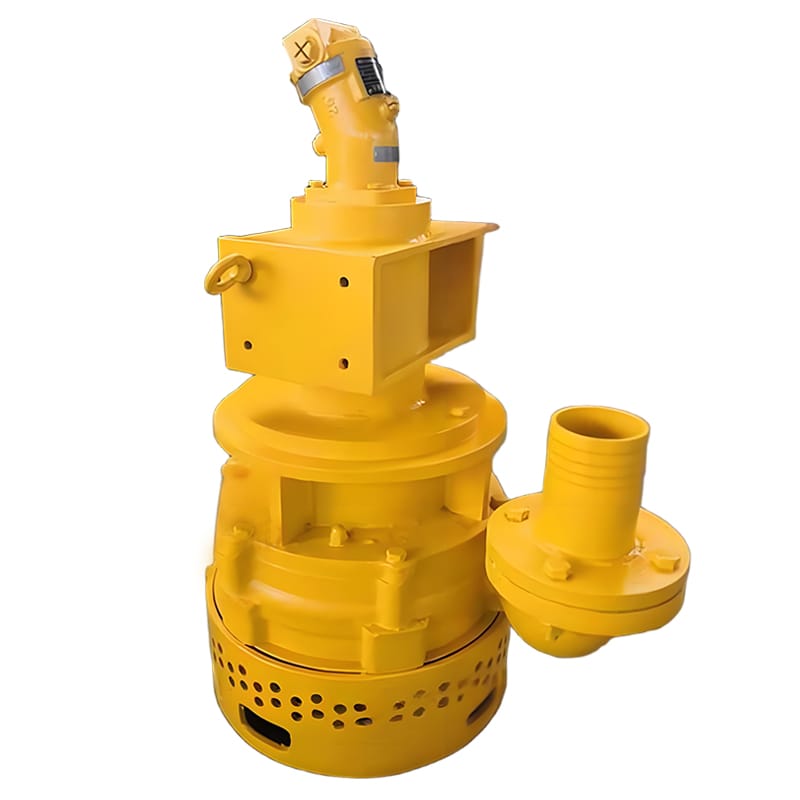
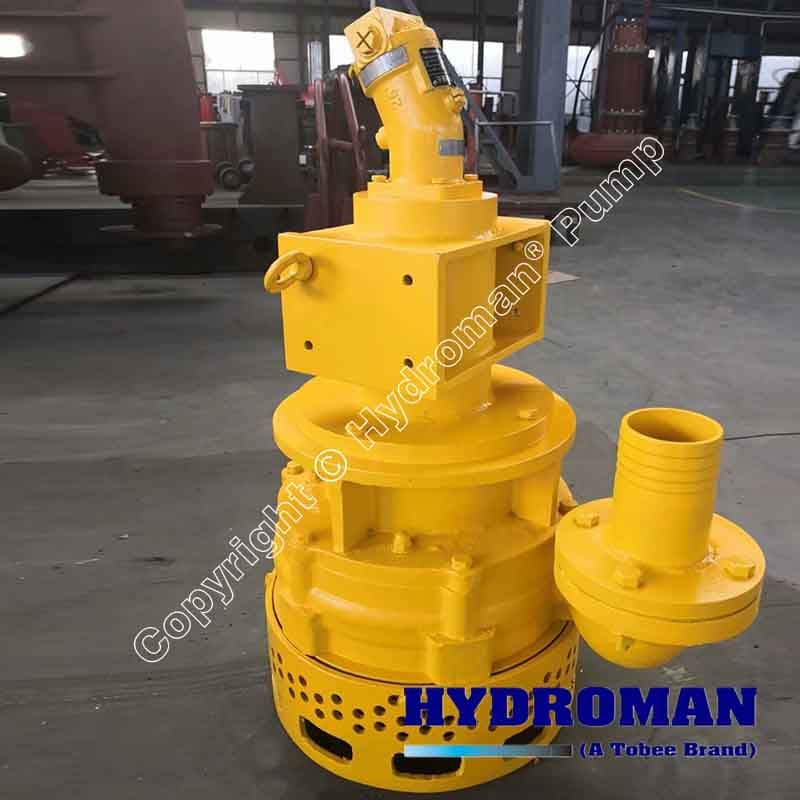
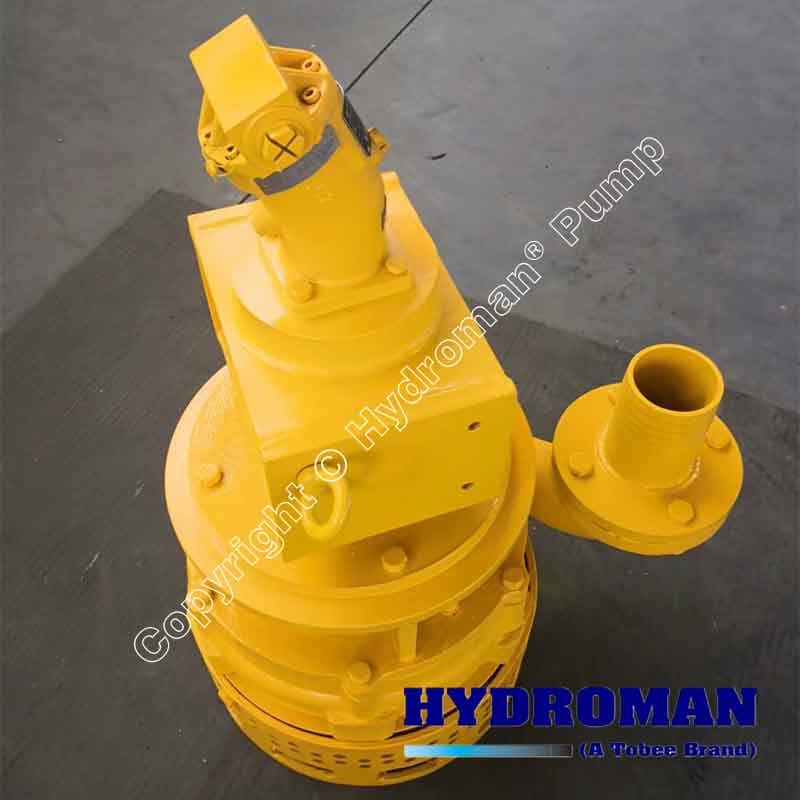
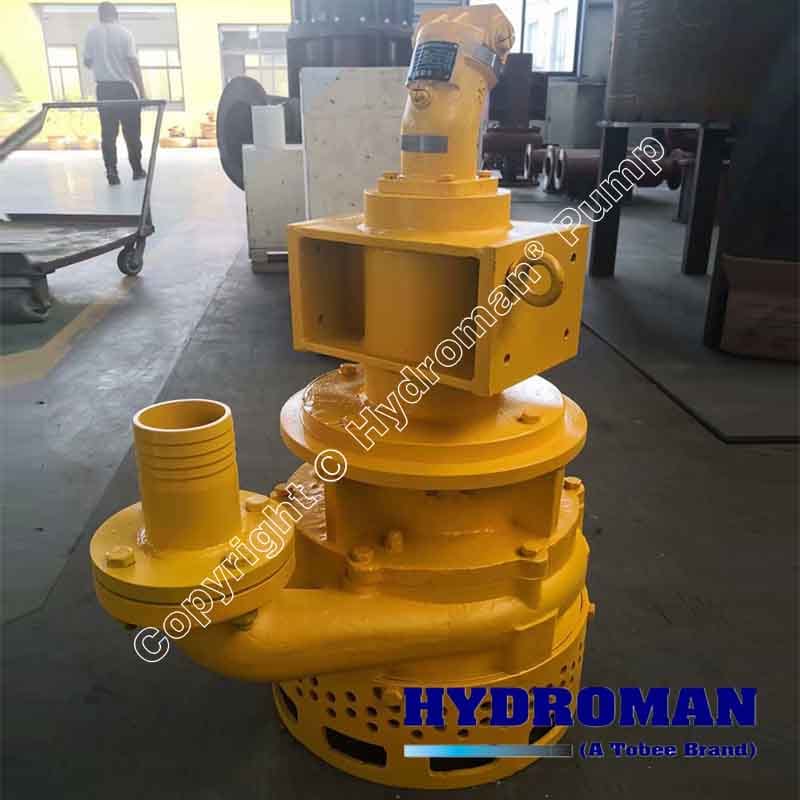
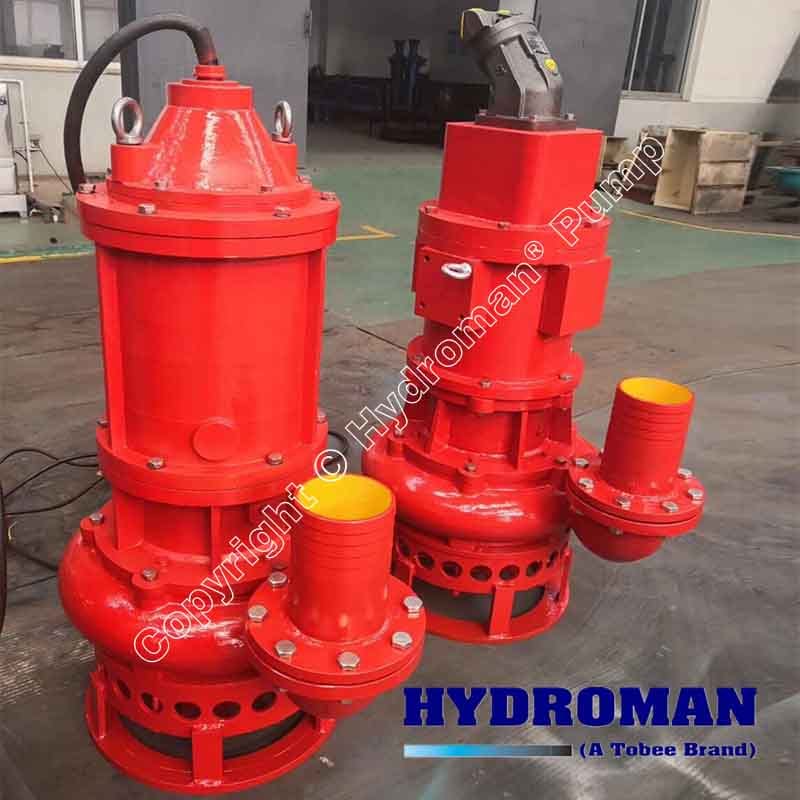
If you've ever watched a brand-new trash pump choke on mine sludge within its first week, you already know why this page exists. You're not looking for a generic 3 inch water pump — you're looking for something that survives sand, slurry, and 12-hour shifts without a generator running it. That's exactly what the Hydroman 3 inch hydraulic sewage pump was built to do.
Gold ore processing generates an enormous amount of water-borne waste. Depending on the deposit, mills typically run at a solids concentration of roughly 30–45% by weight through flotation and leaching circuits, and tailings discharged to ponds commonly carry a slurry density between 1.2 and 1.5 specific gravity, loaded with fine sand, clay, and residual reagent sludge. Particle sizes in tailings water often range from sub-micron clay fractions up to coarse sand above 1mm — exactly the mixed-grain abrasive load that destroys standard centrifugal pumps within weeks.
On most sites, the pain points look the same: impellers clog on stringy sludge, wear rings open up from sand erosion within a single season, and there's no reliable grid power anywhere near the settling pond or the pit floor. A diesel generator and an electric submersible pump can work for a while, but fuel logistics, cable runs, and electrical safety in a wet pit add cost and risk that most mine operators would rather avoid.
This is the gap a hydraulic sewage pump is built to close — power straight from machinery you already have on site, with a pump end designed around solids instead of clean water.
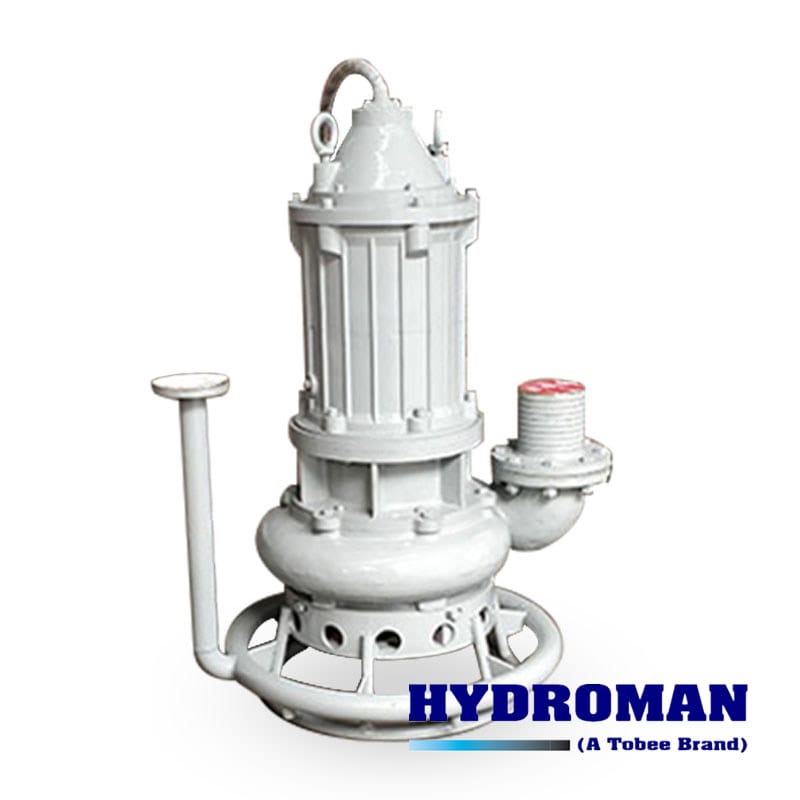
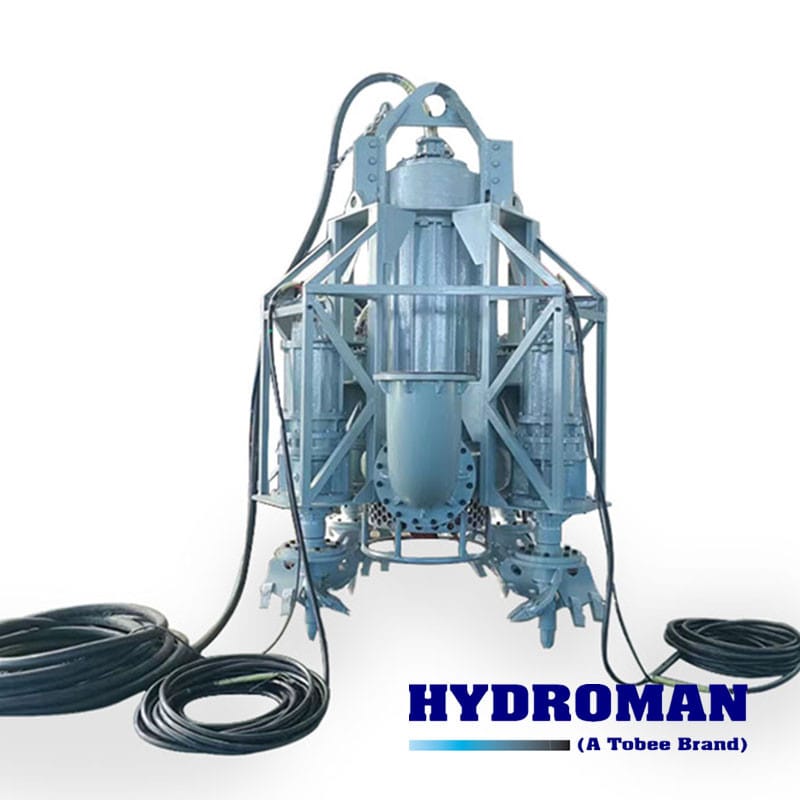
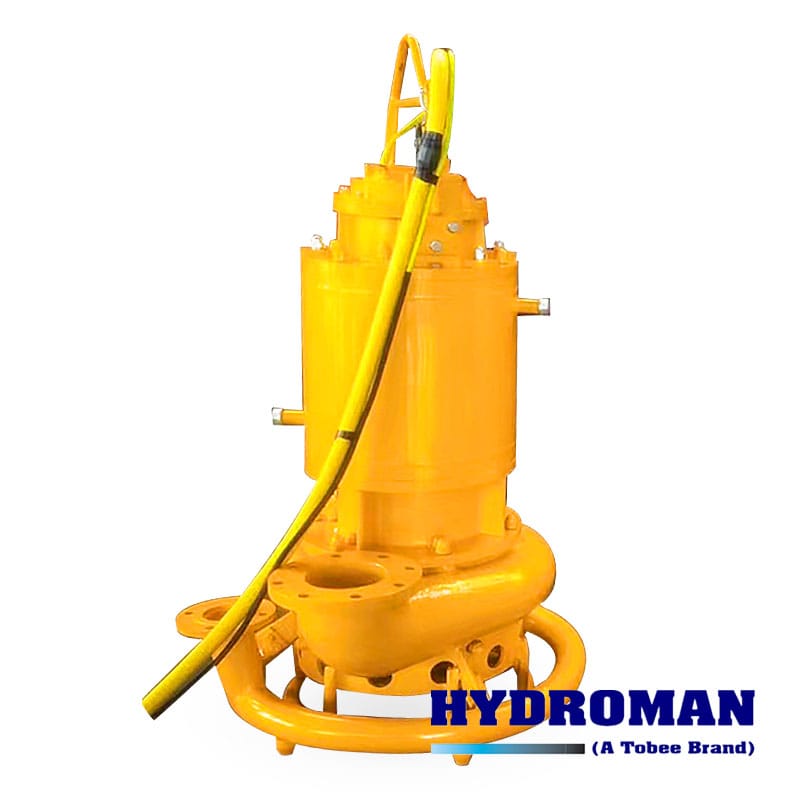
A hydraulic sewage pump uses a hydraulic motor instead of an electric motor to drive the impeller. Hydraulic oil — supplied by an excavator's auxiliary circuit, a stand-alone power pack, or a mobile hydraulic unit — spins the pump shaft directly. There's no electrical cable in the water, no transformer, no generator standing by the pond edge. You get pumping power anywhere your hydraulic equipment can reach, which on a mine site is almost everywhere.
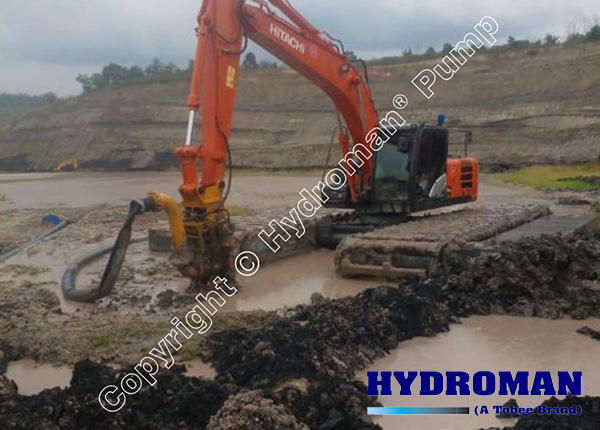
For gold mining specifically, that mobility solves three problems at once: it lets you reposition the hydraulic submersible pump as the pit advances, it removes electrocution risk in a flooded work area, and it lets the same excavator that's digging the settling pond also drive the pump dewatering it.
| Industry | Gold Mining |
|---|---|
| Location | West Africa |
| Application | Mine wastewater transfer and settling pond drainage |
| Pumping Medium | Wastewater, fine sand, mining sludge, abrasive solids, tailings residue |
The mining company running this site had already cycled through several conventional water pumps. Frequent blockages, fast-wearing impellers, and pump failures during continuous shifts were eating into uptime, and the settling ponds sat far enough from the grid that running electrical cable wasn't realistic. They needed a hydraulic sewage pump that could handle solids-laden wastewater without babysitting.
Before selecting a pump, Hydroman engineers reviewed the site's operating conditions to ensure reliable long-term performance rather than simply matching outlet size. The mine required a pumping solution capable of handling abrasive wastewater continuously while operating from an excavator's hydraulic system.
| Operating Parameter | Site Condition |
|---|---|
| Industry | Gold Mining |
| Pumped Medium | Wastewater mixed with fine sand, sludge and tailings |
| Estimated Solids Content | 15–20% by volume |
| Maximum Particle Size | Up to 15 mm |
| Required Flow Rate | Approximately 80 m³/h |
| Discharge Distance | 180–220 m |
| Hydraulic Power Source | Excavator auxiliary hydraulic circuit |
| Operating Schedule | 10–12 hours per day |
| Installation Method | Portable excavator-mounted pumping system |
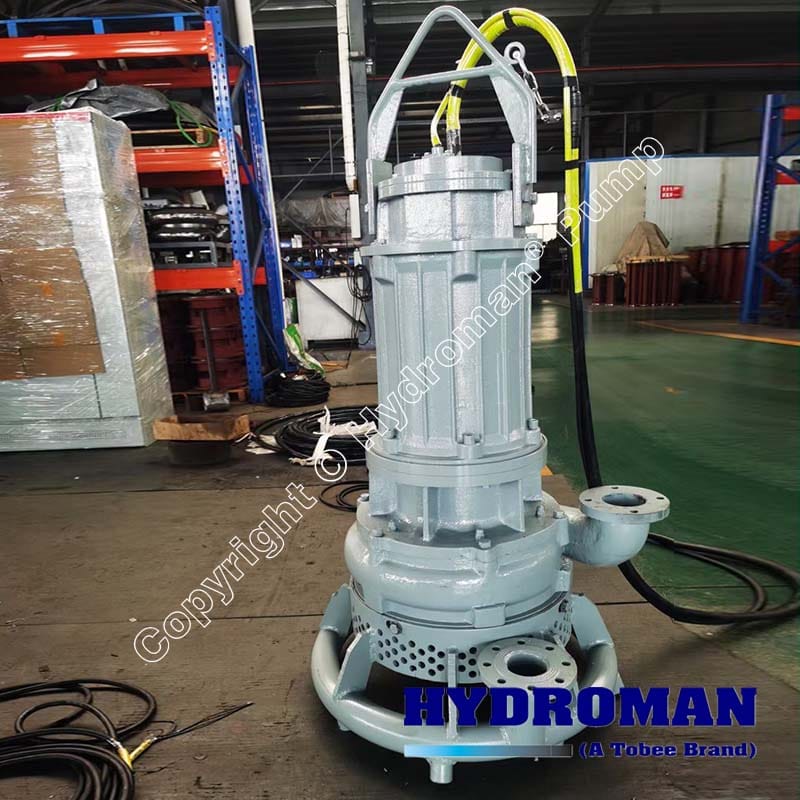
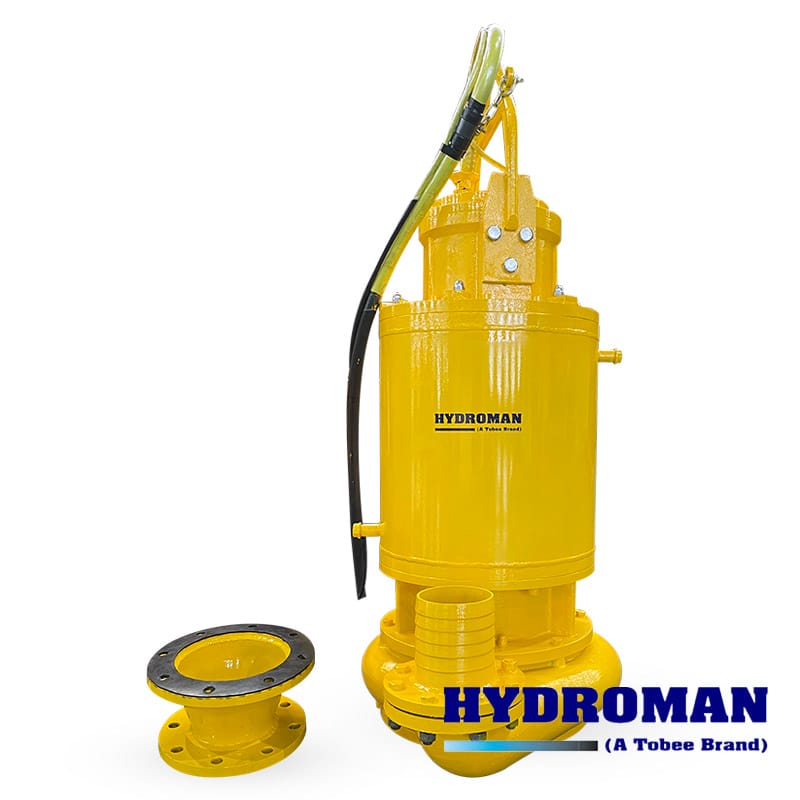
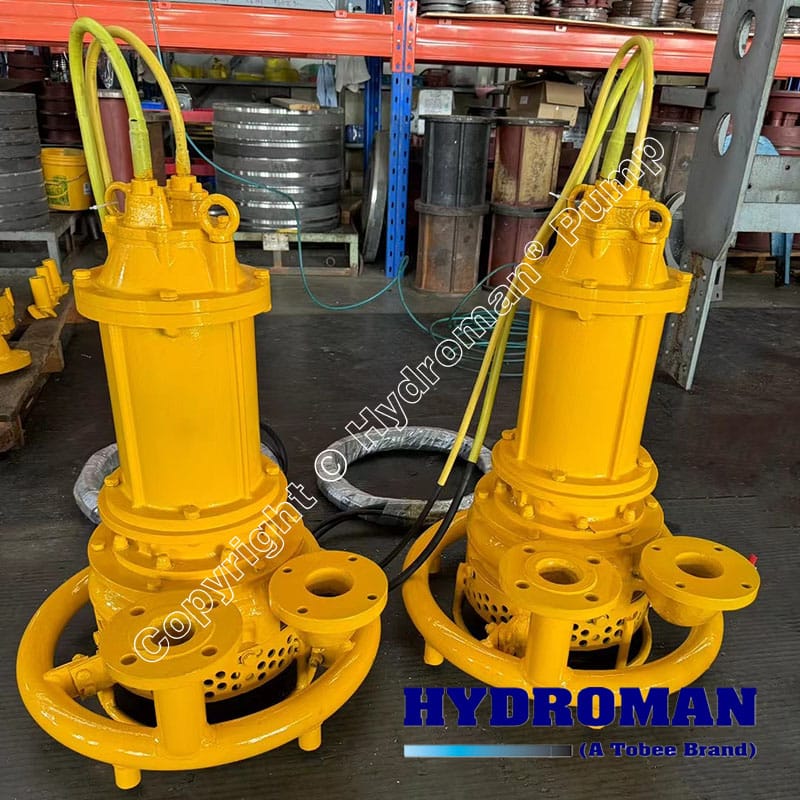
Based on these conditions, Hydroman recommended a 3 inch hydraulic sewage pump with abrasion-resistant high chrome wetted components to ensure reliable operation under continuous mining conditions.
 |
|
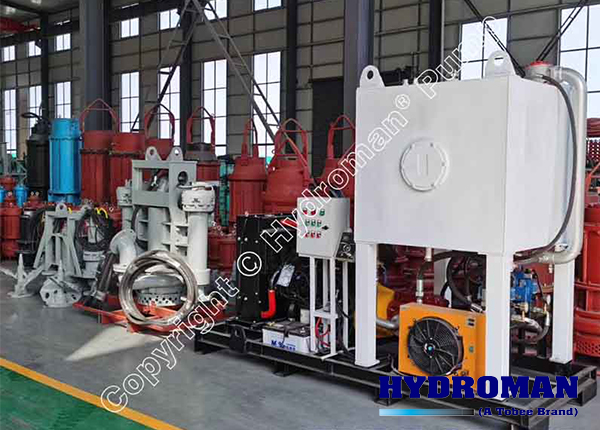
Hydraulic-driven, no electrical infrastructure required
The pump runs directly off the excavator's hydraulic auxiliary circuit, a portable hydraulic power pack, or a mobile hydraulic unit — so the team could deploy it the same day, without trenching cable or staging a generator. | Solids handling that goes beyond a typical trash pump
Mining sludge, fine sand, tailings, abrasive slurry and suspended-solids wastewater all pass through without the clogging that a standard 3 inch trash pump or submersible sump pump would struggle with on the same medium. |
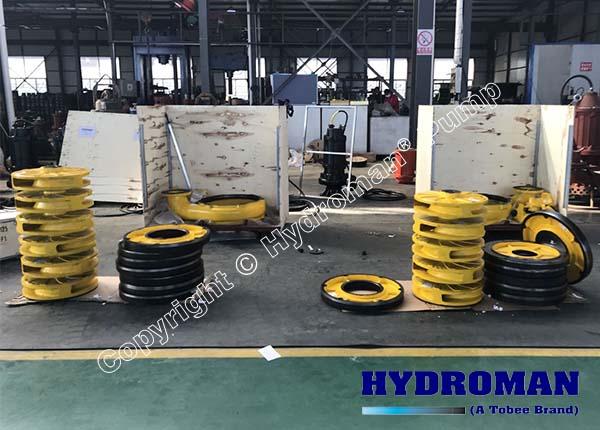 |  |
High-chrome wear components
The wetted parts — impeller, wear plate, casing liner — are cast from high-chrome alloy, which holds up to abrasive slurry far longer than the cast iron or stainless trim found in most off-the-shelf 3 inch submersible pumps. | Mounts the way mine sites actually work
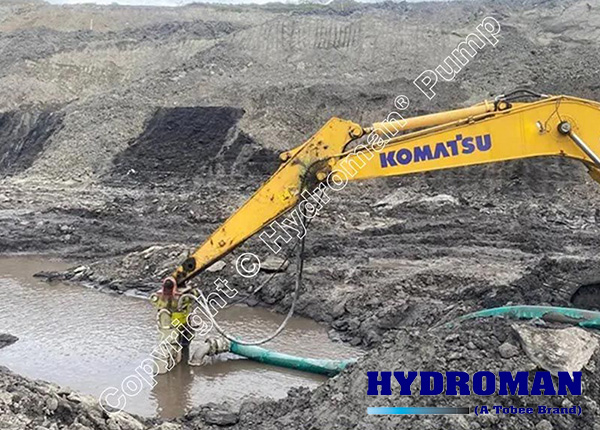
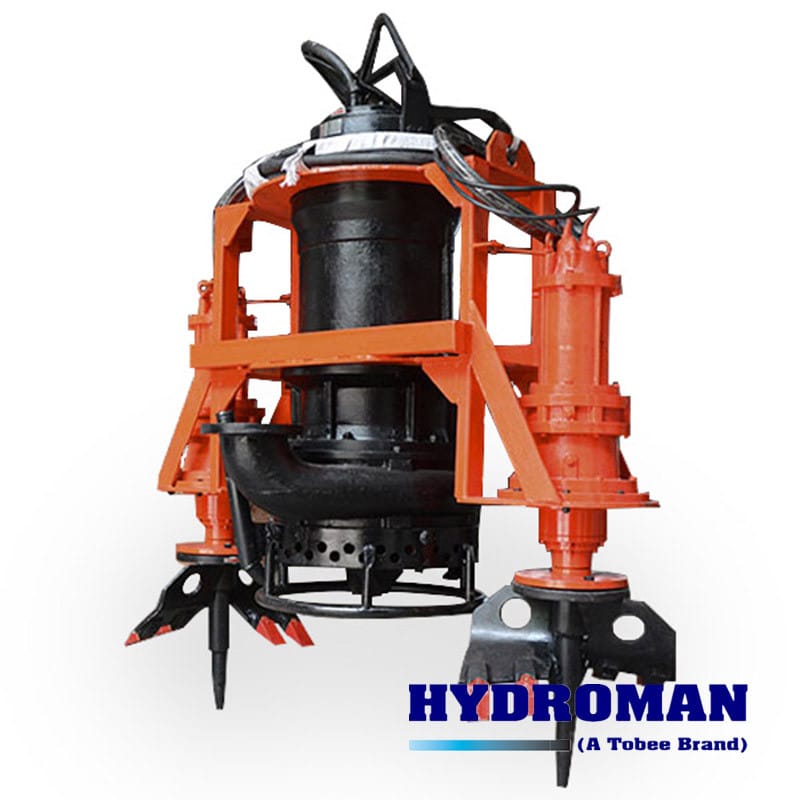
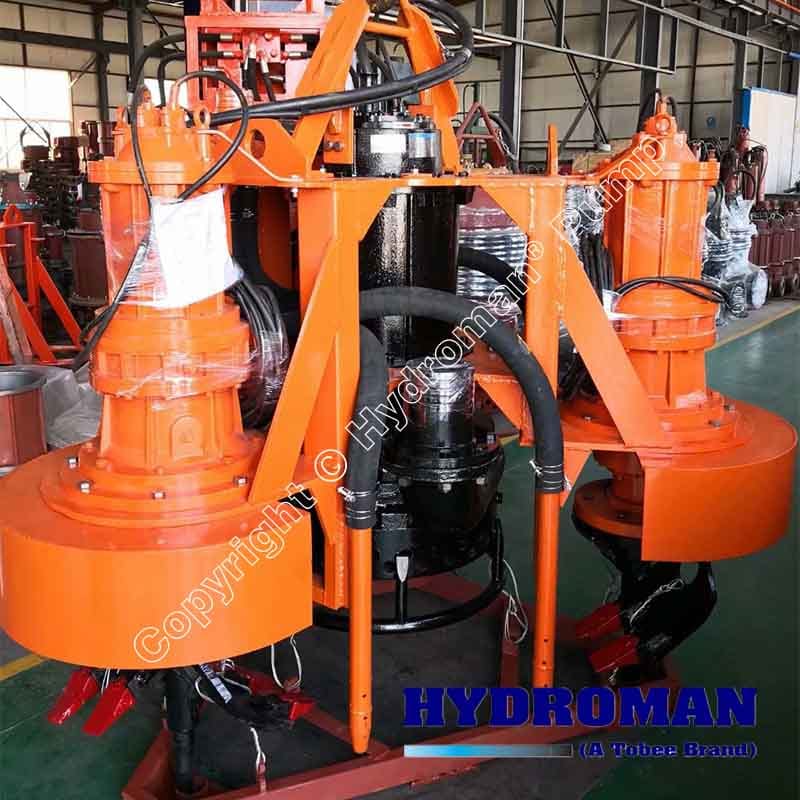
Excavator-mounted, barge-mounted, on a floating platform, or sitting on a portable skid — the same pump body adapts to whichever setup the site needs that week. |
Strip away the marketing language and a mine operator really only cares about a handful of things: does it clog, does it wear out, can it run all shift, and can it be moved tomorrow. Here's how the Hydroman 3 inch hydraulic sewage pump answers each one.
| Feature | What it means on site |
|---|---|
| High-efficiency hydraulic motor | Stable flow and pressure even when the slurry density spikes mid-shift |
| Non-clogging impeller geometry | Open, vortex-style or semi-trash passage that lets stringy sludge and debris pass instead of wrapping around the vanes |
| Abrasion-resistant high-chrome wet end | Hardness in the HRC 58–62 range on key wear parts, extending service life against fine sand and grit |
| Compact 3 inch (80mm) outlet design | Light enough to carry into confined mining areas, no crane required |
| Continuous duty rating | Built for long working hours, not intermittent residential use |
| Low-maintenance construction | Fewer wear-related teardown cycles, less downtime booked against production |
| Item | Value |
|---|---|
| Outlet Size | 80mm (3 inch) |
| Max Flow | 50 m³/h |
| Max Head | 40m |
| Solids | 30mm |
| Hydraulic Oil Flow | 42 L/min |
| Pressure | 16 Mpa |
| Pump Type | Hydraulic Sewage Pump |
| Application | Wastewater & Sludge Transfer |
| Material | High Chrome Alloy (key wetted parts) |
| Installation | Portable / Excavator Mounted / Skid / Barge / Floating Platform |
| Industry | Gold Mining, Mineral Processing, Dewatering |
Exact flow rate, head, and hydraulic oil supply requirements (LPM and bar) vary by power pack and excavator auxiliary circuit — Hydroman engineers size each unit against your equipment's available hydraulic flow rather than a one-size-fits-all curve, which is why a quick spec check before ordering saves a lot of headaches later.
After switching to the Hydroman 3 inch hydraulic sewage pump, the mining customer reported a noticeably different rhythm on site. Pumping ran continuously without the repeated clogging that had been routine with their previous units, and maintenance intervals stretched out compared to conventional pumps — fewer teardowns, fewer replacement parts. Wastewater moved out of the settling ponds and pits faster, which kept the dewatering schedule from backing up the rest of the operation. Operating costs came down as parts consumption and labor both dropped, and because the pump runs on hydraulics, it could be repositioned to remote areas of the site with no electrical power at all.
Not every water pump is designed for mining. A standard centrifugal water pump may perform well when transferring clean water, but gold mining wastewater is a completely different medium. Fine silica sand, abrasive particles, flotation residue, and sludge create severe wear that quickly shortens the service life of conventional pumps.
A dedicated gold mining pump is engineered specifically for these demanding conditions. Hydroman combines a heavy-duty hydraulic drive system with high-chrome wear-resistant components, allowing the pump to transport abrasive slurry while maintaining stable performance during continuous operation.
Unlike many standard 3 inch water pumps or trash pumps, the Hydroman gold mining water pump can be powered directly by an excavator or hydraulic power pack. This provides excellent mobility for remote mining sites where electrical infrastructure is unavailable or difficult to install.
Whether the application involves mine dewatering, wastewater transfer, settling pond cleaning, or tailings management, choosing a professional gold mining pump helps reduce downtime, minimize maintenance, and improve overall pumping efficiency.
While this case study is gold mining, the same pump end shows up across a few adjacent jobs:
A lot of buyers searching for a 3 inch submersible pump, 3 inch submersible well pump, or 3 inch submersible pump 110v are really trying to solve a power and solids problem, not specifically asking for "submersible." Here's the honest comparison.
| Hydroman 3" Hydraulic Sewage Pump | Typical 3" Electric Submersible Trash Pump | |
|---|---|---|
| Power source | Excavator/power pack hydraulics — no grid or generator needed | Requires generator or mains power, plus submerged electrical cable |
| Solids handling | High-chrome wet end, built for sludge/tailings/abrasive slurry | Usually cast iron, wears quickly on fine sand and grit |
| Mobility | Moves wherever hydraulic equipment can reach | Limited by cable length and power source location |
| Best fit | Mining, dredging, remote sites, abrasive slurry | Light-duty dewatering, clean-ish water, sites with grid access |
If your wastewater is mostly clear and your site already has reliable power, a standard 3 inch submersible water pump may be the cheaper, simpler answer. If you're moving sludge, sand, or tailings somewhere without grid power, that's the gap Hydroman's hydraulic line is built for.
Hydroman has spent years building pumps specifically for abrasive and solids-laden environments — dredging, mining, and industrial wastewater are the daily work, not an afterthought. That focus shows up in hydraulic-driven operation across the lineup, heavy-duty construction rated for continuous duty, excellent solids handling capability, long service life on high-wear components, worldwide technical support, custom configurations on request, and excavator-driven solutions built around equipment you already own.
 | Designed specifically for abrasive mining applications |  | High chrome wear components |  | Excavator hydraulic driven |  | OEM customization |
 | Spare parts available |  | Engineering support |  | 60+ countries served |  | Fast delivery |  | Technical sizing assistance |
Selecting the correct hydraulic sewage pump involves much more than choosing a 3 inch outlet size. Mining wastewater varies significantly depending on the ore, processing method, and site conditions, so proper pump sizing is essential for long-term reliability.
Identify whether the liquid contains wastewater, sludge, tailings, sand, gravel, or abrasive slurry. Higher solids concentrations generally require more wear-resistant pump materials.
Calculate the required flow rate (m³/h), discharge height, and pipeline length. These factors determine the hydraulic power needed and influence overall pump performance.
When selecting a hydraulic sewage pump, check the hydraulic oil flow (L/min), working pressure (bar), and available power from the excavator or hydraulic power pack. Matching the pump to the hydraulic system ensures maximum efficiency.
Particle size has a direct impact on impeller design and wear life. Pumps handling coarse sand or mining sludge should feature large passages and abrasion-resistant wetted components.
For abrasive mining applications, high chrome alloy is generally recommended for impellers, casing liners, and wear plates because of its superior resistance to erosion compared with standard cast iron.
A pump designed for easy maintenance can significantly reduce downtime. Hydroman pumps are engineered with replaceable wear parts and service-friendly construction to minimize maintenance time in remote mining locations.
If you are unsure which hydraulic sewage pump is best for your project, Hydroman engineers can recommend a suitable configuration based on your application, hydraulic system, solids content, and operating conditions.
A hydraulic sewage pump uses hydraulic power — supplied by an excavator, power pack, or mobile hydraulic unit — instead of electricity to transfer wastewater, sludge, and solids-containing liquids.
Mining sites often lack reliable grid power near pits and ponds. A hydraulic pump runs off equipment already on site, handles abrasive tailings and sludge better than standard pumps, and can be repositioned as work progresses.
Yes. The wet end is built around high-chrome alloy components specifically for abrasive sludge, sand, and tailings-laden wastewater, not just clear water.
Yes — the pump can be powered directly from an excavator's auxiliary hydraulic circuit, which is how most of Hydroman's mining customers run it.
Hydroman offers custom configurations covering materials, flow rates, and mounting options based on your specific application and available hydraulic supply.
A standard sewage lift pump typically uses an electric motor to push wastewater up to a gravity sewer line in municipal or residential settings. Hydroman's hydraulic version applies the same lifting principle but swaps the electric motor for a hydraulic one and beefs up the wet end, so it survives mining-grade solids instead of just municipal effluent.
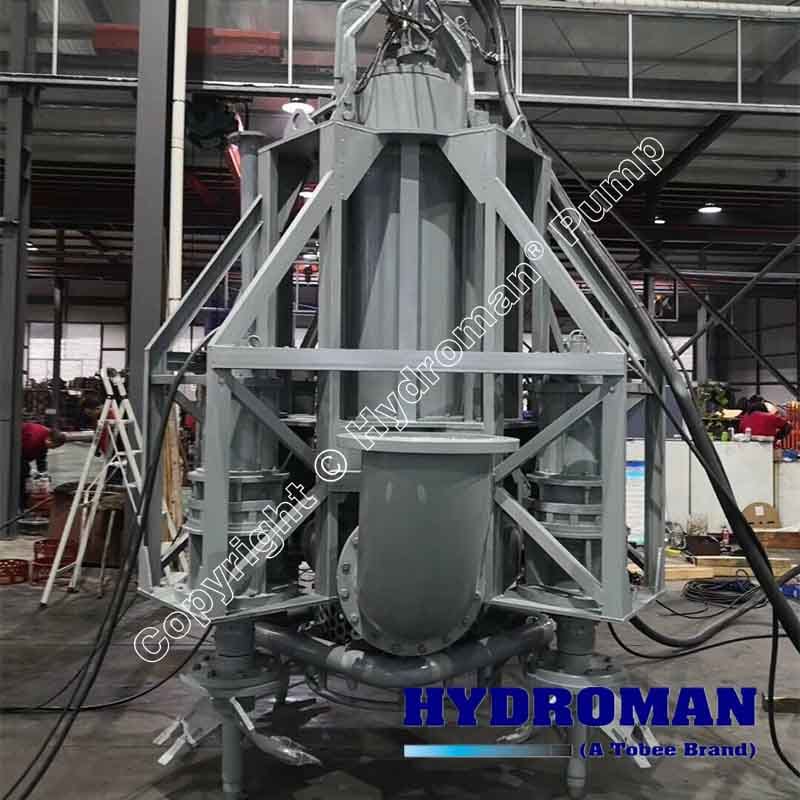
Yes. The pump is designed to handle high-density slurry containing sand, gravel, sludge, and fibrous materials. Optional cutter systems improve performance in clogging conditions.
It can be powered by an excavator hydraulic system or an external hydraulic power pack. The required pressure and flow depend on pump configuration.
The pump can handle slurry with up to 60–70% solids concentration depending on application conditions.
Yes. The pump is fully submersible and designed for continuous underwater operation in mining and dredging environments.
It is widely used in mining, dredging, construction dewatering, and municipal sewage systems.
Whether you need a gold mining pump, a hydraulic sewage pump, a mine dewatering pump, or a sludge transfer solution, Hydroman's engineers can size the right configuration against your hydraulic supply and your site conditions. Contact us with your application details and we'll come back with technical recommendations, sizing, and a quote.
 Sara Liang
 +86 189 3110 6396 (Whatsapp/Wechat)
 Inquiry@tobeepump.com
Submitted successfully
Your submission has been received. Thanks for your time

 FR(EUR)
 CN(CNY)
 GB(GBP)
 AU(AUD)






Reviews
0%
0%
0%
0%
0%
Share your thoughts with other customers
Write a Review