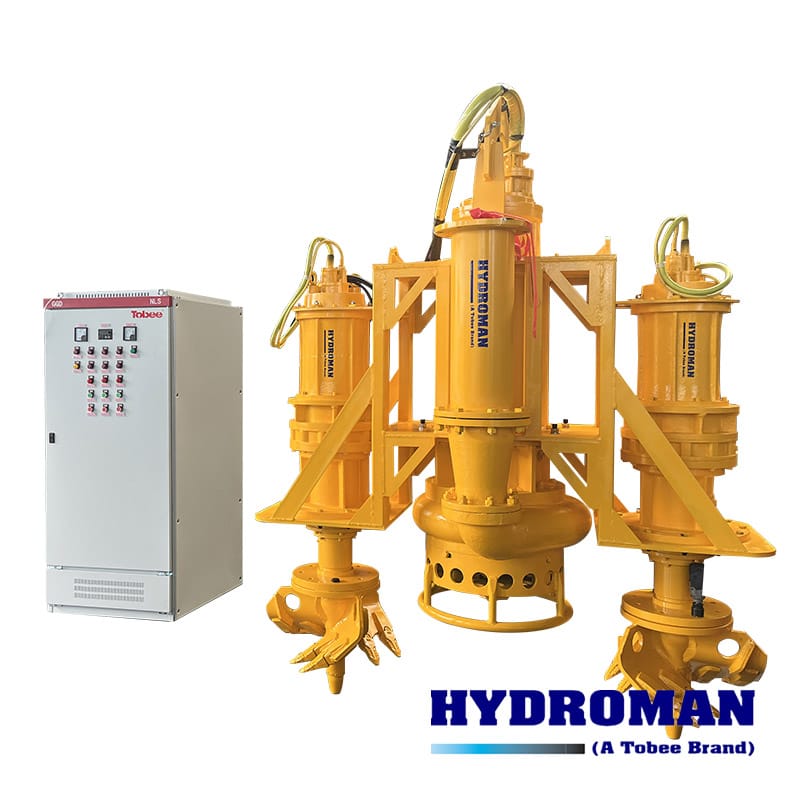
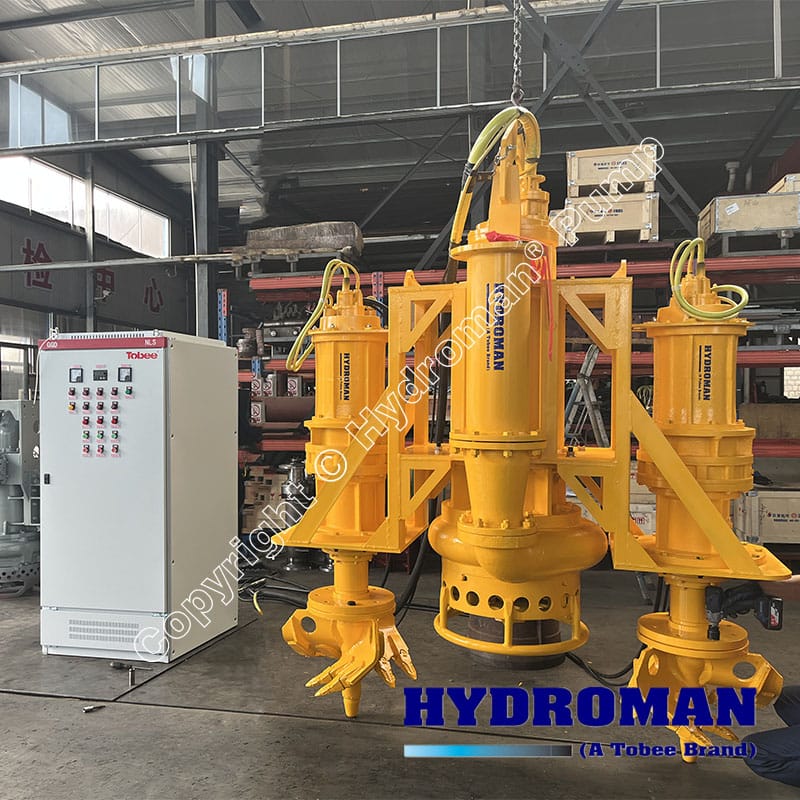
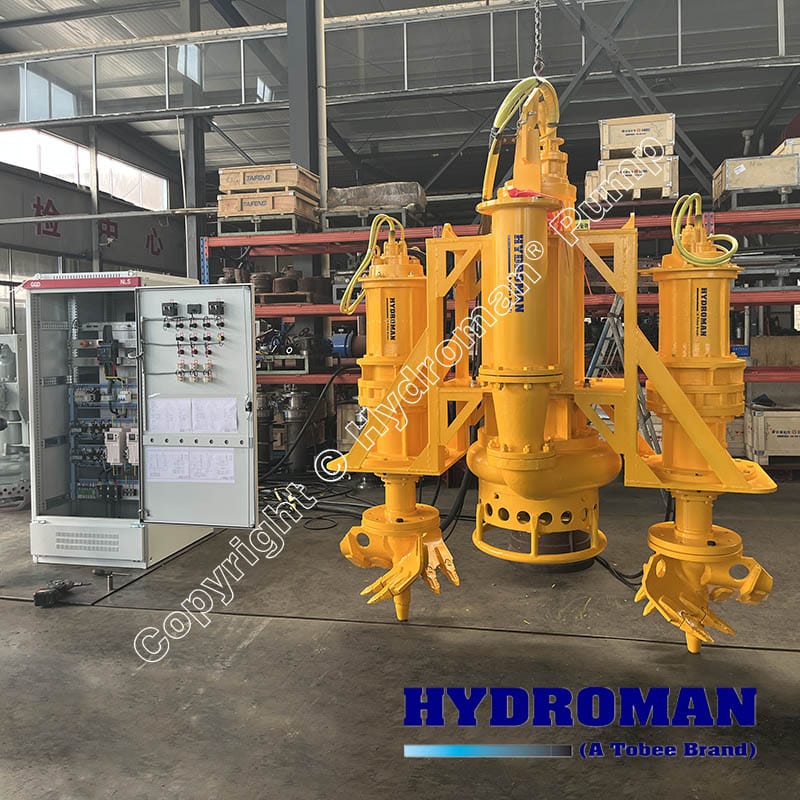
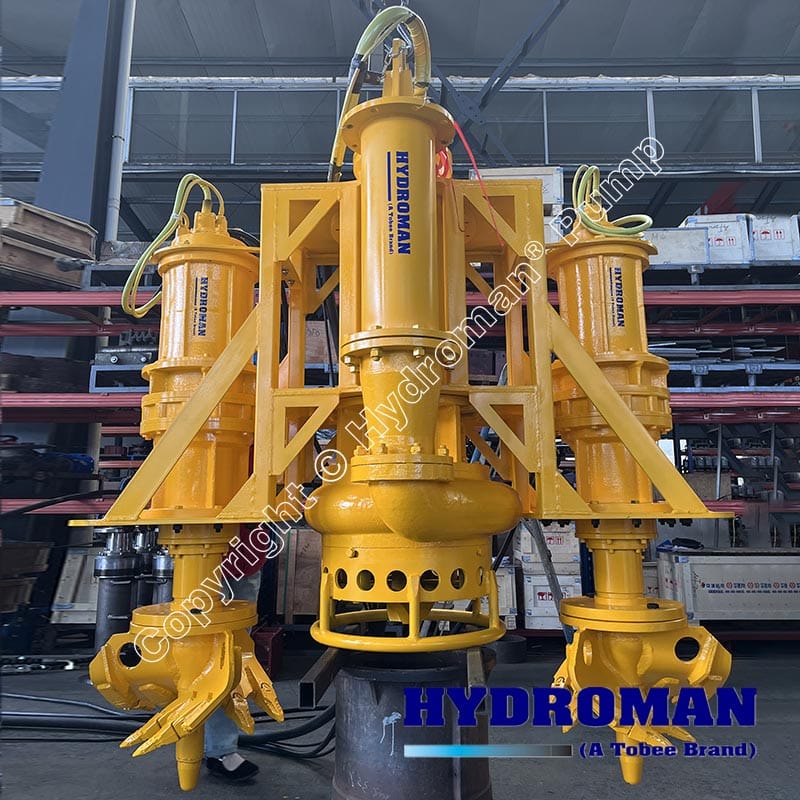
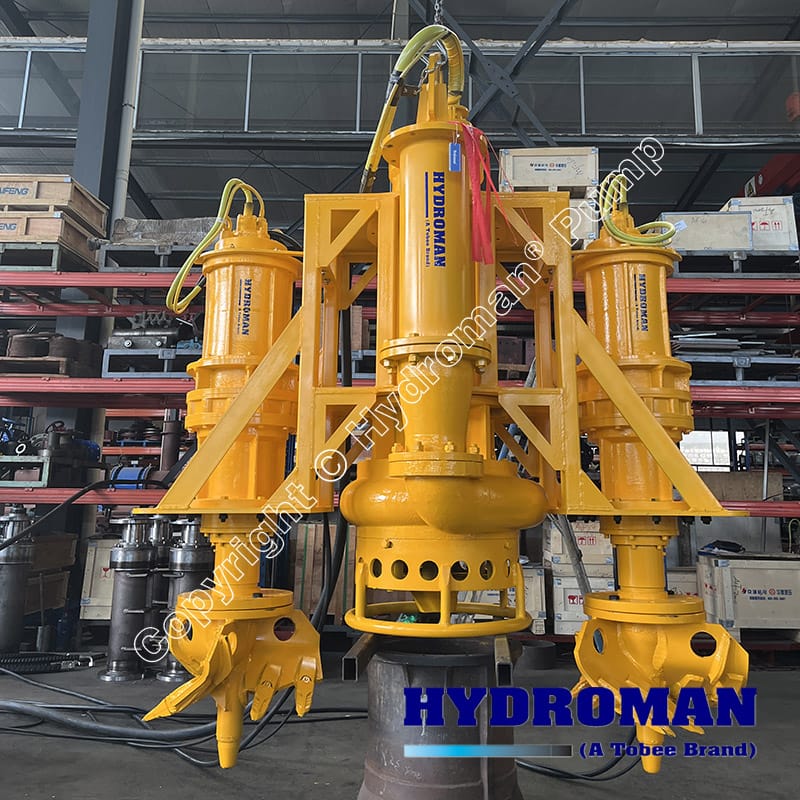
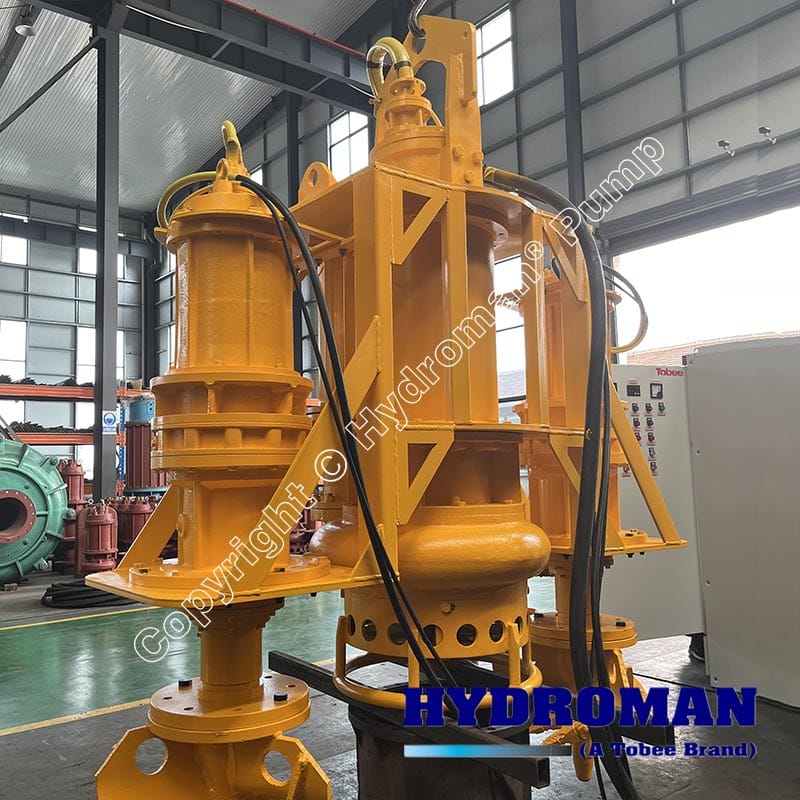
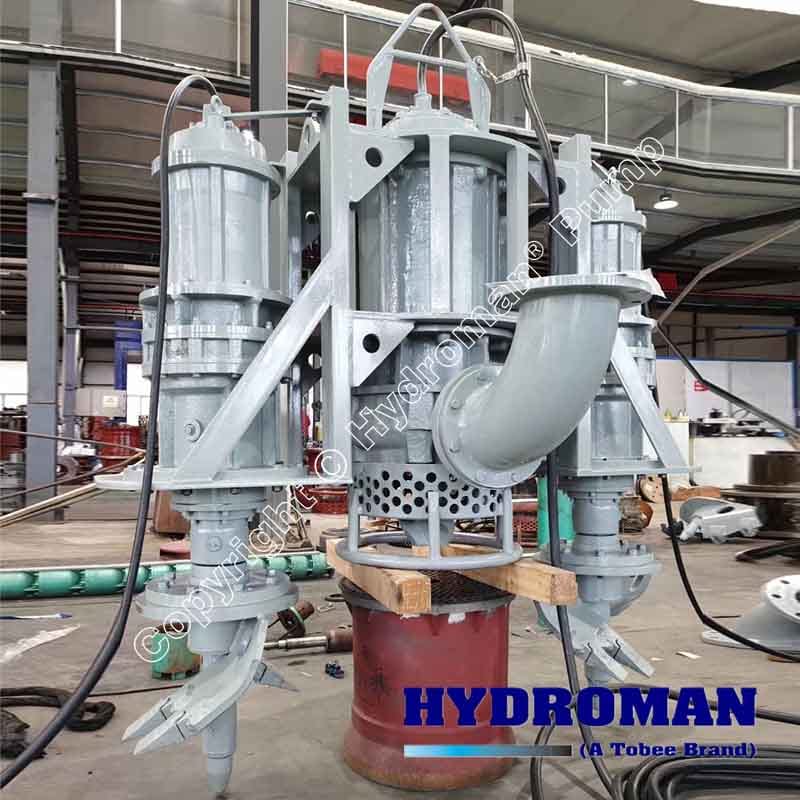
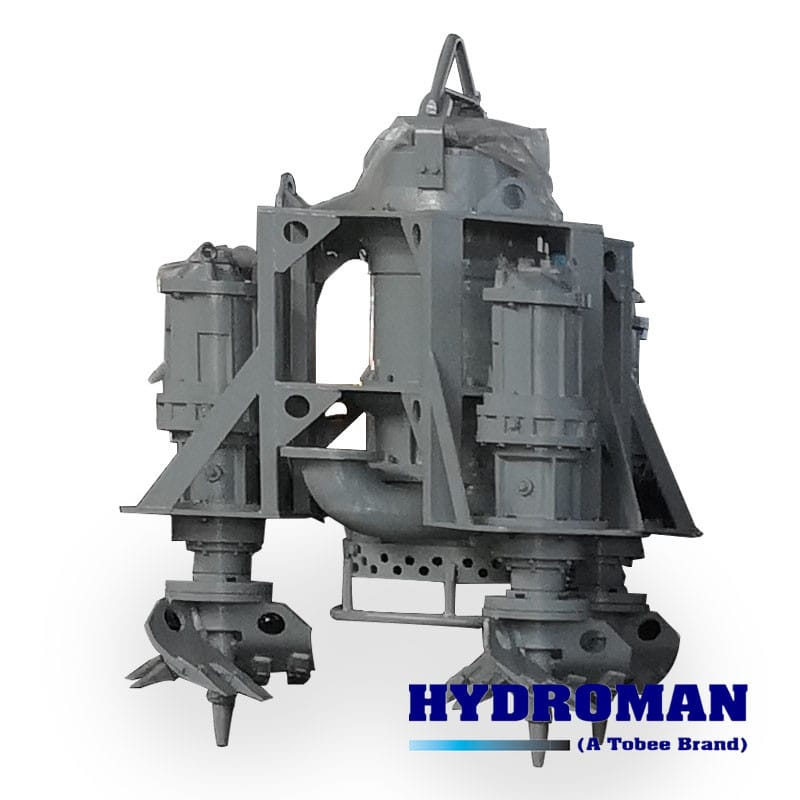
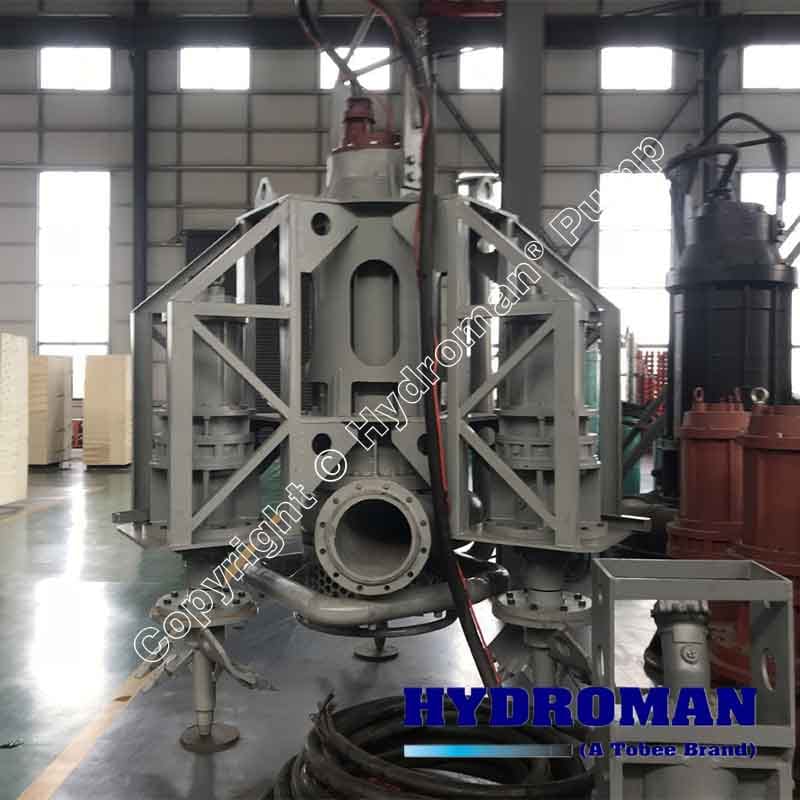
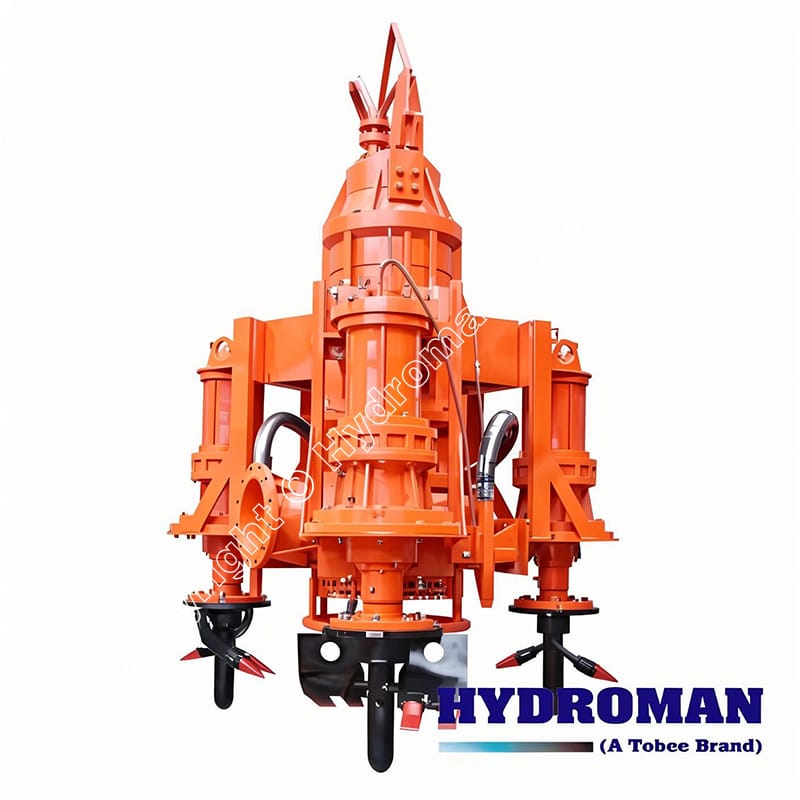
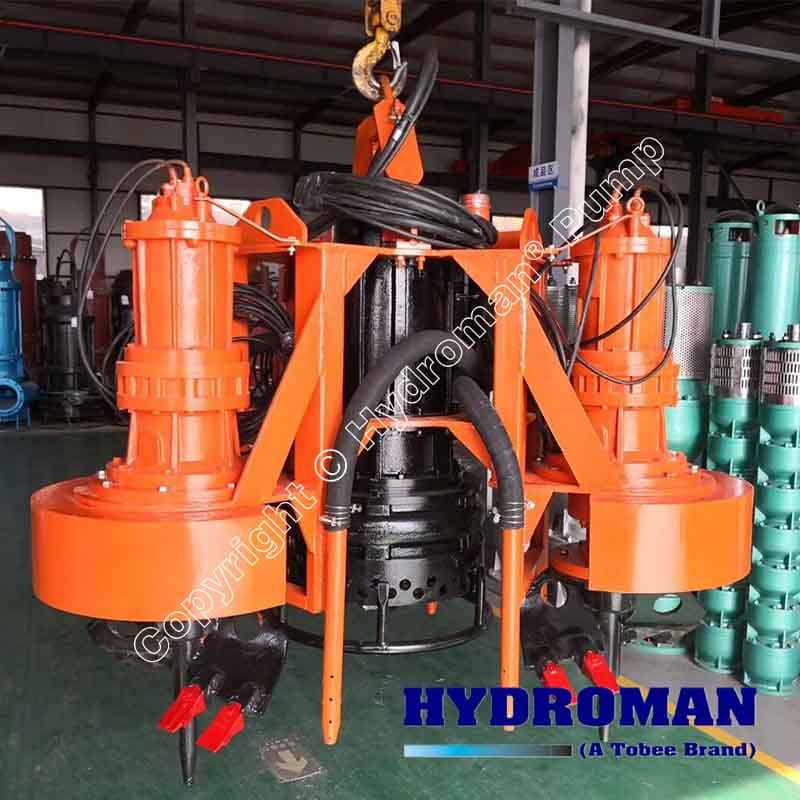
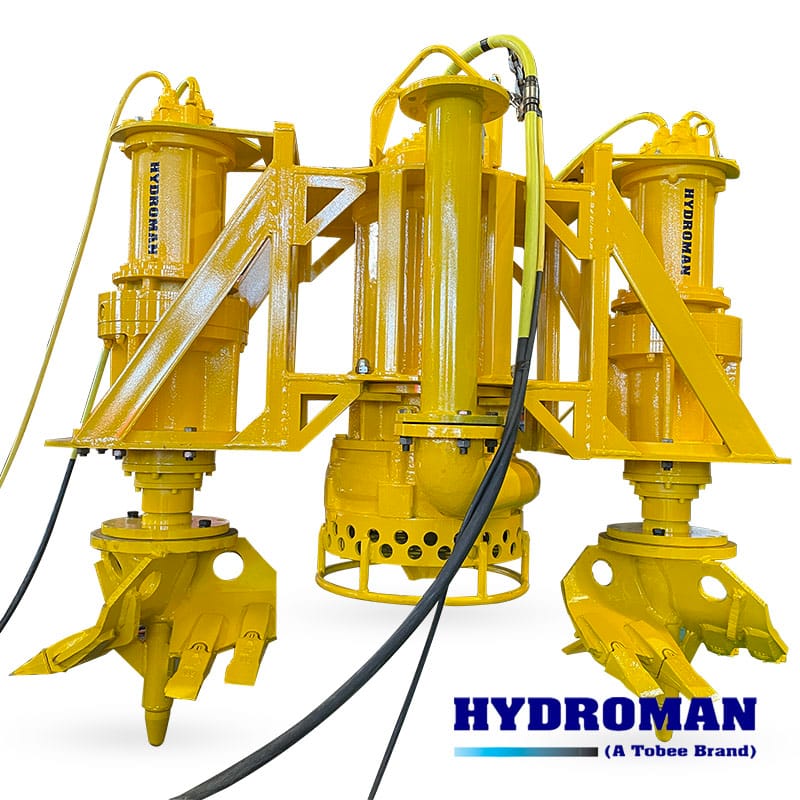
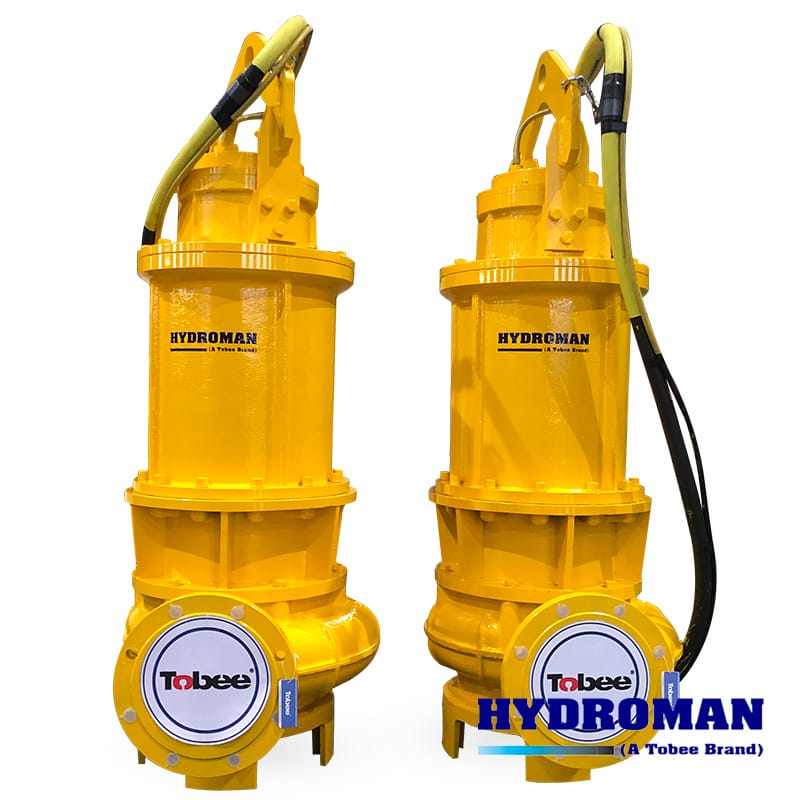
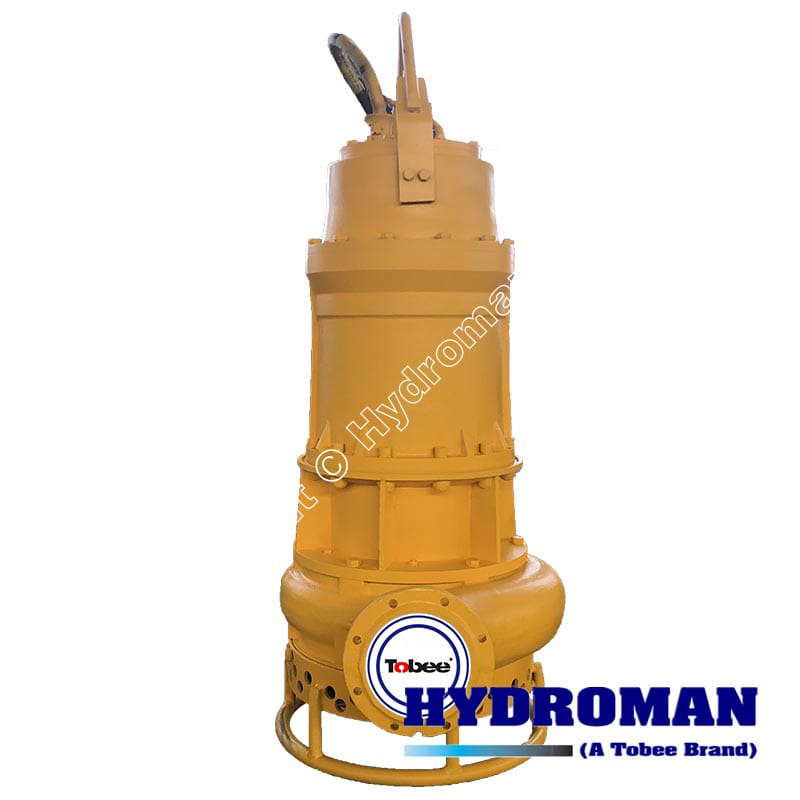
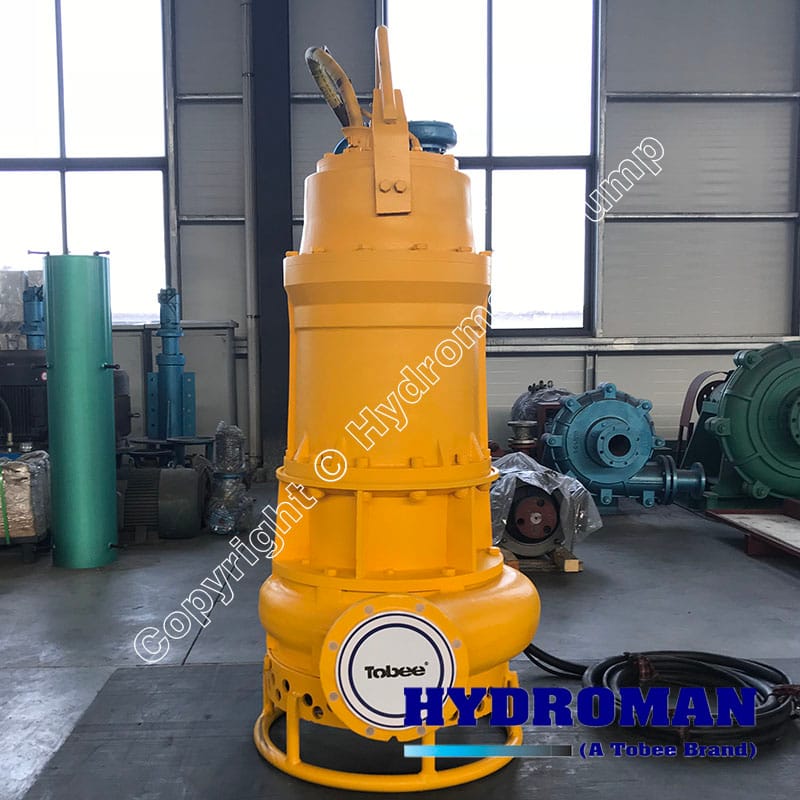
Hydroman® sedimentation management submersible pump is designed for sediment-related operations. 8 inch TJQ submersible pump has the maximum capacity of 780m3/h, the maximum total head of 64m and the maximum allowable particle size of 32mm. Hydroman® this type pumps are submerged under the water, and through the powerful suction funtion, it integrates a motor and a pump and pumped the sediment at the bottom of the river, lake, dam etc.
| ▪ Tailings Management | ▪ Dewatering | ▪ Mineral Extraction | ▪ River/Lake Maintenance |
| ▪ Harbor Dredging | ▪ Pond & Lagoon Cleanout | ▪ Foundation Dewatering | ▪ Slurry Wall Construction |
| ▪ Tunnel Boring | ▪ Settling Tank Desludging | ▪ Fly Ash Handling | ▪ Chemical Slurry Transfer |
| ▪ Sand Mining | ▪ Gravel Washing | ▪ Canal Desilting | ▪ Manure Management |
| ▪ Drilling Mud Circulation | ▪ Fracking Waste Transfer | ▪ Floodwater Debris Removal | ▪ Emergency Mine Dewatering |
▪ Size: 65-600mm
▪ Capacity: 15-40000m3/h
▪ Head: 10-125m
▪ Max. particles: 120mm
▪ Max. concentration: 70%
▪ Max. working depth: ≤ 150m
▪ Agitator or Cutterheads: Available
▪ Sealing arrangement: Double mechanical seal
▪ Materials: Hyperchrome alloy, Cast iron, SS304, SS316L, Duplex SS etc
Our submersible slurry pumps are also highly customizable to suit your specific pumping needs.
Whether you require a high capacity, a high head, or a combination of both, our team of experts can work with you to create a pump that meets your requirements.
▪ What materials are suitable for the wetted parts of the pump?
Hydroman® common materials high chrome alloys for highly abrasive materials, stainless steel for corrosive environments, and cast iron for waster, sewage without any corrosivity etc.
▪ What should be noted during the installation of the pump?
Ensure that the installation location is appropriate, and the pump is submerged to the required depth. If it is a guide - rail - type installation, ensure the smoothness of the guide rail; if it is a fixed - base installation, tighten the foundation bolts evenly. The outlet pipeline should have independent support to avoid excessive stress on the pump flange.
▪ How to maintain the pump?
Regularly check the wear of impellers and other wearing parts, and replace them in time when necessary. Check the seal of the mechanical seal to prevent water leakage. Also, regularly check the motor's operating temperature and current, and clean the pump and pipeline to remove sediment and blockages.
▪ What types of sediments can a submersible slurry pump handle?
These pumps can manage various sediments, including:
Fine particles (silt, clay)
Coarse materials (sand, gravel)
High-density slurries (mine tailings, industrial sludge)
Organic debris (in wastewater treatment)
If you have a specific sedimentation challenge (e.g., high abrasives, deep submersion), consult a pump specialist to match the right model to your project!
Contact: Bella Zhang
Submitted successfully
Your submission has been received. Thanks for your time

 FR(EUR)
 CN(CNY)
 GB(GBP)
 AU(AUD)








Reviews
0%
0%
0%
0%
0%
Share your thoughts with other customers
Write a Review