
How you can keep abrasive slurry, sludge and sand moving on a remote mining or dredging site — without a single meter of power cable in sight.
If you run a mining, dredging or construction operation in Serbia, you already know the ground doesn't make things easy. Eastern Serbia has been mined for copper since before recorded history began there — the Bor region alone has seen continuous extraction for more than 7,000 years, and today's operations around Bor and Majdanpek are being expanded toward a combined copper output approaching 450,000 tonnes a year, which would make the district one of the largest copper producers in Europe. That kind of scale generates enormous volumes of tailings and process slurry that has to move, every day, without stopping.
Further north, the Danube and its tributaries tell a different but related story. During the 2022 drought, Serbia's waterway authorities reported they had deployed almost their entire national dredging capacity just to keep the shipping channel near Novi Sad navigable, as water levels along the Danube's stretch fell to barely waist height across parts of the river. Add in ongoing sand and gravel extraction on rivers like the Velika Morava and the Sava, and you get a country where slurry, sediment and sludge handling isn't a niche problem — it's daily infrastructure.
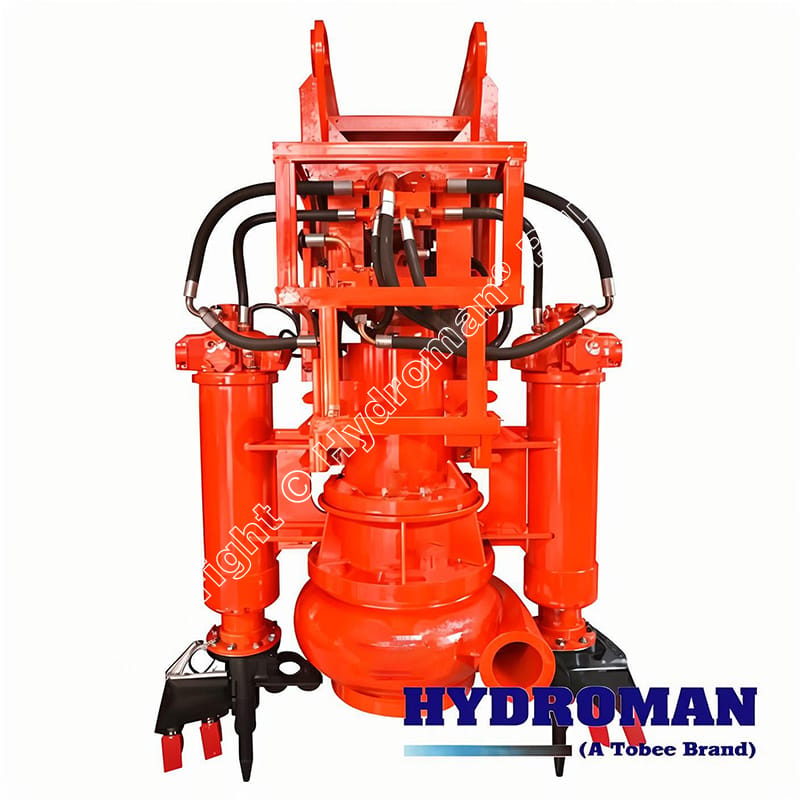
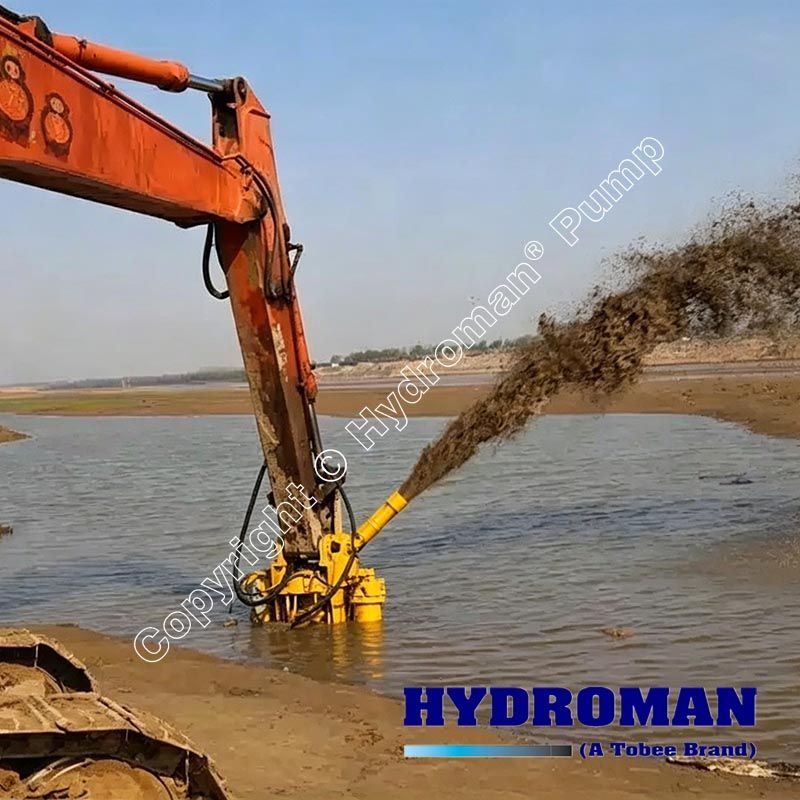
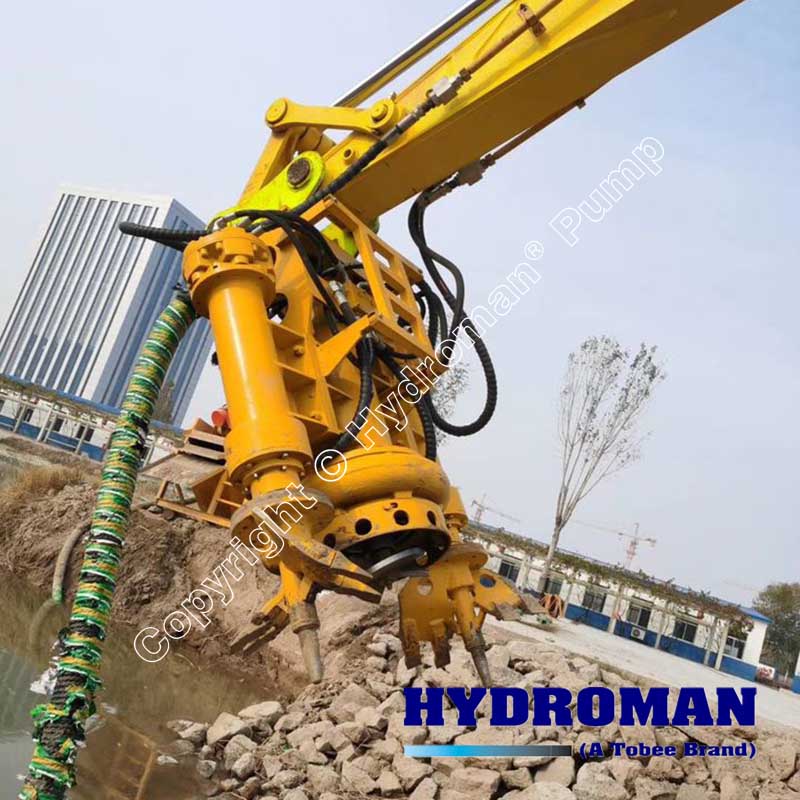
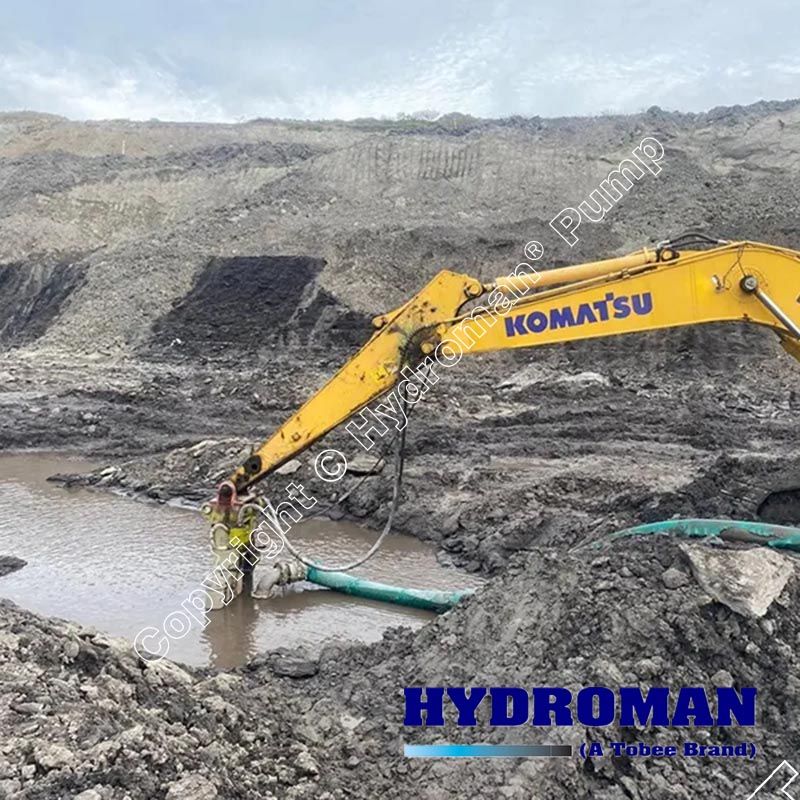
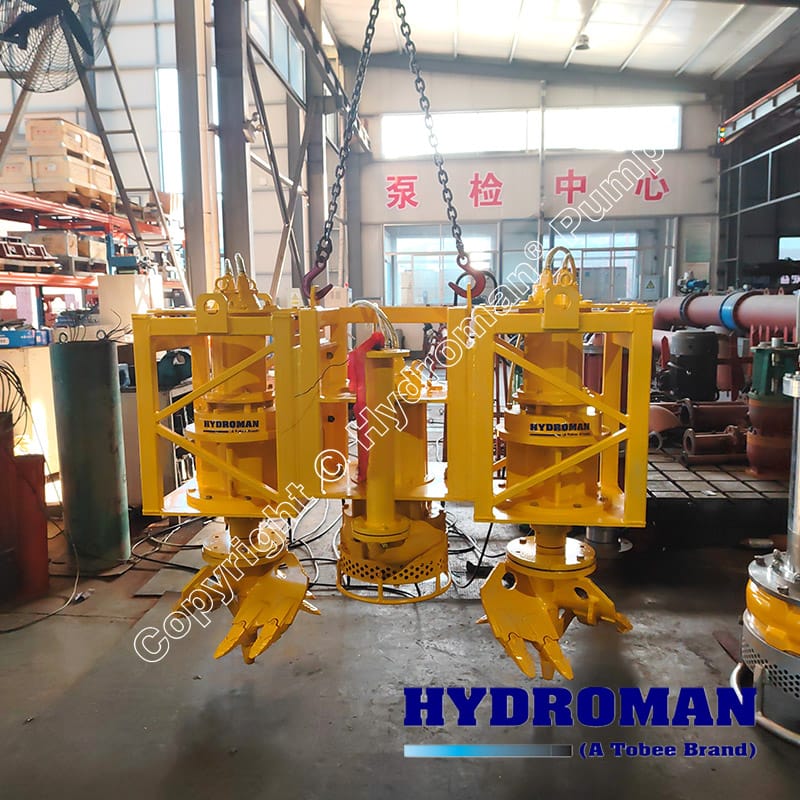
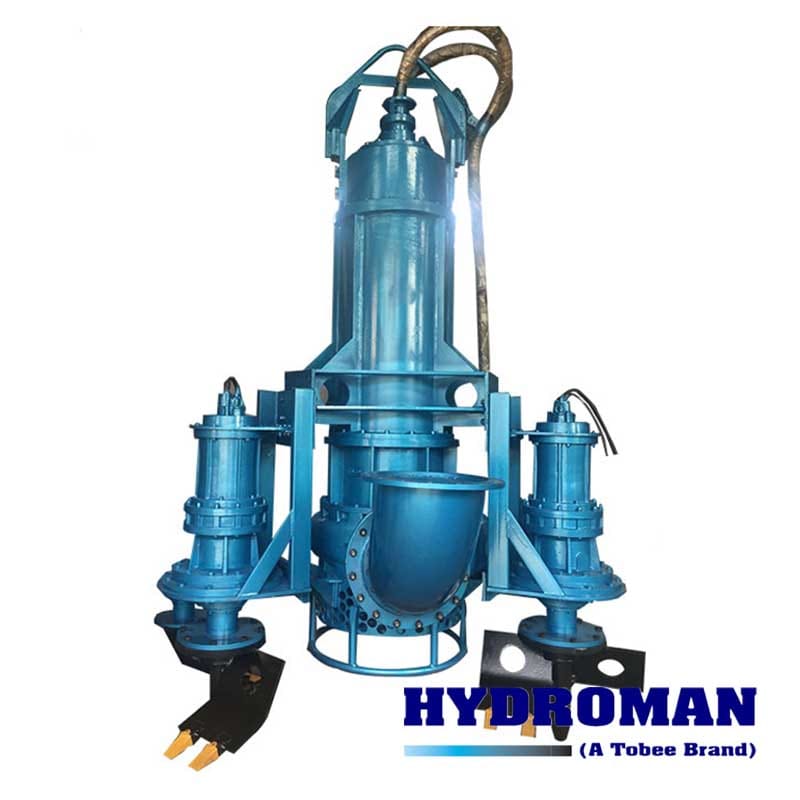
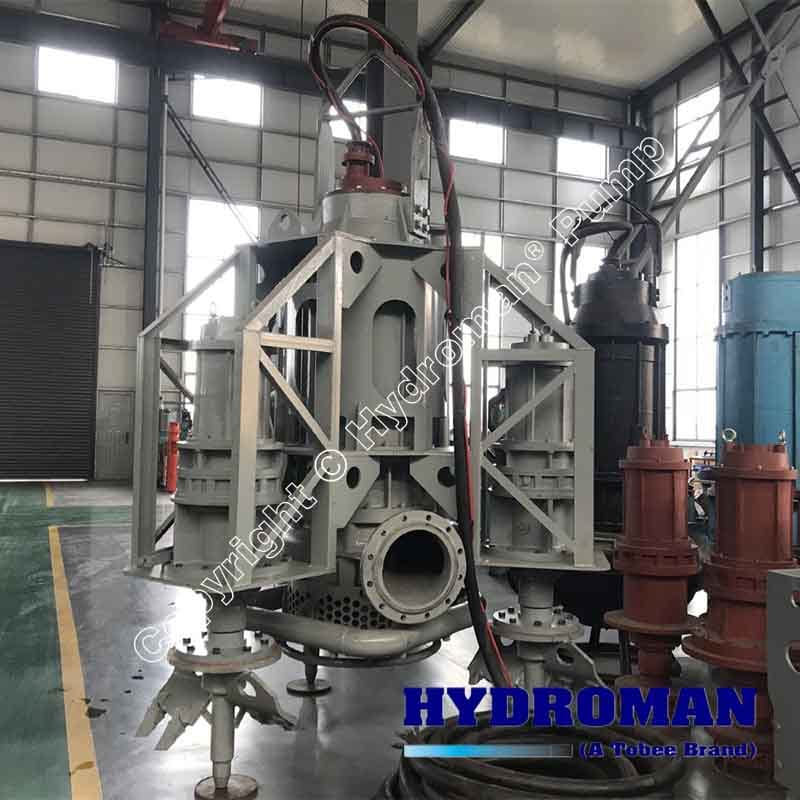
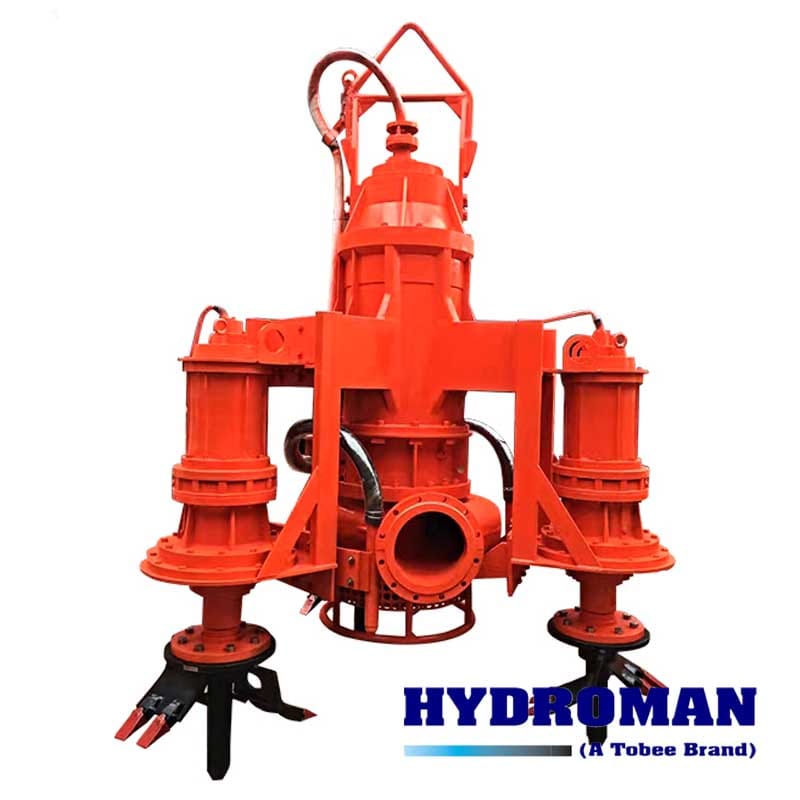
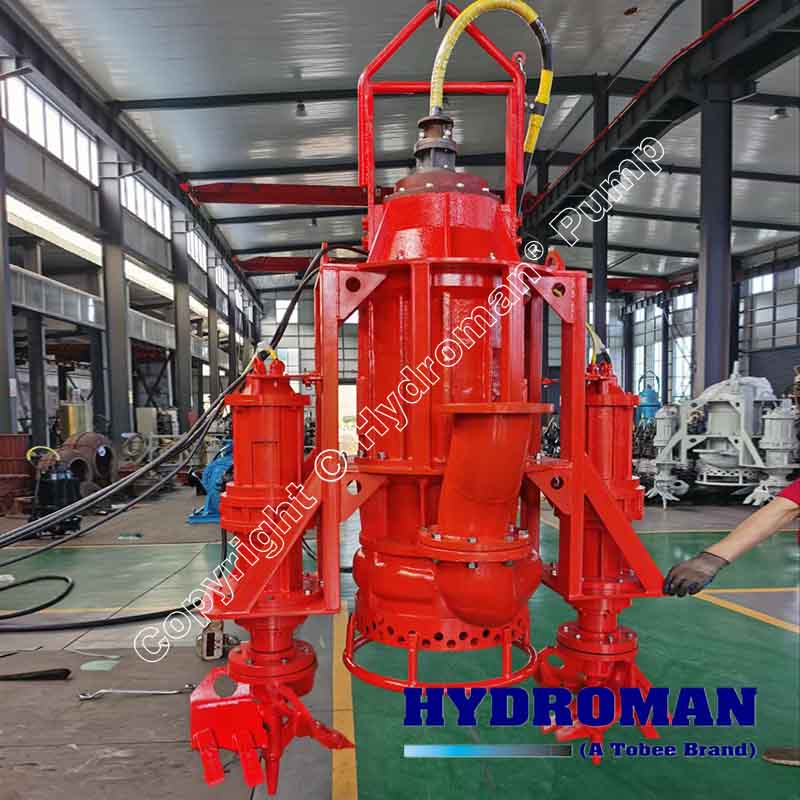
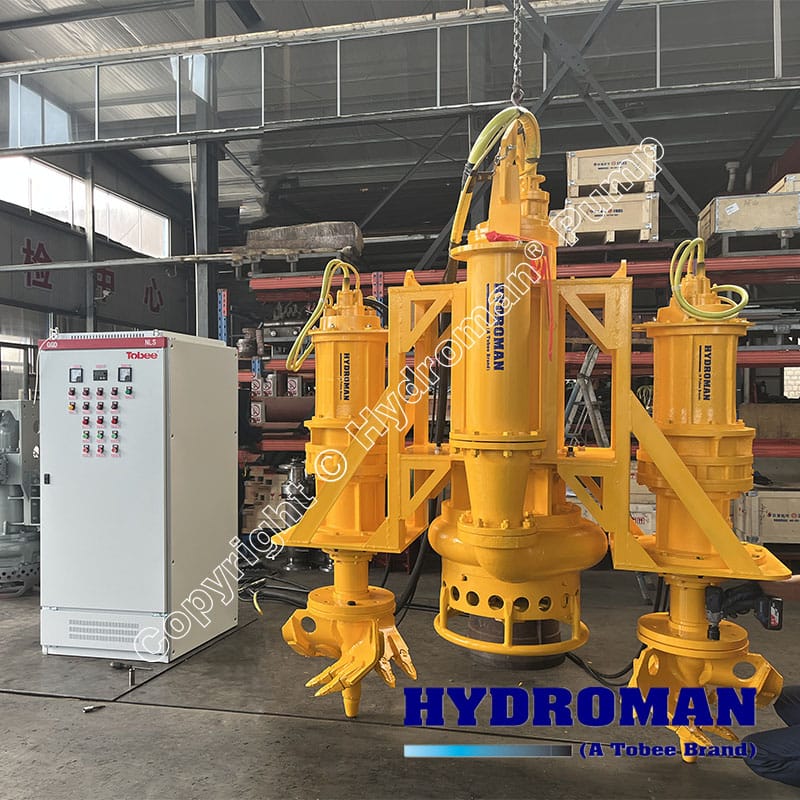
This is the environment Hydroman built its excavator mounted hydraulic slurry pump for. Instead of relying on grid power or a standalone diesel pump station, this pump draws its energy straight from your excavator's hydraulic circuit, so you can pump heavy, abrasive slurry wherever the excavator can reach — a tailings pond, a riverbank, a flooded pit, a construction dewatering trench — with nothing more to set up than the mounting bracket.
A mining and dredging contractor working in Serbia came to Hydroman with a familiar but stubborn problem. Their site produced a high-density slurry loaded with sand, gravel, mineral solids, mud and other abrasive material, and their existing pumps simply weren't built for it. Wet-end components were wearing out fast, maintenance crews were on site more often than the contractor wanted, and because the pumps depended on fixed electrical infrastructure, moving pumping capacity to a new working face meant real downtime. In parts of the site with no power supply at all, pumping wasn't even an option.
What the contractor actually needed was a pump that could run continuously on highly abrasive slurry, swallow large solid particles without clogging, connect directly to equipment already on site, and hold up in harsh mining and dredging conditions — all while bringing maintenance and operating costs down rather than up.
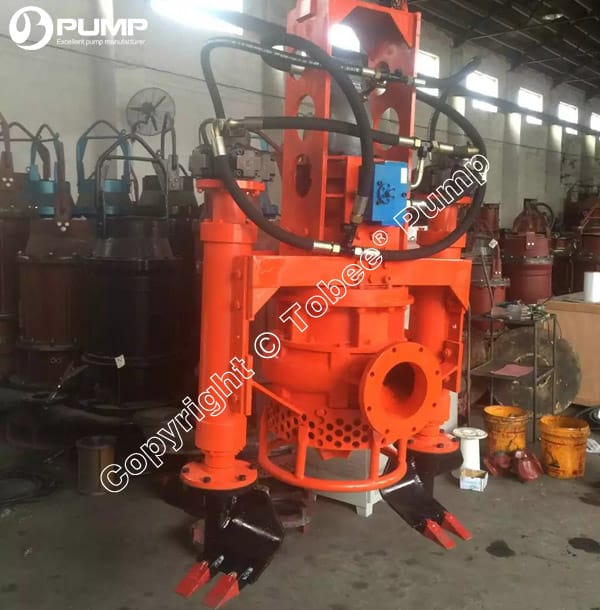
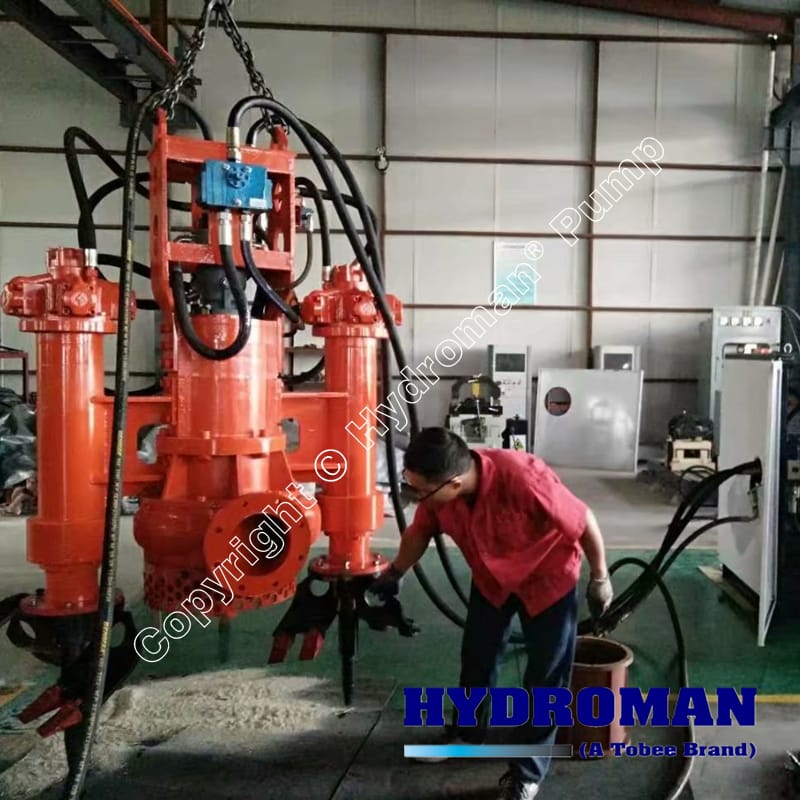
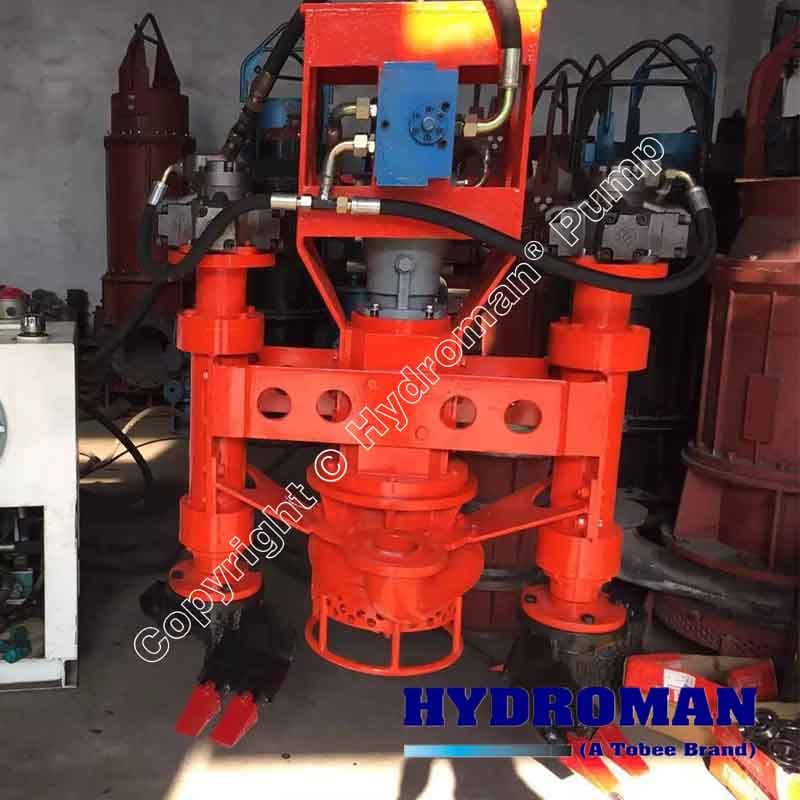
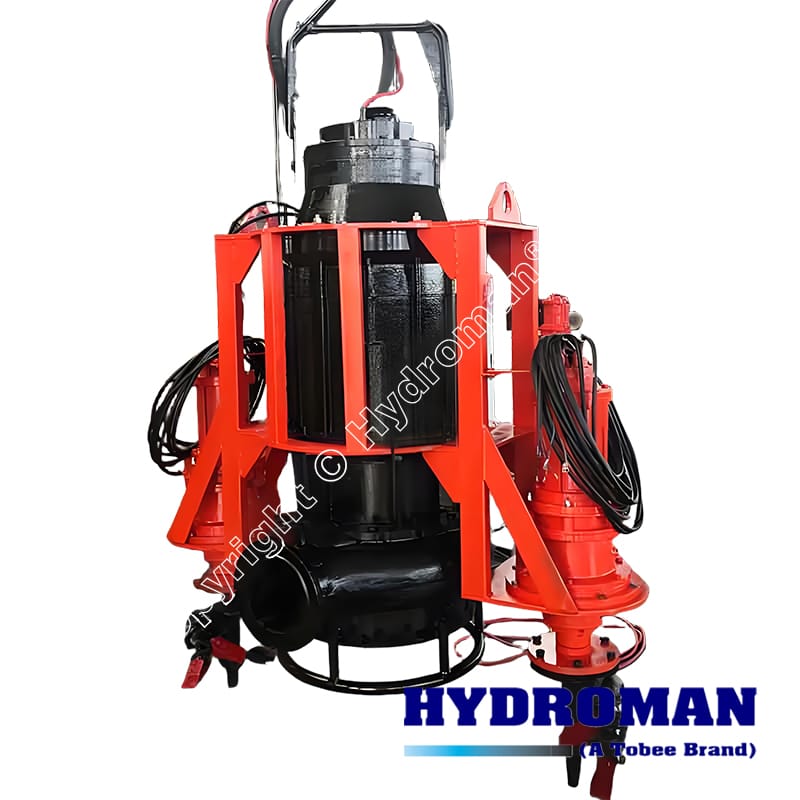
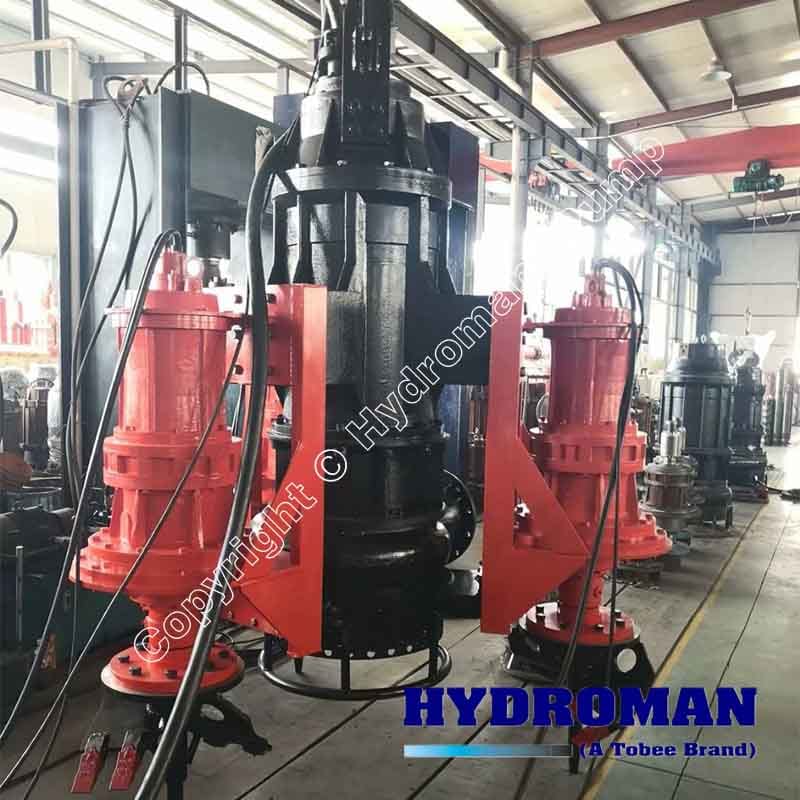
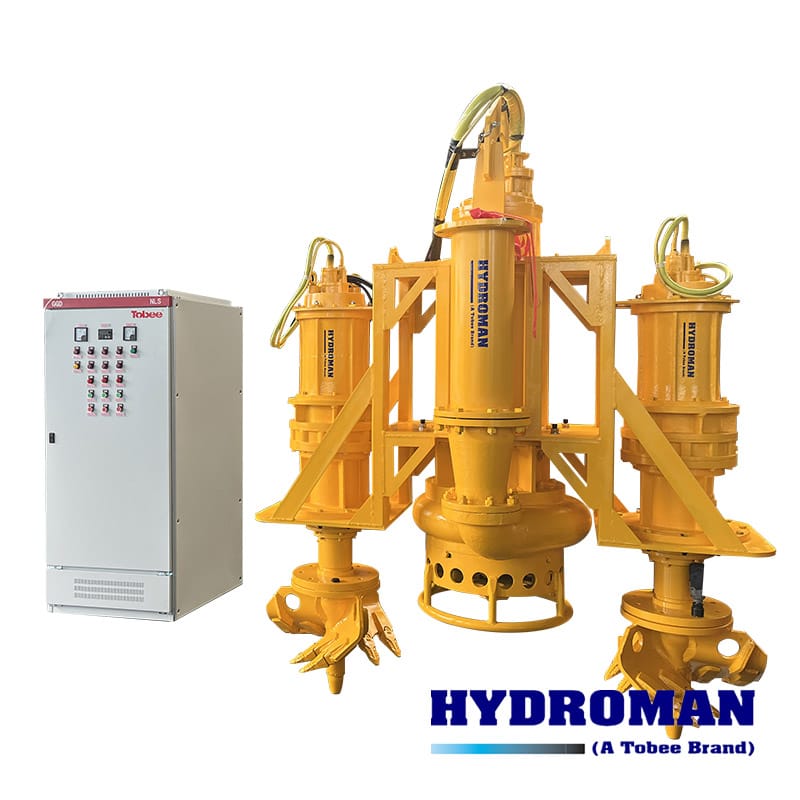
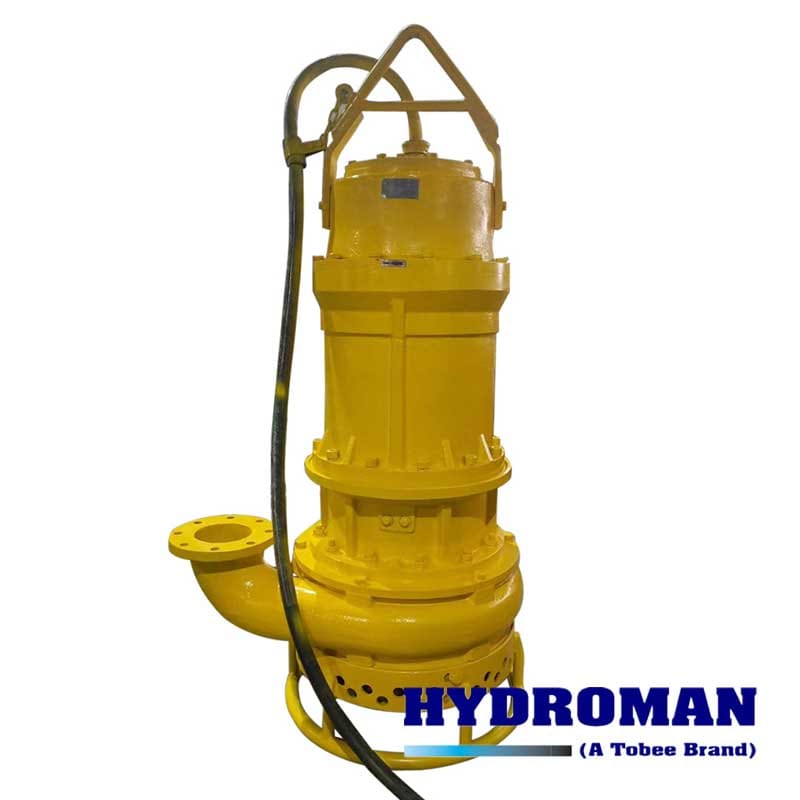
Hydroman recommended and delivered an excavator mounted hydraulic slurry pump built around a heavy-duty centrifugal wet end, driven entirely by a hydraulic motor fed from the excavator's own hydraulic system. High chrome, wear-resistant alloy components handle the abrasive load, an anti-clogging impeller keeps large particles moving instead of jamming the throat, and the excavator mounting bracket lets the whole unit travel with the machine. Where the slurry tends to settle or thicken, an optional agitator keeps solids in suspension so the pump never runs dry on feed.
Because the system is entirely hydraulic, it needed no separate power run, no transformer, and no fixed pump house. The contractor's own excavator became the power source, the transport, and the positioning tool, all at once.
The demand behind this case study isn't limited to one contractor or one commodity. Across Serbia, several industries depend on the same core capability — moving heavy, abrasive, solids-laden fluid reliably.
 |  |  |  |
Mining
Copper operations in the Bor and Majdanpek districts move tailings as slurry from the concentrator to storage facilities every day, alongside ore processing water, mine drainage and general sludge removal. A mining slurry pump here has to tolerate high solid concentration for years, not months, which is exactly what Hydroman's abrasion-resistant wet ends are built for. | River Dredging & Sand Extraction
On the Danube, Sava and Velika Morava, dredging keeps navigation channels open and supplies sand and gravel to construction markets. Hydraulic dredge pumps need strong suction and the ability to handle coarse sediment without losing prime, particularly during low-water periods when channels narrow fast. | Construction Dewatering
Foundation excavations and infrastructure sites regularly hit groundwater, mud and sediment buildup. Hydraulic sludge and slurry pumps let you dewater a pit quickly without installing a permanent electrical pump station for what may be a short-term job.
| Industrial Applications
Wastewater treatment plants, coal washing operations, mineral processing circuits, aggregate producers and pond cleaning crews all face the same wear-and-clog challenges as mining and dredging, just at a different scale.
|
A conventional slurry pump fails in one of two predictable ways on a site like this: the wet end wears through from abrasive contact, or the impeller clogs on debris it was never designed to pass. Hydroman's heavy-duty hydraulic slurry pump is engineered around both failure points.
Hydraulic drive, not fixed power
Running off your excavator's hydraulic system gives you high torque, easy relocation, and the freedom to work sites with no electrical infrastructure at all — a genuine advantage for remote mining faces and riverbank dredging where running a power line simply isn't practical. | 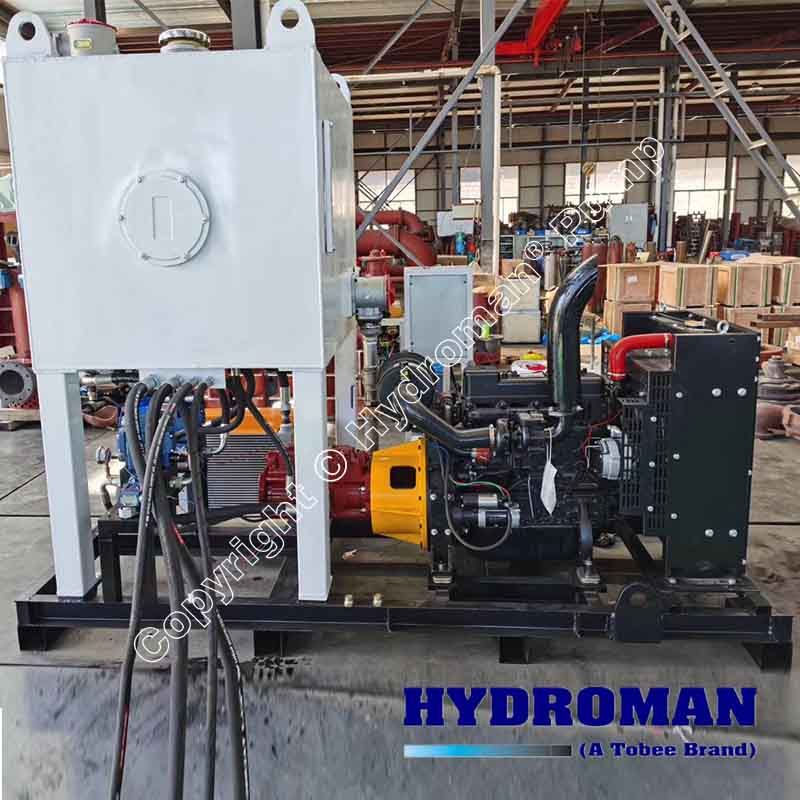 |
 | Abrasion-resistant wet end
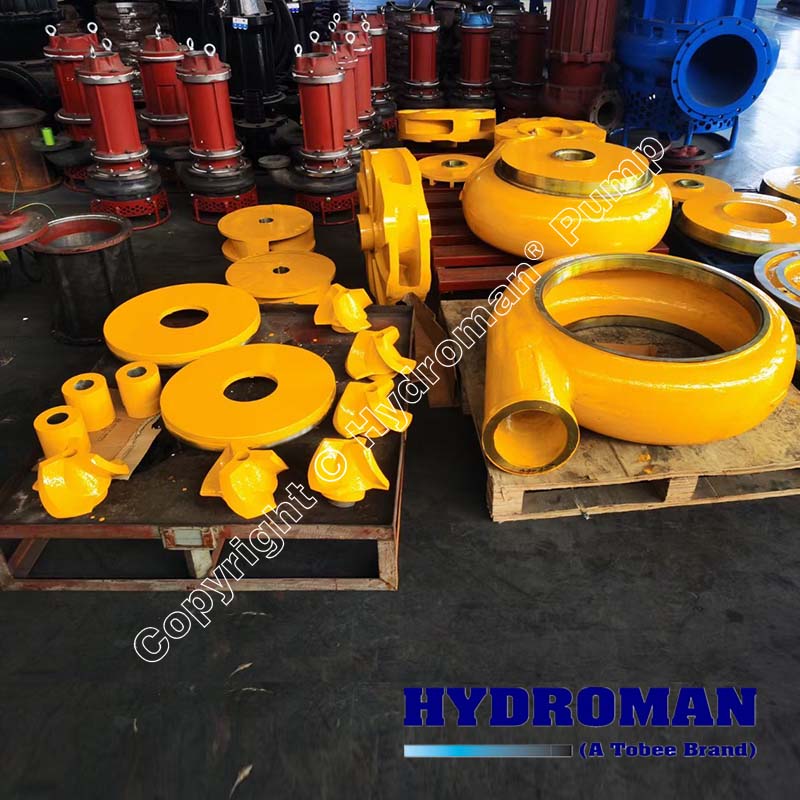
Impellers, liners and pump casing are built from high chrome alloy and other wear-resistant materials selected specifically to withstand sand, mineral particles and abrasive sludge over extended duty cycles, rather than the mild-steel components that wear through in weeks under the same load. |
Large solids handling
The pump passage is sized to move sand, gravel, sludge and mineral particles without forcing you to pre-screen or dilute the slurry — something a hard metal slurry pump with agitator handles especially well when solids tend to settle at the intake. | 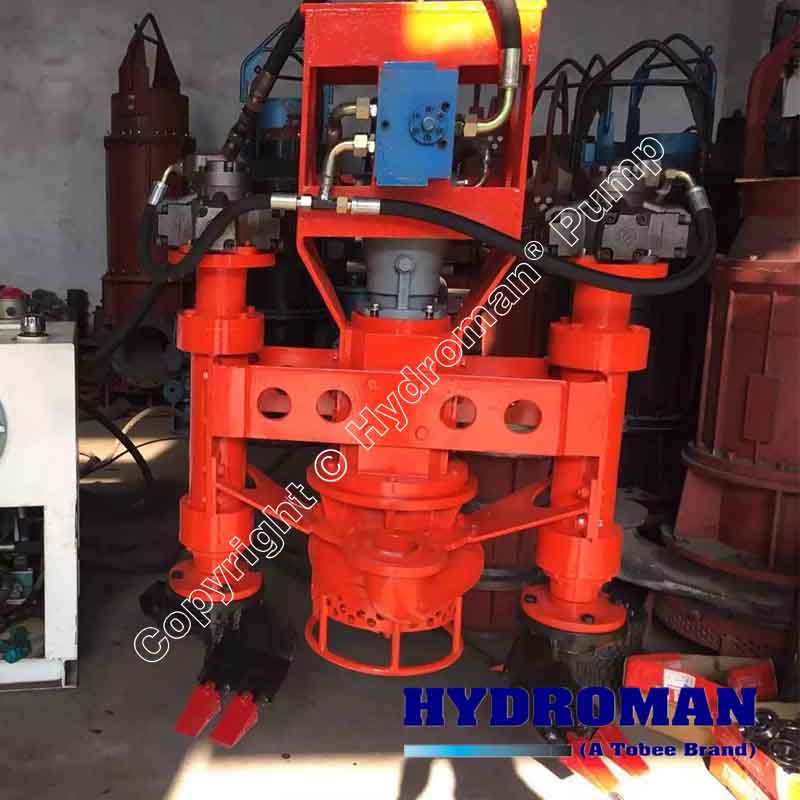 |
 | Anti-clogging impeller
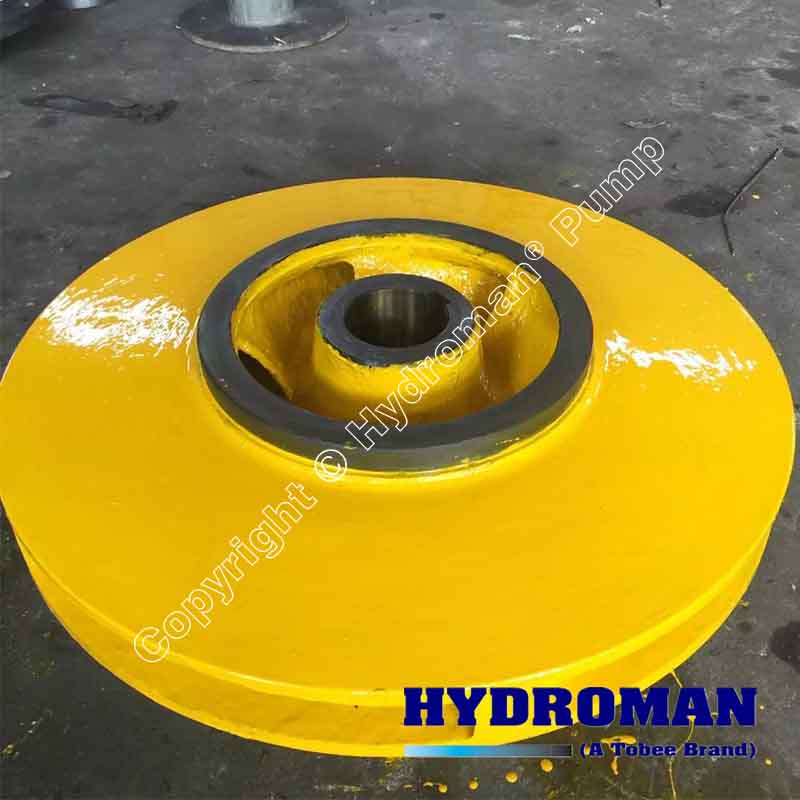
An optimized impeller geometry keeps solids flowing through rather than bridging and jamming, which is where most blockage-related downtime and callouts on a slurry line actually come from. |
Together, this is what Hydroman means by a hydraulic solids handling pump: not just a pump that survives abrasive service, but one designed from the wet end outward to keep pumping when a standard slurry pump would already be offline.
| Pump Type | Hydraulic Slurry Pump |
|---|---|
| Installation | Excavator Mounted |
| Typical Application | Mining, Dredging, Construction & Industrial Dewatering |
| Drive Method | Hydraulic Motor (powered by excavator hydraulic circuit) |
| Medium Handled | Slurry, Sludge, Sand, Gravel, Mineral Solids |
| Wet End Material | High Chrome Alloy / Wear-Resistant Material |
| Solids Handling | Large-particle capable |
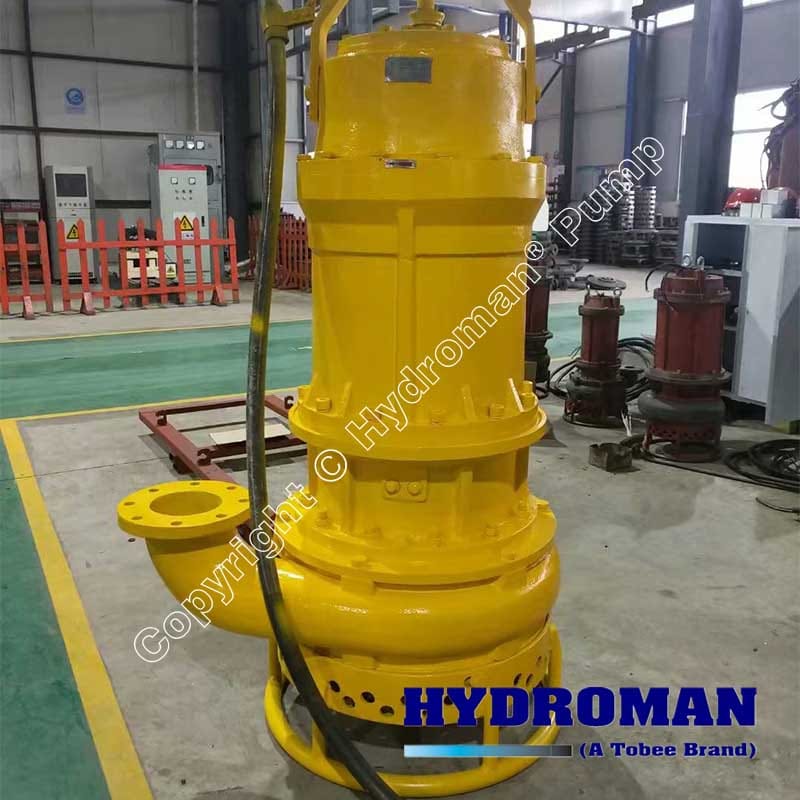
| Pump Structure | Heavy-Duty Centrifugal Pump |
| Optional Equipment | Agitator, Cutter, Jet Ring |
Exact flow, head and motor sizing are matched to your excavator's hydraulic output and your slurry's solids concentration — contact Hydroman for a project-specific specification and price hydraulic slurry pump quote.
Continuous
operation on high-density abrasive slurry, no frequent blockage | Fewer
wet-end replacements thanks to wear-resistant components | Faster
relocation between working areas via excavator mounting | Lower
downtime and overall operating cost
|
After the Hydroman excavator mounted hydraulic slurry pump went into service, the contractor reported reliable, continuous handling of high-density abrasive slurry without the frequent blockages they'd been fighting before. Wear-resistant wet-end components stretched out service intervals, cutting the pace of parts replacement. Because the pump traveled with the excavator, the crew relocated between working areas without waiting on new pump infrastructure, and the combination of fewer stoppages and less maintenance work brought the overall cost of pumping and dredging down for the project.
Hydroman builds pumping equipment for the industries where a standard pump doesn't survive the job — heavy-duty slurry pump construction, high abrasion resistance, strong solids handling, anti-clogging geometry and long service life are the baseline, not the upsell. Every unit can be configured as a custom hydraulic solution matched to your flow rate, head and solids load, backed by technical support that understands mining, dredging and industrial pumping conditions specifically, not pumping in general.
You'll find Hydroman hydraulic slurry pumps at work across mining slurry transfer, tailings pumping, dredging projects, sludge removal, sand pumping and dewatering operations — the same range of jobs Serbia's mining and river-management sector runs every day.
Looking to buy a hydraulic slurry pump? Whether you need a new hydraulic slurry pump for a single project or are comparing hydraulic slurry pump manufacturers for a fleet purchase, Hydroman can quote flow rate, head and wear-part packages against your actual slurry conditions rather than a generic catalog spec.
|
Hydroman specializes in hydraulic slurry pumps, hydraulic sludge pumps, hydraulic dredge pumps, heavy-duty centrifugal slurry pumps and solids handling pumps, built with wear-resistant materials and manufacturing processes aimed squarely at extreme working conditions — abrasive tailings, dense river sediment, coarse construction spoil, and everything in between. That focus is what lets Hydroman support both one-off projects, like this Serbia case study, and the ongoing sales of slurry pumps and dredging equipment that mining and waterway contractors across the region depend on year after year.
It's a slurry pump installed directly on an excavator and powered by the excavator's own hydraulic system, letting you pump slurry, sludge, sand and solids anywhere the machine can reach, without a separate power source.
Mining, dredging, construction dewatering, wastewater treatment and sediment removal are the most common applications you'll see this pump type deployed on.
Yes. Heavy-duty hydraulic slurry pumps use abrasion-resistant materials such as high chrome alloy so they can move sand, gravel, minerals and high-density slurry without premature wet-end failure.
You get mobility and flexible operation that a fixed pump station can't match, including the ability to pump in remote areas that have no electrical power supply.
Yes. Mining slurry pumps in this category are built to transport ore slurry, tailings and other abrasive materials continuously in harsh mining environments.
Yes. Hydroman configures hydraulic slurry pumping systems around your flow rate, head, solids concentration and application, rather than offering a single fixed model.
Tell Hydroman your slurry type, solids concentration and excavator hydraulic output, and get back a matched pump specification and price — whether you need one unit or are sourcing for an ongoing dredging program.
 Sara Liang
 +86 189 3110 6396 (Whatsapp/Wechat)
 Inquiry@tobeepump.com
Submitted successfully
Your submission has been received. Thanks for your time

 FR(EUR)
 CN(CNY)
 GB(GBP)
 AU(AUD)





Reviews
0%
0%
0%
0%
0%
Share your thoughts with other customers
Write a Review