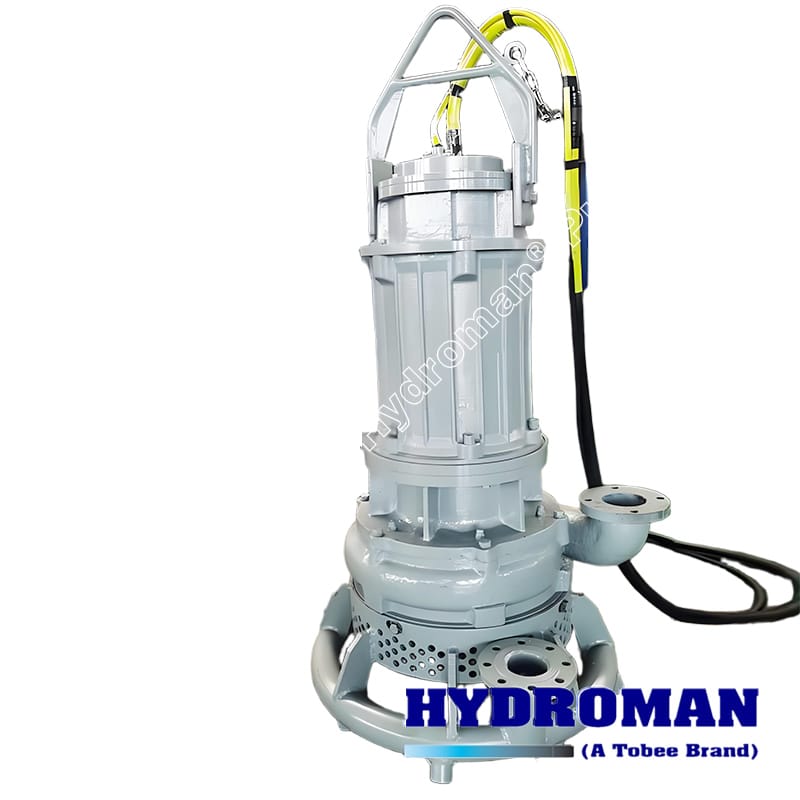

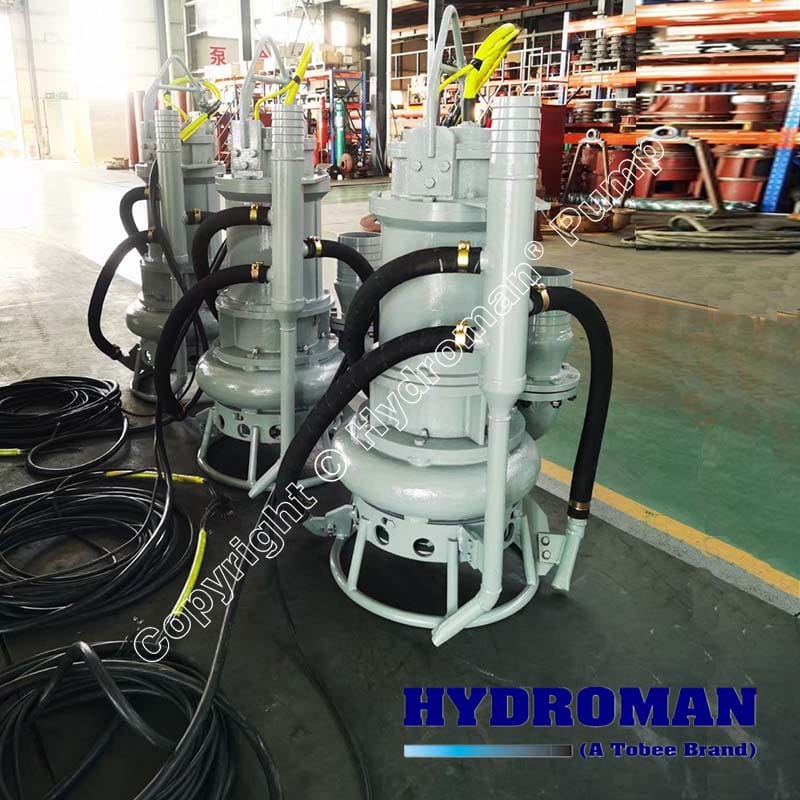
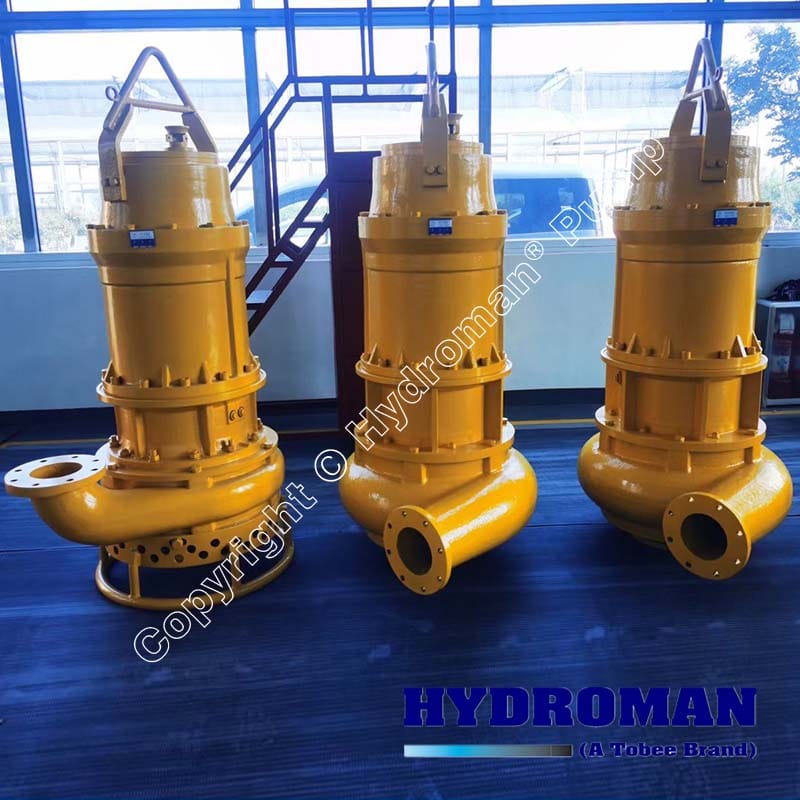
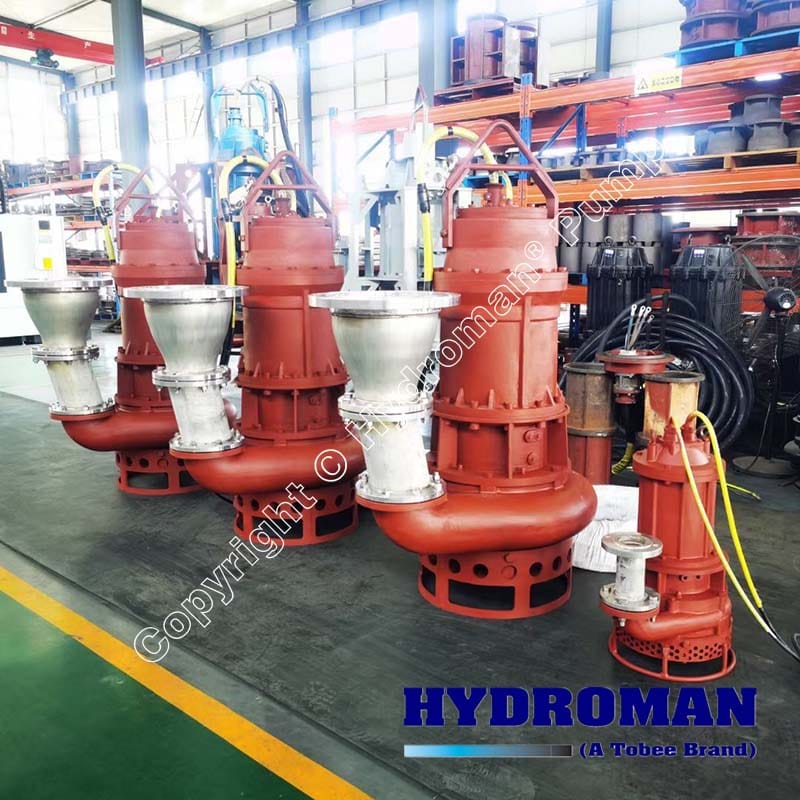
If you are draining a flooded foundation pit, clearing a mine sump, or moving gritty process water, you already know the problem: clean-water pumps clog, and small pumps can't keep up. The Hydroman® 150TJQ55-6A is a heavy-duty submersible trash pump built for exactly this. It pairs a 150 mm (6-inch) discharge with a 55 kW electric motor and sits directly in the water you need to move, so there is no suction line to prime and no engine to babysit.
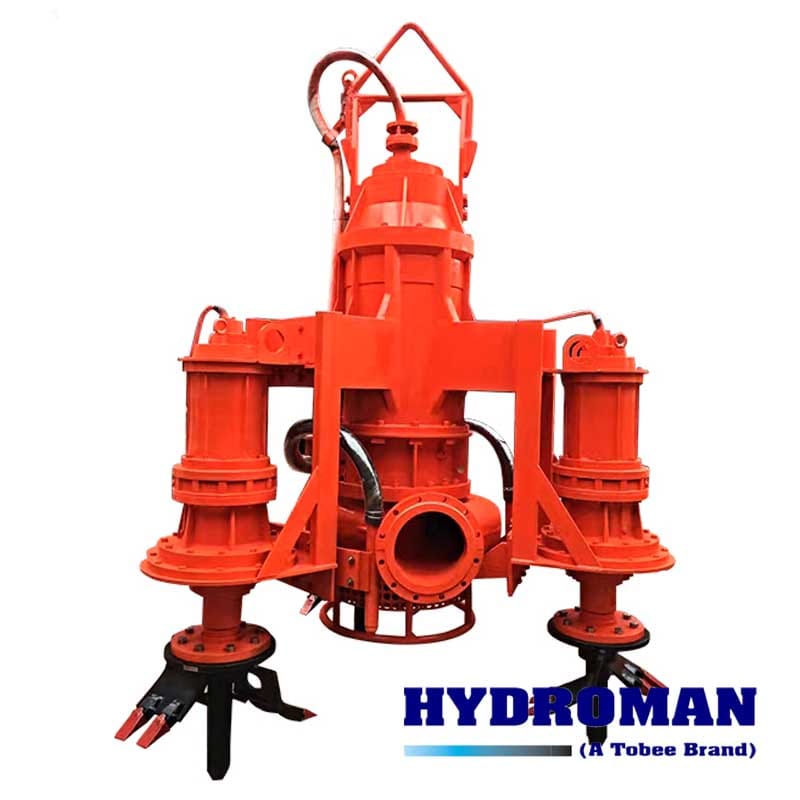
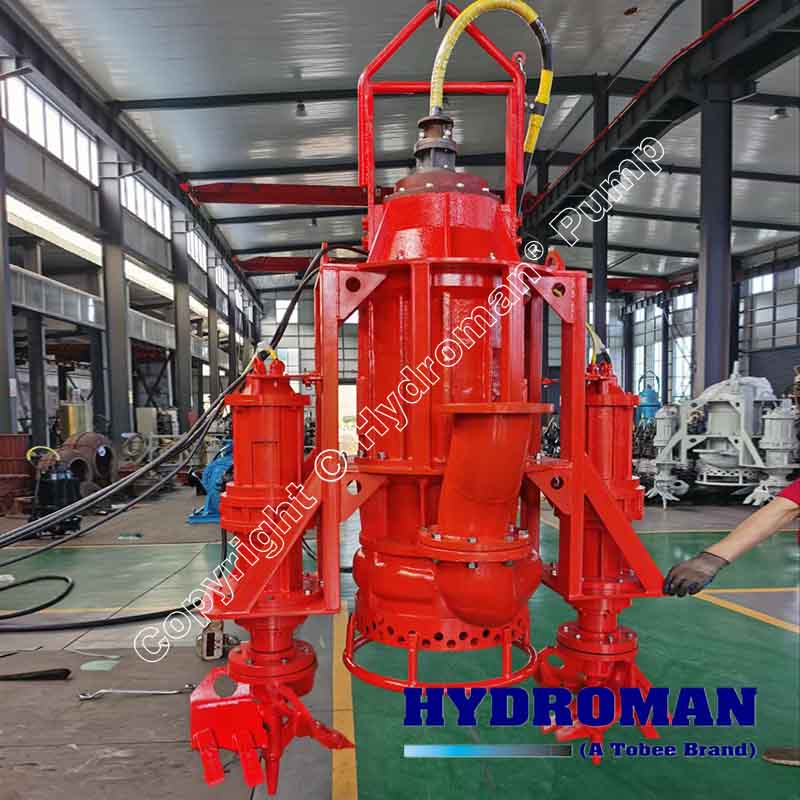
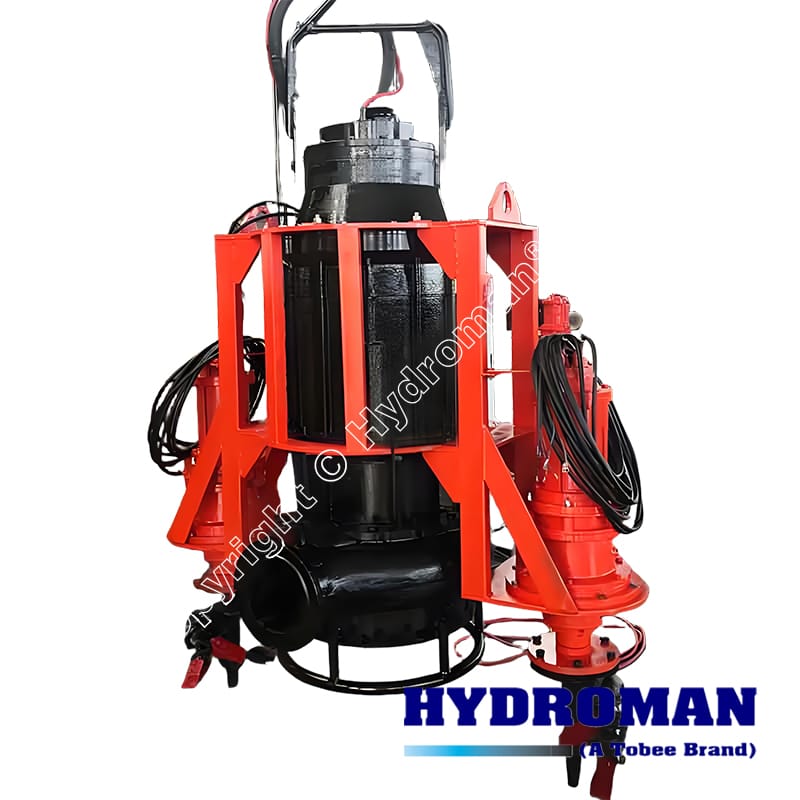
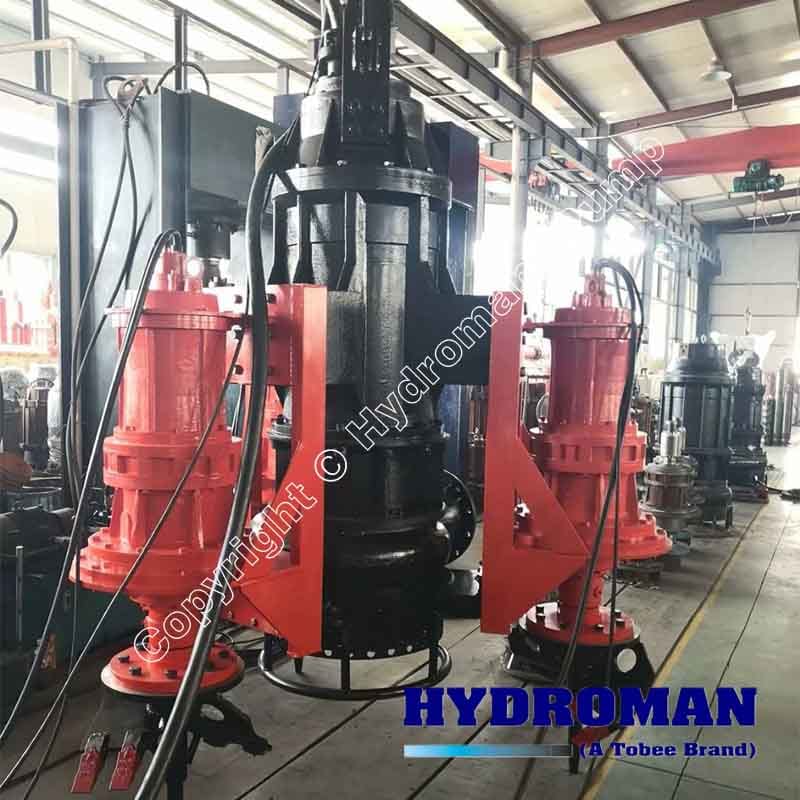
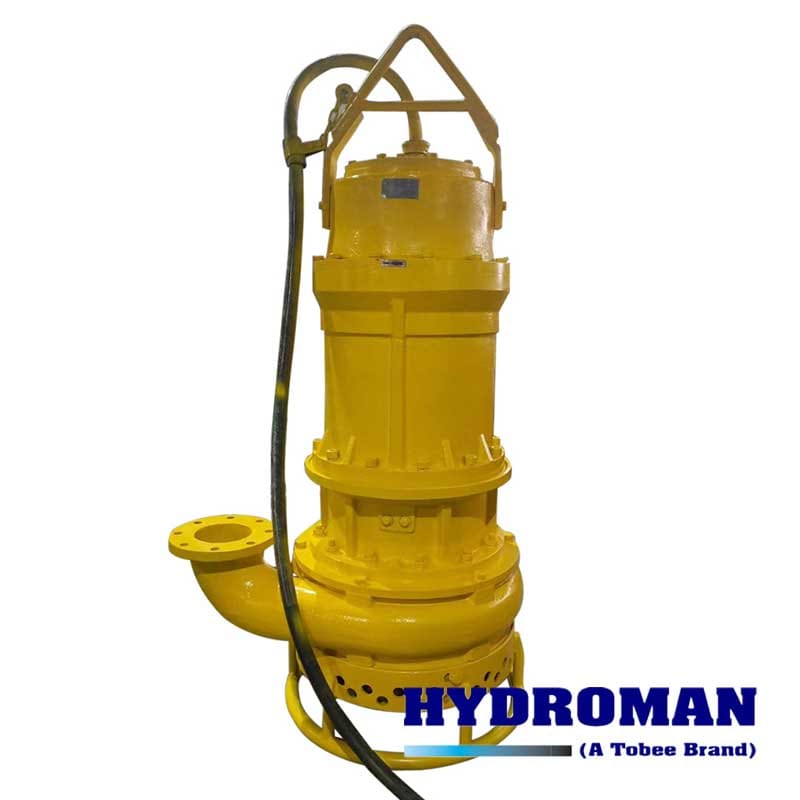
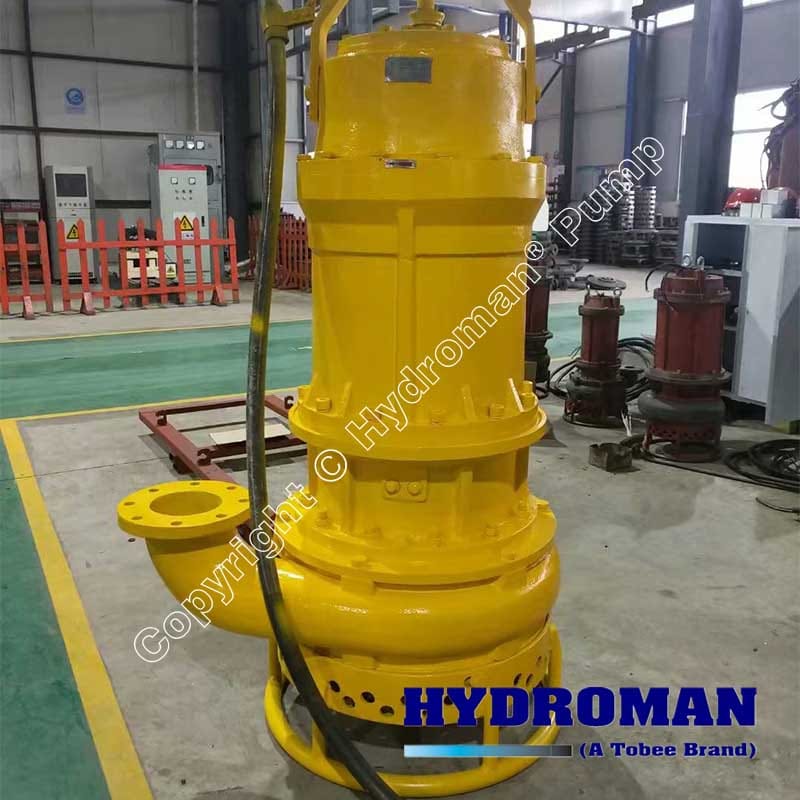
The 150TJQ55-6A is an electric submersible trash pump: a vertical, centrifugal, fully submersible unit made for water that carries suspended solids, sludge, fibers and general site debris. At 55 kW with a 6-inch outlet, it sits in the large-pump class, the kind of machine you bring in when a 2- or 3-inch unit would run all week and still not lower the water level.
Typical jobs include construction dewatering, mine and quarry drainage, municipal emergency pumping and industrial sumps. If you are searching for a heavy duty trash pump that can work below the waterline and run on grid or generator power, this is the class of equipment to evaluate.
| Item | Specification |
|---|---|
| Model | 150TJQ55-6A |
| Pump type | Submersible trash pump, centrifugal, vertical installation |
| Motor power | 55 kW electric |
| Discharge size | 150 mm / 6 inch |
| Media | Trash water, drainage water, wastewater, sludge-bearing water, slurry, sand |
| Motor cooling | Cooled by the surrounding liquid |
| Materials | Cast iron, High chrome, Hyperchrome, SS304, SS316L, Duplex SS, CD4MCu options available on request |
| Control | Control cabinet, soft starter or VFD available |
| Flow rate | 150 m³/h |
| Head | 45m |
| Speed | 980 rpm |
| Max. particle size | 30 mm |
| Voltage / frequency | 380 V / 50 Hz, other voltages on request |
| Weight | 1200kg |
Hydroman® works from the performance curve for each unit rather than a single headline number, because flow and head trade off against each other. Ask us for the certified curve for your voltage and impeller configuration before you finalize a design.
A lot of first-time buyers assume the "6" describes power. It doesn't. It is the nominal size of the discharge connection, 150 mm (DN150), which is why you will see it written as a 6 inch trash pump or a 6" pump. Motor power is a separate number, 55 kW here.
Why does the connection size matter to you? A bigger outlet lets the pump move a large volume at a lower velocity, and it lets bigger solids pass without bridging. In the surface-pump world, a 6-inch trash pump is generally the top of the portable range, commonly moving on the order of 1,000 to 2,000 US gpm (roughly 230 to 450 m³/h) depending on head and speed. A submersible at 55 kW plays in the same volume territory but skips the priming step, and that is the main reason people look at this design when the pump has to sit in a pit.

Ordinary clean-water pumps have narrow impeller passages. Put mud, grit, leaves or plastic through them and they clog, wear quickly and overheat. A trash water pump is designed the other way around: wide passages and a robust wet end, with reliability under load ranked ahead of squeezing out the last point of efficiency.
The 150TJQ55-6A handles construction runoff, flood water, drainage water, sludge-bearing water and general wastewater. As a sewage trash pump, it is suitable for sewage-related drainage and lift-station bypass duty in which coarse solids are present. Confirm the solid size, fiber content and any chemicals with us first. Raw sewage with large amounts of rags is a special case that may call for a cutter or vortex configuration.
The wet end is cast iron, which is the usual material for a cast iron trash pump: it is strong, machines well and stands up to abrasion at a sensible cost. For mildly corrosive or salty water you can ask about stainless steel components, and for gritty duty about wear-resistant materials. The motor is an industrial-duty unit meant for continuous or demanding drainage cycles, not occasional light use.
A 55 kW motor behind a 6-inch outlet is a combination aimed at moving a lot of water. As a large trash pump and high volume trash pump, it is at home in:
A word on "high pressure trash pump," a phrase people search often. Pressure (head) is set by impeller diameter, speed and motor power, and there is a limit. If your job needs long pipelines or big lifts, don't choose by the outlet size alone. Check the total head on the curve, then verify that the pump still delivers the flow you need at that point.
The impeller is where a trash pump earns its keep. A good trash pump impeller balances three things: enough flow, enough clearance for solids to pass, and enough wear life to survive abrasive water. Semi-open and channel-type designs with generous passages are common choices. Open designs pass more debris but can be a little less efficient, while closed ones are more efficient but less tolerant of large solids.
As a rule of thumb, most 6-inch trash pumps pass solids of around 1.18 inch (30 mm), a figure widely used across the industry, although submersible units differ by design. Confirm the maximum particle size for the 150TJQ55-6A on your datasheet and choose based on what is actually in your water, not just the largest thing you have seen in it.
 |  |
The discharge is a 150 mm / 6-inch connection. Because the unit sits below the water surface, the inlet is at the base, drawing directly from the pit instead of through a long suction hose. This is the practical difference from a surface unit. It also means you should keep the inlet clear of the pit floor so it doesn't ingest settled silt.
Keep pipe velocity in the range of about 2 to 4 m/s: fast enough that solids stay suspended, slow enough that friction and wear stay reasonable. For reference, 300 m³/h through a 6-inch line runs at about 4.7 m/s, which shows why long runs may need a larger diameter.
An electric trash pump has real advantages over an engine-driven set when your site has power:
The trade-off is straightforward: you need a suitable electrical supply and proper protection. If a site has no power at all, an engine-driven unit or a generator-fed setup will be needed.
| Sector | Typical uses |
|---|---|
| Construction | Excavation and foundation pit dewatering, tunnels, underground works, stormwater |
| Mining and quarry | Mine pits, sumps, settling ponds, dirty process water |
| Municipal | Flood water, stormwater, sewage-related drainage, emergency removal |
| Industrial | Plant sumps, process water, wastewater collection tanks, sludge-bearing water |
The same industrial trash pump can move between projects. Crews often use a commercial trash pump like this for one site's dewatering this quarter and another's sump the next.
Whoever tells you which is the best trash pump without asking about your job is guessing. Work through these four checks instead:
Work out how much water you have and how fast it has to go. Divide the volume by the allowed drainage time, then add margin for inflow during pumping.
Add the vertical lift to the friction losses in the pipe, fittings and valves, plus any discharge pressure. Then read the flow at that head from the curve. Choosing on "6 inch" alone is the classic mistake.
Know the particle size, solids concentration, fiber or plastic content and sludge level. Abrasive solids like sand shorten wear life and may point to hardened materials.
Confirm voltage, frequency, phase and starting method. As a rough guide, a 55 kW motor draws around 100 to 110 A at 380 V at full load; use the nameplate value for cable and breaker sizing.
| Feature | 150TJQ55-6A | Surface trash pump |
|---|---|---|
| Installation | Submersible, in the water | Surface-mounted, beside the water |
| Drive | Electric | Engine or electric |
| Priming | Not needed | Usually required |
| Discharge | 6 inch | Varies by model |
| Power | 55 kW | Varies by model |
| Dirty water | Yes, designed for it | Depends on design |
| Best locations | Pits, sumps, flooded areas | Sites with accessible, dry ground |
If your project needs a pump that runs unattended for long periods or works under the surface, a submersible is usually the more practical choice. If you need something you can drag behind a truck to a remote site with no power, a portable engine-driven unit is a better fit. Buyers also ask about a diaphragm trash pump; those are positive-displacement pumps suited to small flows and very high solids, and at 6 inches and 55 kW they solve a different problem.
Before installing: check the voltage and frequency against the nameplate, inspect the cable, check the discharge line, confirm there is enough water depth, and turn the impeller by hand.
While running: keep the pump adequately submerged, monitor motor current, watch discharge flow, and listen for abnormal vibration or noise. Never let it run dry. The motor relies on the surrounding liquid for cooling.
After use: rinse the pump, clear debris, inspect the impeller, check cable and seals, and store it properly.
 | Model | 150TJQ55-6A |
| L (mm) | 100 | |
| L1 (mm) | 373 | |
| L2 (mm) | 255 | |
| A (mm) | 807 | |
| B (mm) | 350 | |
| C (mm) | 695 | |
| d (mm) | 190 |
A trash pump lives a hard life, so a short, regular routine pays for itself.
Depending on your duty, the 150TJQ55-6A can be supplied with a control cabinet, soft starter or VFD, alternative voltages, stainless steel or wear-resistant components, an extended cable, guide rail installation and custom discharge connections. Tell us the job and we will confirm what is available for your unit.
You get a 55 kW electric drive and a 6-inch discharge in a submersible package made for dirty, debris-bearing water, with the high-volume capacity that large drainage projects need. Custom configurations are available, and our engineers will help you check flow, head and solids before you order, rather than after.
It is a pump with a 6-inch (150 mm) discharge, designed to move water containing solids and debris at high volume.
Draining pits, sumps, excavations and flooded areas where the pump can sit in the water and handle dirty, debris-laden liquid.
It suits sewage-related drainage with coarse solids. For raw sewage with heavy rag content, tell us and we will recommend the right impeller.
Yes, within its rated particle size. Confirm the limit on the datasheet for your configuration.
A 55 kW electric motor. Voltage and frequency can be matched to your supply.
Check required flow, total head, solids size and power supply, then compare against the performance curve.
Yes. Both are core applications for this model.
Send us your required flow, head, fluid type, solid particle size, voltage, frequency, quantity, application and destination country. Our engineers will check the duty point and reply with a recommended configuration and quotation.
Get a Quote for 150TJQ55-6ARequest Technical Support
Submitted successfully
Your submission has been received. Thanks for your time

 FR(EUR)
 CN(CNY)
 GB(GBP)
 AU(AUD)





Reviews
0%
0%
0%
0%
0%
Share your thoughts with other customers
Write a Review