
 FR(EUR)
 CN(CNY)
 GB(GBP)
 AU(AUD)
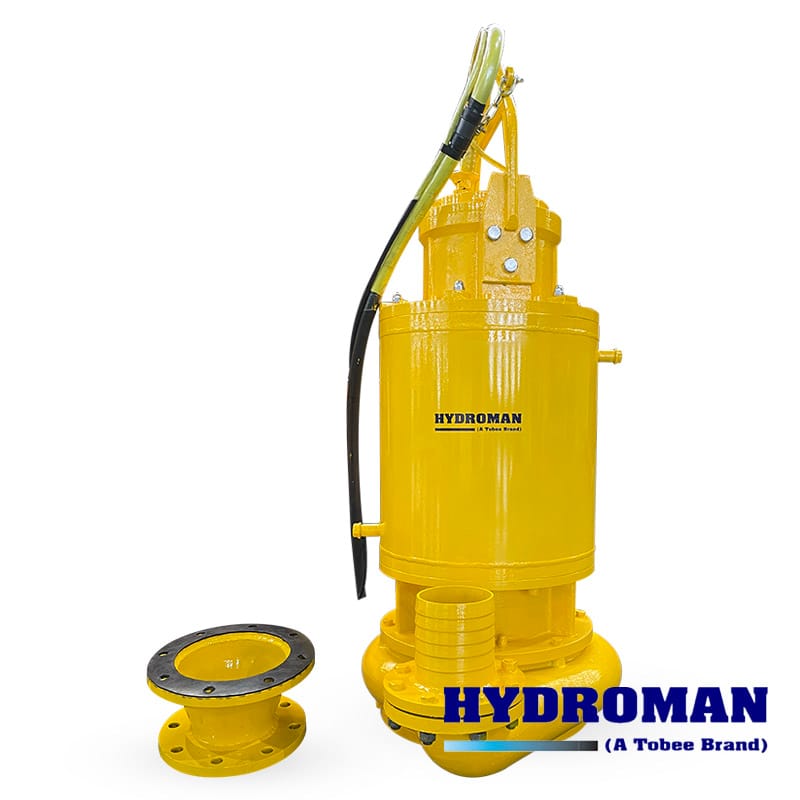
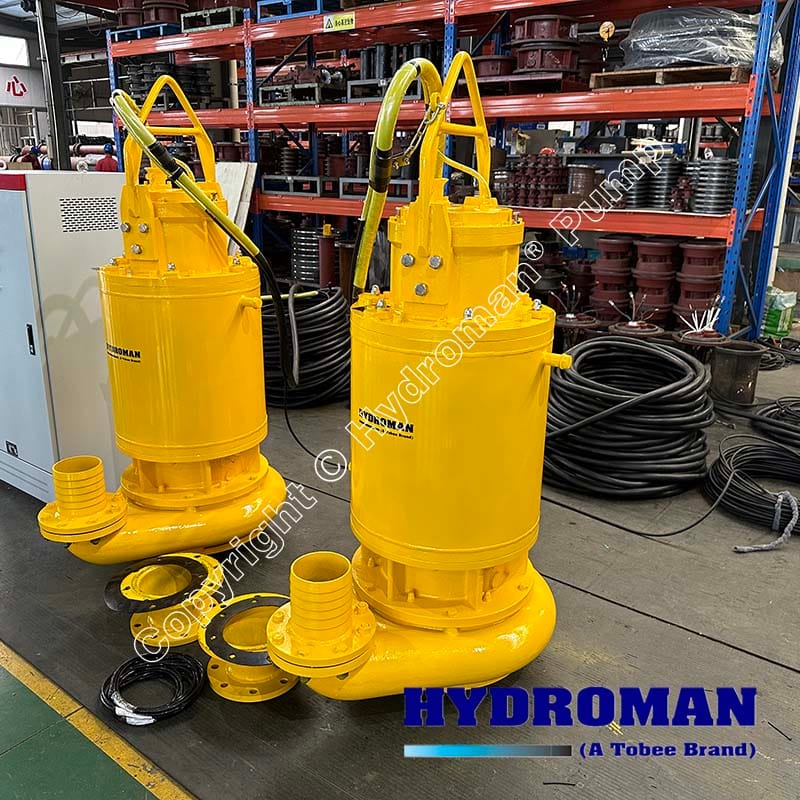
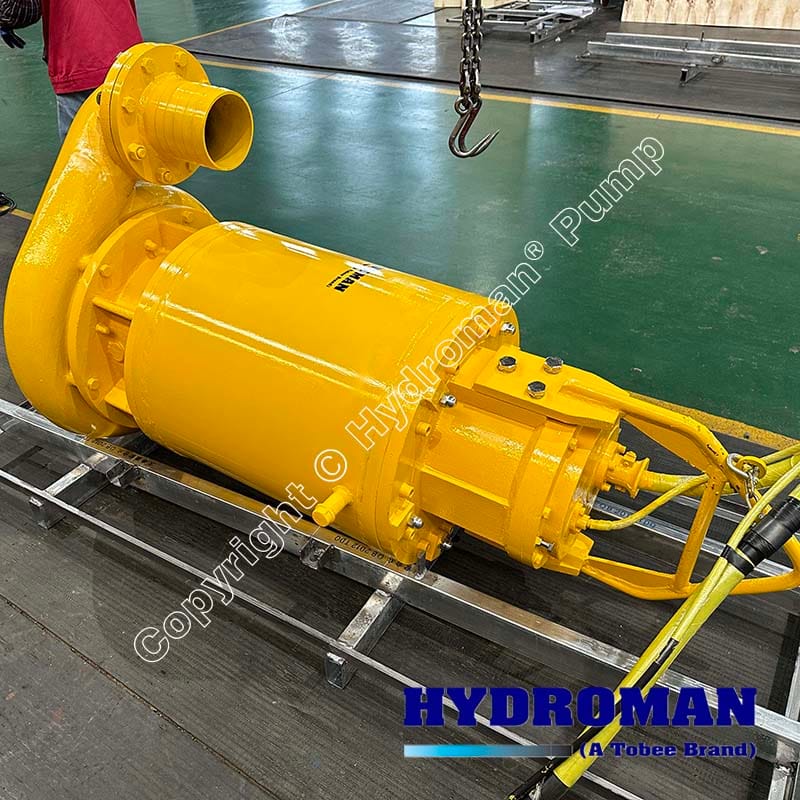
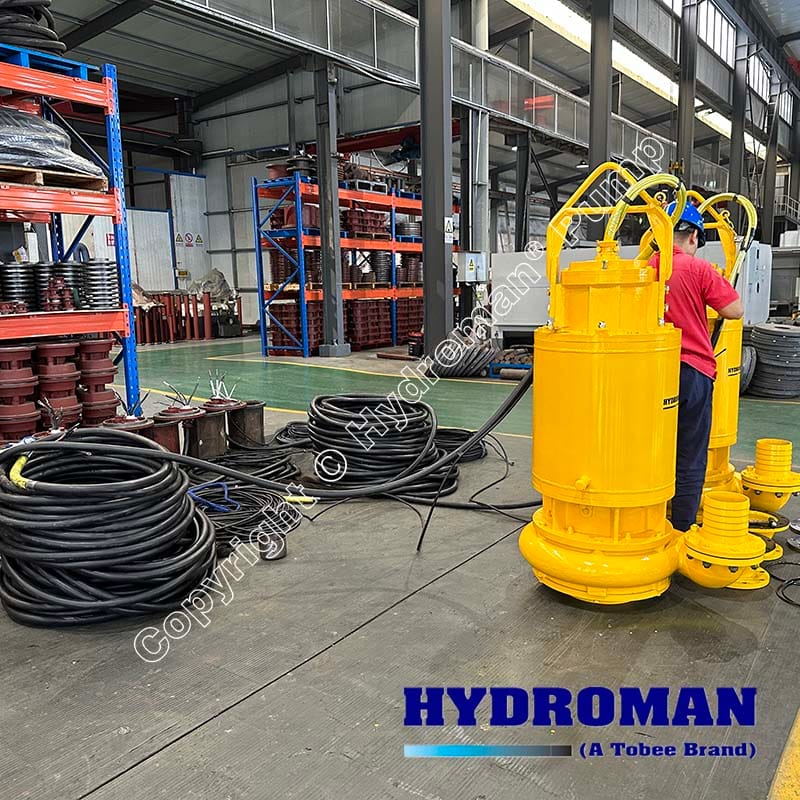
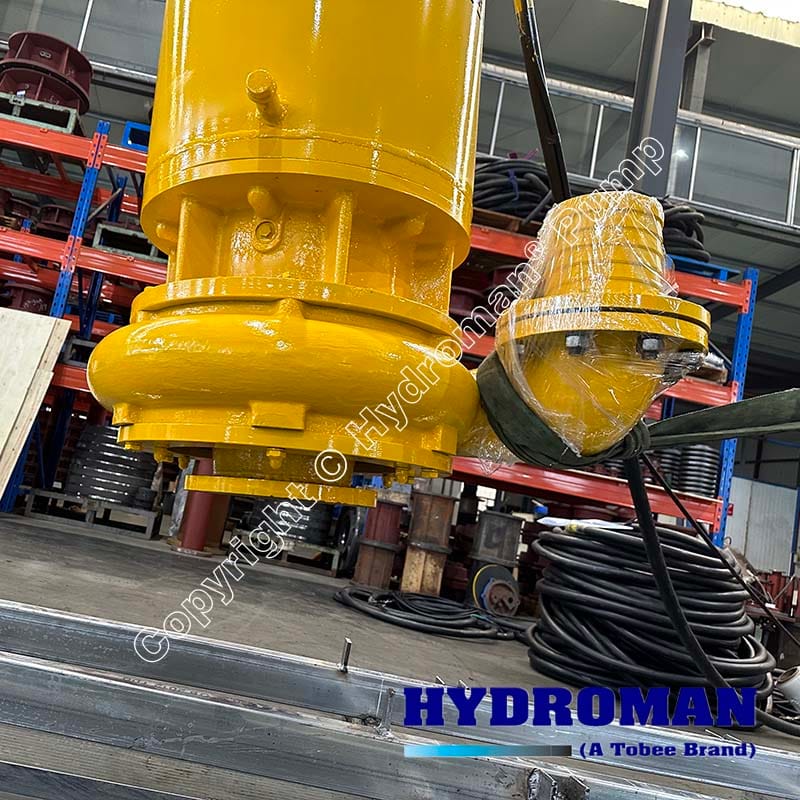
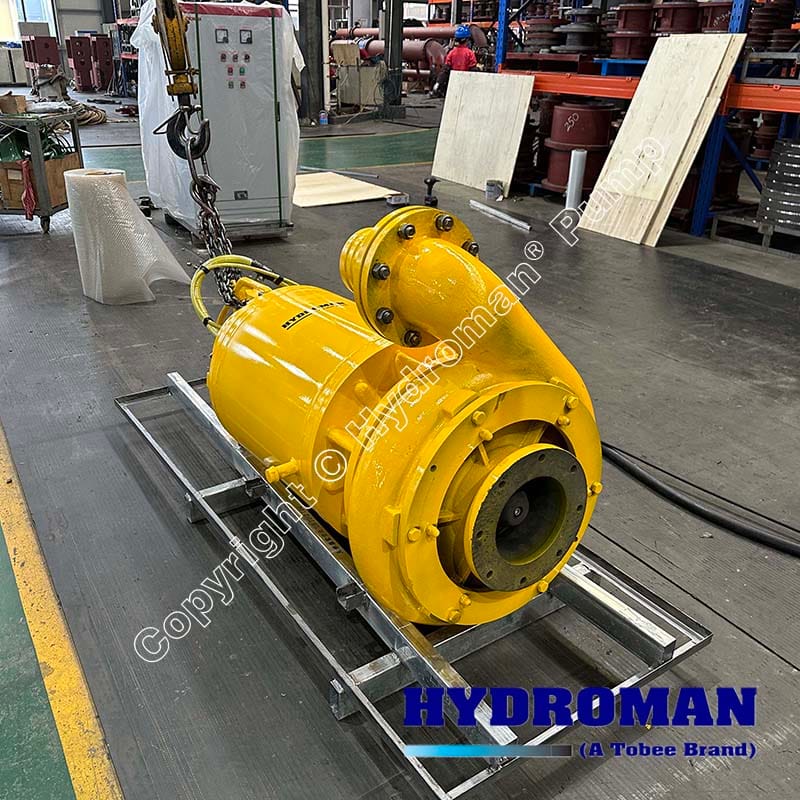
Hydroman® Submersible Trash Water Pump: Heavy-Duty Solids Handling with Cooling Jacket and Agitator
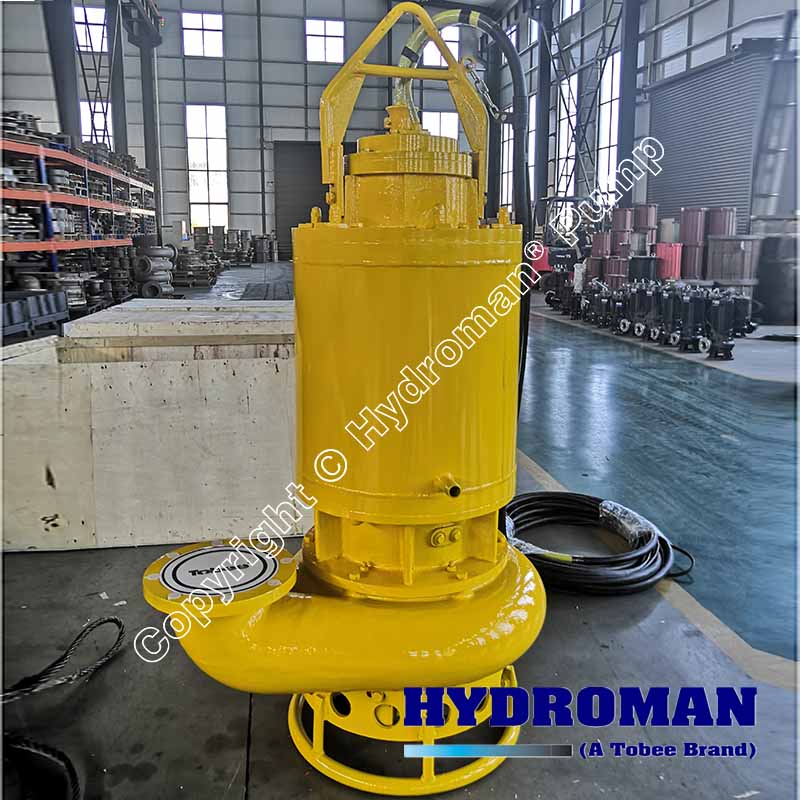
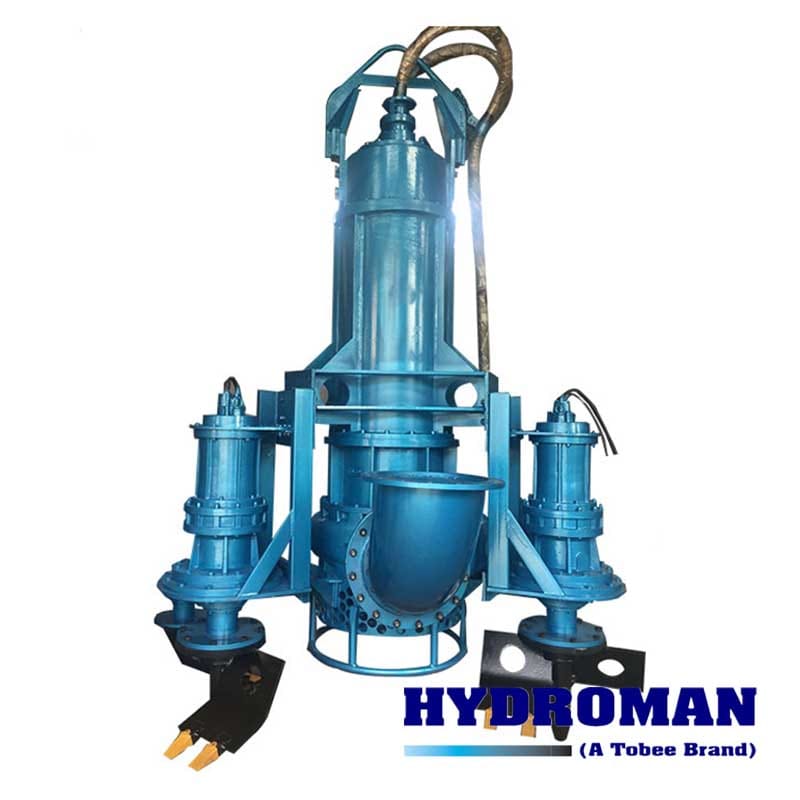
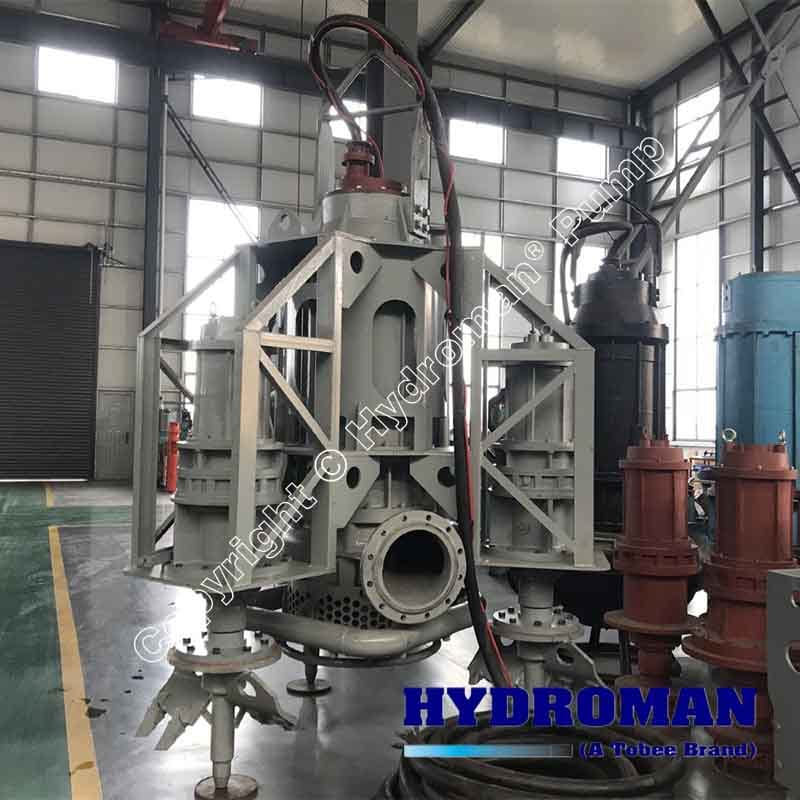
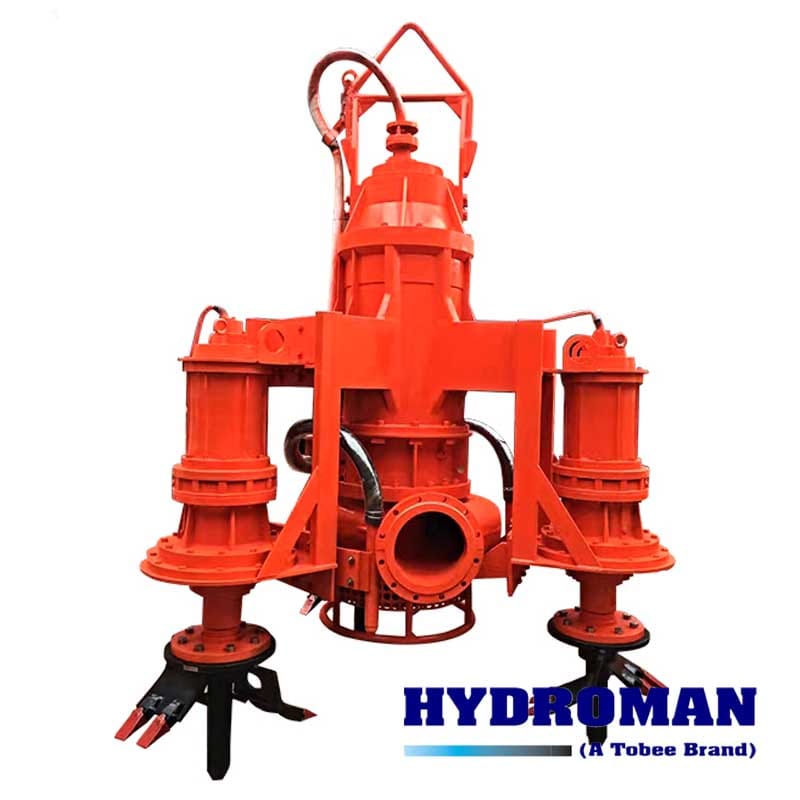
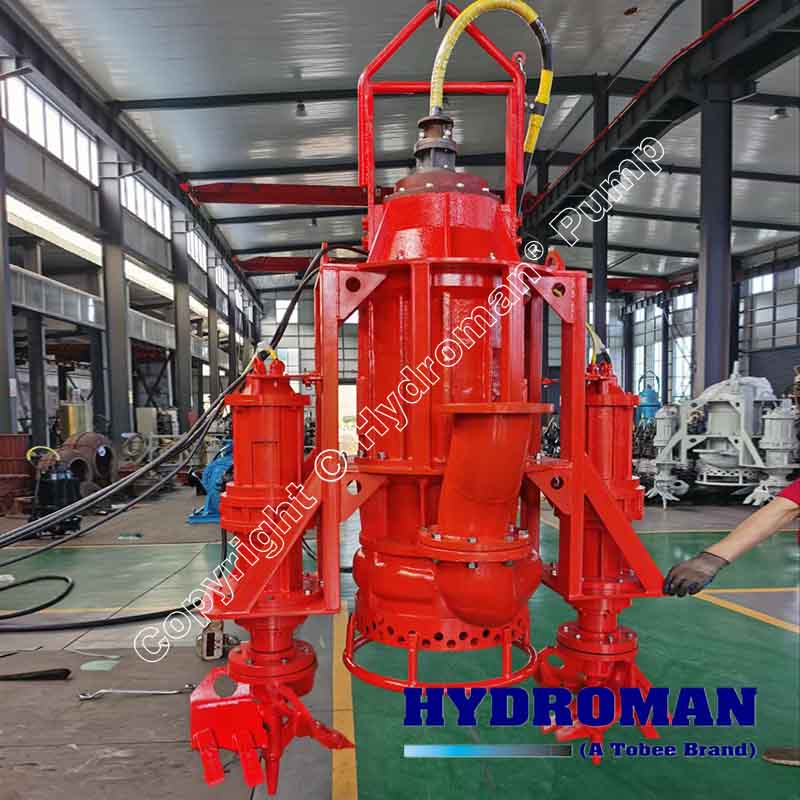
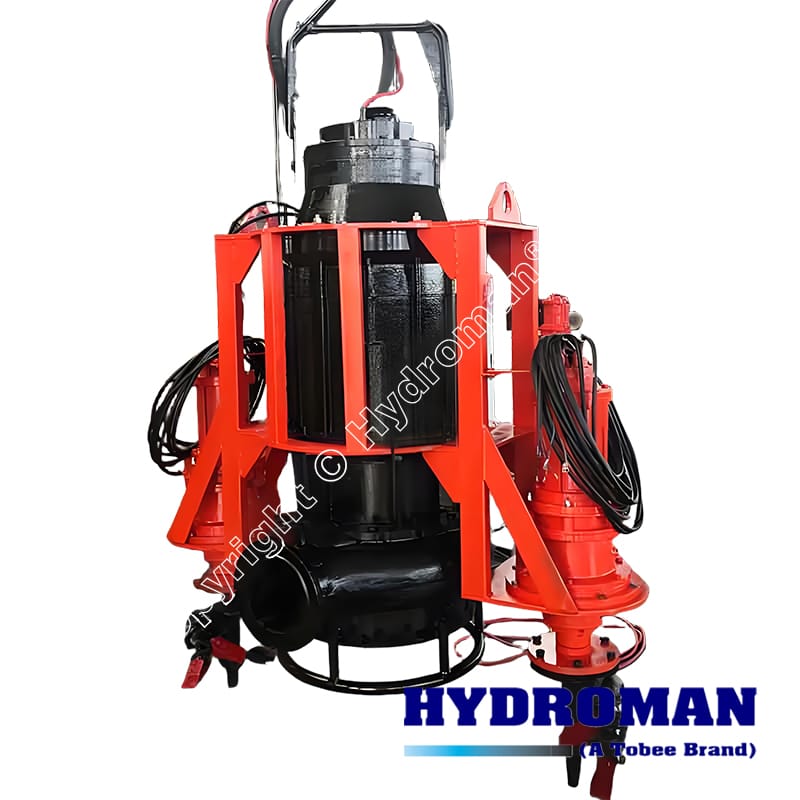
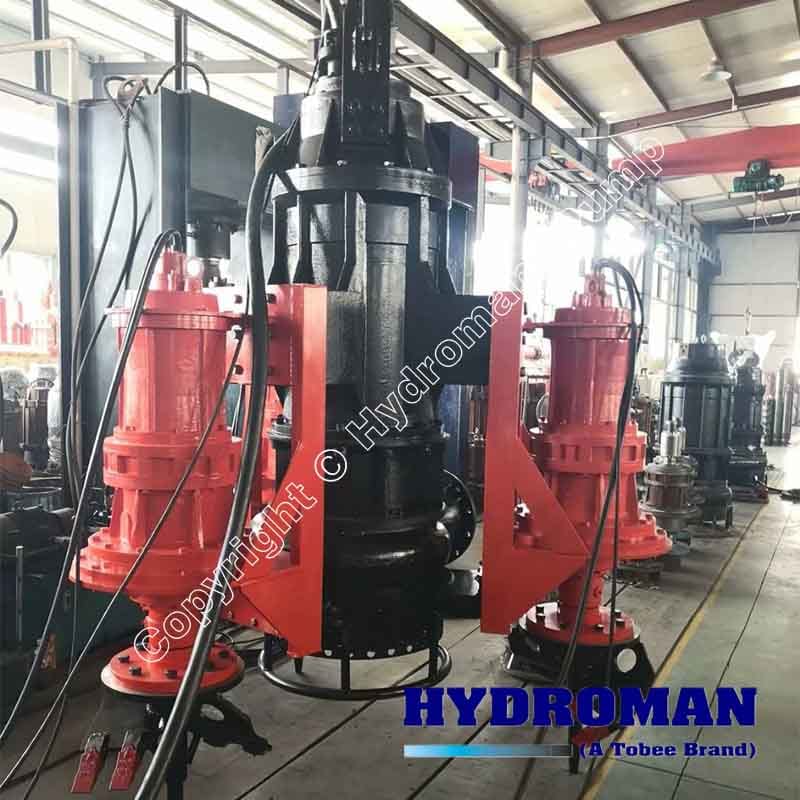
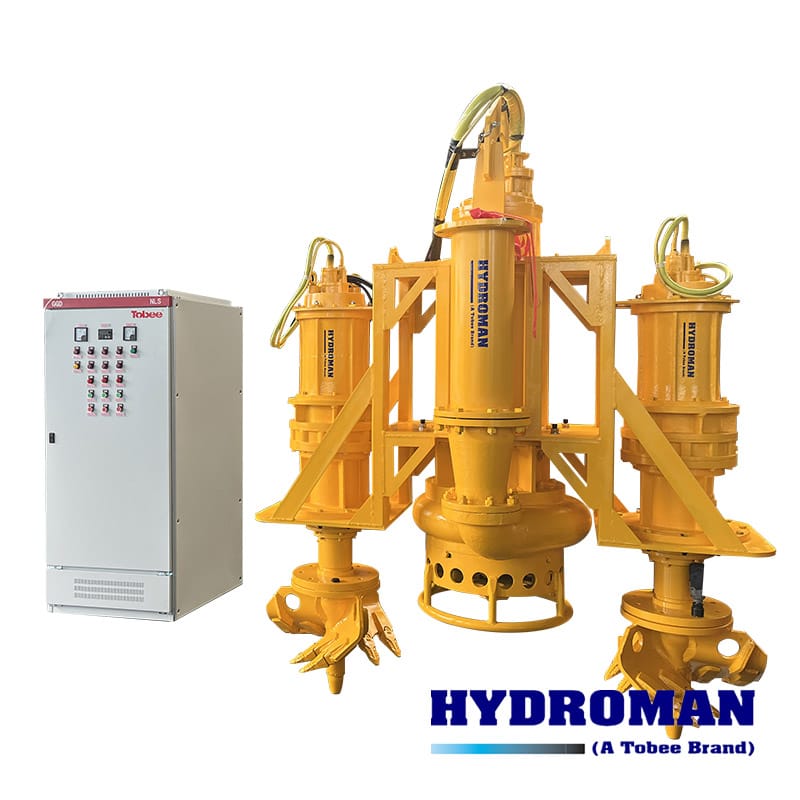
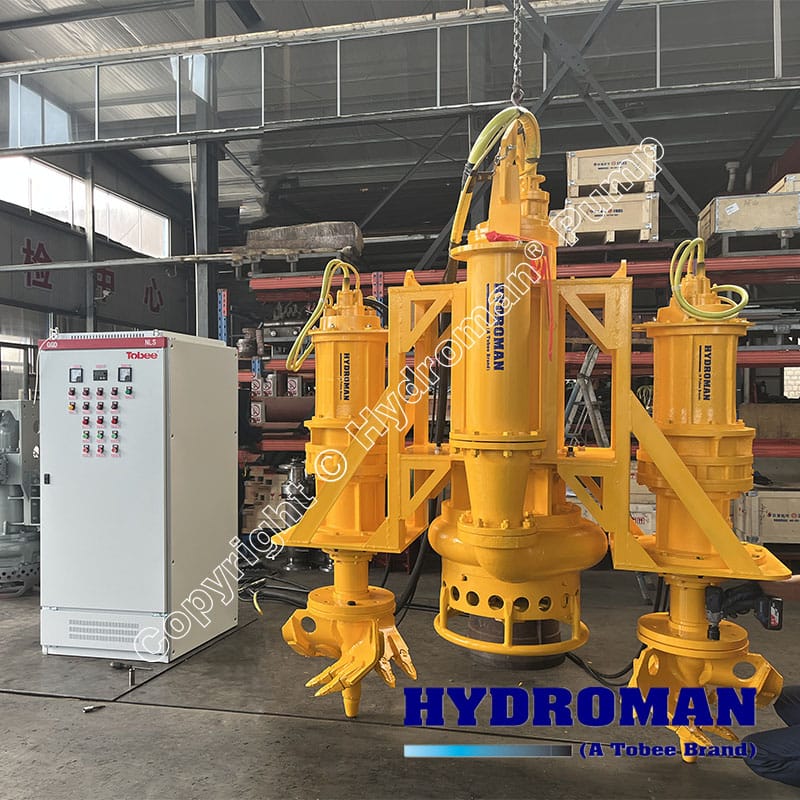
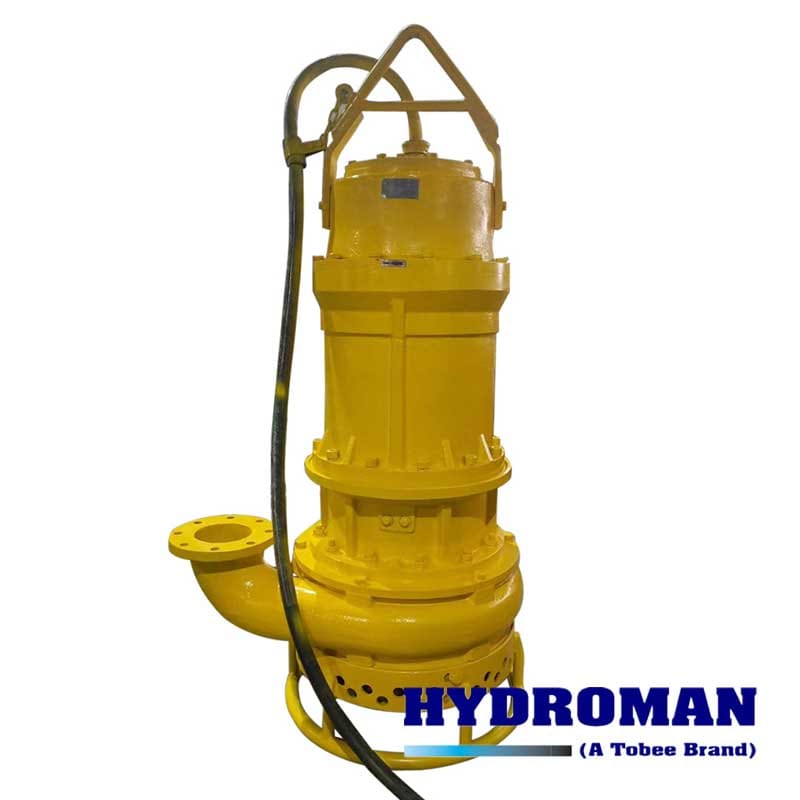
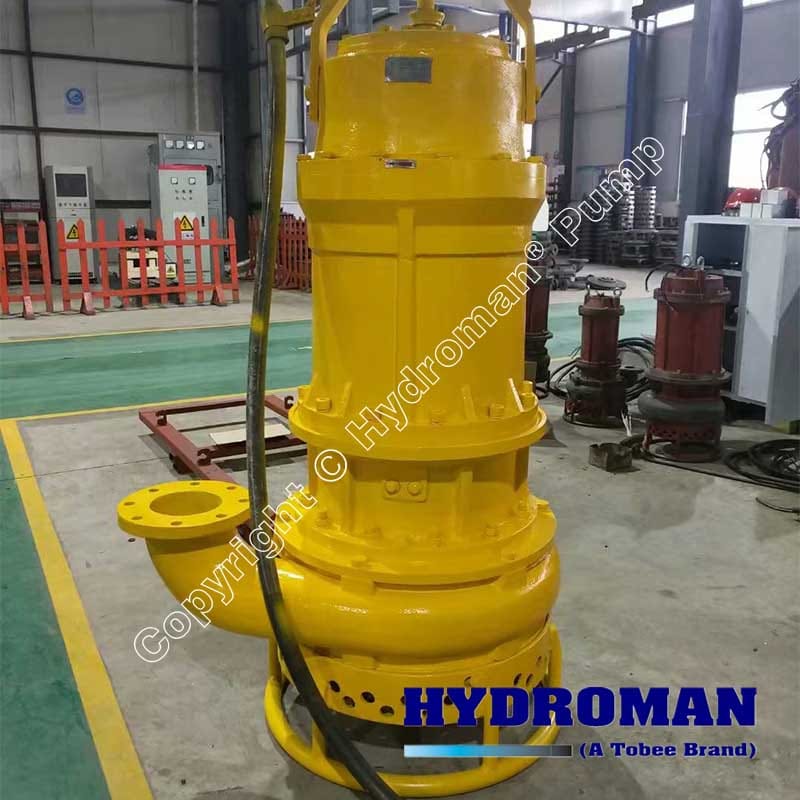
If your site keeps filling with dirty water – silt, gravel, leaves, plant debris, construction fines – a clean-water pump will clog, overheat or wear out long before you finish the job. The Hydroman® submersible trash water pump is built for that situation. It is an electric submersible trash pump that moves water carrying solids, and it comes with two features that make a real difference on hard sites: a cooling jacket to keep the motor in its safe temperature range, and an agitator that stirs up settled sediment so the pump can actually pick it up.
What This Pump Does for You
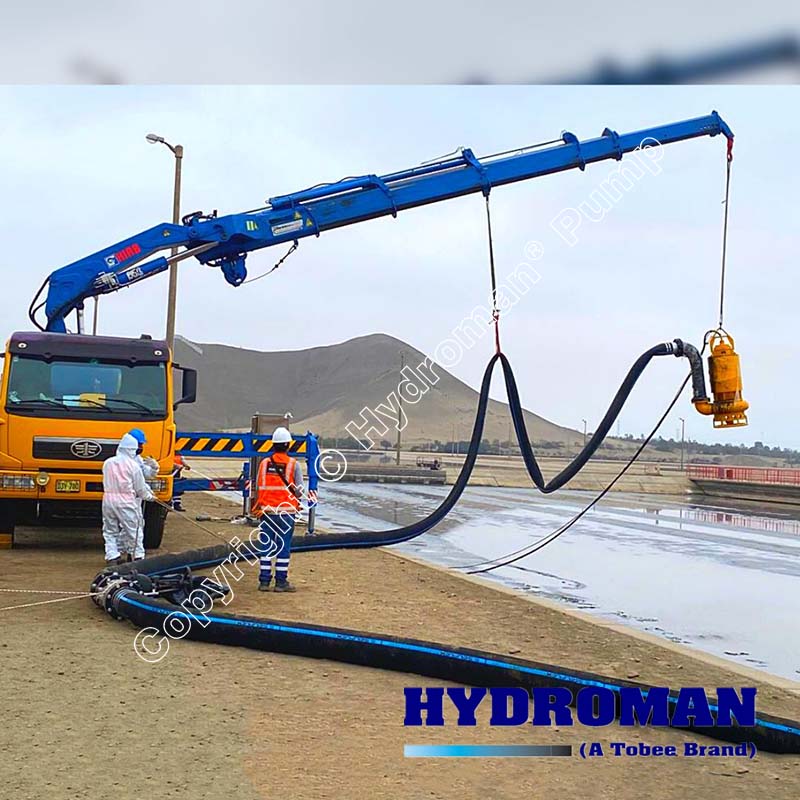
A submersible trash pump sits directly in the water you need to remove. Because the motor and the hydraulic end are one sealed unit, you don't need a priming routine, a suction hose, or an engine to fuel and supervise. You lower the pump, connect the discharge hose, power it up and let it work – which is why an electric trash pump is such a practical choice for dewatering pits, sumps and ponds.
What sets a trash water pump apart from an ordinary drainage pump is the impeller and volute design. Where a clean-water pump may pass only a few millimetres of solids, a trash pump is designed to pass particles commonly in the range of 1.5 to 3 inches (about 38–75 mm), depending on model. That is why contractors, quarry operators and municipal crews reach for a heavy duty trash pump when the water is anything but clean.
Whether you are searching for a submersible trash pump for a one-off excavation or an industrial trash pump to keep on standby for the whole year, the Hydroman® design gives you a compact, electric solution with fewer moving parts to maintain than an engine-driven unit.
Key Features of the Hydroman® Electric Submersible Trash Pump
Cooling Jacket: Keep Running When the Water Gets Low
Most submersible motors depend on the surrounding water to carry heat away. That works until the water level drops, or the pump ends up half-buried in mud. The Hydroman® cooling jacket wraps the motor housing and routes pumped liquid around it, so the motor stays cooler even when it is only partly submerged or sitting in thick, insulating sediment. For you, that means longer continuous run times, less thermal stress on the windings and fewer unexpected trips on motor protection – exactly what you want during a long dewatering shift. | 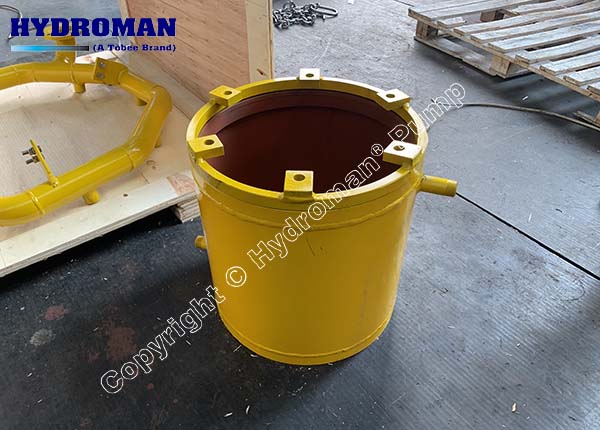 |
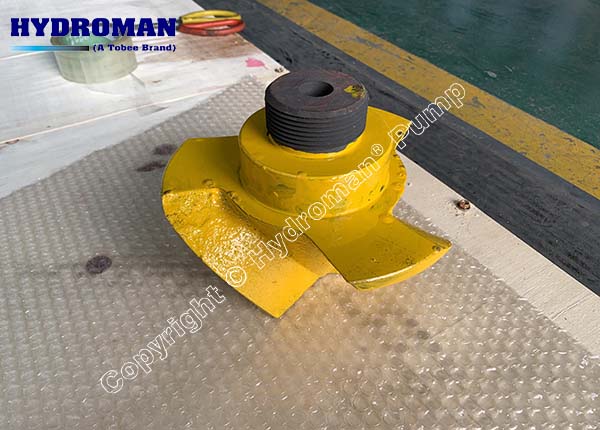 | Agitator: Pull Settled Sediment Into the Pump
Silt, sand and pond muck settle on the bottom and form a layer that a standard pump simply floats above. The built-in agitator churns that layer into suspension right at the intake, so the pump draws it in and discharges it rather than running on clear water above the sludge. If you are cleaning a pond, clearing a sump or emptying a settling basin, this is what turns "pumping the top inch" into actually getting the job done. It also helps prevent solids from packing around the inlet. |
Heavy-Duty Construction
Pumping solids is abrasive. The wet-end parts of a heavy duty trash pump typically use cast iron, ductile iron or stainless steel; for tougher duty, hardened or high-chrome impellers extend service life. Dual mechanical seals (commonly silicon carbide against silicon carbide) with an oil chamber protect the motor from leakage. Confirm the exact materials for your chosen model on its data sheet.
Efficient Solids Handling
A centrifugal trash pump uses a wide-passage, open or semi-open impeller so debris moves through the volute instead of lodging in it. That gives you reliable performance with sand, gravel, leaves, small stones and general construction debris. Long fibrous material – rags, rope, heavy plastic sheeting – is a different story and is better handled by a pump designed for it, so tell us what is actually in your water.
Electric Submersible Operation
No exhaust, no refuelling and much lower noise than a petrol or diesel trash pump – a real advantage in tunnels, basements, enclosed pits and near occupied buildings. Available power configurations depend on the model; common industrial options include 220/380/415 V at 50 or 60 Hz, single or three phase. Typical motor protection includes a thermal sensor in the windings and an IP68-rated cable entry.
Optional Float Switch and Control Panel
For sumps and pits that fill unattended, a submersible trash pump with float switch starts when the level rises and stops when it falls, protecting the pump from dry running. Where available for your model, a control panel can add overload protection, hour counting and alarm contacts. Let us know at the enquiry stage if you need automatic operation.
High-Volume Water Transfer
If you need a high volume trash pump, flow is only half the story – what matters is flow at your working head. Models in this class typically move anywhere from about 20 to over 300 m³/h (roughly 90 to 1,300 GPM), with total head from roughly 8 m to 40 m (26–130 ft) depending on motor power. Look at the performance curve, not just the headline number.
Technical Specifications and Typical Ranges
The table below shows what you can generally expect from a submersible trash pump in this class, alongside the points we confirm with you for each Hydroman® model. Ask us for the model-specific data sheet and performance curve before you place an order.
| Parameter | Typical range for this pump class | Hydroman® 150TJQ55 |
|---|---|---|
| Drive type | Electric, submersible motor | Electric |
| Rated power | 1.5 – 30 kW (2 – 40 HP) | 55 kW |
| Discharge outlet | 2" – 8" (50 – 200 mm) | 150 mm |
| Flow rate | 20 – 300+ m³/h (90 – 1,300+ GPM) | 100 m³/h |
| Total head | 8 – 40 m (26 – 130 ft) | 35m |
| Max. solids passage | 38 – 75 mm (1.5 – 3 in) | 50 mm |
| Liquid temperature | Up to 40 °C (104 °F) standard | ≤ 80℃ |
| Motor protection | IP68, insulation class F, thermal sensor | IP 68 |
| Cooling | Cooling jacket | Included |
| Agitator | Intake agitator for settled sediment | Included |
| Control options | Float switch, control panel | Optional |
Real-world flow and head depend on the duty point, hose or pipe length, fittings, elevation and the liquid itself. As a rule of thumb, 1 m of head equals about 9.81 kPa of pressure (10 ft ≈ 4.3 psi).
Where You Can Use a Submersible Trash Water Pump
Construction Site Dewatering
Foundations, trenches and excavations collect rain and groundwater loaded with soil fines and small stones. A trash water pump keeps the site workable without being stopped by every handful of grit.
Industrial Wastewater Transfer
For plant sumps, process pits and cooling-basin cleanouts, an electric waste water pump in this class moves liquid carrying moderate solids. Always tell us the liquid's chemistry, temperature and solids content so we can confirm suitable materials.
Mining and Quarry Dewatering
Sumps in mines and quarries collect sandy, gritty water around the clock. The cooling jacket helps the motor survive long duty cycles, and the agitator keeps settled fines moving toward the pump.
Pond Cleaning and Muck Removal
Draining a farm, fish or ornamental pond? A pond trash pump with an agitator is far more effective on silt and leaf litter than a standard pump. For a trash pump pond muck job, light to moderate sediment is fine; very thick, highly abrasive slurry is better served by a dedicated submersible slurry pump.
Emergency Drainage and Flood Removal
Flooded basements, car parks, plant pits – you need to get water out fast, and the water is rarely clean. A portable electric unit is easy to deploy wherever you have power.
Irrigation and Water Transfer
If you draw from a pond, canal or reservoir, a trash pump for irrigation lets you move water without constant filter clogging. For a trash pump irrigation system, match the pump to the sprinkler or drip pressure you actually need, and allow for friction in long pipe runs.
 |  |  |
How to Choose the Right Submersible Trash Pump
1. Work out your flow. Divide the volume of water by the time you have. Emptying 500 m³ in 10 hours, for example, requires around 50 m³/h at your duty point.
2. Calculate total dynamic head. Add the vertical lift to friction losses in the hose or pipe and fittings. Long runs, narrow hose and extra elbows can add a surprising amount, and every pump loses flow as head rises.
3. Check solids and liquid. Note the biggest particle, how much is sand or silt, whether the liquid is abrasive, hot or corrosive, and whether any fibrous material is present.
4. Match the inlet and outlet. A trash pump inlet and outlet must suit your installation. Submersible pumps draw water through the intake at the base of the pump and discharge through a single outlet, so confirm the discharge size and hose connection type for your model before ordering hose and fittings.
5. Confirm power and controls. Voltage, frequency, phase, cable length and starting method all need to match your supply – and tell us if you want a float switch or control panel.
Hydroman® Submersible Trash Pump vs. Other Pump Types
| Pump type | Best for | Key consideration |
|---|---|---|
| Submersible trash pump | Dirty water with sand, gravel, leaves and debris | Solids passage and flow at your head |
| Submersible sewage pump | Wastewater with fibrous or organic solids | Impeller type (vortex or cutter) and clogging risk |
| Submersible slurry pump | Dense, abrasive slurry | Wear-resistant materials and solids concentration |
| Clean-water submersible pump | Clear or lightly dirty water | Flow, head, and low solids tolerance |
Why Buyers Choose Hydroman®
You are not just buying a pump; you are buying fewer stoppages. With the cooling jacket and agitator built into the Hydroman® design, you get a pump suited to low water levels and settled sediment – two situations where standard pumps struggle. We help you select a model based on your real duty point, supply the technical data you need to compare, and discuss materials and controls to fit your liquid. If you are comparing a trash pump price against other options, ask for the full data sheet so you can compare like for like: motor rating, solids passage, materials and curve.
Frequently Asked Questions
What is a submersible trash water pump?
It is a pump with a sealed electric motor that works while submerged, designed to pass water containing solids such as sand, gravel and debris – something a clean-water pump is not built to do.
What is the difference between a trash pump and a sewage pump?
A trash pump is designed for water with abrasive or gritty solids such as sand, stones and debris, while a sewage pump focuses on organic wastewater and stringy material. Their impeller shapes and solids capacity differ, so choose by what is in your liquid.
Can an electric submersible trash pump handle mud and sand?
Light to moderate sand and silt, yes – and the agitator helps lift settled material into the pump. Dense, highly abrasive slurry is usually better handled by a slurry pump. Tell us the solids concentration and we will advise.
Does the pump have a float switch?
A float switch is available as an option on suitable configurations. Confirm it when you enquire so we can quote the right set-up.
How do I choose the right trash pump size?
Send us your required flow, total head, discharge size, maximum solids size, liquid type and power supply. That is enough for us to recommend a model.
What affects the price of a submersible trash pump?
Motor power, flow and head, materials, cable length, control options and order quantity all play a part. Because of this, we quote against your application rather than a fixed list price.
How can I get a quote for Hydroman® trash pumps?
Fill in the enquiry form with your working conditions and target performance, and our team will reply with a recommended model and quotation.
Request a Quote for the Hydroman® Submersible Trash Water Pump
Looking for submersible trash pumps for sale or a project-specific price? Send us the following and we will match you with a model:
- Required flow rate and total head
- Liquid type and solids size or concentration
- Discharge pipe or hose diameter
- Power supply (voltage, frequency, phase)
- Installation environment and whether you need a float switch
- Order quantity and delivery destination
Contact Hydroman® for Pump Selection and a Project-Specific Quote







Reviews
0%
0%
0%
0%
0%
Share your thoughts with other customers
Write a Review