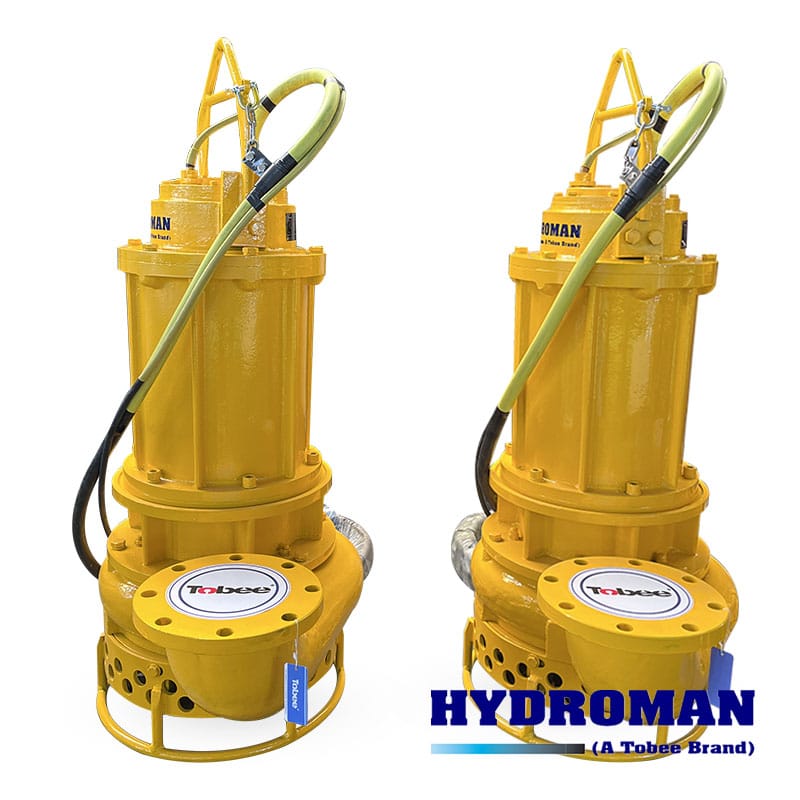
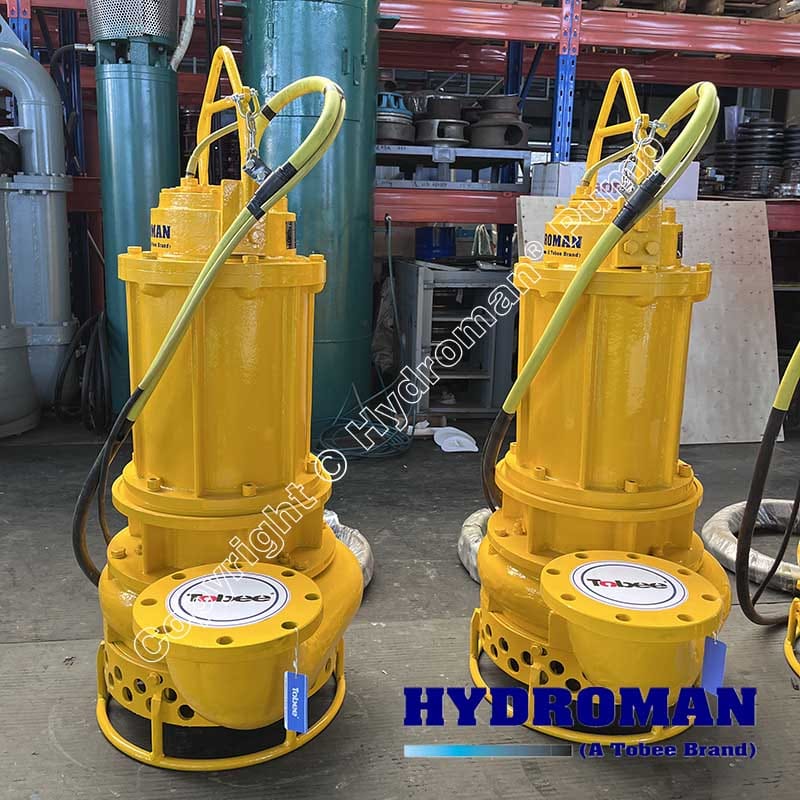
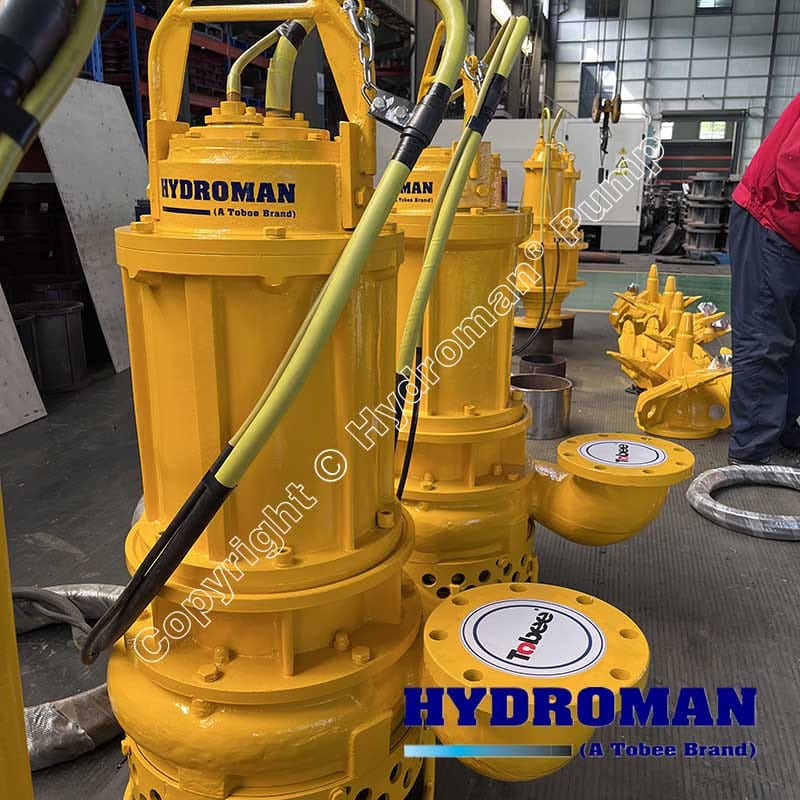
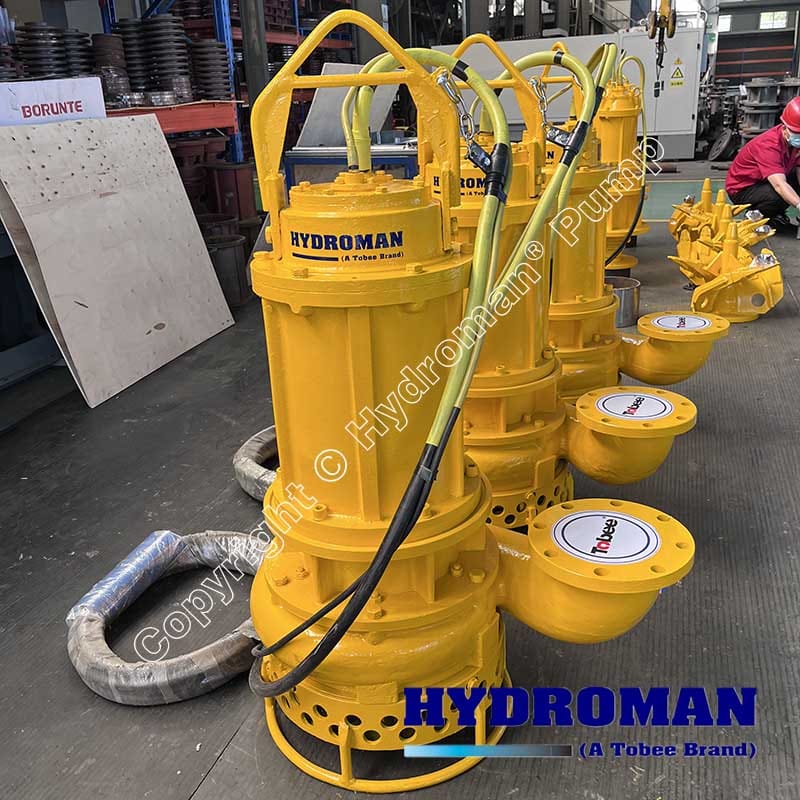
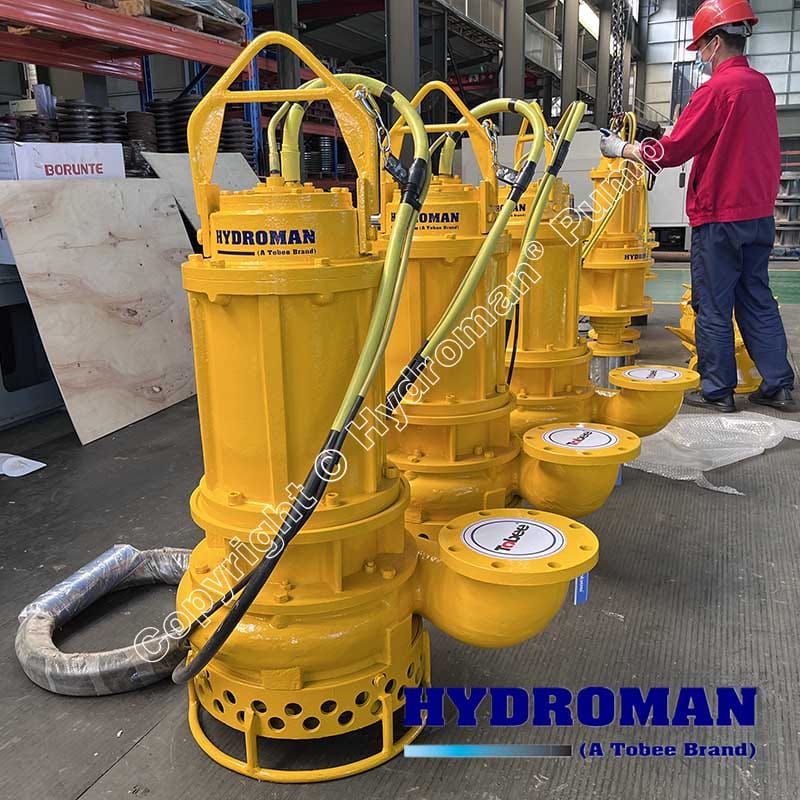
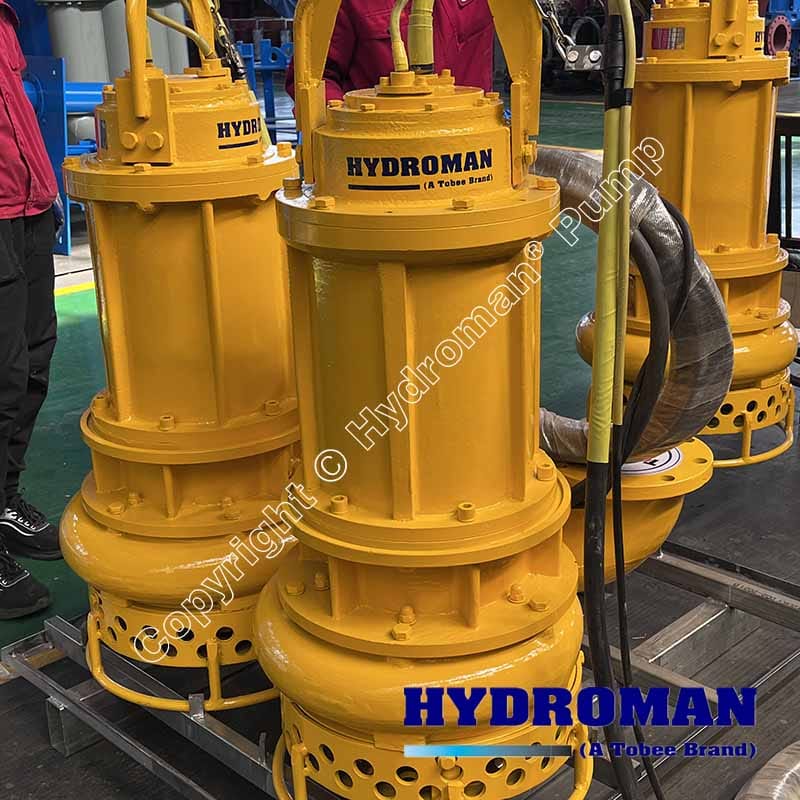
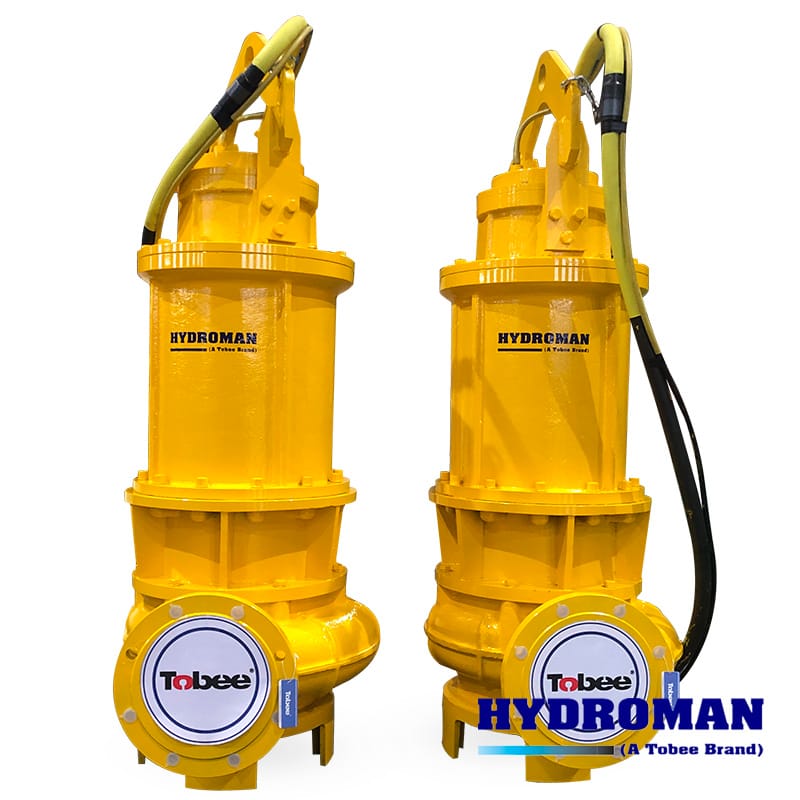
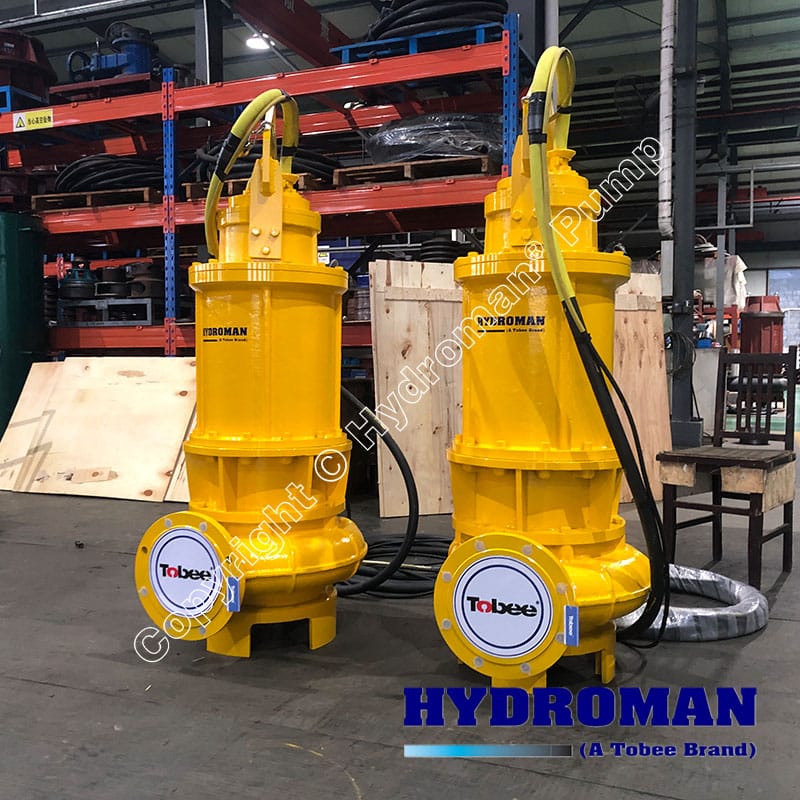
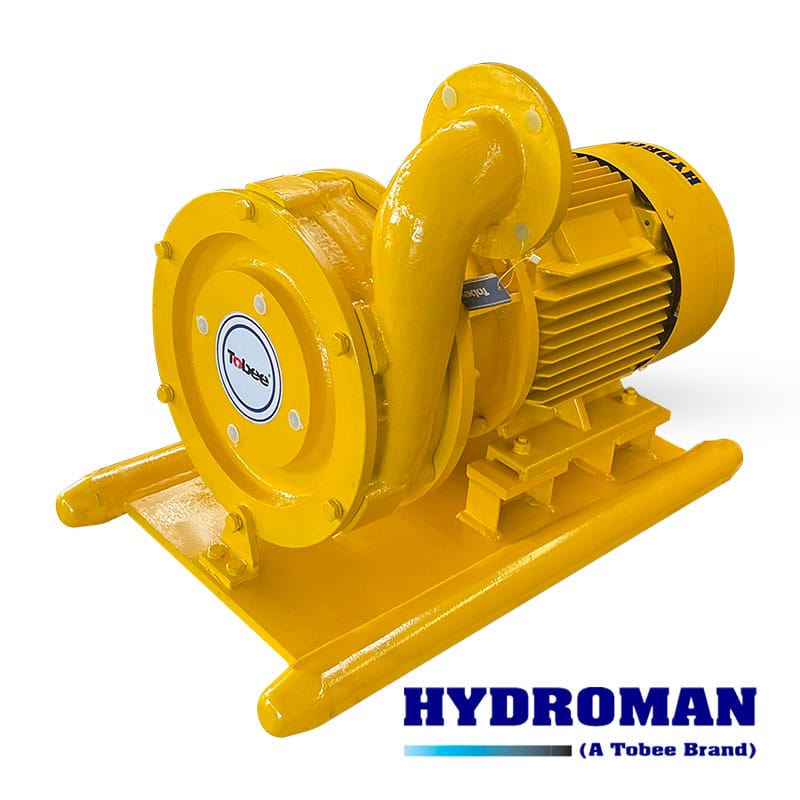
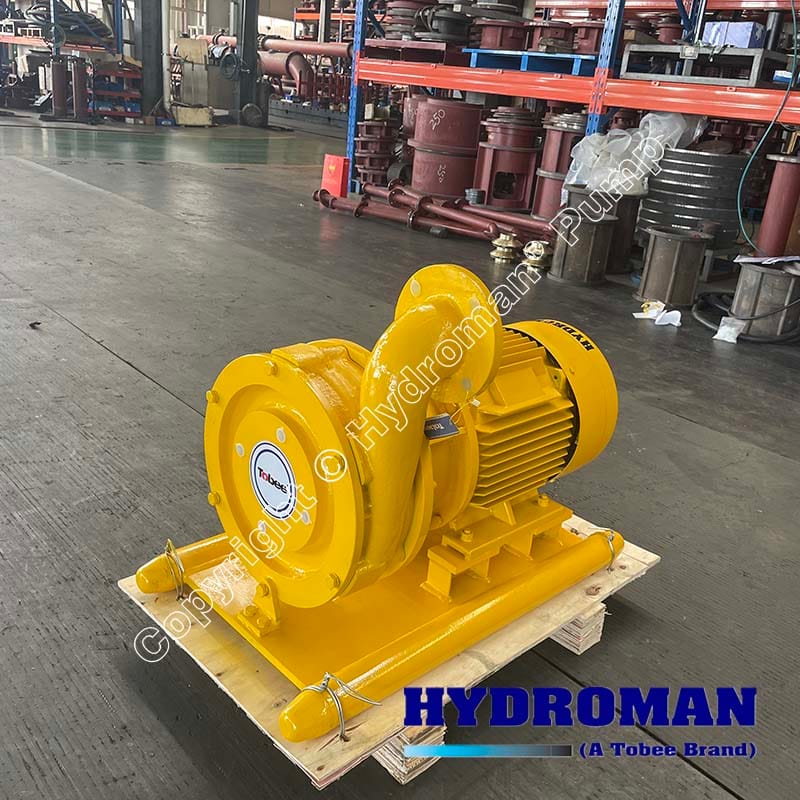
Hydroman® TJQ submersible harbor dredging pump equipped with a high-chrome impeller and a powerful motor, the pump was submerged into the water. This type pump's unique design allowed it to handle the thick slurry of sand, silt, and small debris that had accumulated over time. This not only improved the safety of vessel operations but also increased the port's throughput capacity.
▪ Powerful Suction and Discharge:
This pump is equipped with a high-efficiency impeller, enabling it to generate a strong suction force. It can handle a wide range of materials commonly found in harbor areas, such as sand, silt, and small debris. The maximum flow rate can reach up to 4000m3/h capacity, ensuring rapid and efficient dredging operations.
▪ Solid-Handling Capacity:
Designed to deal with solids-laden slurries, our submersible harbor dredging pump can handle solid particles of a significant size. It can pass solids up to 120 mm in diameter, which is crucial for dredging in areas where there are larger pieces of debris or rocks mixed with the sediment. The pump's impeller and casing are constructed in a way that minimizes the risk of clogging, even when working with high-density slurries.
▪ Wear-Resistant Materials:
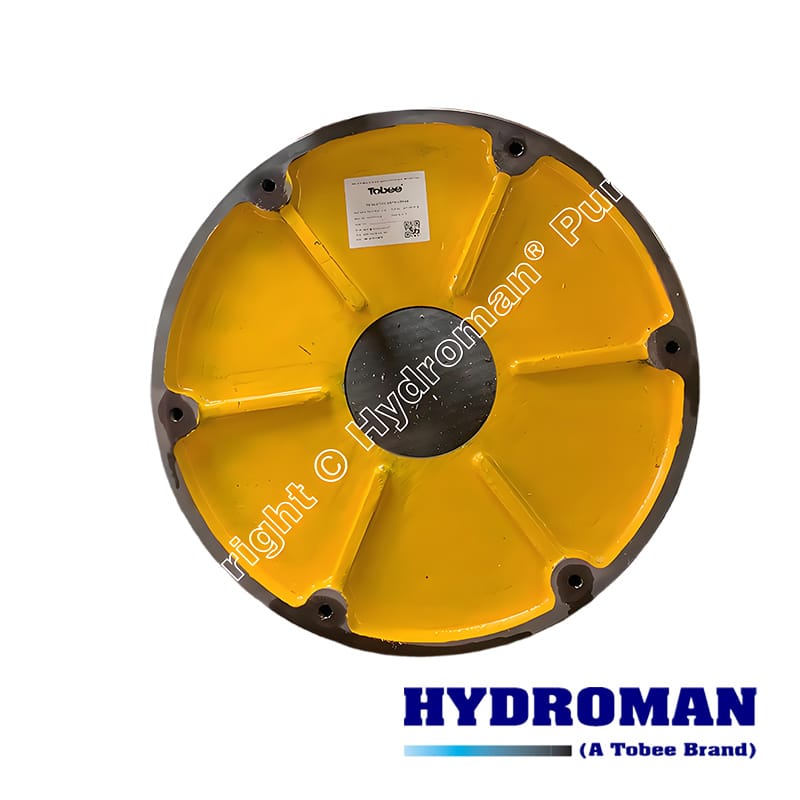
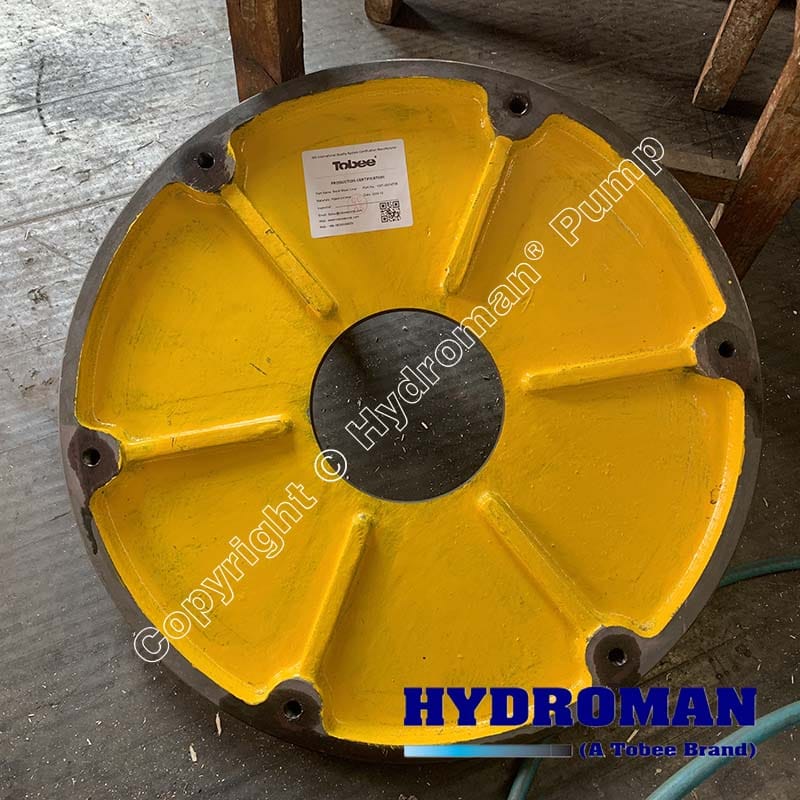
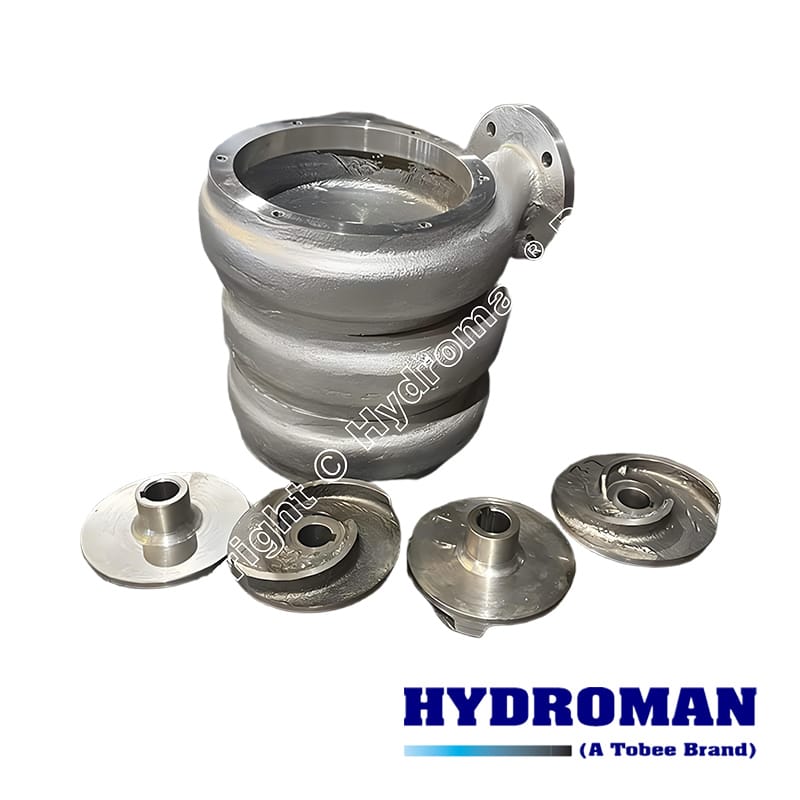
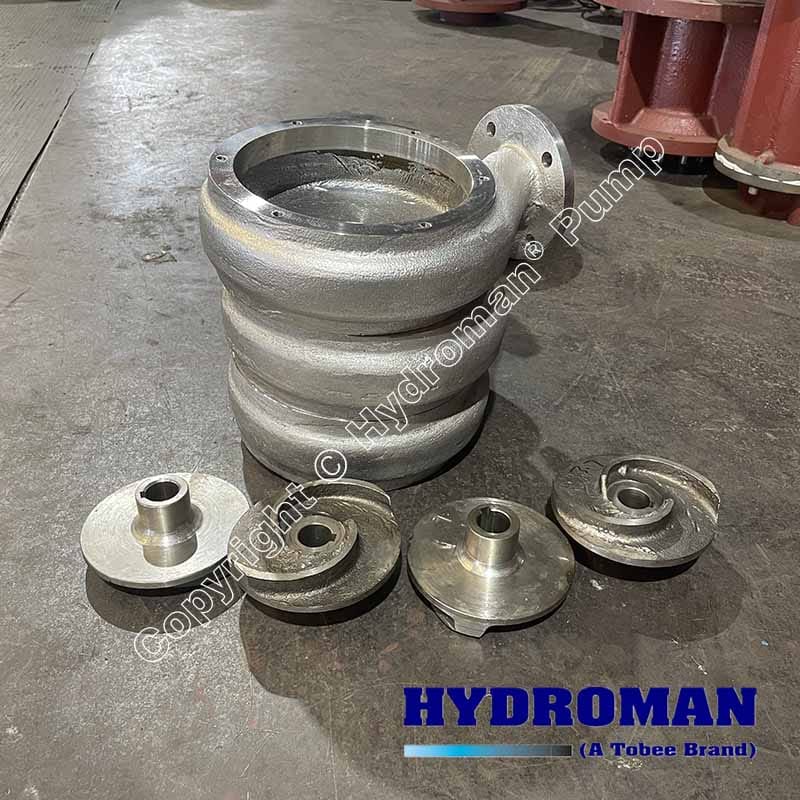
The pump's wetted parts, including the impeller, casing, and suction cover, are made from high-quality, wear-resistant materials. High-chrome alloys are commonly used for these components, providing excellent resistance to the abrasive nature of the dredged materials. This ensures a long service life, reducing the need for frequent replacements and maintenance, and ultimately lowering the overall operating costs.
▪ Sealing and Protection:
A reliable double mechanical seal system is employed to prevent leakage and ensure the pump's integrity when operating underwater. The seal is designed to withstand high pressures and the harsh conditions of the harbor environment. Additionally, the motor of the submersible pump is equipped with multiple protection mechanisms, such as over-temperature protection and moisture-detection sensors. These safeguards protect the motor from damage, allowing for continuous and safe operation in challenging dredging applications.
▪ Installation Flexibility:
The submersible design of the pump allows for easy installation in various harbor settings. It can be directly lowered into the water using a crane or other lifting equipment. The pump can also be mounted on a floating barge or a pontoon, providing mobility and flexibility during dredging operations. This ease of installation reduces the setup time and associated costs, enabling the dredging work to start promptly.
No. | Model | Size (mm) | Capacity Q (m3/h) | Head H (m) | Power P (kw) | Eff. η (%) | Speed n (r/min) | Max. particles (mm) | Weight (kg) |
1 | 150TJQ150-18-18.5 | 150 | 150 | 18 | 18.5 | 49 | 980 | 32 | 550 |
2 | 150TJQ200-12-18.5 | 150 | 200 | 12 | 18.5 | 53 | 980 | 45 | 550 |
3 | 150TJQ150-22-22 | 150 | 150 | 22 | 22 | 47 | 980 | 32 | 600 |
4 | 150TJQ200-15-22 | 150 | 200 | 15 | 22 | 50 | 980 | 45 | 600 |
5 | 150TJQ60-46-30 | 150 | 60 | 46 | 30 | 41 | 980 | 14 | 550 |
6 | 150TJQ70-38-30 | 150 | 70 | 38 | 30 | 42 | 980 | 21 | 710 |
7 | 150TJQ100-35-30 | 150 | 100 | 35 | 30 | 44 | 980 | 21 | 710 |
8 | 150TJQ108-30-30 | 150 | 108 | 30 | 30 | 44 | 980 | 21 | 710 |
9 | 150TJQ150-30-30 | 150 | 150 | 30 | 30 | 46 | 980 | 21 | 710 |
10 | 150TJQ150-35-30 | 150 | 150 | 35 | 30 | 46 | 980 | 21 | 710 |
11 | 150TJQ200-20-30 | 150 | 200 | 20 | 30 | 52 | 980 | 21 | 710 |
12 | 150TJQ240-20-30 | 150 | 240 | 20 | 30 | 55 | 980 | 21 | 710 |
13 | 150TJQ100-50-37 | 150 | 100 | 50 | 37 | 44 | 980 | 21 | 850 |
14 | 150TJQ150-35-45 | 150 | 150 | 35 | 45 | 47 | 980 | 36 | 1000 |
15 | 150TJQ200-30-45 | 150 | 200 | 30 | 45 | 49 | 980 | 36 | 1110 |
16 | 150TJQ150-45-55 | 150 | 150 | 45 | 55 | 46 | 980 | 21 | 1140 |
17 | 150TJQ250-35-55 | 150 | 250 | 35 | 55 | 51 | 980 | 36 | 1140 |
18 | 150TJQ200-45-75 | 150 | 200 | 45 | 75 | 49 | 980 | 21 | 1540 |
19 | 150TJQ200-50-75 | 150 | 200 | 50 | 75 | 48 | 980 | 14 | 1550 |
20 | 150TJQ200-60-90 | 150 | 200 | 60 | 90 | 48 | 980 | 14 | 1550 |
▪ Marine and Port Dredging:
It is widely used in ports, harbors, and waterways to remove sediment, silt, sand, and debris that accumulate on the seabed or riverbed. This helps maintain sufficient water depth for vessel navigation, ensuring safe and smooth shipping operations.
▪ Mining Operations:
In mining, the pump plays a crucial role in handling mineral slurries. It can transport tailings (the waste material left after mineral extraction) from mining sites to tailings ponds or processing facilities. Additionally, it is used for dewatering mining pits and transferring ore slurries during mineral processing.
▪ River and Lake Restoration:
To address issues like siltation, pollution, and habitat degradation in rivers and lakes, the pump is employed to dredge up accumulated sediments, organic matter, and contaminants. This helps restore water flow, improve water quality, and recreate healthy aquatic ecosystems.
▪ Construction and Infrastructure Projects:
It is utilized in construction sites for tasks such as dewatering excavation pits, removing slurry generated during foundation work (e.g., piling), and transporting dredged materials for land reclamation or filling. It is also used in building canals, dams, and other water-related infrastructure.
▪ Beach Nourishment:
To combat coastal erosion, the pump is deployed to extract sand from offshore sources (such as sandbars) and pump the sand-laden slurry to beaches, replenishing the sand and restoring the beach’s structure.
▪ Wastewater and Industrial Sludge Handling:
Industries like wastewater treatment plants, chemical plants, and paper mills generate large amounts of sludge and viscous slurries. The pump can efficiently transfer these materials for further treatment, disposal, or recycling.
For more information or to customize your submersible pumps, contact us!
Contact: Bella Zhang
Submitted successfully
Your submission has been received. Thanks for your time

 FR(EUR)
 CN(CNY)
 GB(GBP)
 AU(AUD)





Reviews
0%
0%
0%
0%
0%
Share your thoughts with other customers
Write a Review