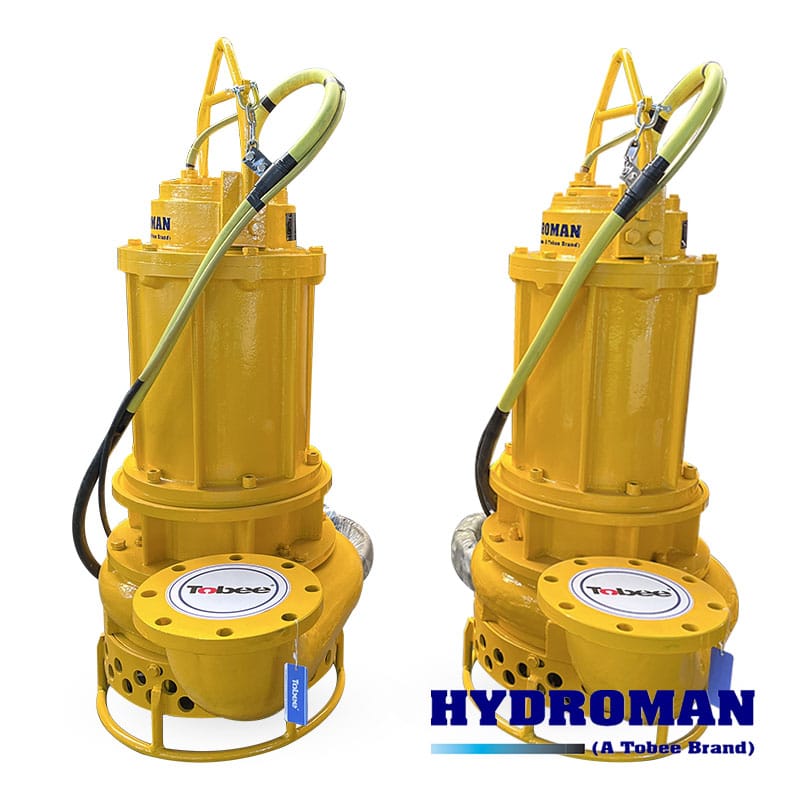
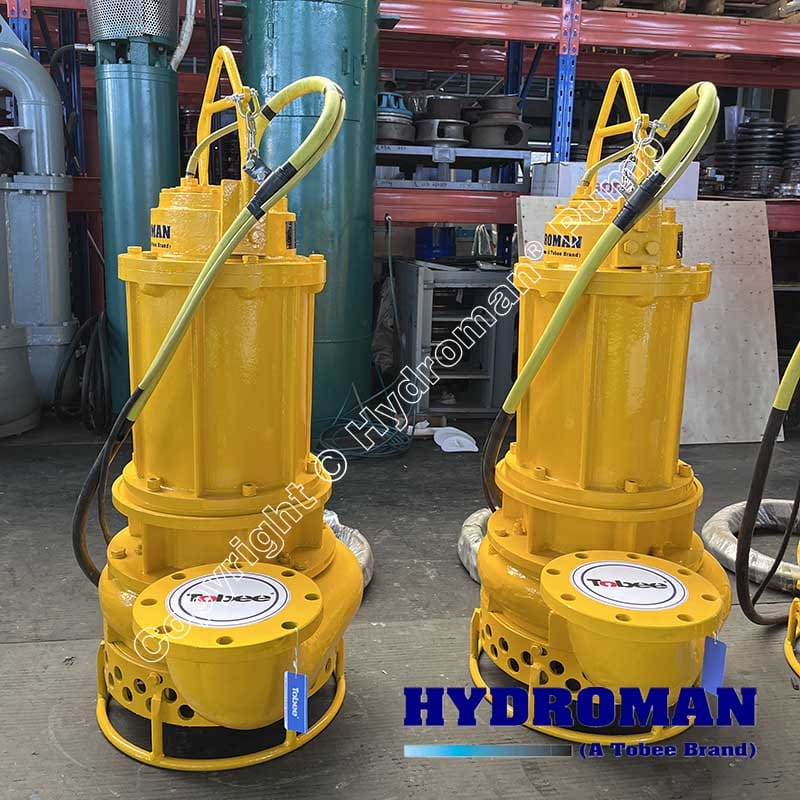
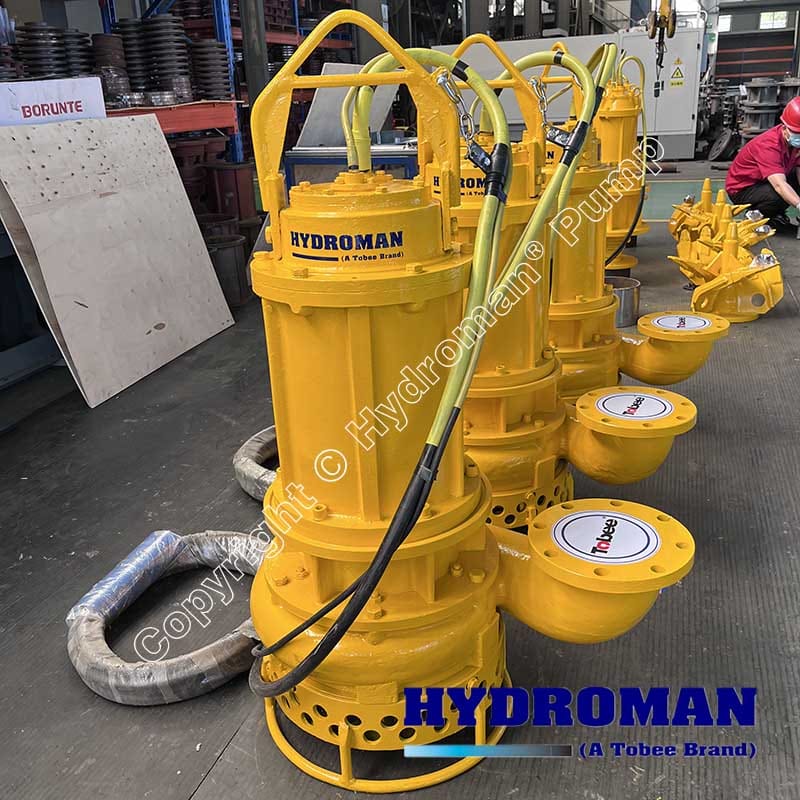


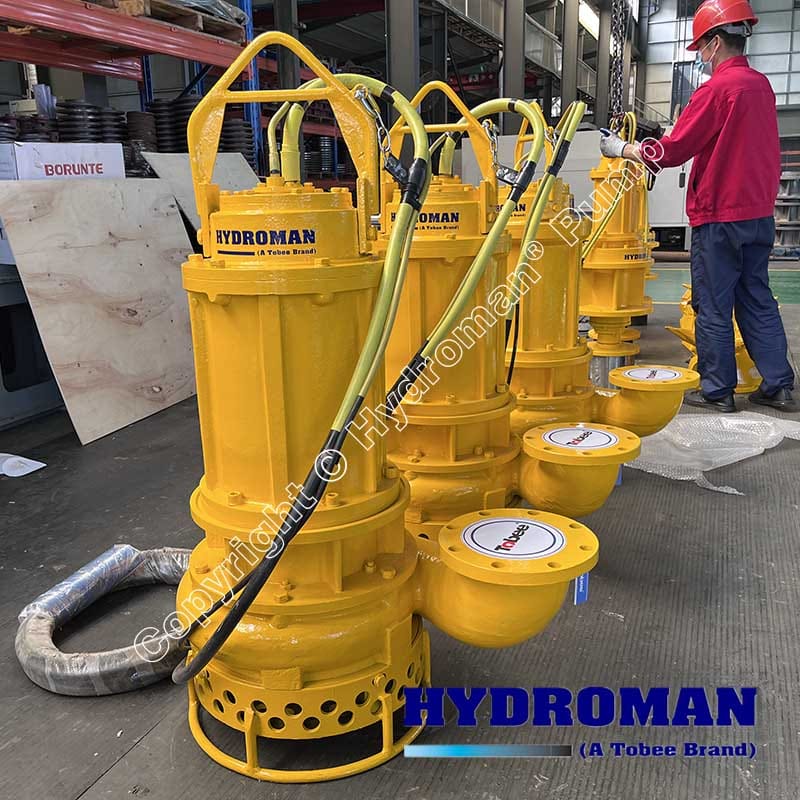
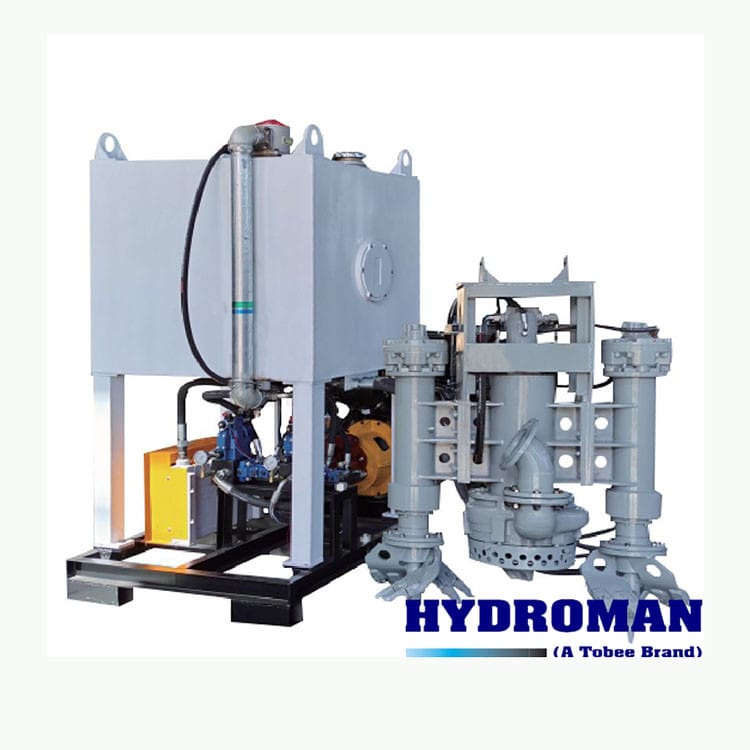
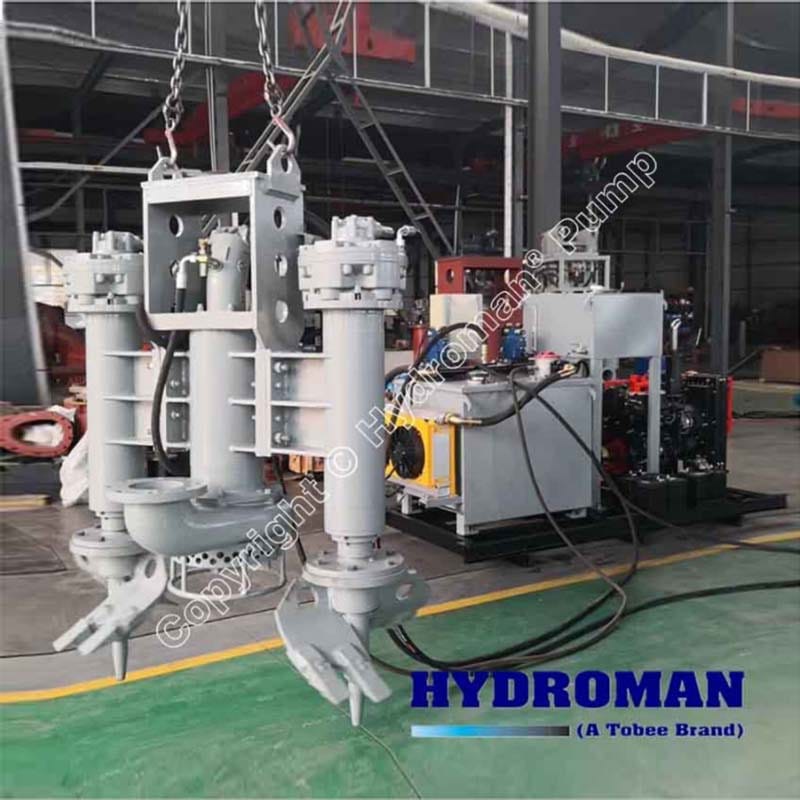
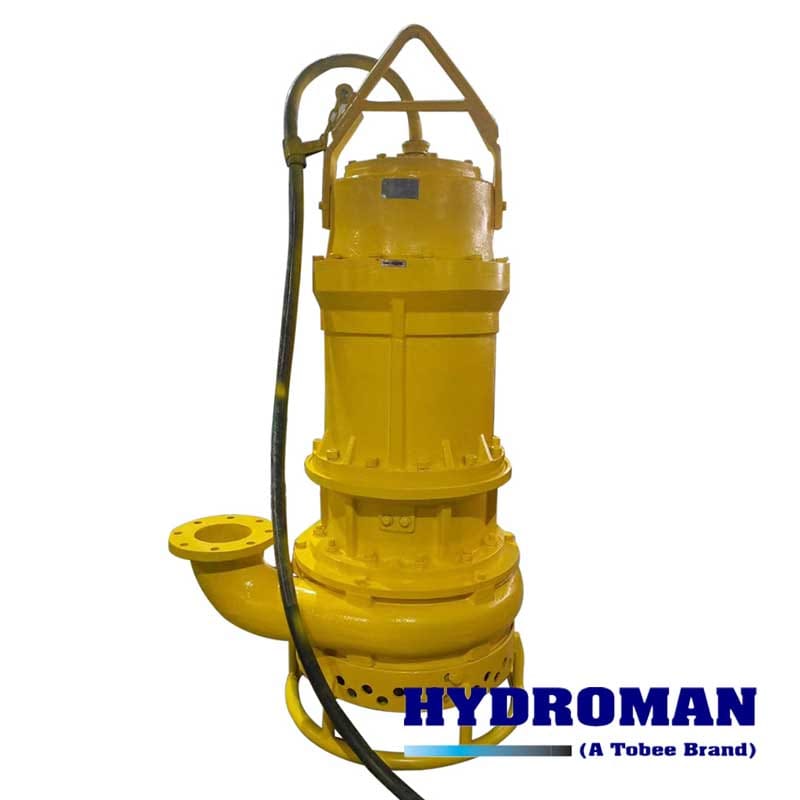
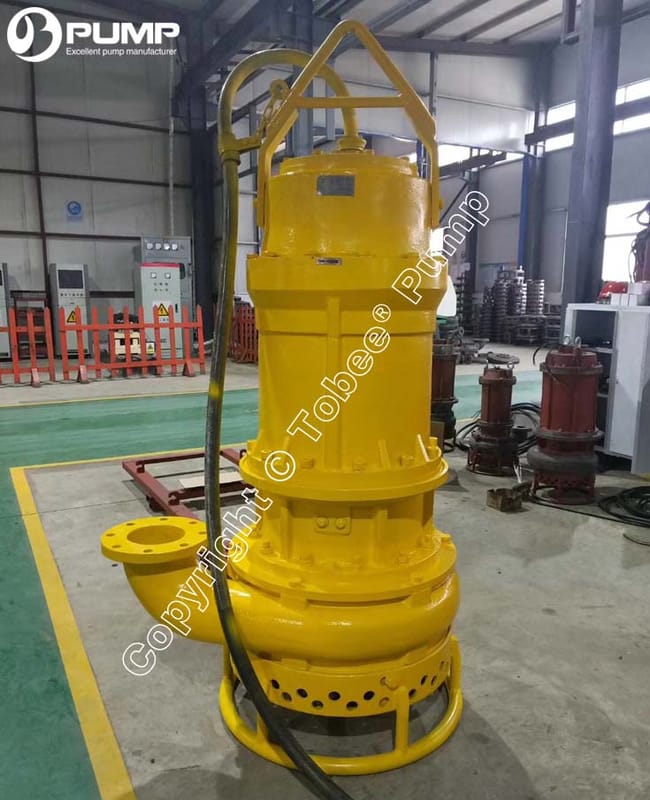
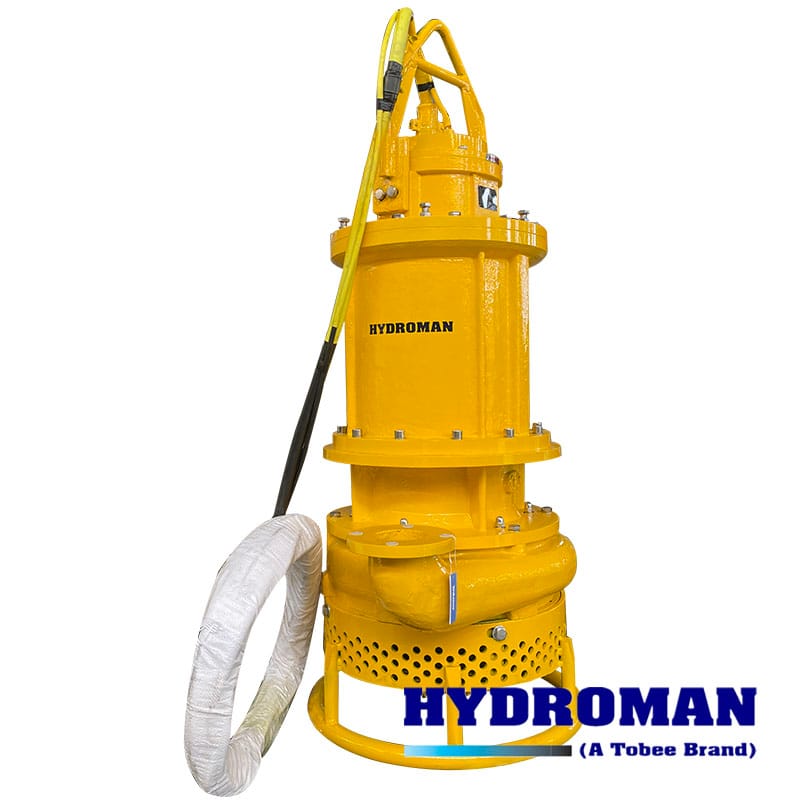
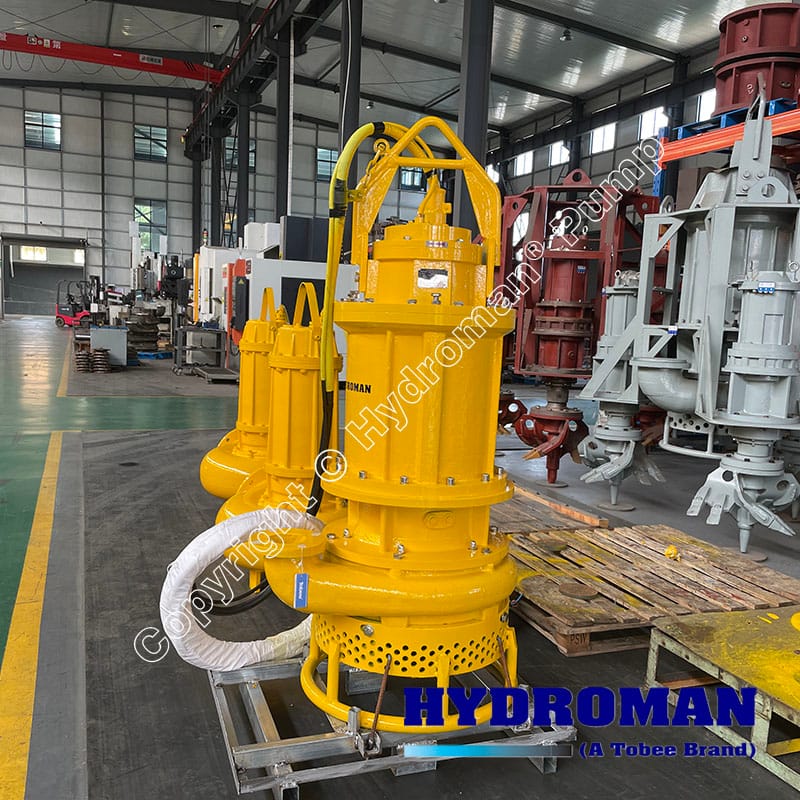
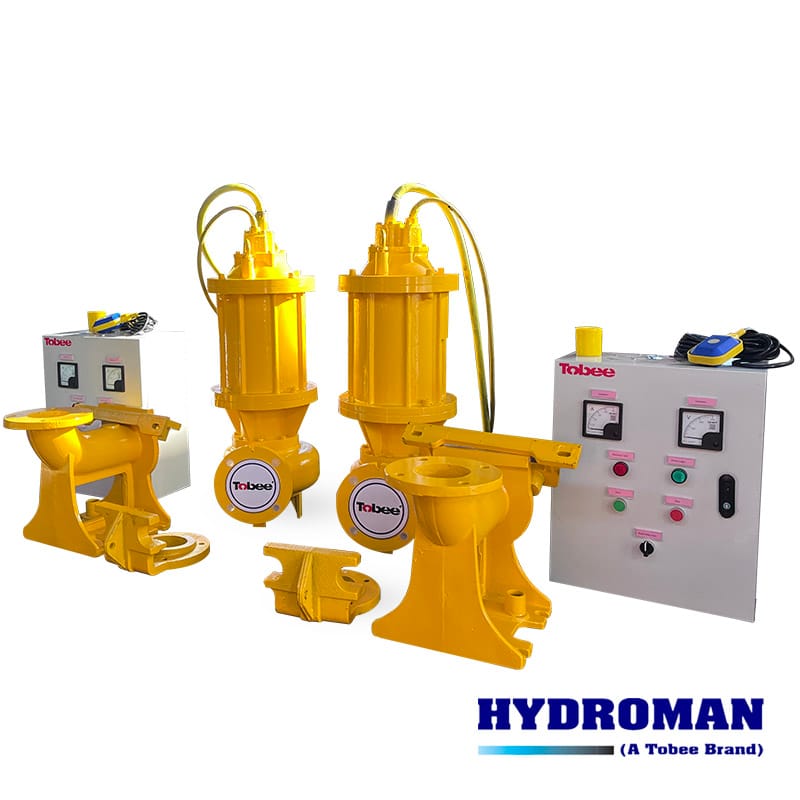
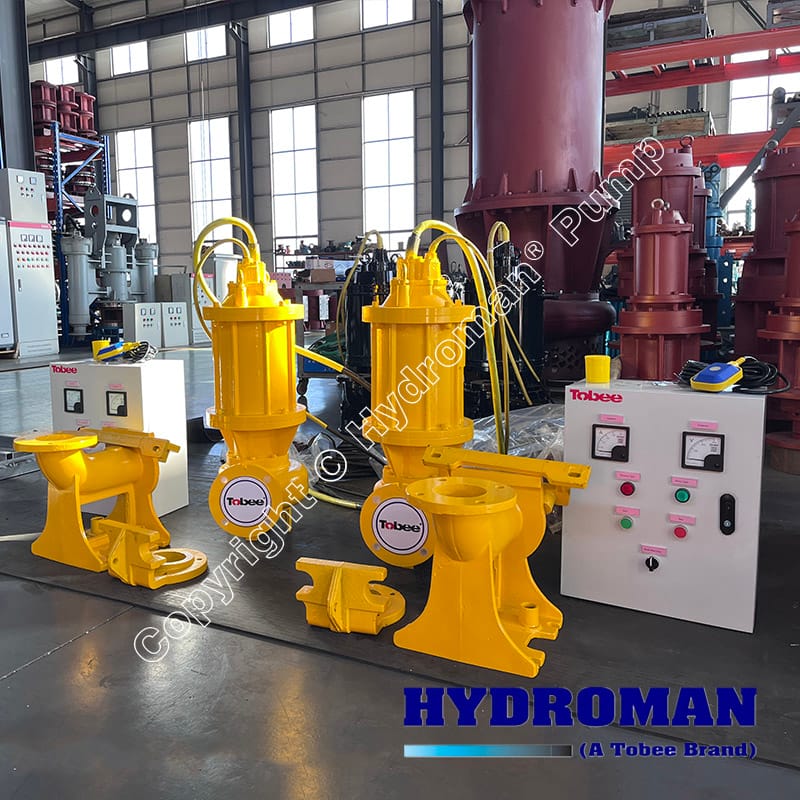
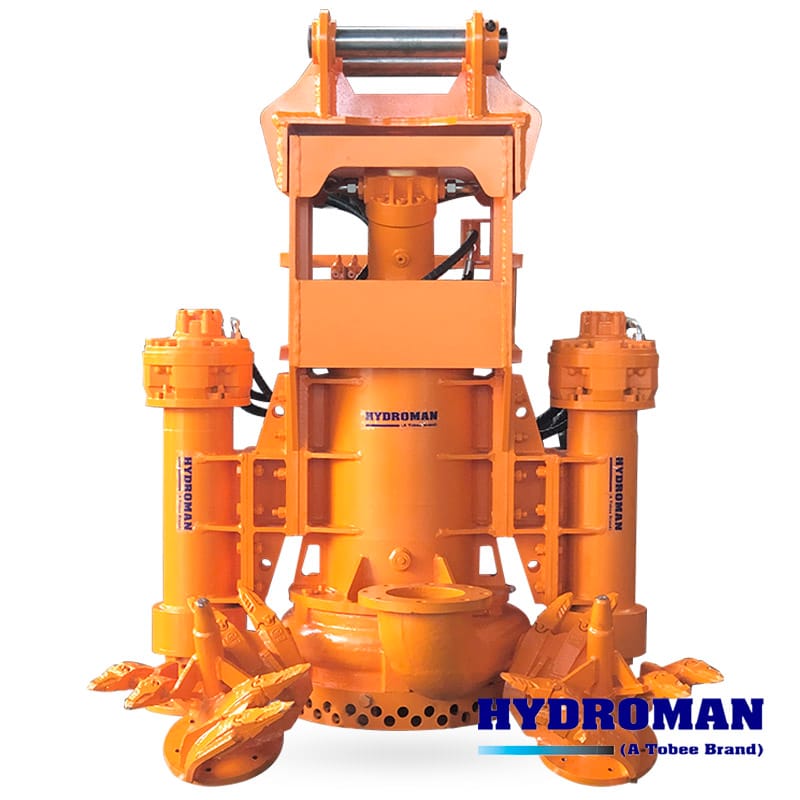
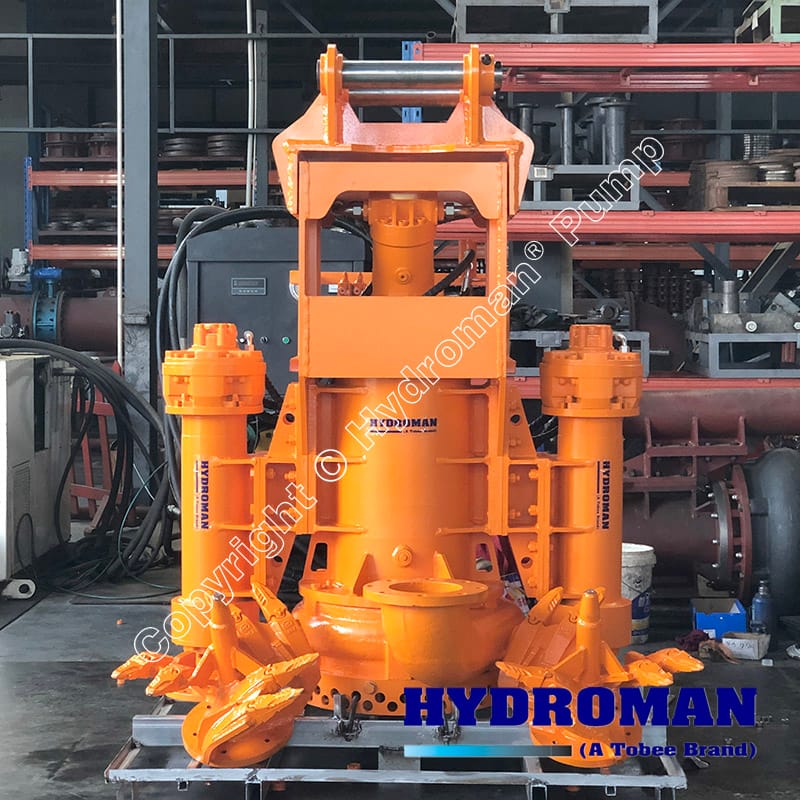
Hydroman® submersible dredge sand pumps are essential tools in various industries that include slurry, mining, sand, dredge, sludge, mud and gravel etc. Hydroman® submersible dredge sand pumps are toughest and most durable submersible pump, these submersible pumps come in a variety of sizes, from 3 inches to 24 inches and the maximum particle size that can be processed is 120mm. This type belongs to the Hydroman® TJQ submersible slurry pumps series. In addition, Hydroman® also has THY hydraulic dredge pump series, TWQ submersible sewage pump series, TQJ deep well pump series.
Because Hydroman® submersible pumps possess exceptional durability attributed to their notable features, including the best material, robust shafts, bearings and professional design, make these pumps have a high demand in the industry.
Construction & Land Reclamation
▪ Land Reclamation: Pumping sand and sediment to create new land areas.
▪ Foundation Work: Dewatering and sediment removal for construction sites.
▪ Beach Nourishment: Transporting sand to restore eroded shorelines.
Port & Harbor Maintenance
▪ Channel Dredging: Keeping shipping lanes clear for vessel navigation.
▪ Harbor Cleanup: Removing accumulated sediment to maintain port operations.
Industrial & Wastewater Treatment
▪ Sludge Removal: Pumping sludge in wastewater treatment plants.
▪ Industrial Waste Handling: Transporting abrasive waste materials in factories.
River & Lake Dredging
▪ Sediment Removal: Clearing silt, sand, and debris to maintain water depth.
▪ Flood Prevention: Improving water flow by removing excess sediment.
▪ Ecological Restoration: Cleaning polluted sediments to restore aquatic ecosystems.
Selecting the right submersible dredge sand pump depends on several aspects. These include the type of pumping liquids, the pump capacity and the pump head. Here attached some key considerations:
▪ Pumping Liquids Type: Determine the type of liquids you need to pump. Like particle size, concentration, and abrasiveness are crucial in selecting the right pump.
▪ Capacity ( Flow rate): Assess the required pump capacity, measured in gallons per minute (GPM) or cubic meters per hour (m3/h). This depends on the volume of slurry you need to move within a specific time frame.
▪ Head: Evaluate the total dynamic head (TDH) necessary for your application. This represents the vertical and horizontal distance the pump must overcome and friction losses in the piping system.
▪ Material: Choose the appropriate pump material based on the slurry’s composition. Materials like stainless steel, cast iron, and high-chrome alloy can withstand abrasive and corrosive environments.
▪ Motor Power: Ensure the pump motor has enough power to handle the required flow rate and head.
Name: Bella Zhang
Submitted successfully
Your submission has been received. Thanks for your time

 FR(EUR)
 CN(CNY)
 GB(GBP)
 AU(AUD)





Reviews
0%
0%
0%
0%
0%
Share your thoughts with other customers
Write a Review