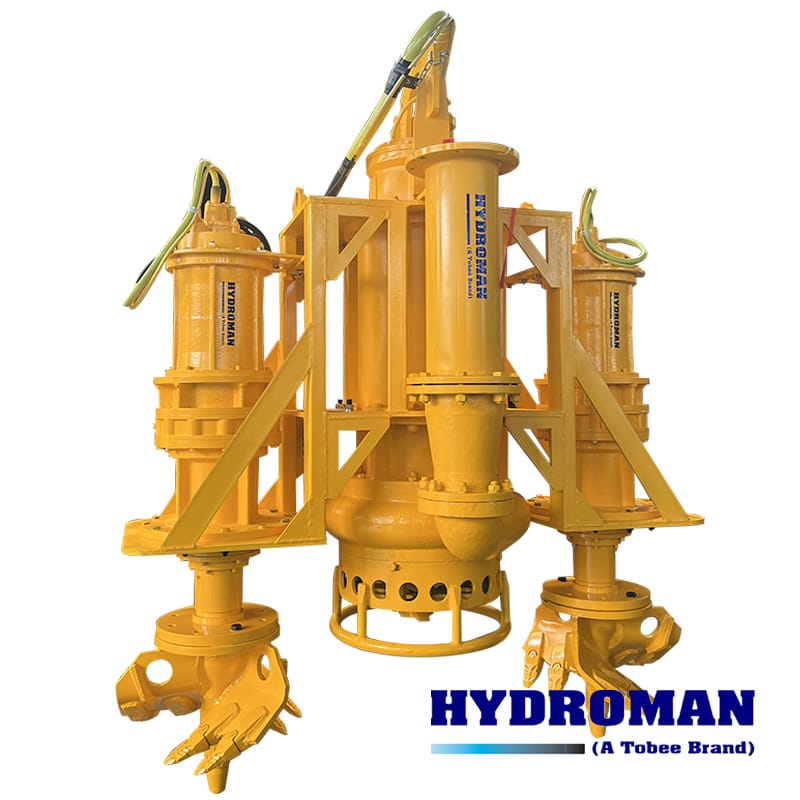
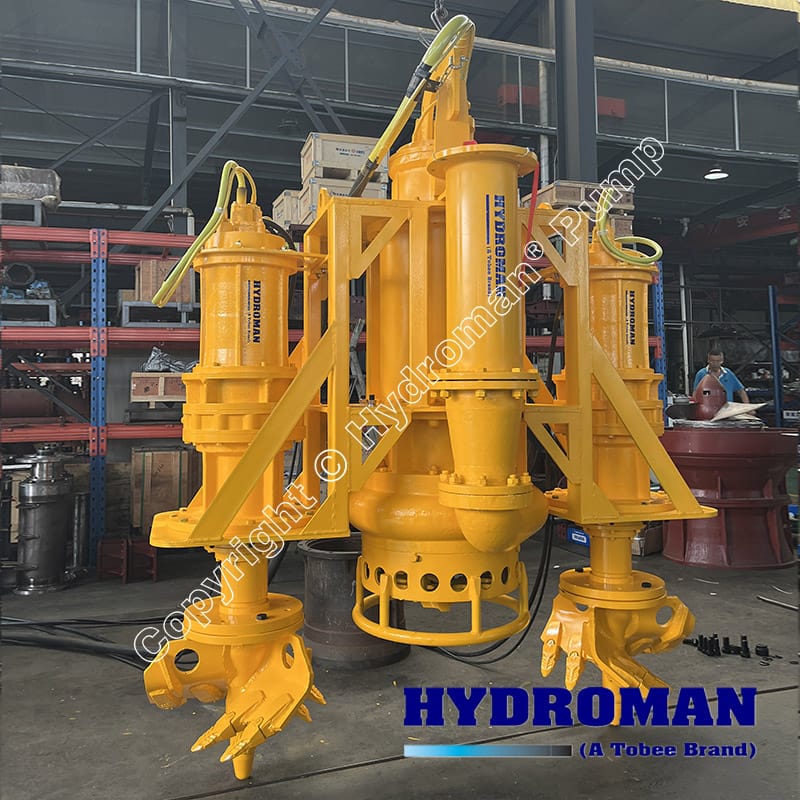
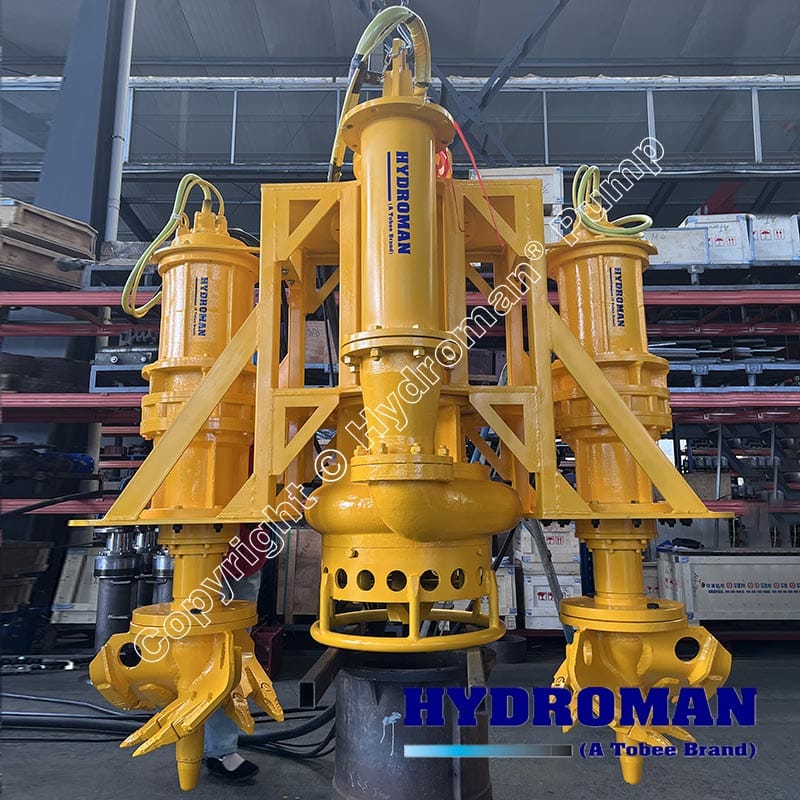
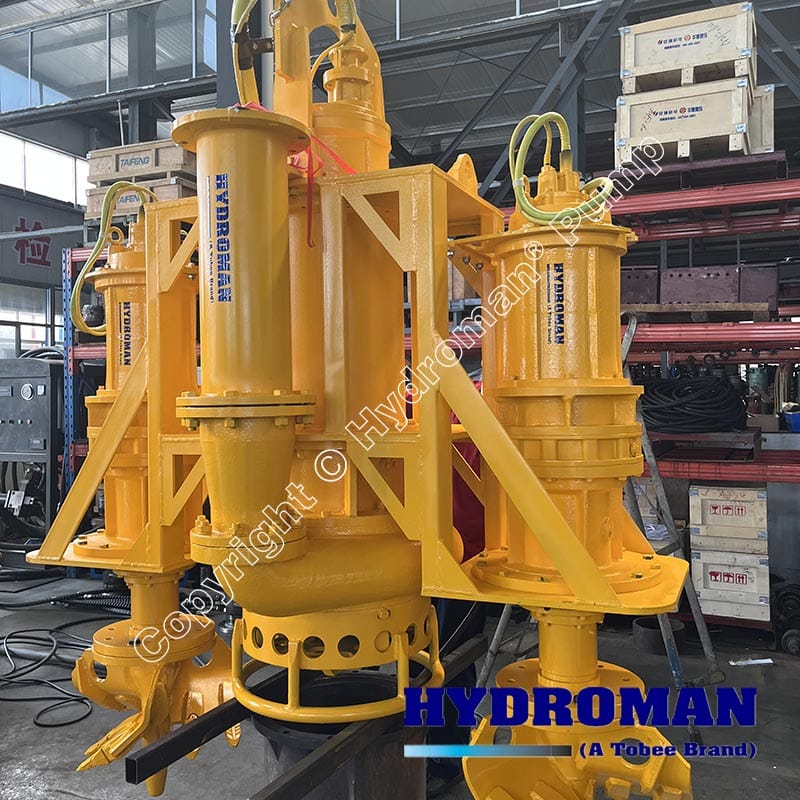
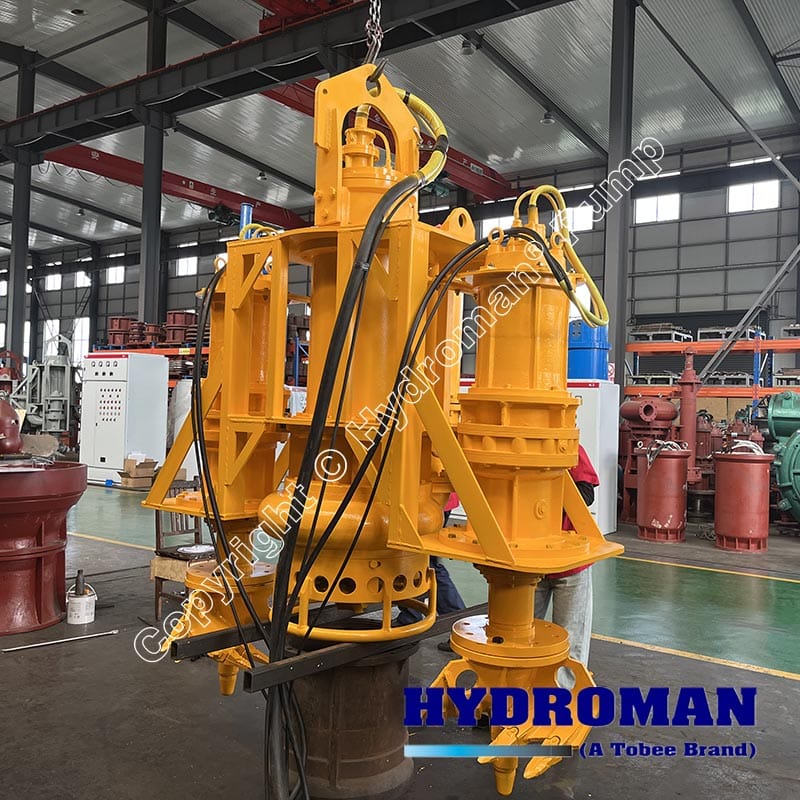
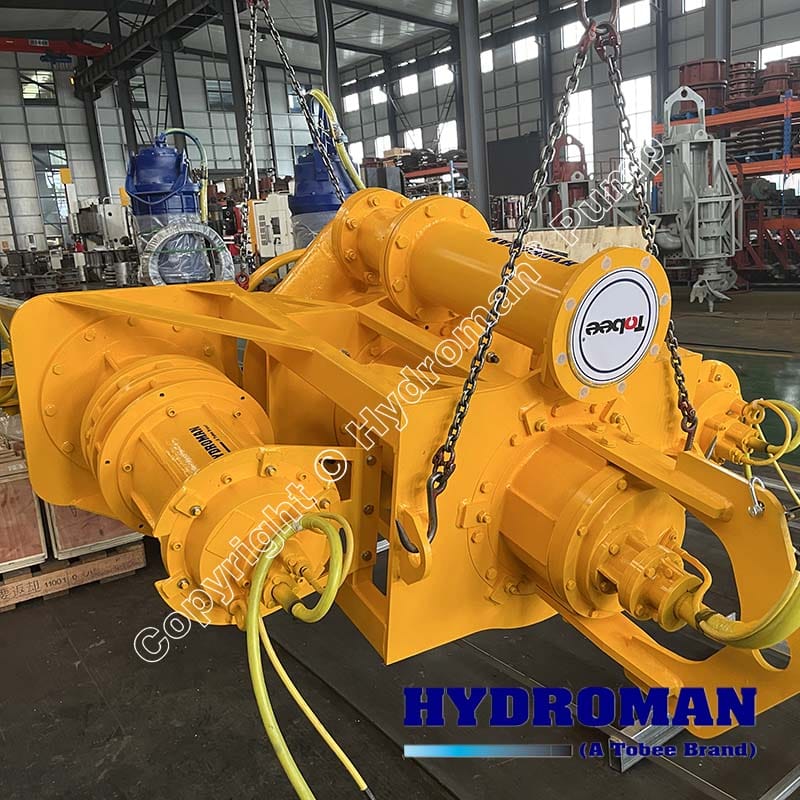
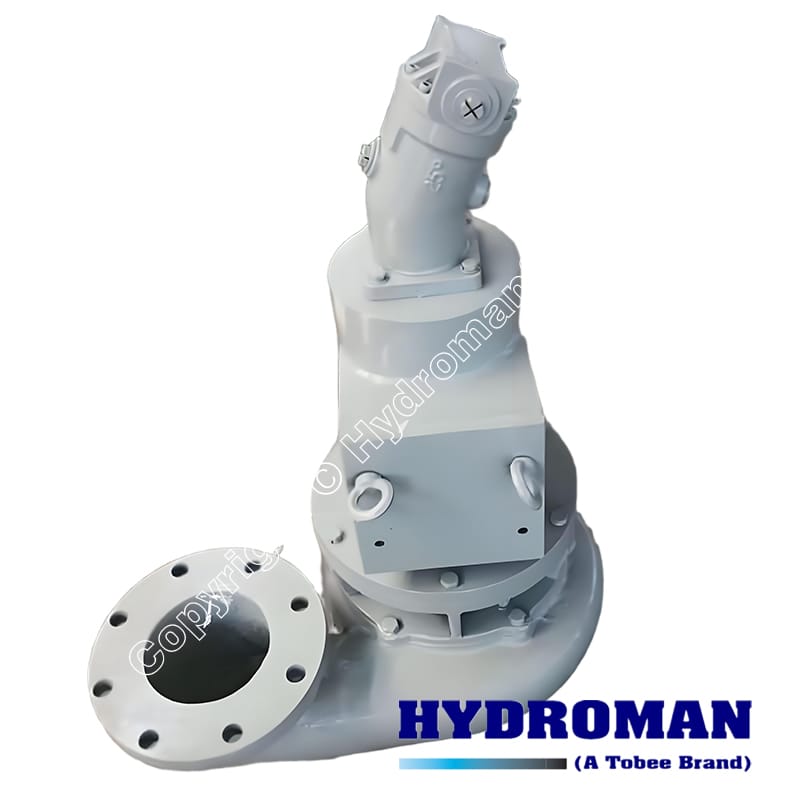
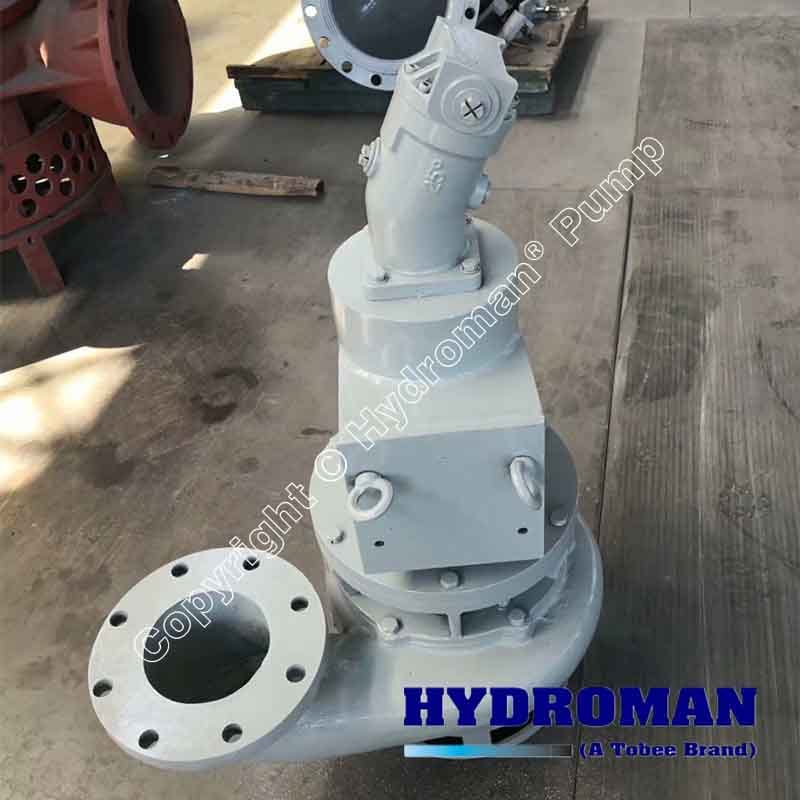
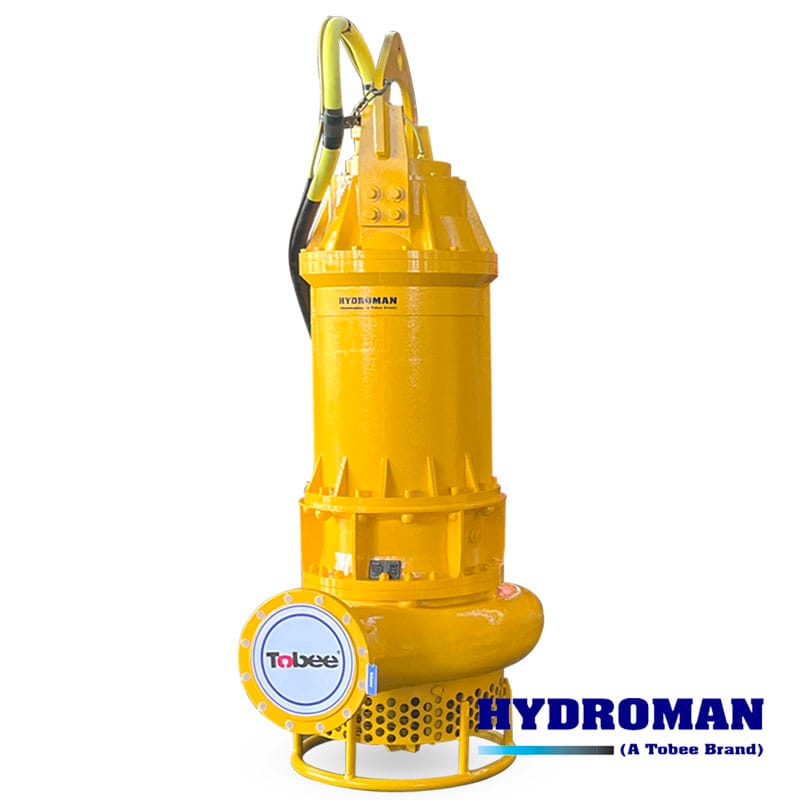
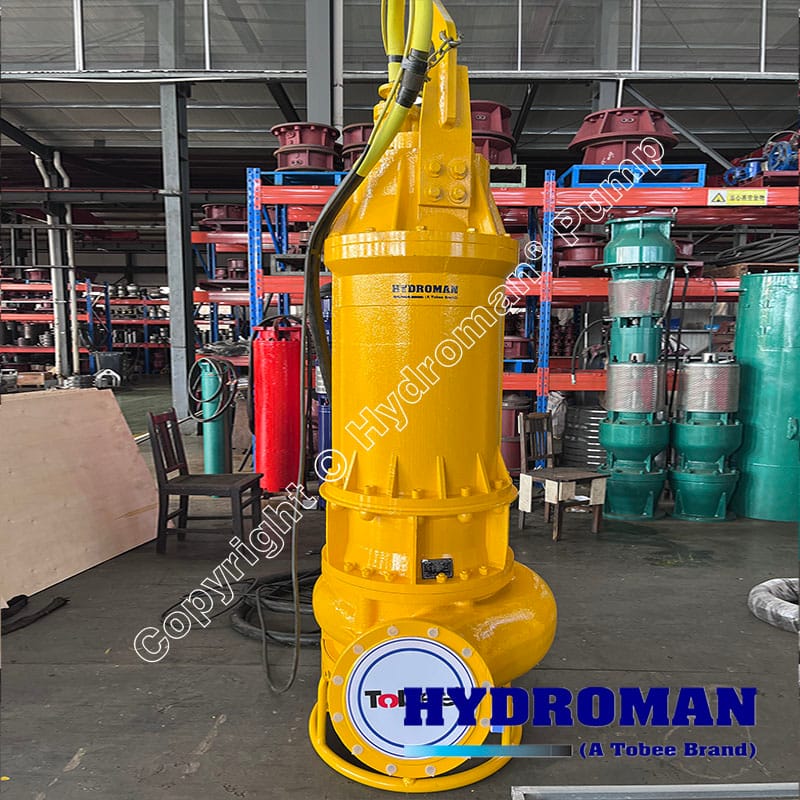
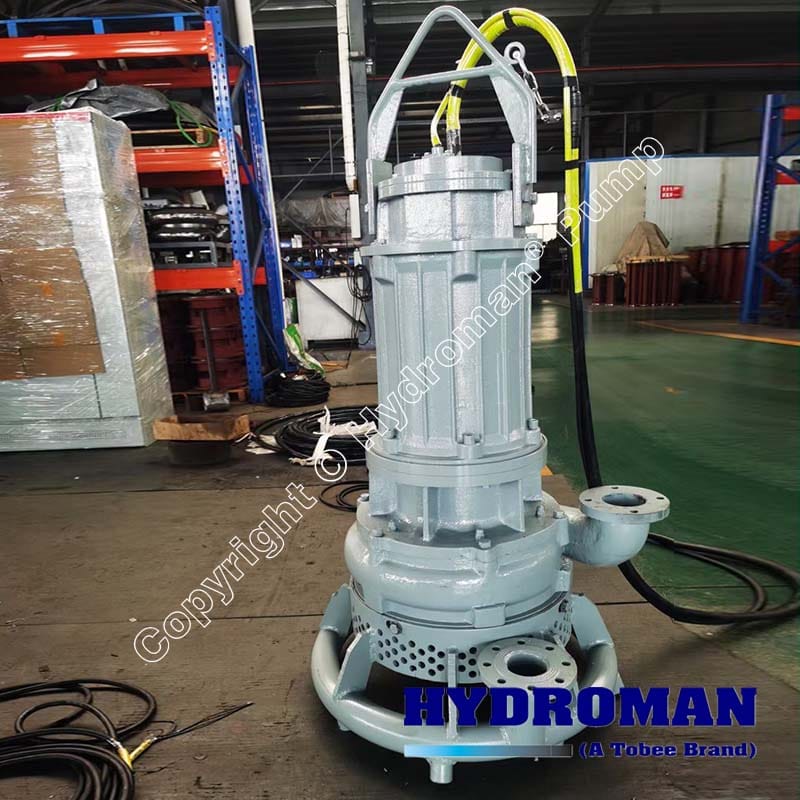
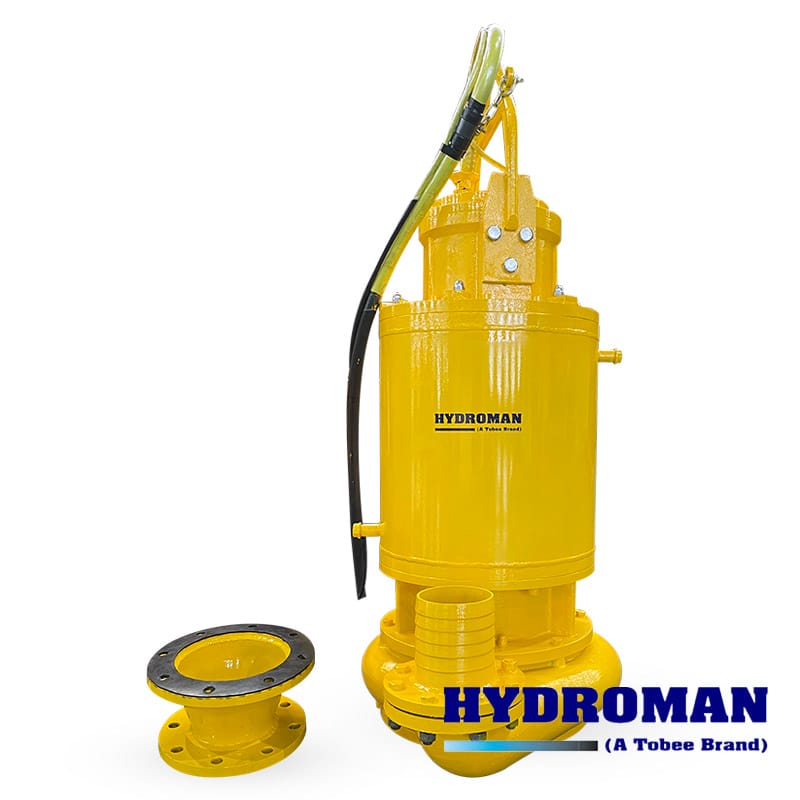
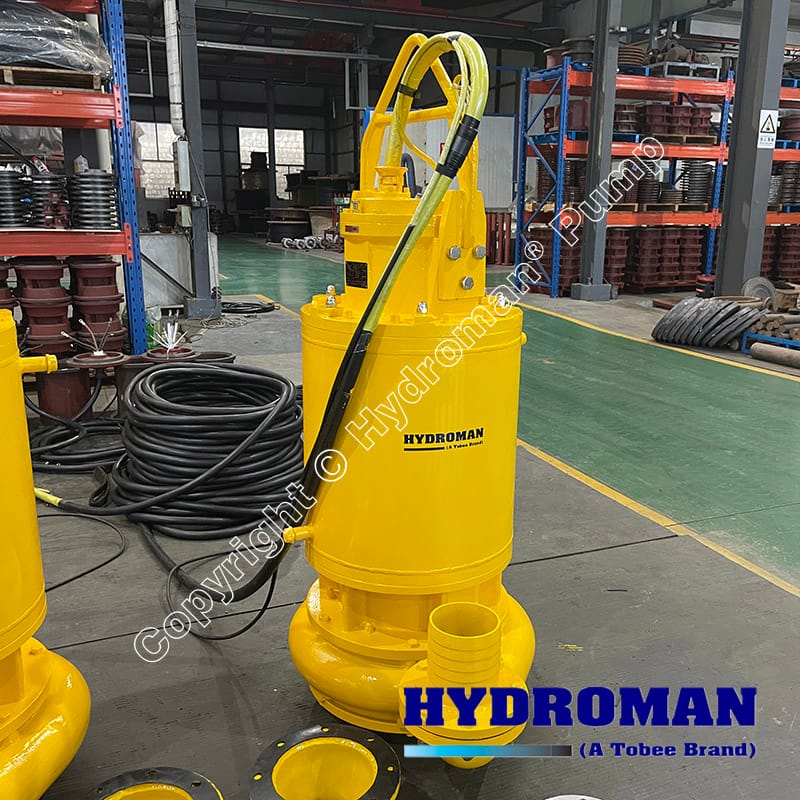
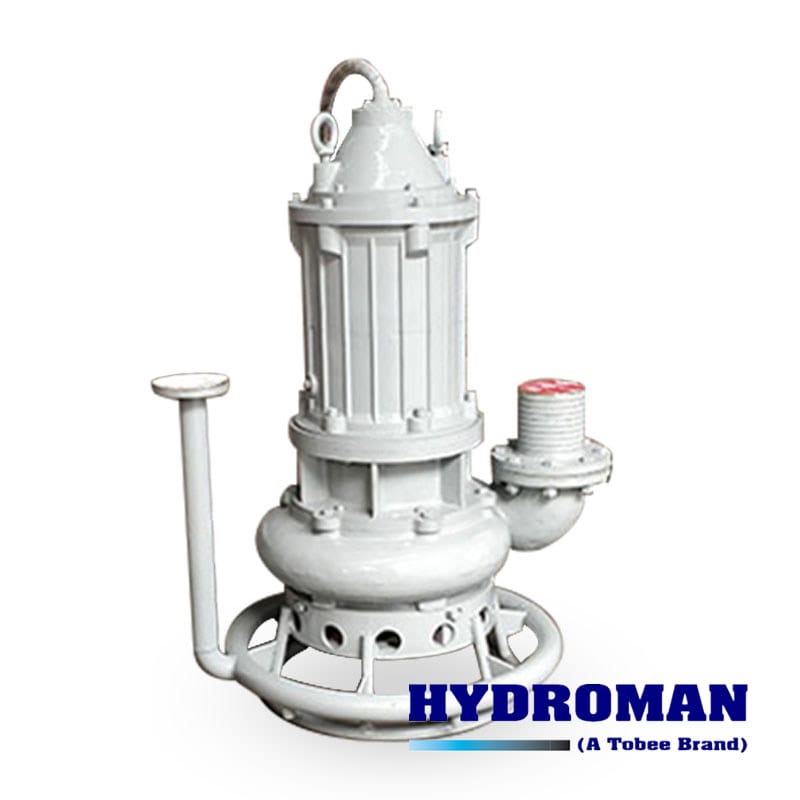
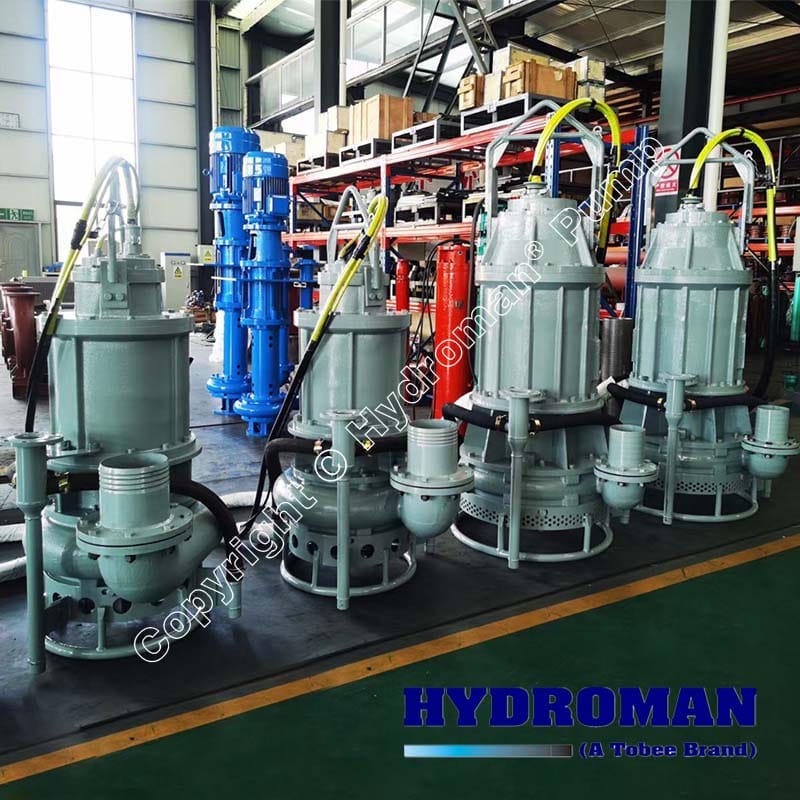
Hydroman® as a big manufacturer in China specialized submersibler series products that include TJQ submersible slurry pump, THY hydraulic dredge pump, TWQ submersible sewage pump, TQJ deep well pump and Optional pump accessories etc. Hydroman® TJQ submersible slurry pumps was used in the reservoir and dam dredging project, it worked underwater to pump the sediment out of the dam, effectively restoring the water storage capacity of the dam and ensuring the stable operation of the dam power generation system.
▪ Can the pump run dry?
No, submersible dredging pumps should not run dry. They rely on the surrounding fluid for cooling. Dry running can damage the motor and seals.
▪ Are these pumps safe to use in deep or turbulent water?
Yes, when properly installed with secure mooring and electrical safety devices (such as float switches, overload protectors, and VFDs), they are suitable for deep or turbulent conditions.
▪ Can they be operated continuously?
Yes, they are designed for continuous heavy-duty operation under demanding conditions, provided they are properly sized and cooled.
▪ Do these pumps require auxiliary equipment?
Optional equipment may include:
Agitators – to stir up settled material
Side cutters – to break compacted sediments
Control panels – for remote monitoring and control
Slurry hoses and floaters
▪ What are the advantages of using a submersible dredging pump over other dredging systems?
Fully submersible design requires no priming
Operates directly at the dredging site (higher efficiency)
Minimal installation space needed
Reduced noise and vibration
Can be remotely operated for hazardous areas
▪ Sediment Removal in Reservoirs and Dams
Over time, sediments such as silt, sand, and gravel accumulate at the bottom of reservoirs and dams. Submersible dredging pumps are used to efficiently remove these sediments, restoring storage capacity and ensuring efficient water flow.
▪ Maintenance of Water Storage Capacity
Sediment buildup reduces the volume of water that a reservoir or dam can hold. Regular dredging with a submersible pump maintains the full storage capacity, supporting consistent water supply and hydropower generation.
▪ Flood Control and Risk Management
Excess sediment can obstruct spillways and outflows, increasing the risk of overflow and flooding. Submersible dredging pumps help maintain clear water paths, crucial for flood prevention.
▪ Environmental Protection and Water Quality Improvement
Dredging prevents stagnation, reduces nutrient buildup (which causes algae blooms), and improves oxygen levels. This contributes to healthier aquatic ecosystems and better water quality.
▪ Long-Term Dam Rehabilitation Projects
In aging dams with decades of accumulated sediment, submersible pumps play a role in large-scale dredging and rehabilitation projects, offering a cost-effective, low-maintenance solution.
▪ Pre-Inspection or Structural Maintenance
Before performing structural maintenance or safety inspections on dam foundations, sluice gates, or intake tunnels, dredging is often required to clear access.
Superior Solids Handling
▪ Abrasive Slurries: Designed to pump mixtures with high solids content (up to 60-70%) including sand, gravel, and mining tailings.
▪ Large Particle Passage: Some models can pass solids up to 5 inches (120 mm) without clogging.
Heavy-Duty Durability
▪ Abrasion-Resistant Materials: High-chrome alloys, rubber linings, or ceramic coatings extend lifespan in harsh conditions.
▪ Robust Seals: Mechanical seals prevent slurry leakage into the motor.
Portability & Easy Installation
▪ Compact Design: Deployed in tight spaces (e.g., pits, ponds, tunnels).
▪ Quick Setup: No permanent mounting required—lower installation costs.
Low Maintenance
▪ Fewer Wear Parts: Simple design with accessible components (e.g., replaceable impellers, liners).
▪ Reduced Downtime: Submersion minimizes cavitation damage.
Versatility Across Industries
▪ Mining: Handles tailings, dewatering, and ore transport.
▪ Dredging: Excels in river, lake, and harbor sediment removal.
▪ Construction: Dewaters excavations and manages slurry walls.
▪ Wastewater: Clears sludge from settling tanks and lagoons.
Contact: Bella Zhang
Submitted successfully
Your submission has been received. Thanks for your time

 FR(EUR)
 CN(CNY)
 GB(GBP)
 AU(AUD)






Reviews
0%
0%
0%
0%
0%
Share your thoughts with other customers
Write a Review