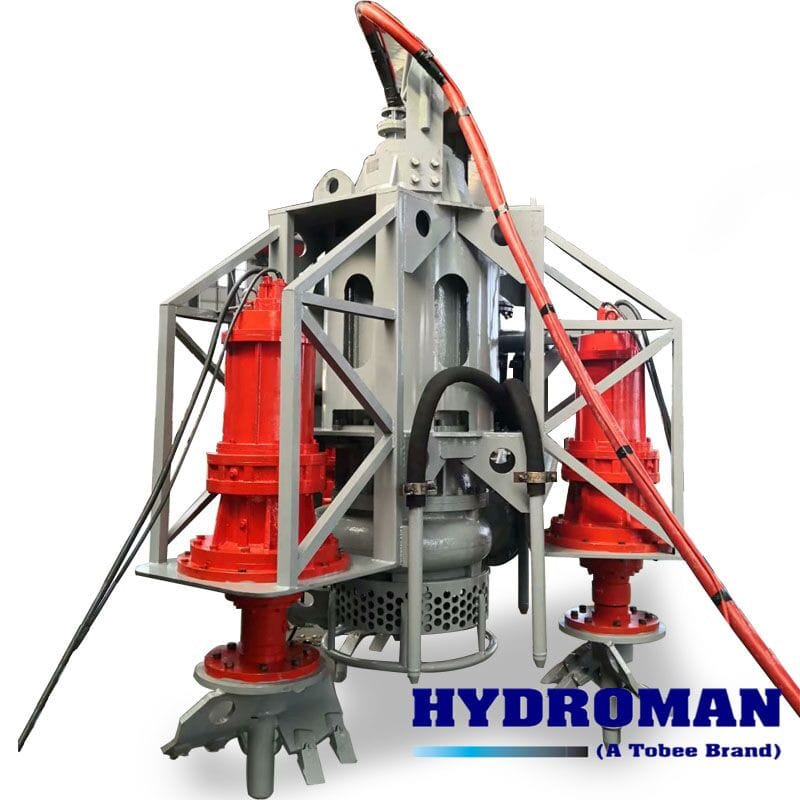


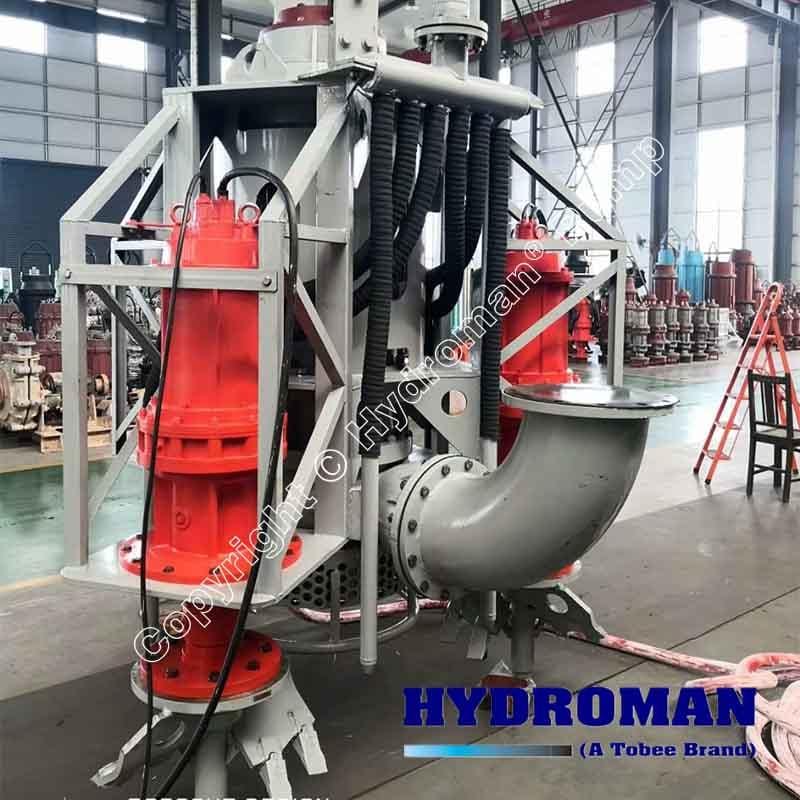
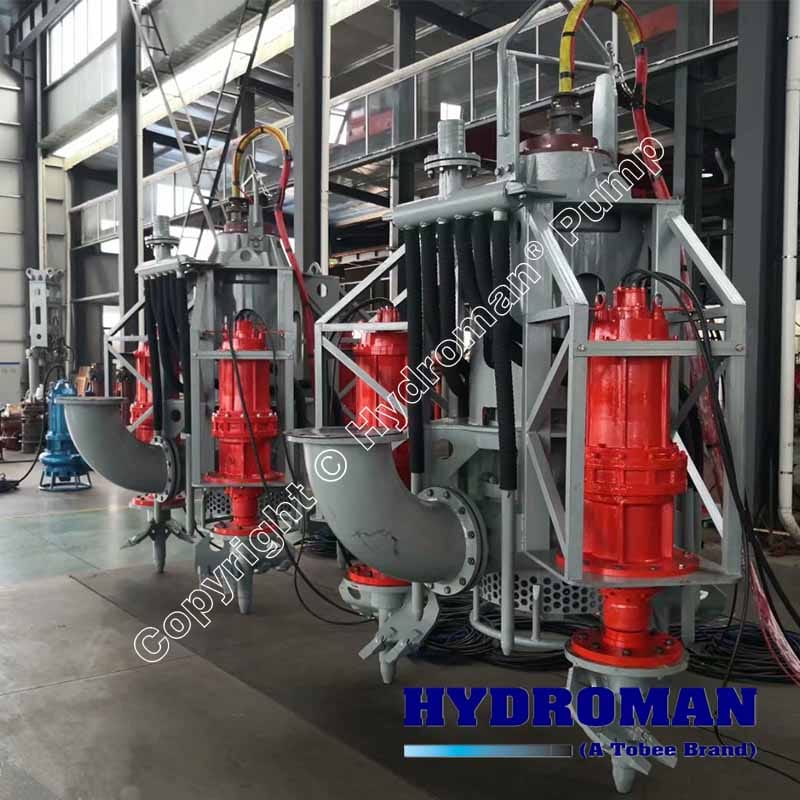
Heavy-duty electric submersible slurry pumps built for Tunisia's mining, sand dredging and industrial sludge operations.
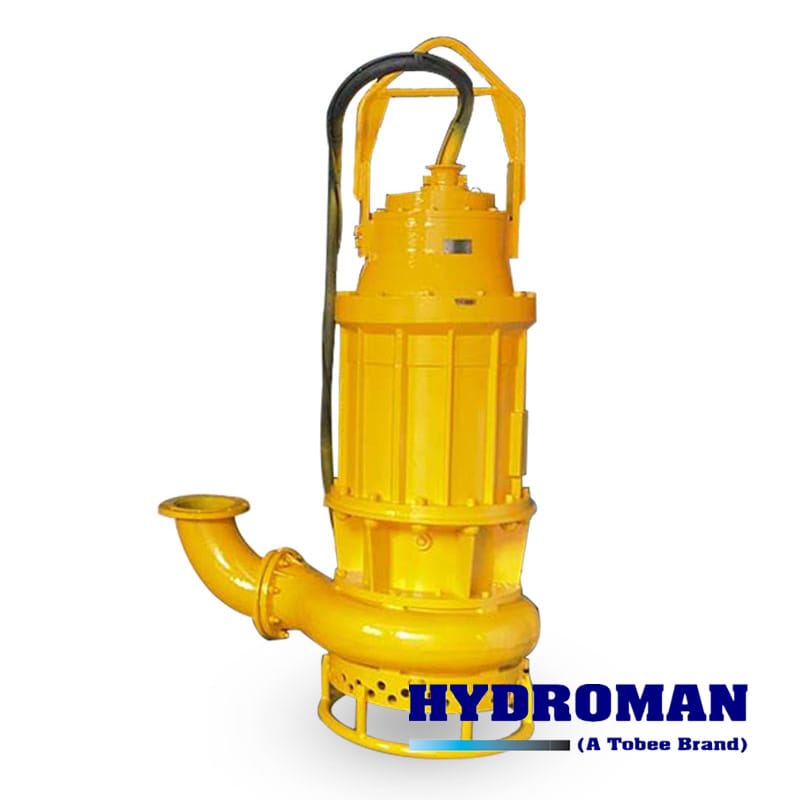
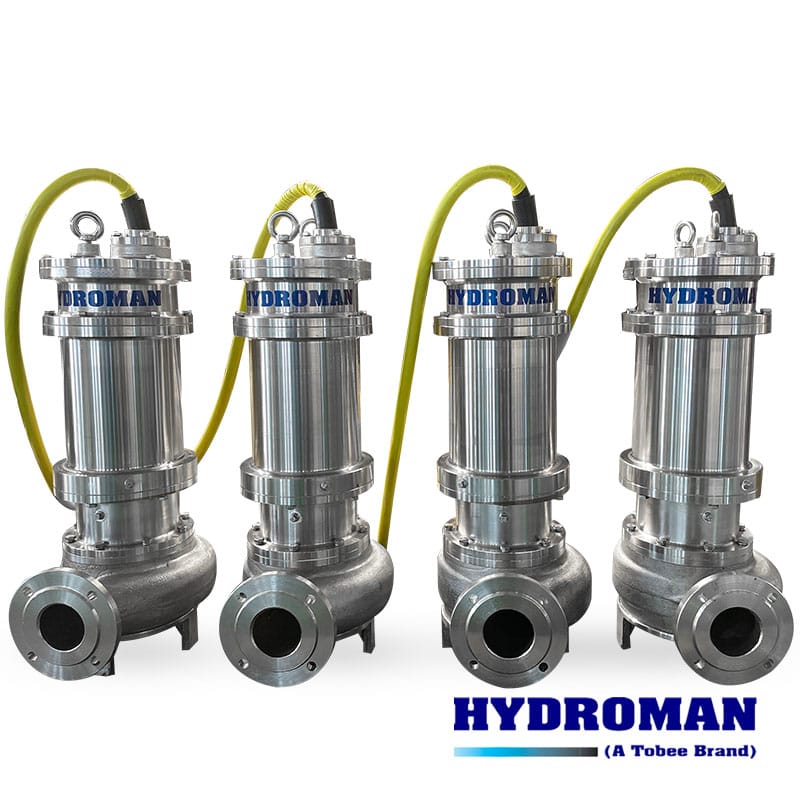
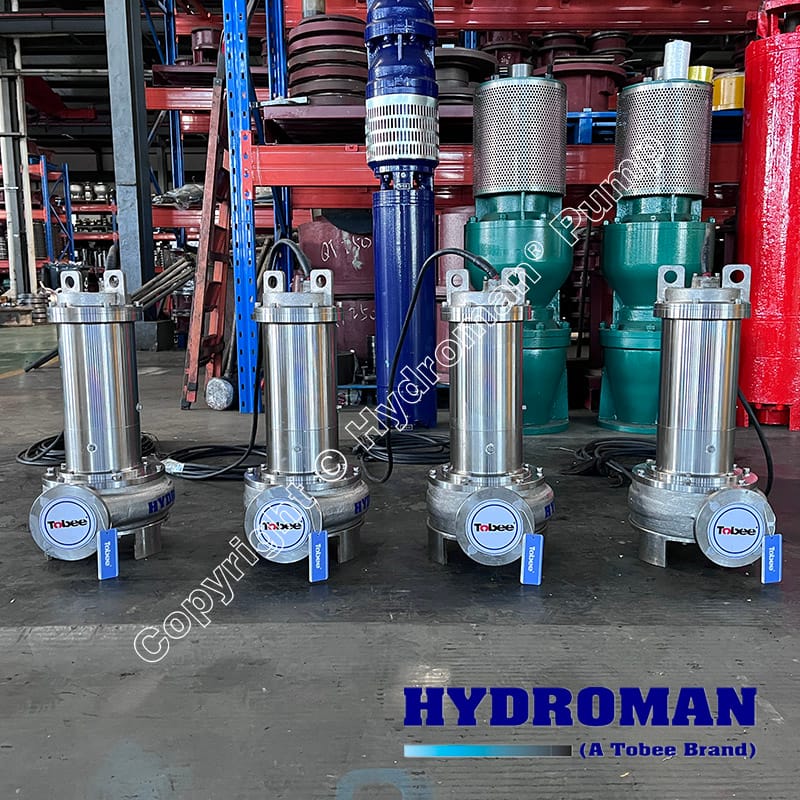
When you're moving abrasive, high-solids slurry day after day, the pump underneath the surface is doing the hardest job on your site. That's exactly the environment the Hydroman submersible slurry pump was engineered for. Built as a heavy-duty, electric-driven unit with a high chrome wet end and side cutters at the intake, it's designed to keep running in the conditions that wear out ordinary pumps within weeks — compacted sand, settled tailings, thickened sludge and mineral-laden slurry with specific gravities up to 1.8 SG.
Tunisia's mining belt around Gafsa, its coastal sand and aggregate quarries, and the industrial zones around Sfax and Sousse all share a common challenge: material that is either too abrasive, too dense, or too compacted for a standard centrifugal pump to handle reliably. Phosphate processing, in particular, produces a slurry stream that is both acidic and highly abrasive, which is why the wet end material selection and seal design matter as much as the pump curve itself.
You'll find this page organized around the questions you're actually asking before you buy — how the pump performs against an agitator-style unit, what the real technical specifications are, how it compares to a hydraulic submersible model, and what happened when a similar unit went to work on a Tunisian job site. If you're sourcing an electric submersible slurry pump for continuous-duty operation, or a heavy duty submersible slurry pump for a tougher mobile application, you'll have what you need to make that call by the end of this page.
Most of the slurry-handling work across Tunisia falls into a handful of categories: mining and mineral processing, quarry dewatering, sand excavation along the coast and inland wadis, tailings pond management, industrial sludge transfer, and periodic reservoir and dam cleaning. In nearly all of these, the pump needs to run for extended shifts — often 16 to 24 hours a day during peak season — without the downtime and fuel logistics that come with a diesel-hydraulic setup.
That's where an electric submersible unit earns its keep. There's no hydraulic power pack to maintain, no hydraulic hoses to replace, and no diesel supply chain to manage on a remote site. You get continuous operation with a flatter maintenance curve, a lower cost per operating hour once the pump is installed, and an install process that, for a stationary or semi-fixed application, is measured in hours rather than days. For processing plants and pumping stations that run the same duty point month after month, that efficiency compounds quickly — electric submersible pumps typically run 8–15% more efficiently over a full duty cycle than hydraulically driven equivalents, simply because there's no hydraulic transmission loss between the power source and the pump shaft.
The motor sits in its own oil-filled, IP68-rated chamber, fully isolated from the pumped medium by a double mechanical seal. You're not fighting packing glands or dealing with a dry-mounted motor overheating in direct sun — the pump is designed to be fully submerged and to use the surrounding slurry as part of its thermal management.
Heavy-Duty High Chrome Wet End
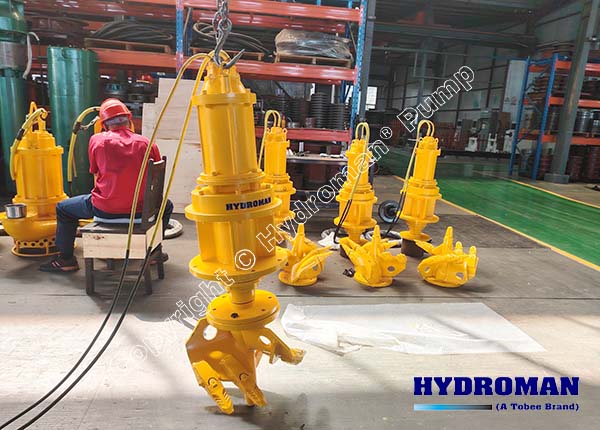
The impeller, volute and throatbush are cast from high chrome alloy (typically A05 / Cr27, with A49 or Cr30 options for the most abrasive duties), giving you Rockwell hardness in the 58–62 HRC range. That's the same material class used in mineral processing pumps because it resists both abrasion and, where needed, mild corrosion from acidic phosphate slurry — a real consideration for Tunisian phosphate operations. | 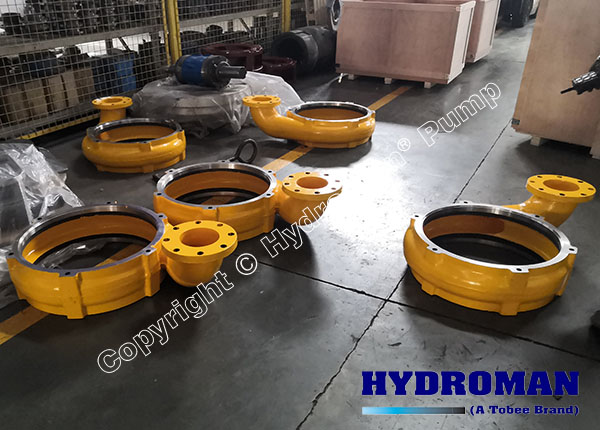 |
 | Side Cutters for Compact Material
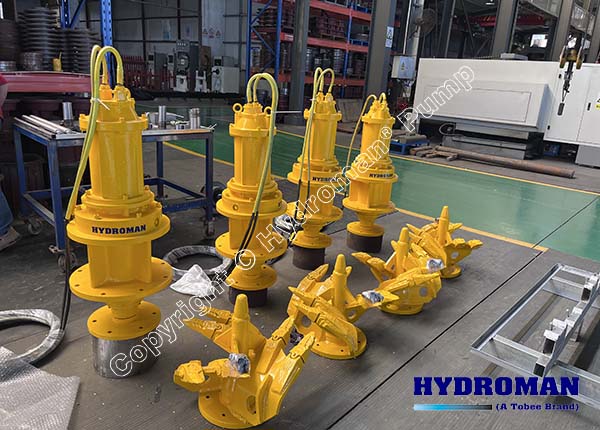
At the suction inlet, twin side cutters rotate with the impeller to break up compacted sand, consolidated clay and settled sludge before it ever reaches the impeller eye. This is the feature that separates a genuine heavy-duty unit from a standard submersible slurry pump — it lets the pump feed itself in material that would otherwise bridge or pack around the intake. |
High Head Pumping Performance
With a semi-open or closed impeller design tuned for high-solids duty, the high head submersible slurry pump configuration can develop up to 60 meters of head in a single stage, which covers most long-distance tailings transfer and multi-story dewatering applications without needing a booster stage. | 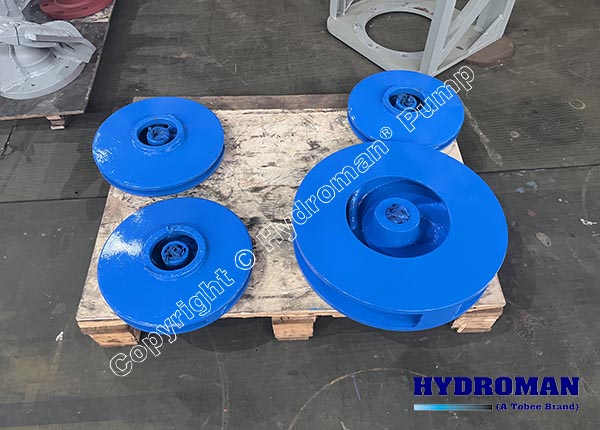 |
 | Double Mechanical Seal
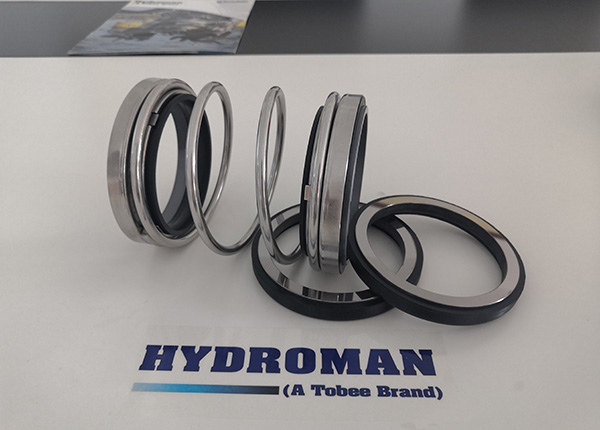
A tandem double mechanical seal — typically silicon carbide vs. silicon carbide faces — with an oil-lubricated seal chamber between them protects the motor even if the outer seal face is compromised. An optional seal-failure sensor can trigger an automatic shutdown before slurry ever reaches the motor windings. |
Cooling Jacket for Continuous Duty
For applications where the pump may run partially exposed or in low-level sump conditions, an integrated water cooling jacket recirculates fluid around the motor housing, allowing continuous-duty operation even when the pump isn't fully submerged. | 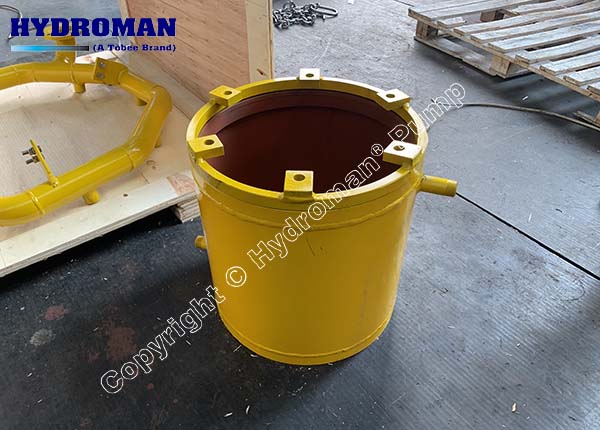 |
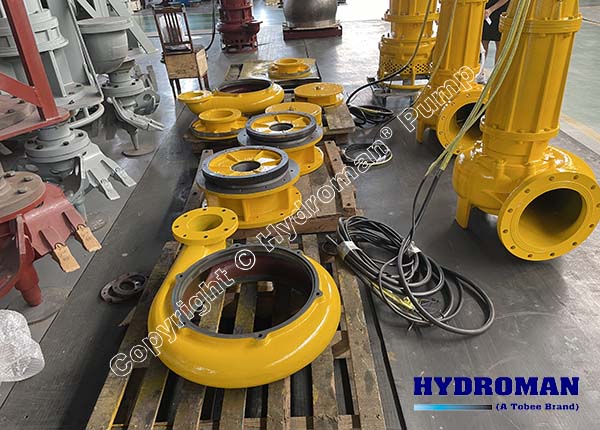 | Wear-Resistant Construction
Every wear component — impeller, wear plates, throatbush, and side cutter blades — is replaceable independently, so you're not scrapping the whole wet end because one part reached its wear limit. That modularity is a meaningful part of the total cost of ownership on a pump that's expected to run for years, not months. |
A submersible slurry pump with agitator uses a rotating paddle or mixing blade mounted above or around the suction area to keep settled solids in suspension, stirring loose sediment back into a pumpable slurry before it reaches the impeller. This is the standard configuration for a submersible agitator pump working in ponds, lagoons or basins where the material is fine, loose, and prone to settling rather than compacting. If you're moving loose river sand, dredged silt, or a submersible sand pump agitator application in a settling basin, the agitator design does exactly what it's meant to do — it keeps material moving.
Side cutters solve a different problem. Where an agitator stirs loose material, side cutters cut into compacted material — hardened clay layers, consolidated tailings, or sludge that has partially dewatered and set at the bottom of a pond. The cutting action breaks the material into pumpable fragments and actively feeds it toward the impeller eye, which raises achievable solids concentration and keeps pumping efficiency stable even as the material gets harder to move.
Side cutters and agitators are built for different working conditions, and choosing the wrong one costs you real efficiency. A submersible slurry pump with agitator performs well in loose, unconsolidated sediment where the challenge is keeping solids suspended. Hydroman side cutters, by contrast, are built for compacted sand, clay and consolidated sludge, where the challenge is breaking material apart before it can be pumped at all.
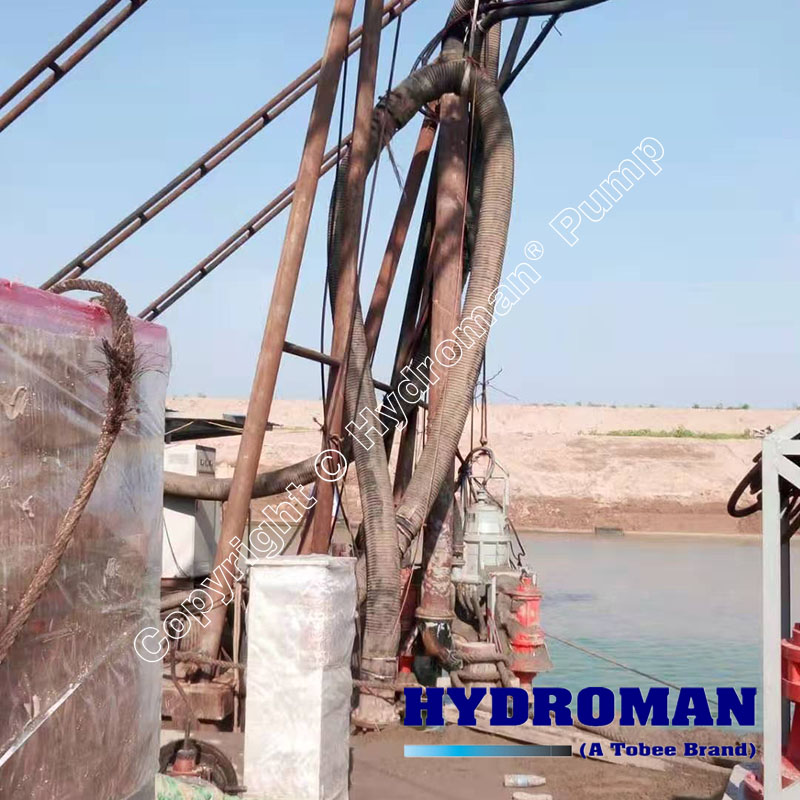 | 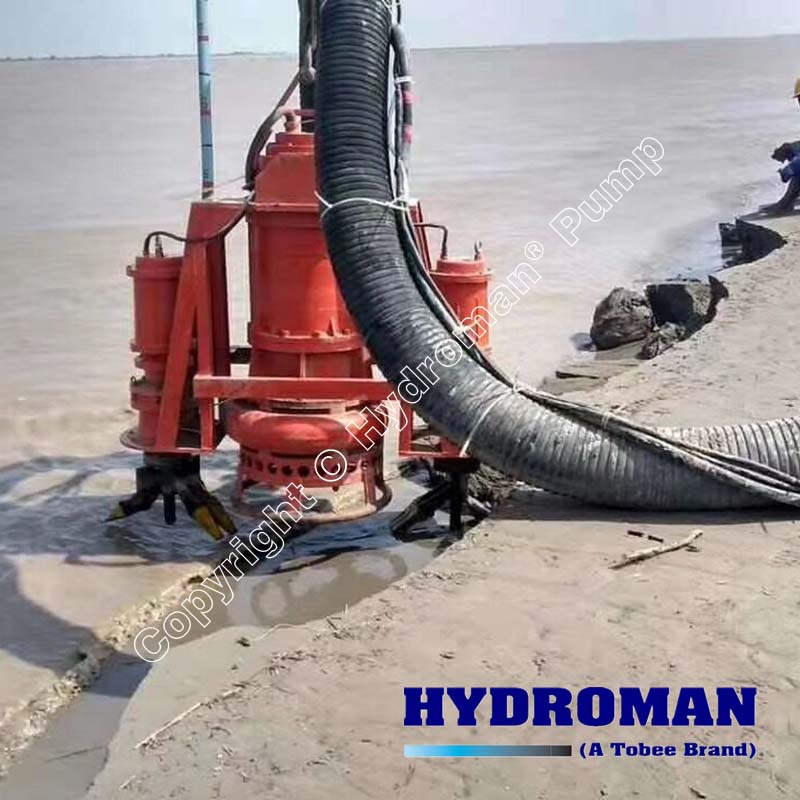 | 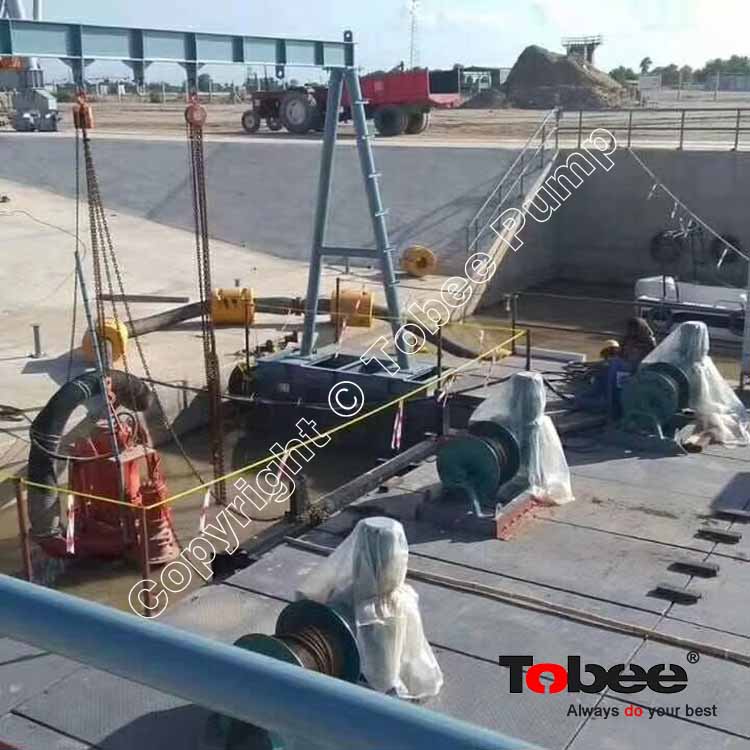 |
Mining Slurry
In mineral processing circuits — phosphate, iron ore, or aggregate — the pump handles everything from ore slurry transfer to thickener underflow, where solids concentration by weight regularly runs 40–60%.
| Sand Dredging
As a submersible dredge pump, the unit is deployed directly on a pontoon or ladder frame for coastal and river sand recovery. In a submersible sand dredging pump configuration, the side cutters handle the packed sand layers that sit below the loose surface material, where a standard suction dredge pump would lose prime or clog. | Industrial Sludge
As a submersible sludge pump, the unit transfers thickened sludge from clarifiers, settling tanks and industrial process basins. Whether you call it a sludge pump submersible unit or a submersible pump for sludge handling, the same wet end geometry applies — high solids tolerance and a wide, non-clog flow passage. |
 |  |  |  |
Tailings Transfer
Moving thickened tailings from a processing plant to a storage facility or dry-stack area, often against considerable static head and over long pipeline runs.
| River Dredging
Channel maintenance and sediment removal in rivers and wadis, where fluctuating water levels and variable sediment composition demand a pump that can handle both loose silt and compacted riverbed material in the same shift. | Reservoir Cleaning
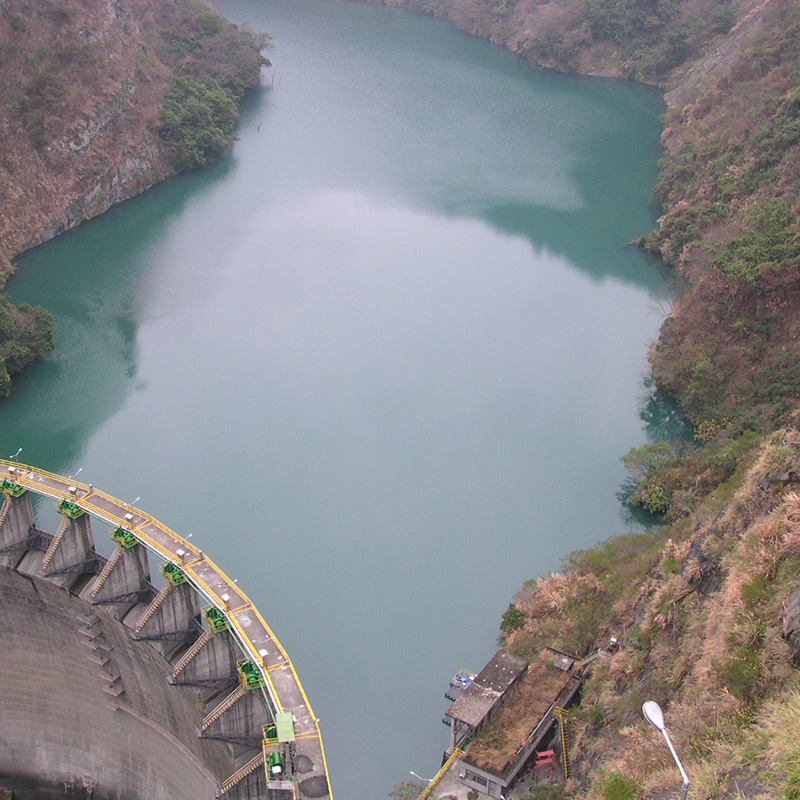
Periodic desilting of dams and reservoirs to restore storage capacity — a growing need across Tunisia's water infrastructure as reservoirs accumulate sediment over decades of service. | Wastewater Treatment
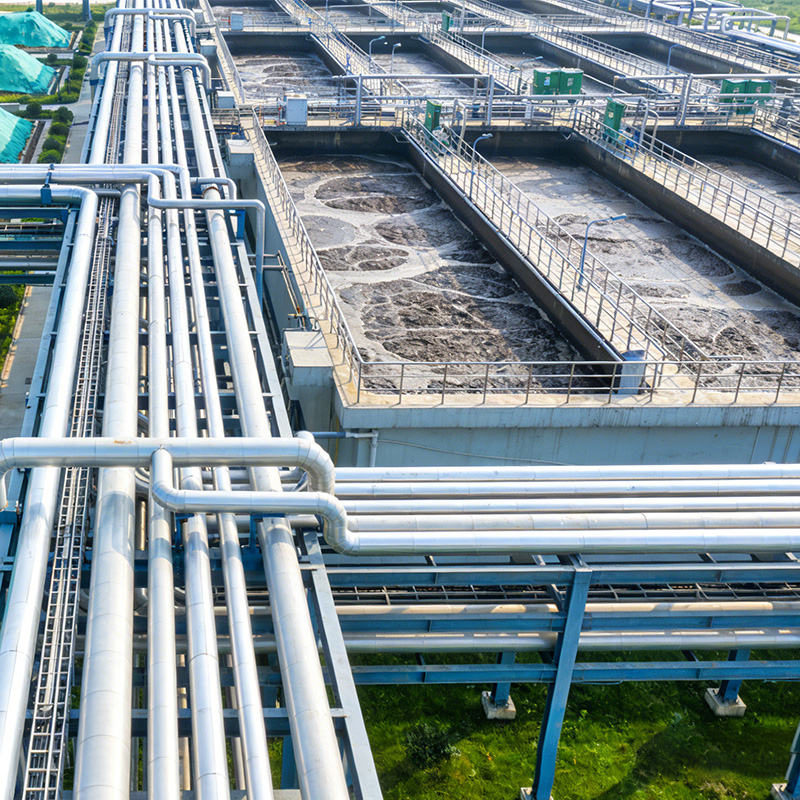
Municipal and industrial wastewater plants use the same platform for grit removal, sludge return, and digester feed applications where solids content and abrasiveness exceed what a standard wastewater pump is rated for. |
| Parameter | Typical Range |
|---|---|
| Flow Rate | 10 – 2,500 m³/h |
| Head | 5 – 60 m |
| Power | 2.2 – 315 kW |
| Voltage | 380V / 400V / 415V / 440V (custom voltages available) |
| Frequency | 50 Hz / 60 Hz |
| Outlet Size | DN50 – DN300 (2" – 12") |
| Max Solid Size | Up to 80 mm |
| Max Slurry Density | Up to 1.8 SG (approx. 40–60% solids by weight) |
| Materials | High chrome A05 (Cr27), A49 (Cr30), wear-resistant rubber liner options |
| Motor Protection | IP68, oil-filled, thermal sensor protected |
| Cooling Jacket | Integrated water-cooling jacket for partial-submersion duty |
| Mechanical Seal | Tandem double mechanical seal, silicon carbide / silicon carbide |
Hydroman manufactures both electric and hydraulic submersible slurry pump models, and the right choice depends almost entirely on how mobile your operation needs to be.
| Feature | Electric Submersible Slurry Pump | Hydraulic Submersible Slurry Pump |
|---|---|---|
| Power Source | Electric Motor | Hydraulic Power Pack |
| Installation | Fixed | Excavator / Crane |
| Operating Cost | Lower | Higher |
| Maintenance | Easier | More Components |
| Mobility | Stationary | Mobile |
| Best Application | Continuous Pumping | Mobile Dredging |
For stationary mining, sludge and sand pumping applications across Tunisia, electric models are generally the better long-term choice — energy efficiency, lower maintenance, and true continuous-duty capability all favor an electric drive. Where you need to reposition the pump frequently, work from an excavator arm, or dredge in areas without grid power, the hydraulic version earns its higher upfront and running cost through mobility alone.
Every Hydroman submersible slurry pump is cast in high chrome alloy and shaped using CFD-optimized hydraulic passages, so the flow path itself is designed to reduce turbulence and localized wear rather than just relying on thicker metal to survive. Wear parts — impeller, wear plate, throatbush — are cast at extra thickness specifically so they can be reused through multiple wear cycles rather than replaced at the first sign of erosion.
Production runs through precision casting under ISO 9001 quality management, with dimensional and hardness inspection at each stage before assembly. It's a straightforward approach: better material, better flow design, and inspection discipline before the pump ever ships — which is what actually shows up as service life once the pump is in the field.
Customer Background
A phosphate processing operation in the Gafsa mining basin needed to transfer thickened tailings from its processing circuit to a storage impoundment roughly 800 meters away, with a static lift of approximately 18 meters. | 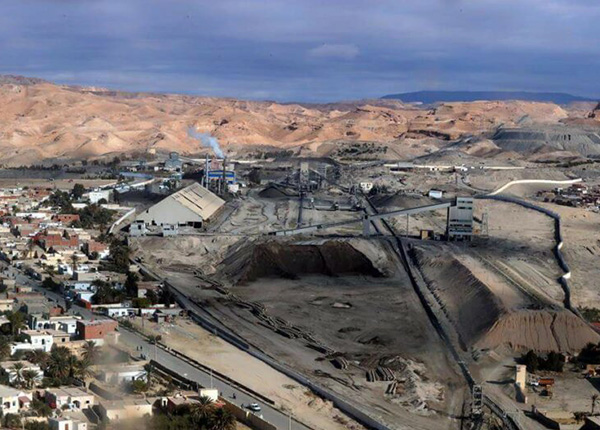 |
 | Pumping Challenges
The tailings stream carried a high proportion of fine phosphate particles at around 45% solids by weight, with periodic settling in the sump that created compacted layers a standard submersible pump repeatedly clogged against. |
Selected Pump Configuration
A Hydroman heavy-duty electric submersible slurry pump fitted with side cutters, A05 high chrome wet end, and a DN150 discharge outlet was installed directly in the tailings sump, sized to the site's flow and head requirements. | 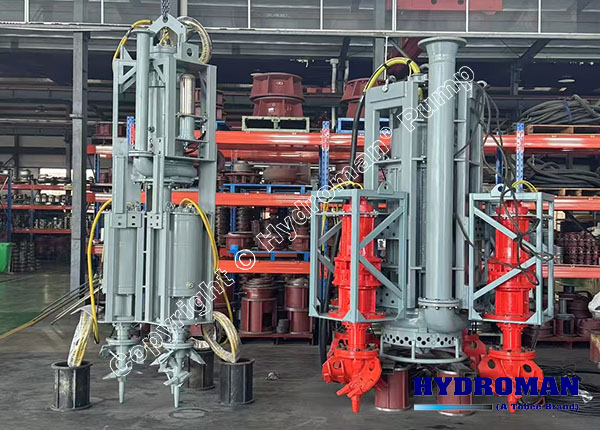 |
 | Working Results
The side cutters broke through the compacted layers at start-up without manual intervention, and the pump maintained stable delivery across the full pipeline run without the repeated clogging the previous pump had experienced. |
The site reduced unplanned downtime associated with pump clogging, and the modular wear-part design meant maintenance could be scheduled around production rather than dictated by unexpected failures.
Hydroman has been manufacturing submersible slurry pumps for mining, dredging, and industrial applications with export experience across the Middle East, North Africa, Southeast Asia and beyond. Beyond the standard catalog, the team supports OEM and ODM manufacturing for customers who need a pump built to a specific spec or branded for their own product line, backed by a spare parts supply chain so replacement wear parts don't become a bottleneck on your project timeline.
You'll also get direct technical support during pump selection — not a generic catalog recommendation, but a duty point matched to your actual flow, head and slurry characteristics — along with fast delivery scheduling for projects on a deadline, and custom solutions where the standard range doesn't quite fit your application.
A submersible slurry pump is a pump designed to operate fully submerged in the material it's pumping — typically a mixture of water and solids such as sand, sediment, tailings or sludge — with a sealed, waterproof motor and a wear-resistant wet end built to handle abrasive, high-solids content.
The terms overlap significantly in practice. A slurry pump is generally built for higher solids concentration and more abrasive material like sand or mineral tailings, while a sludge pump is typically optimized for softer, more homogeneous material like wastewater sludge — though the same heavy-duty wet end design often serves both applications well.
Side cutters physically cut into compacted or consolidated material to break it apart before it reaches the impeller. An agitator stirs loose, unconsolidated sediment to keep it in suspension and prevent settling. Choose based on whether your material is packed down or still loose in the water column.
Yes. The standard configuration is rated for slurry up to approximately 1.8 SG, or roughly 40–60% solids by weight, depending on particle size and material characteristics.
Yes, the pump is commonly deployed as a submersible dredge pump on pontoons or ladder-mounted frames for river, reservoir and coastal sand dredging, particularly where the material includes compacted layers that need side cutters to break through.
Start with three data points: required flow rate, total dynamic head (including pipeline friction losses), and the solids content and particle size of your material. From there we can match a duty point and confirm whether side cutters, an agitator, or a standard configuration fits your site conditions best.
Standard wet end material is high chrome A05 (Cr27) alloy. For more abrasive or higher-impact applications, A49 (Cr30) alloy and wear-resistant rubber-lined options are also available.
Yes. Hydroman produces both electric and hydraulic submersible slurry pumps. Hydraulic models are generally recommended for mobile dredging applications powered from an excavator or dedicated power pack.
Submersible slurry pump price varies significantly based on flow rate, head, power rating, wet end material and configuration (standard vs. side cutter vs. agitator). Send us your application details and we'll provide a specific quotation rather than a generic price range.
Yes, Hydroman supports OEM and ODM manufacturing, including custom branding, modified specifications, and pumps built to a customer's own technical drawings.
Yes. Hydroman submersible slurry pumps are for sale globally, with export experience to Tunisia and across North Africa, the Middle East, and Southeast Asia, supported by international shipping and documentation handling.
Use the request form at the bottom of this page, or contact our technical sales team directly with your flow, head, and material specifications for a matched recommendation and quote.
Tell us your flow rate, head, and material characteristics, and we'll help you find the right pump — whether that's a standard electric submersible slurry pump, a side cutter configuration for compacted material, or a fully custom OEM build.
Our team can help with pump selection assistance, customized solutions, OEM & ODM manufacturing, technical consultation, spare parts support, and fast global delivery to Tunisia and beyond.
 Sara Liang
 +86 189 3110 6396 (Whatsapp/Wechat)
 Inquiry@tobeepump.com
Submitted successfully
Your submission has been received. Thanks for your time

 FR(EUR)
 CN(CNY)
 GB(GBP)
 AU(AUD)







Reviews
0%
0%
0%
0%
0%
Share your thoughts with other customers
Write a Review