
 FR(EUR)
 CN(CNY)
 GB(GBP)
 AU(AUD)
Blog
Everything You Need to Know About Vertical Inline Pumps
- Aug.01, 2026 09:57:29
- 0 Comments
If you've ever specified a pump for a tight mechanical room, a booster station, or a fire protection loop, you've probably run into the term "vertical inline pump" more than once. It's one of the most common — and most misunderstood — pump configurations in the industry. This guide walks you through what a vertical inline pump actually is, how it works, which type fits your application, and what to look for when you're comparing manufacturers.
1. What Are Vertical Inline Pumps?
Definition of a Vertical Inline Pump
A vertical inline pump is a centrifugal pump built with a vertical motor shaft, where the suction and discharge ports sit on the same centerline. Because of this layout, you can drop it straight into an existing pipe run without offsetting the piping to the side, which is exactly why plant engineers reach for a vertical inline centrifugal pump whenever floor space is limited.
You'll also see this equipment referred to as an inline centrifugal pump or, more formally, a Vertical In-Line Centrifugal Pump. Regardless of which name shows up on the datasheet, you're looking at the same basic idea: a close-coupled, vertically mounted centrifugal pump designed to sit directly in the pipeline rather than beside it.
Four design traits define almost every model you'll encounter:
| Design Trait | What It Means for You |
|---|---|
| Inline configuration | Suction and discharge nozzles share one axis, so pipework stays straight and simple |
| Vertical motor arrangement | The motor sits above the pump, keeping the footprint small |
| Close-coupled design | Motor and impeller share a common shaft — no separate coupling or baseplate alignment needed |
| Centrifugal pumping principle | Rotational energy from the impeller is converted into flow and pressure |
Why Are They Called Inline Pumps?
The name comes directly from the piping arrangement. Every inline pump — sometimes written as in line centrifugal pumps — places the suction and discharge on the same centerline, so the pump essentially becomes part of the pipe itself. In practice, this gives you three real benefits on the job site:
- You don't need to design an offset or elbow just to accommodate the pump body.
- The compact piping layout shortens installation time and reduces the number of fittings, which lowers both material cost and the number of potential leak points.
- Because the pump can be supported directly by the pipeline (on smaller models) or on a small foundation pad (on larger models), installation is noticeably faster than with a horizontally split, baseplate-mounted pump.
2. Main Components of a Vertical Inline Pump
Before you get into sizing or selection, it helps to understand what's actually inside the casing. Here's the anatomy you'll find on nearly every vertical inline pump — this level of vertical inline pump detail is worth knowing before you read a manufacturer's cutaway drawing.
Pump Casing
Usually cast iron (ASTM A48 Class 30/35) for general service, or stainless steel (CF8/CF8M, equivalent to 304/316) for corrosive or potable water duty. The casing is typically rated for working pressures between 16 bar and 25 bar (232–363 psi) depending on the model.
Impeller
Closed or semi-open, single or multistage, machined for hydraulic balance to keep vibration low. Impeller trim diameter is one of the main levers used to fine-tune head and flow to the actual duty point rather than oversizing the motor.
Pump Shaft
Typically stainless steel (AISI 420 or 431) for strength and corrosion resistance. It's worth noting the difference from line shaft pumps here: a line shaft pump — common in deep well and vertical turbine applications — uses a long shaft running through multiple bearing bushes down a column pipe to a submerged impeller. A vertical inline pump, by contrast, has a short shaft directly coupling the motor to the impeller inside a single compact casing. Same "vertical" description, very different mechanical concept.
Mechanical Seal
Single mechanical seals (carbon vs. ceramic, or silicon carbide for abrasive media) are standard; double seals are used for hazardous or high-temperature fluids. Seal face temperature ratings commonly run up to 120°C (248°F) in standard configurations.
Bearings
Grease- or oil-lubricated ball bearings support radial and axial loads. L10 bearing life ratings on industrial-grade vertical inline pumps are commonly specified at 20,000–40,000 hours under rated load.
Motor
Standard IEC or NEMA frame motors, typically IE3 premium-efficiency, ranging from fractional horsepower on small circulator-style units up to 500 kW or more on large multistage booster and fire pump sets.
3. How Does a Vertical Inline Centrifugal Pump Work?
Once you understand the parts, the operating principle of a vertical inline centrifugal pump — or, as it's sometimes labeled on spec sheets, a vertical centrifugal inline pump — is straightforward.
Liquid enters the pump axially through the suction port and is directed into the eye of the rotating impeller. As the impeller spins (typically at 1450 or 2900 rpm on a 50 Hz supply, or 1750/3500 rpm on 60 Hz), it imparts rotational energy to the fluid through centrifugal force. That energy pushes the liquid outward toward the impeller vanes and into the volute or diffuser, where the pump casing's expanding cross-section converts velocity into pressure — the classic energy conversion step that defines every centrifugal pump.
The result is a continuous water flow path from suction to discharge with steadily increasing pressure. On a single-stage unit, all of this happens in one pass through one impeller. On a multistage unit, the partially pressurized flow is fed into a second, third, or further impeller stage in series, which is how these pumps reach heads that a single-stage design simply can't achieve.

4. Types of Vertical Inline Pumps
Not every vertical inline pump is built the same way, and picking the right family matters more than picking the right brand. Here's how the main types break down.
Inline Single Stage Pump
An inline single stage pump uses one impeller to generate flow and head in a single pass. It's the simplest structure in the entire product line, and that simplicity translates directly into a lower price and easier field service — there's only one impeller, one seal chamber, and one wear ring set to think about. Typical duty ranges run 5–1,500 m³/h flow and up to roughly 100 m head, which covers the vast majority of general water circulation duties in HVAC and plumbing systems.
Close Coupled Inline Pump
Most single-stage and many multistage vertical inline models are also close coupled inline pump designs, meaning the impeller is mounted directly on an extended motor shaft with no separate bearing bracket or flexible coupling. This shrinks the overall footprint further, removes coupling alignment from your maintenance checklist, and is a big part of why vertical inline pumps install faster than horizontally split alternatives.
Vertical Inline Multistage Pump
A vertical inline multistage pump — also referred to in the trade as inline multi stage pumps — stacks two or more impellers in series inside the same casing. Each stage adds head without adding flow, so you get high-pressure performance from a compact vertical envelope instead of a long horizontal train of casings.
Vertical Inline Multistage Centrifugal Pump
Scale that concept up and you get the vertical inline multistage centrifugal pump, sometimes labeled centrifugal vertical multistage pump or vertical multistage centrifugal inline pump depending on the region and catalog. These units are the workhorses for demanding, high-pressure duty:
| Application | Typical Discharge Pressure |
|---|---|
| Boiler feed water | up to 40–100 bar depending on stage count |
| Reverse osmosis (seawater/brackish) | 15–70 bar |
| High-rise building water supply | 10–25 bar, sized to overcome static lift over 30+ floors |
CRI Vertical Inline Pump
The CRI vertical inline pump designation refers to a stainless steel, vertical multistage inline product line built around a modular stage-stacking concept — the same DIN/EN and ISO-referenced design philosophy used across the global vertical multistage market. It's a good example of how far this pump family has evolved: nearly all-stainless wetted parts, mechanical seals rated for continuous duty, and stage counts that can be adjusted at the factory to hit a very specific head target without oversizing the motor.
Vertical Inline Booster Pump
A vertical inline booster pump (also written vertical inline boost pump) is typically a multistage unit paired with a variable frequency drive and pressure sensor, either as a single unit or grouped into a duplex/triplex booster set. These are the pumps behind consistent water pressure in mid-rise and high-rise buildings, and behind constant-pressure irrigation and process water systems.
Vertical Inline Fire Pump
A vertical in line fire pump is built and listed specifically for fire suppression duty, engineered to NFPA 20 requirements (or the equivalent FM/UL listing) for fire suppression service. These pumps must deliver rated flow at 100% of rated pressure, at least 65% of rated pressure at 150% of rated flow, and no less than 140% of rated pressure at churn (zero flow) — a performance curve shape that's tightly regulated because lives depend on it.
5. Vertical Inline Pumps vs Other Pump Types
Vertical Inline Pump vs End Suction Pump
This is probably the single most common comparison you'll make during selection, since a vertical inline pump vs end suction pump decision (or, flipped around, end suction pump vs vertical inline pump) usually comes down to footprint versus serviceability.
| Factor | Vertical Inline Pump | End Suction Pump |
|---|---|---|
| Footprint | Small — mounts directly in the pipeline | Larger — needs a horizontal baseplate footprint |
| Maintenance | Back-pull-out designs allow motor/impeller removal without disturbing piping on some models; others require more piping disassembly | Generally easier access to the impeller and seal via back pull-out |
| Efficiency | 65–85% depending on size and stage count | 60–85%, broadly comparable at matched duty points |
| Cost | Lower installed cost due to reduced piping and smaller foundation | Often lower unit cost at very large flows, but higher installation cost |
Vertical Inline Pump vs Horizontal Inline Pump
A horizontal inline pump follows the same "suction and discharge on one axis" principle but mounts with a horizontal shaft. When you're weighing vertical inline vs horizontal pumps, the deciding factor is almost always headroom versus floor space: vertical models save floor area and work well in tight mechanical rooms, while horizontal models are easier to service on units without ready overhead clearance and are sometimes preferred for very large motor sizes where a tall vertical stack becomes impractical.
Vertical Inline Pump vs Vertical Turbine Pump
A vertical inline pump vs vertical turbine pump comparison is really a comparison between two different jobs. Vertical turbine pumps (which use the line-shaft principle mentioned earlier) are built to lift water from deep wells, sumps, or wet pits, with the pump bowls submerged and the motor mounted well above grade. Vertical inline pumps, by contrast, work entirely within an above-ground pipeline and were never intended to draw from a well or open sump.
Vertical Split Case Pump vs Vertical Inline Pump
Finally, a vertical split case pump vs vertical inline pump comparison usually comes up in large fire protection and municipal projects. Split case pumps are horizontally or vertically split double-suction units built for very high flow rates (often 1,000 m³/h and beyond) with easy top or side access to internals, while vertical inline pumps top out at lower flows but win decisively on footprint and installed cost for small-to-mid-size systems.

6. Key Applications of Vertical Inline Pumps
A vertical inline water pump shows up in more places than most people realize once you start looking for it. Across the industry, the pump family is standard equipment for:
- HVAC — chilled water and hot water circulation in commercial and institutional buildings
- Water Supply — municipal and commercial distribution systems
- Pressure Boosting — maintaining consistent pressure in tall buildings and long pipe runs
- Fire Protection — standpipe and sprinkler system supply
- Irrigation — agricultural and landscape pressurized systems
- Industrial Water Circulation — process water loops in manufacturing plants
- Cooling Systems — condenser water and cooling tower circuits
- Municipal Water — treatment plant transfer and distribution duty
7. Advantages of Vertical Inline Pumps
If you're weighing whether a vertical inline configuration is the right call for your project, these are the advantages that consistently come up in real installations rather than marketing copy:
Space-saving installation is the headline benefit — because the pump mounts directly in the pipeline, you can often eliminate a dedicated pump room entirely on smaller systems. Easy maintenance follows close behind on back-pull-out designs, where you can service the motor, seal, and impeller without disturbing the suction and discharge piping. High efficiency is achievable because the compact hydraulic path keeps internal losses low, and modern hydraulic designs commonly reach 70–85% efficiency at the best efficiency point (BEP).
Low vibration comes from the balanced, symmetrical rotating assembly and short shaft length. The compact footprint reduces both building costs and pipe material. Reliable operation is supported by fewer wear points compared to pumps with separate couplings and bearing housings. And over a 15–20 year service life, the combination of lower installation cost, reduced piping, and simplified maintenance adds up to a genuinely lower lifecycle cost versus bulkier alternatives.
8. Vertical Inline Pump Installation Guide
Getting the vertical inline pump installation detail right up front saves you callbacks later. Here's the sequence that matters most.
Foundation. Smaller inline pumps can be pipe-supported, but as size increases, a concrete foundation pad sized for at least 1.5–2 times the pump's static weight is standard practice to control vibration transmission.
Pipe alignment. Even though the pump sits on the pipe centerline, the piping itself must still be independently supported — never let the pump body carry the full weight of the connected pipework. Install straight pipe runs of at least 5 diameters upstream and 2 diameters downstream of the pump where possible, to keep flow into the impeller eye even and reduce cavitation risk.
Motor wiring. Confirm voltage, phase, and rotation direction before running the pump under load; incorrect rotation on a centrifugal pump can cut delivered head by more than half while drawing full-load current.
Priming. Vertical inline centrifugal pumps are not self-priming — the casing and suction line must be fully filled with liquid, and air must be vented from the casing high point, before startup.
Startup checklist. Check that the discharge valve is throttled near closed for start (to limit inrush current and prevent deadhead damage on some designs), confirm bearing lubrication, verify seal flush lines if fitted, then bring the pump up to speed and open the discharge valve gradually while monitoring pressure and current draw.
9. How to Choose the Right Vertical Inline Pump
Selection comes down to matching the pump curve to your actual system curve — not to the biggest number on the datasheet. Work through these parameters in order:
| Parameter | What to Confirm |
|---|---|
| Flow rate | Peak and average demand, usually in m³/h or GPM |
| Head | Total dynamic head including static lift, friction loss, and residual pressure required |
| Temperature | Standard seals typically handle up to 120°C; higher temperatures need special seal materials |
| Pressure | Maximum working pressure and system test pressure the casing must withstand |
| Liquid type | Clean water, seawater, chemical, or fluid with solids content |
| Material | Cast iron for general water, stainless steel (304/316) for corrosive or potable applications |
| Motor power | Sized to cover the full operating range of the pump curve, not just the design point |
| Seal selection | Single mechanical seal for standard duty, double seal for hazardous or high-temperature media |
A pump running consistently close to its best efficiency point will last longer and cost less to operate than one selected purely on a maximum flow figure, so it's worth asking your supplier to plot your actual duty point against the published curve before you finalize a model.
10. How to Maintain Vertical Inline Pumps
Vertical inline pumps are low-maintenance by design, but "low" doesn't mean "none." A basic preventive schedule covers bearing inspection for unusual noise or heat roughly every 2,000–4,000 operating hours, seal replacement on a planned interval rather than waiting for visible leakage (mechanical seals are wear items, typically good for 1–3 years depending on duty), and motor maintenance including insulation resistance checks and cooling fan/vent inspection. Lubrication intervals depend on bearing type — grease-lubricated bearings are commonly re-greased every 2,000–8,000 hours per manufacturer guidance, while some designs use permanently sealed, maintenance-free bearings. Vibration monitoring, even with a simple handheld meter, is one of the most cost-effective ways to catch a developing bearing or alignment problem weeks before it becomes a failure.
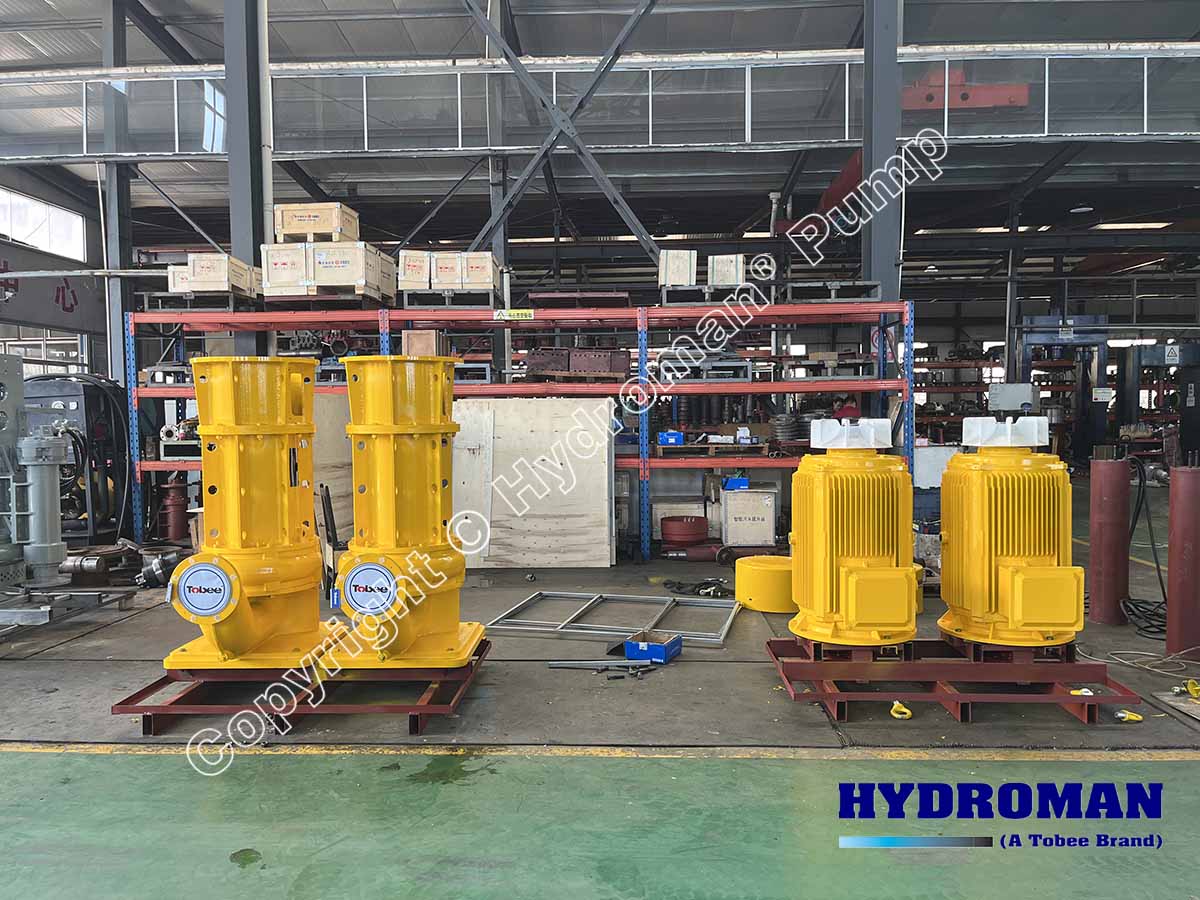
11. Leading Vertical Inline Pump Manufacturers
Once you know what you need, choosing among vertical inline pump manufacturers is really an exercise in due diligence. A reliable manufacturer will be able to show you documented quality control at every stage — hydrostatic testing of every casing, performance testing against the published curve, and material certificates for wetted components — along with recognized certifications such as ISO 9001 for quality management and, where relevant, ISO 2858 or EN 733 dimensional standards and NFPA 20 / UL / FM listings for fire pump product lines.
Genuine OEM/ODM capability matters too, especially if your project needs a non-standard flange, a specific seal configuration, or a motor voltage that isn't in the standard catalog. You want a manufacturer who can engineer to your spec rather than asking you to adapt your system to theirs.
There are real, practical reasons that vertical inline pump manufacturers in China have become a major part of the global supply chain: a mature domestic casting and machining supply base, large-scale hydraulic testing facilities, and competitive lead times without sacrificing the certifications international projects require. The key is verifying that a specific factory backs those claims with actual test reports and traceable materials — not just a catalog page.
This is where Hydroman® fits in. Hydroman® designs and manufactures Vertical Inline Centrifugal Pumps, Vertical Inline Multistage Pumps, and fire and booster pump systems with in-house hydraulic design, casting, and full-load performance testing on every unit before it ships. Our engineering team works directly with project specs — flow, head, medium, and installation constraints — rather than pushing a one-size-fits-all catalog model, and every pump is backed by material certification and documented QC records you can hand to your consulting engineer.
12. Frequently Asked Questions
What is a vertical inline pump?
It's a centrifugal pump with a vertically mounted, close-coupled motor and impeller assembly, where the suction and discharge nozzles sit on the same centerline so the pump can be installed directly in the pipeline.
How does a vertical inline centrifugal pump work?
The impeller spins liquid outward using centrifugal force, and the casing's expanding volute converts that velocity into pressure, moving fluid continuously from suction to discharge.
What is the difference between a vertical inline pump and an end suction pump?
A vertical inline pump mounts directly in the pipe run and takes up minimal floor space, while an end suction pump mounts on a horizontal baseplate with the suction entering axially and the discharge exiting at the top — generally at the cost of a larger footprint.
Are vertical inline pumps self-priming?
No. Standard vertical inline centrifugal pumps require the casing and suction line to be fully flooded before startup; self-priming requires a specifically designed pump.
Where are vertical inline pumps commonly used?
HVAC circulation, municipal and commercial water supply, pressure boosting, fire protection, irrigation, and industrial process water systems.
Can vertical inline pumps handle hot water?
Yes, standard models with appropriate mechanical seals typically handle fluid temperatures up to around 120°C; higher-temperature applications need special seal and gasket materials.
What is a vertical inline multistage pump?
A pump that stacks two or more impellers in series within one vertical casing, adding head at each stage to reach high pressures within a compact footprint — commonly used for boiler feed, reverse osmosis, and high-rise water supply.
How long does a vertical inline pump last?
With proper installation and preventive maintenance, a well-built vertical inline pump commonly delivers 15–20 years of service life, though wear parts like mechanical seals and bearings need periodic replacement well before that.
How do I choose the right inline centrifugal pump?
Start with your required flow rate and total dynamic head, then confirm liquid type, temperature, pressure rating, material compatibility, and motor sizing against a pump curve that puts your duty point near the best efficiency point.
Who are reliable vertical inline pump manufacturers in China?
Look for a manufacturer with documented ISO 9001 quality systems, full hydrostatic and performance testing on every unit, relevant product certifications (such as NFPA/UL/FM for fire pumps), and genuine engineering support for custom specifications — Hydroman® is one such manufacturer, with in-house design, casting, and testing capability.
13. Conclusion
By now you've got a full picture of what a vertical inline pump actually is: a compact, vertically mounted centrifugal pump built to sit directly in the pipeline, available in single-stage and multistage configurations, and suited to everything from HVAC circulation to high-pressure boiler feed and NFPA-rated fire protection. You've also seen how it stacks up against end suction, horizontal inline, vertical turbine, and split case alternatives, what to check during installation, how to size one correctly against your real duty point, and what a preventive maintenance routine should look like over its 15–20 year service life.
If you're looking for high-performance Vertical Inline Centrifugal Pumps, Vertical Inline Multistage Pumps, or customized industrial pumping solutions, Hydroman® offers reliable products engineered for demanding applications. Our experienced engineering team can help you select the right pump based on your flow rate, head, medium, and installation requirements — reach out and we'll help you match a pump to the system, not the other way around.
 Sara Liang
 +86 189 3110 6396 (Whatsapp/Wechat)
 Inquiry@tobeepump.com
Hydroman® Vertical Inline Boost Pump Video
Post Comment
Your email address will not be published.Required fields are marked. *
Popular Articles
- Suction Dredge Systems Explained: Slurry Pump Technology, Efficiency, and Applications
- Submersible Slurry Pumps Explained: A Complete Guide for Industrial Applications
- Everything You Need to Know About Vertical Inline Pumps
- Sewage Pumps 101: Types, Design, Working Principles and Maintenance Guide
- Water Suction Pump Guide: Types, Uses, Working Principles & Selection





Donna
取消
取消