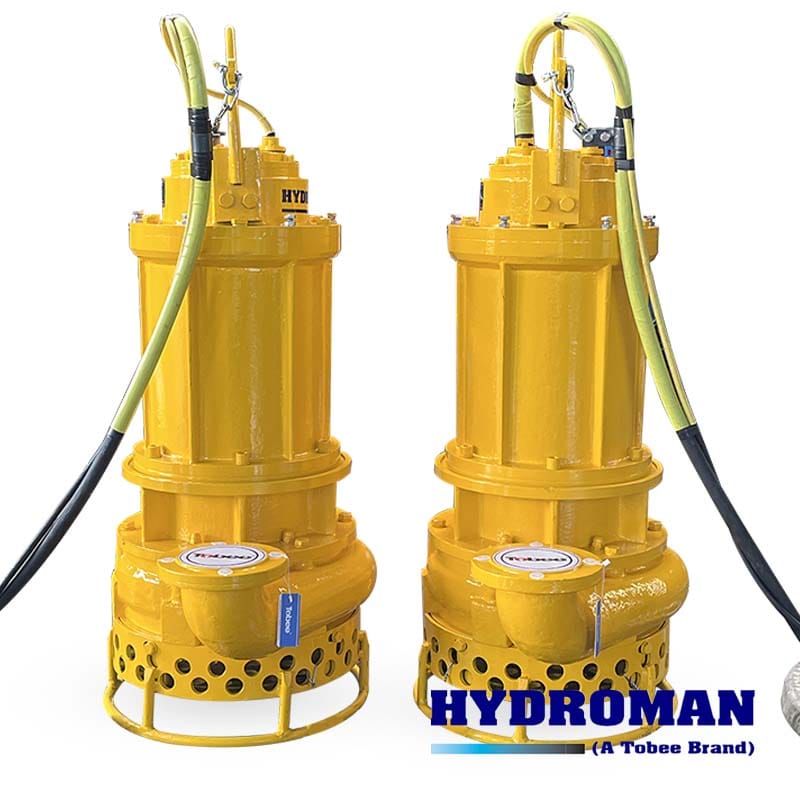
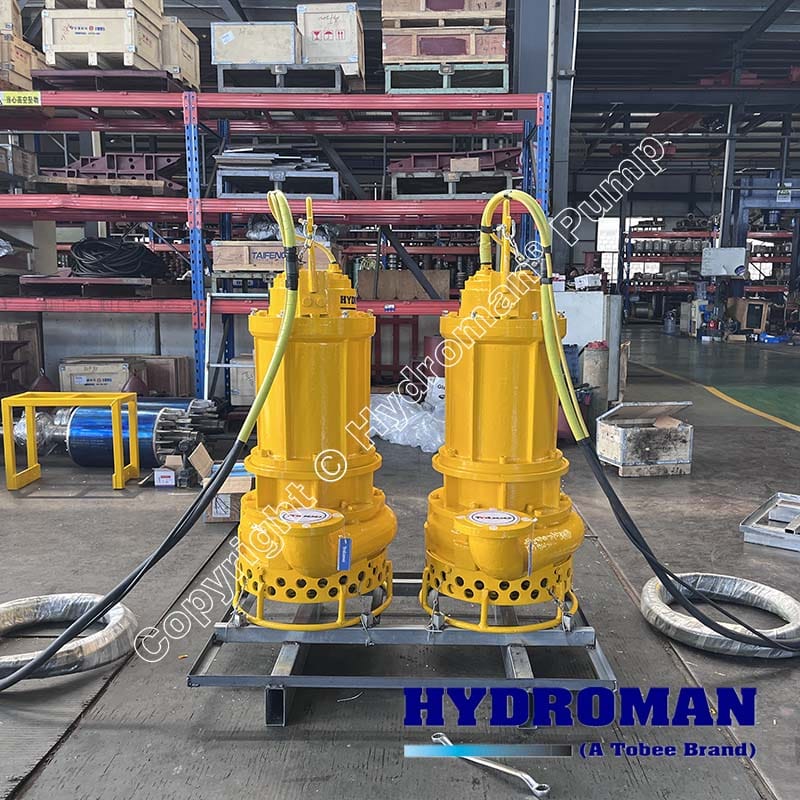
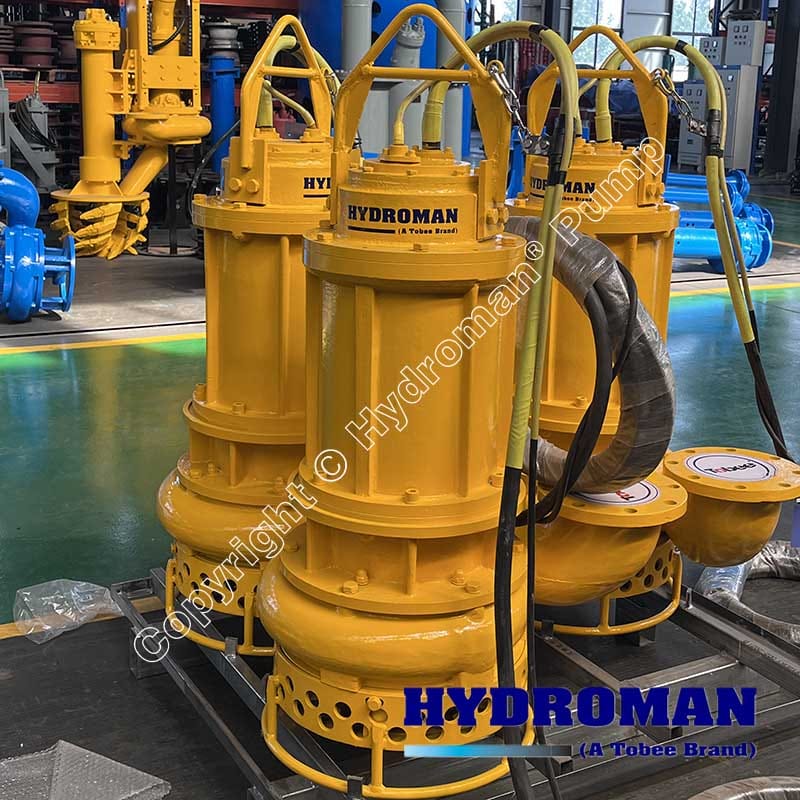
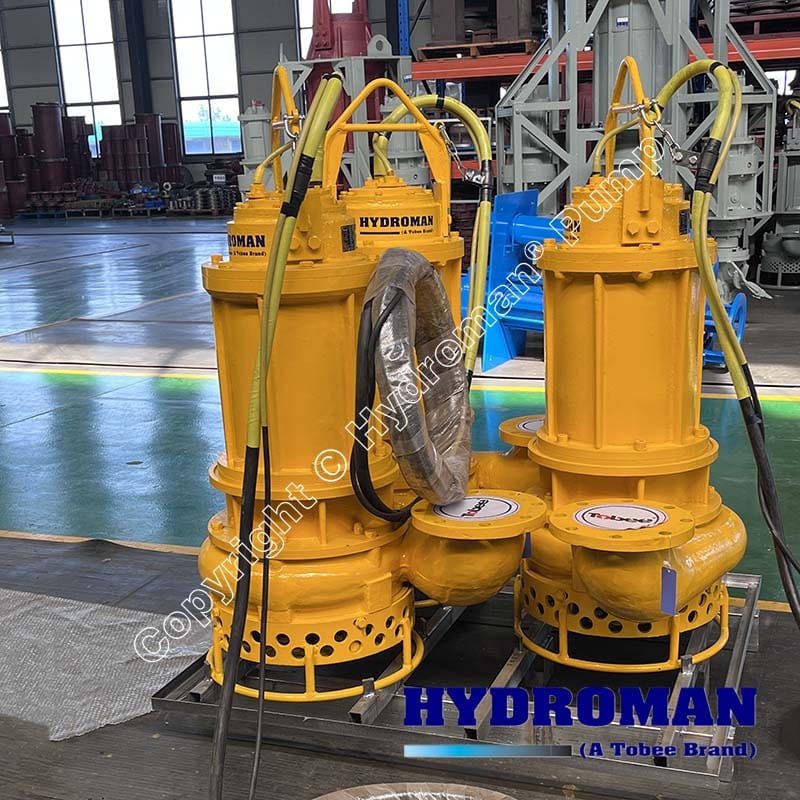
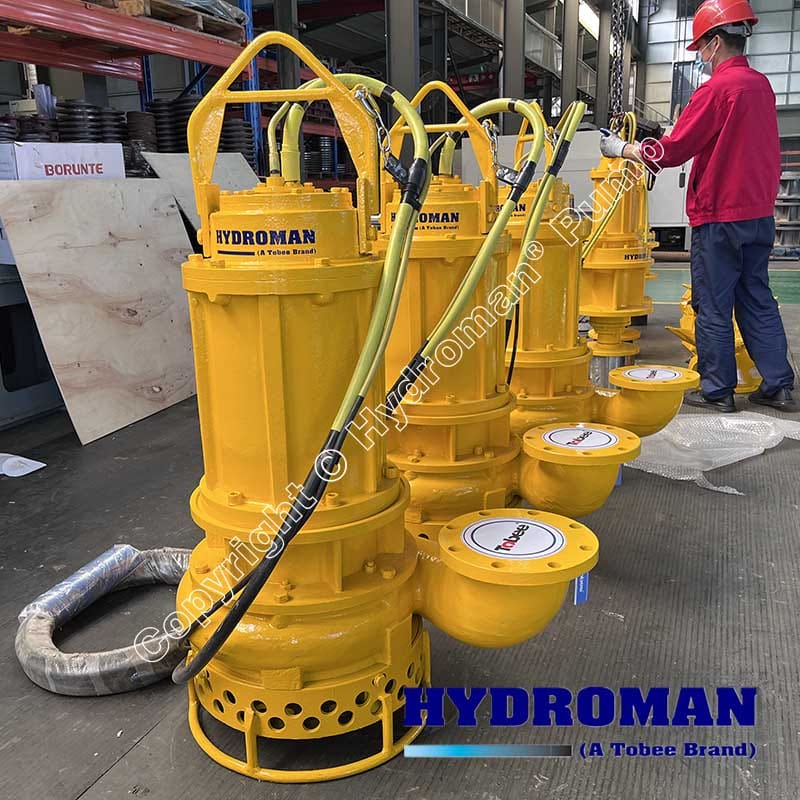
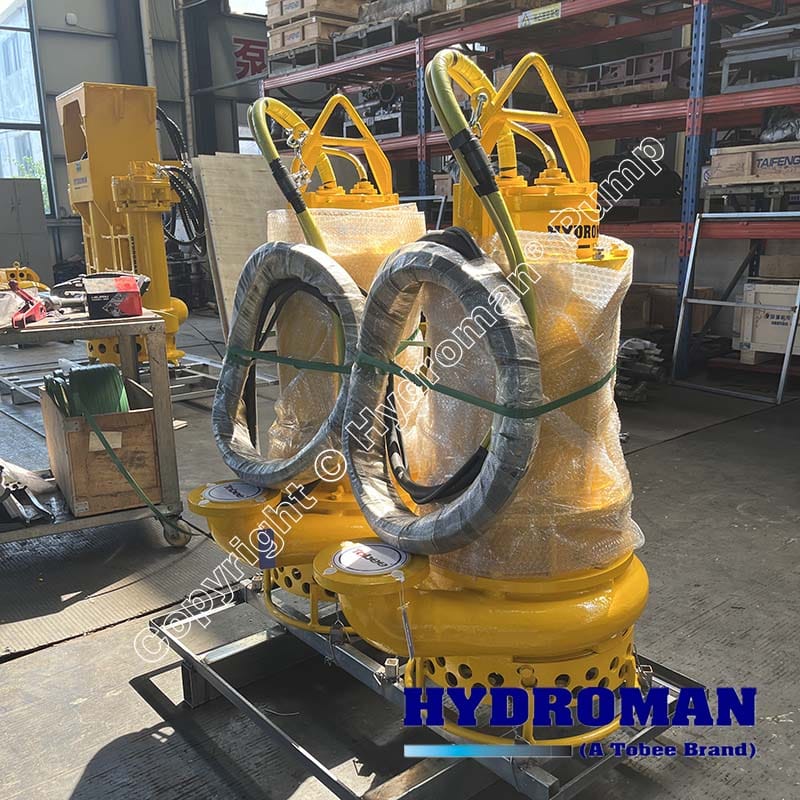
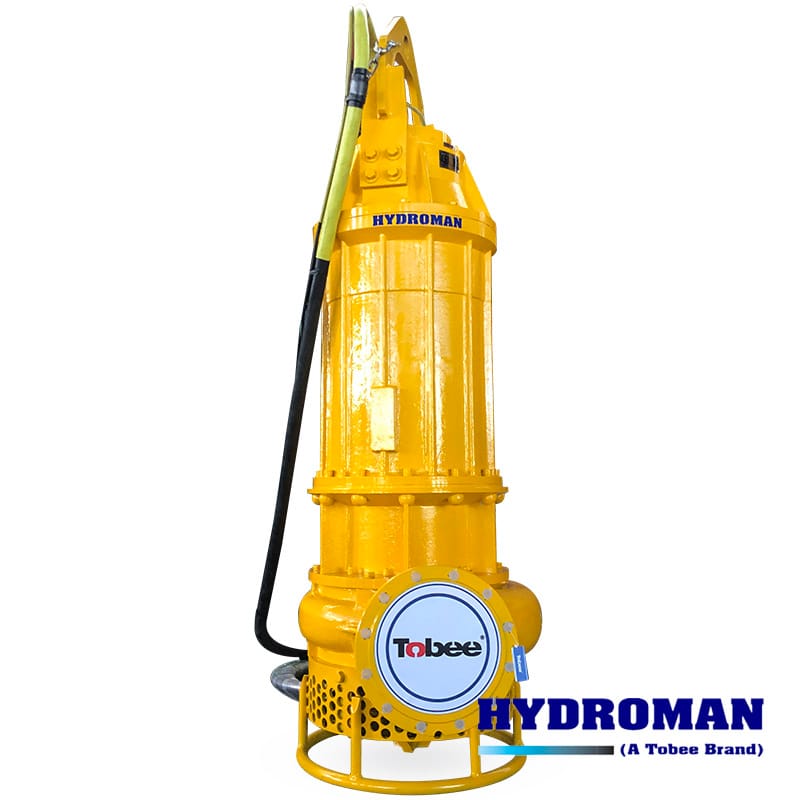
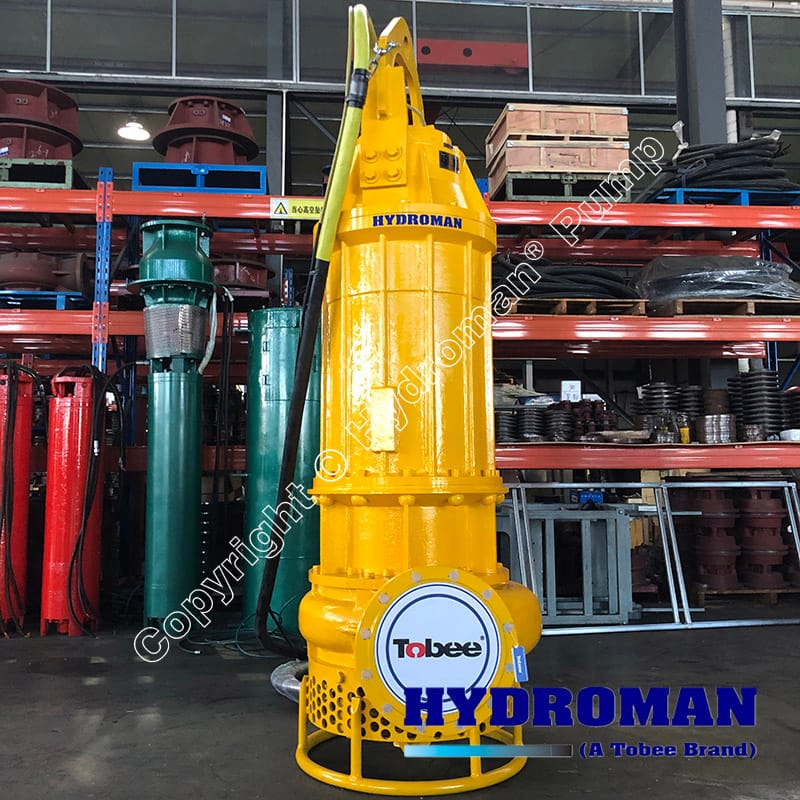
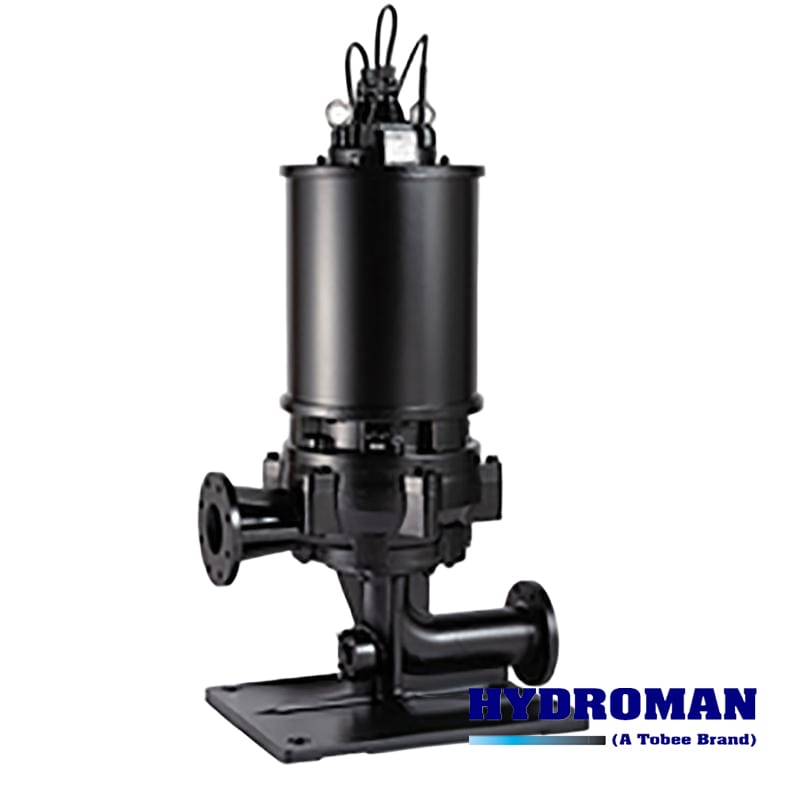
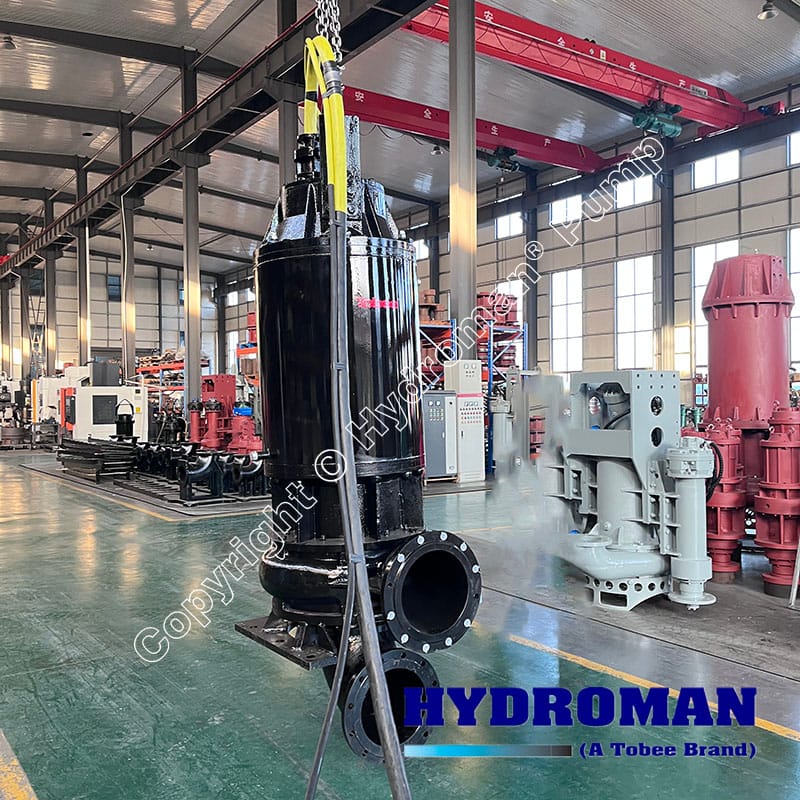
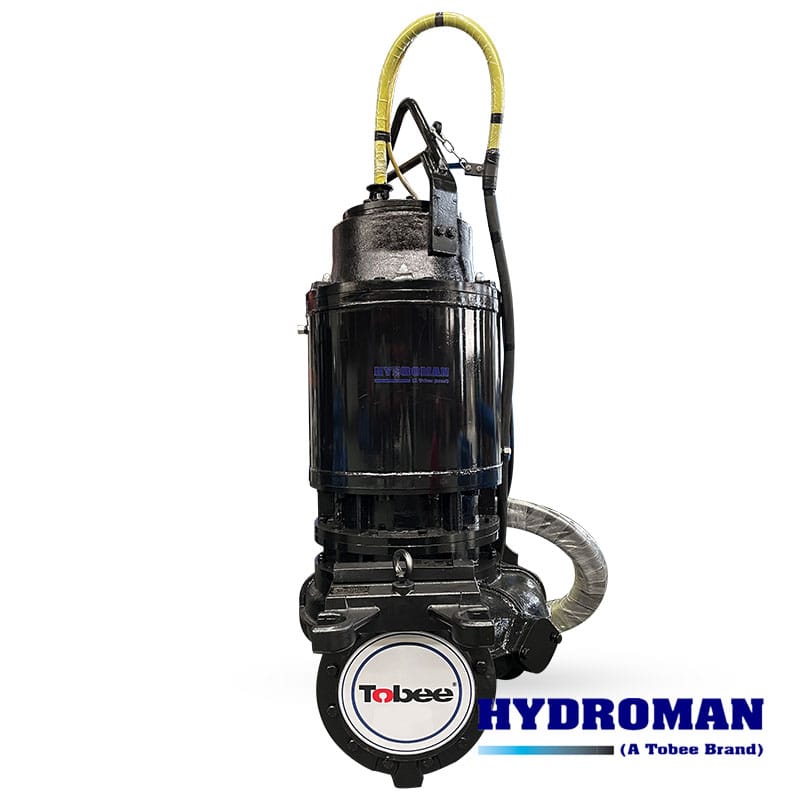
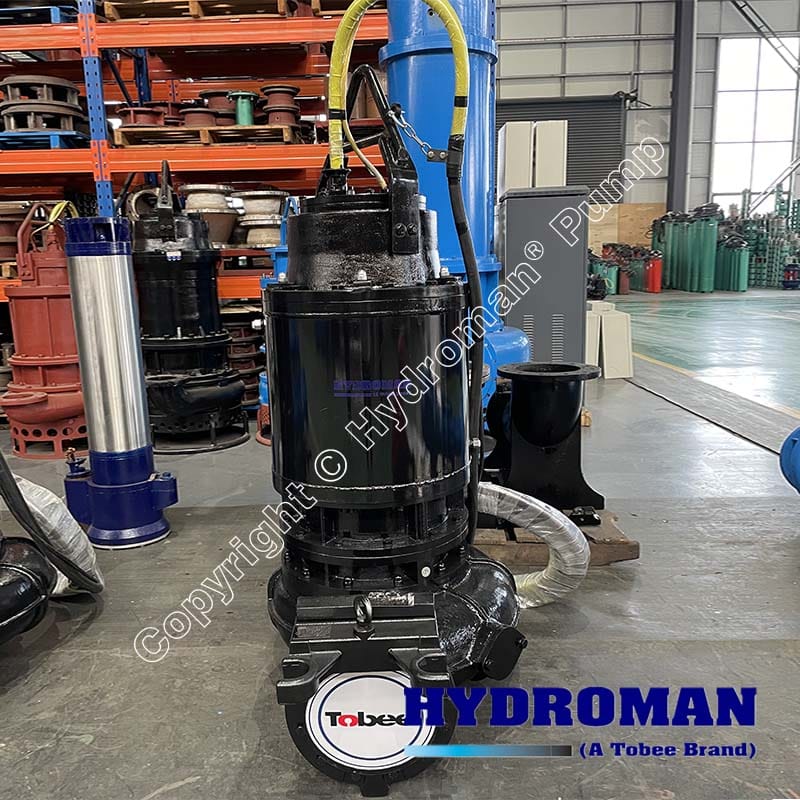
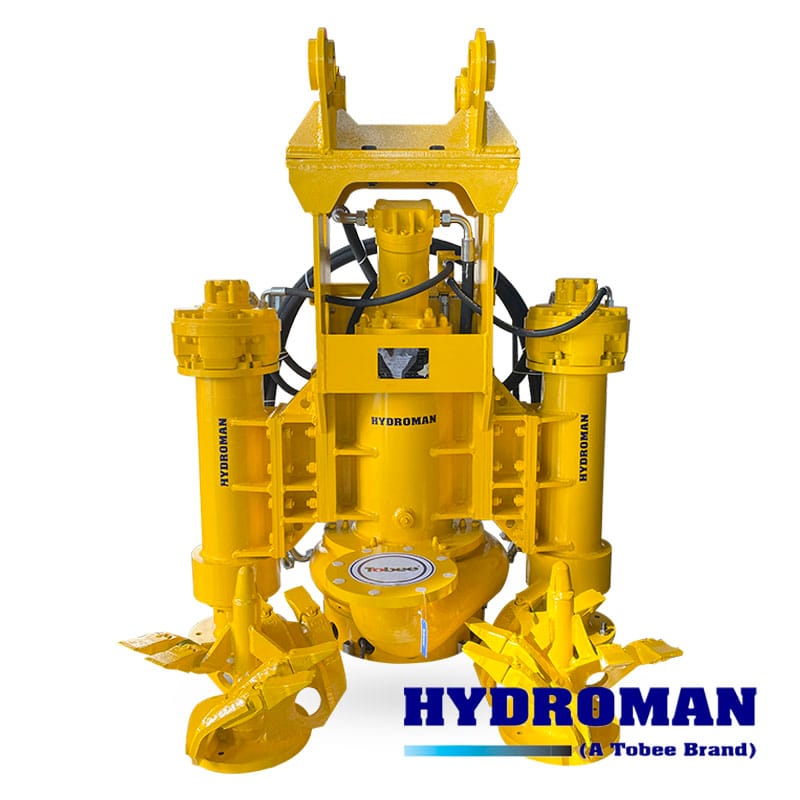
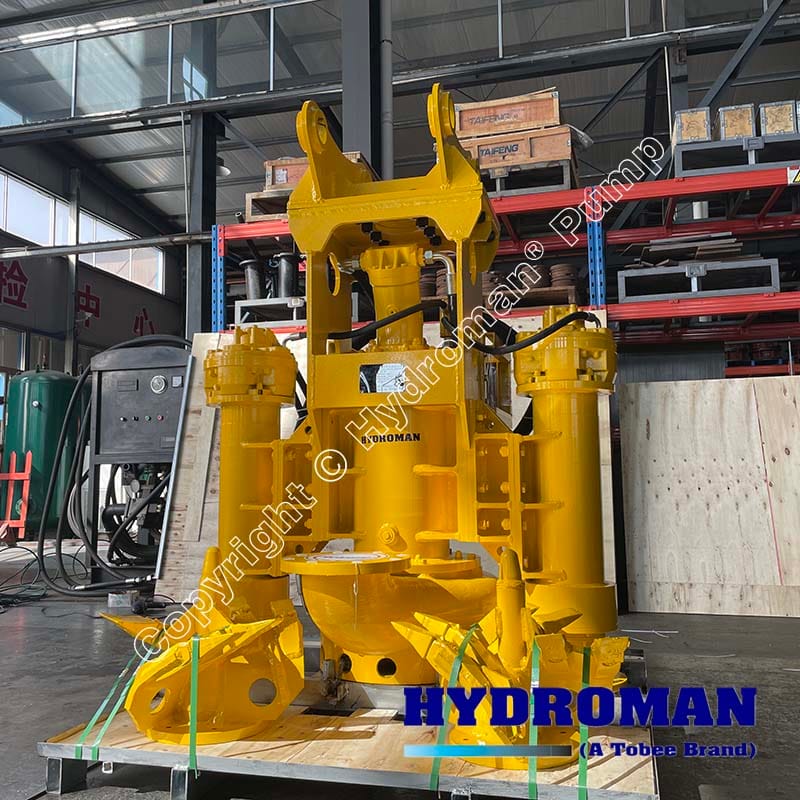
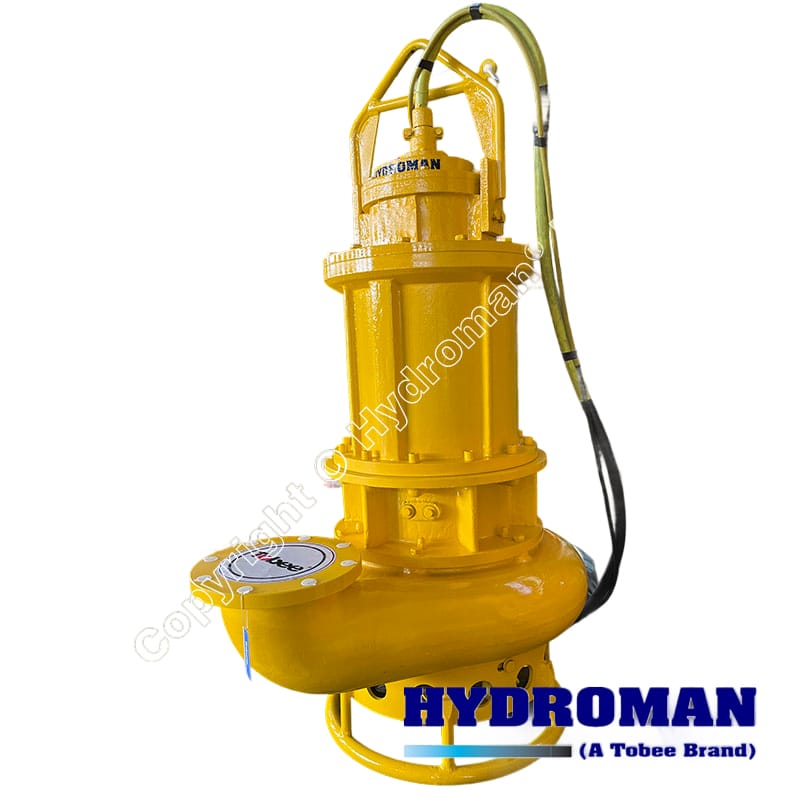
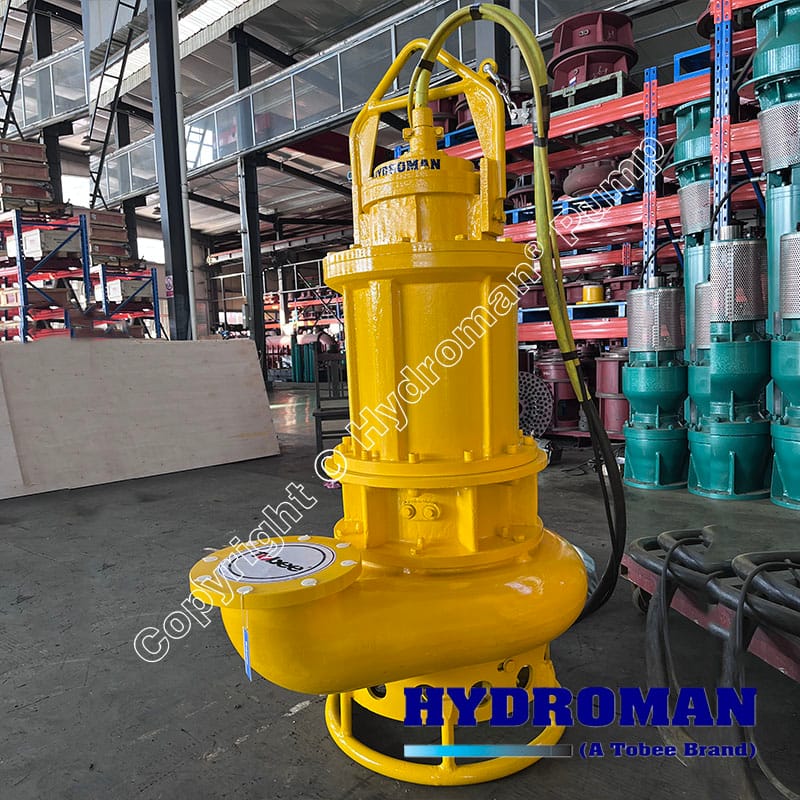
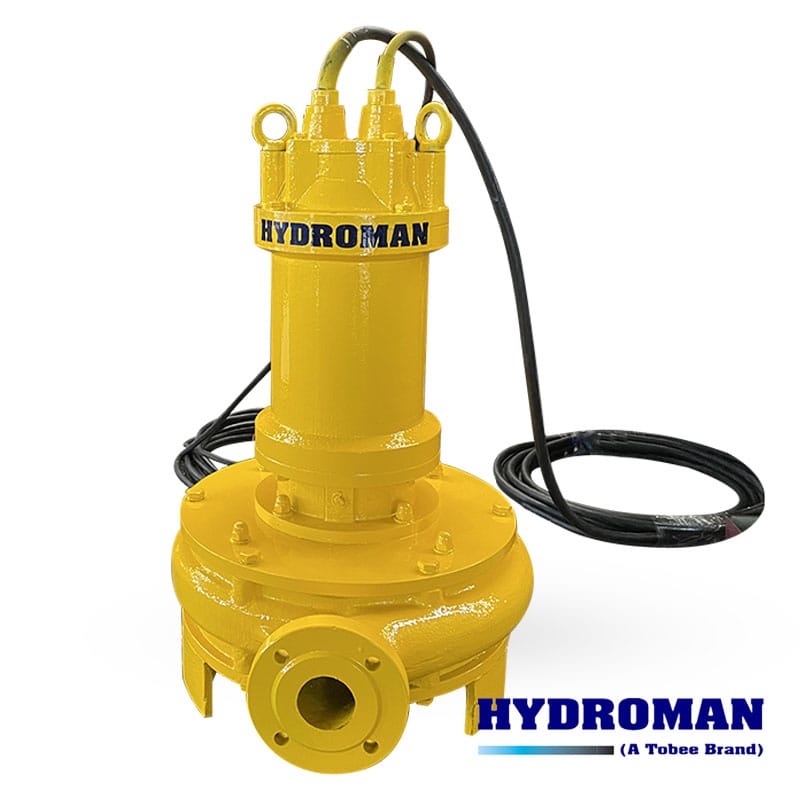
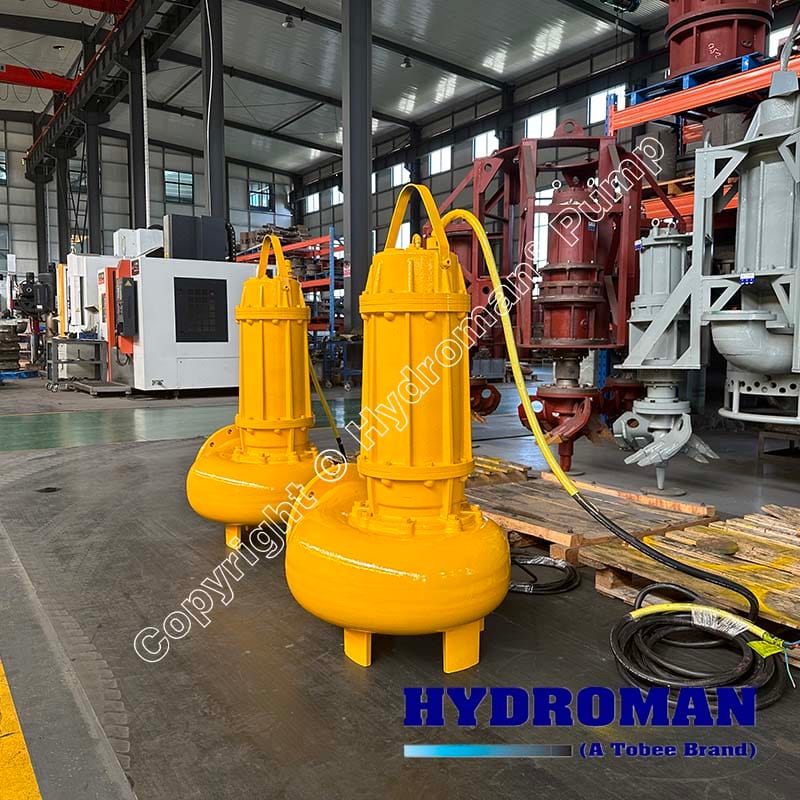
Hydroman® TJQ submersible pump is mainly used to transport slurries containing solid particles, such as sediment in rivers, sludge in wastewater treatment plants, and tailings in mines. Hydroman® submersible agitator pumps play a key role in pumping dredging sand, slurry, sludge from river, lake, port constrution, quarry and so on and used on beach replenishment, harbor maintenance, dam dredging, river dredging project etc. Hydroman® submersible series products include TJQ submersible slurry pump, THY hydraulic dredge pump, TWQ submersible sewage pump, TQJ deep well pump and Optional pump accessories etc.
▪ High - efficiency Slurry Handling: These pumps are designed to efficiently handle slurries containing solid particles. Equipped with a high - performance impeller, they can generate a strong suction force to quickly pump out slurries. Some models are also equipped with an agitation impeller, which can stir the deposited sediment at the bottom into a turbulent flow, making it easier to pump, thus improving the handling efficiency. They can handle various materials with different particle sizes and concentrations, and are suitable for multiple applications, including dredging, dewatering, mining, and waste management.
▪ Excellent Wear Resistance: The key wetted parts, including the impeller and the pump casing, are usually made of high - hardness and high - wear - resistance materials, such as high - chromium cast steel or special alloy materials. This enables the pump to maintain good performance even when transporting abrasive media, with a long service life.
▪ Good Sealing Performance: They often adopt a double - mechanical seal structure, which can effectively prevent the medium from entering the motor cavity, ensuring the safe and reliable operation of the motor. At the same time, it can also prevent the leakage of toxic or polluted media, which is environmentally friendly.
▪ Convenient Submersible Design: The overall submersible design eliminates the need to consider the suction lift limit. It can be directly put into the slurry area for operation, with a simple structure and convenient use. This design can also reduce the construction cost of ground - based equipment, and there is no need to build a complex pump room.
▪ Wide Application Range: They can be used in various industries, such as mining for pumping tailings slurry, power plants for hydraulic ash removal, wastewater treatment plants for pumping sludge, and river and harbor dredging for removing sediment on the riverbed and seabed.
Submersible pumps are highly versatile and are used across many industries for handling water, slurry, sludge, and waste. Their ability to operate while fully submerged makes them ideal for challenging and submerged environments.
▪ Slurry Transportation: Submersible slurry pumps move abrasive slurries—such as ore tailings, coal slurry, or mineral concentrates—from extraction sites to processing plants or storage areas. Their wear-resistant components (e.g., high-chrome impellers) withstand the harsh, particle-laden environment.
▪ Dredging Operations: Used in rivers, harbors, lakes, and coastal areas to remove sediment, silt, sand, or gravel from waterbeds. Models with agitators stir up settled material, allowing efficient pumping for channel deepening or land reclamation.
▪ Construction Site Dewatering: Pumping out groundwater or rainwater from excavation sites, foundations, or trenches to enable construction work. Portable submersible pumps are ideal for temporary, on-site use.
▪ Industrial Wastewater: Used in factories, refineries, and manufacturing plants to pump contaminated water, oily sludge, or chemical-laden effluents to treatment facilities. Corrosion-resistant models (e.g., stainless steel) handle acidic or caustic wastes.

▪ Solid Particle Size: Check the maximum diameter of solid particles in the slurry. Pumps with larger passage sizes (e.g., impeller inlet, volute) are needed for coarse particles (e.g., gravel, ore chunks) to avoid clogging.
▪ Flow Rate (Q): Measured in m³/h or GPM – how much slurry needs moving per hour.
▪ Total Head (H): Vertical + horizontal distance (in meters or feet) the pump must push the slurry.
▪ Solids Handling Capacity: Max particle size (e.g., 50mm, 100mm) and % solids by weight.
▪ Motor Protection: Overload, overheat, and dry-run protection safeguards the motor from damage during abnormal operations.
▪ Agitation Function: Pumps with built-in agitators (e.g., mixing blades) prevent sediment from settling, ideal for thick, stagnant slurries.
▪ Other optional pump accessories: Side cutters, head cutters, control cabinet and rubber hose etc.
If you have further questions or need specific pump model recommendations, let me know!
Contact: Bella Zhang
Submitted successfully
Your submission has been received. Thanks for your time

 FR(EUR)
 CN(CNY)
 GB(GBP)
 AU(AUD)





Reviews
0%
0%
0%
0%
0%
Share your thoughts with other customers
Write a Review