
 FR(EUR)
 CN(CNY)
 GB(GBP)
 AU(AUD)
Blog
Septic Pumps Guide: Types, Applications, and How to Choose the Right Pump
- Aug.26, 2026 12:16:25
- 0 Comments
Septic Pumps Guide: Types, Applications, and How to Choose the Right Pump
Everything you need to know before you buy, replace, or specify a septic pump for your property or project.
If your property doesn't drain to the sewer or drain field by gravity alone, a pump is doing the work that slope would otherwise do for free. That's a bigger job than it sounds like. A septic pump isn't just "a pump that happens to sit in a tank" — it has to move liquid loaded with solids, fibers, and grease, often uphill, often unattended for months at a time, and it has to restart itself correctly every single time. Picking the wrong one is one of the most common (and most expensive) mistakes we see in both residential and commercial wastewater projects.
This guide walks you through how septic pumps actually work, the main types you'll run into — submersible septic pumps, sewage pumps, effluent pumps, grinder pumps, centrifugal pumps, and electric septic pumps — where each one belongs, what they cost, how long they typically last, and the selection details (flow, head, solids handling, materials, controls) that actually determine whether a pump lasts five years or fifteen.
A note on sources: Where this guide references design principles, pump classifications, or system components, it draws on the U.S. Environmental Protection Agency's Onsite Wastewater Treatment Systems Manual (EPA/625/R-00/008) and the solids-handling classifications published by the Submersible & Sewage Pump Manufacturers Association (SSPMA) — both independent, non-manufacturer references used across the wastewater industry.
Table of Contents
- What Is a Septic Pump?
- Understanding Septic Systems and Pump Roles
- Types of Septic System Pumps
- Septic Pump Application Areas
- Choosing the Right Septic Tank Pump
- Septic Pump Installation and Maintenance Essentials
- How Long Do Septic Pumps Last?
- Septic Pump Cost: How Much Do Septic Pumps Cost?
- Septic Tank Pumping vs. Septic Pump Operation
- 5 Tips for Maintaining a Septic System
- How to Avoid Choosing the Wrong Septic Pump
- Why Choose Hydroman Submersible Pumps
- FAQ: Septic Tank Pump Questions
What Is a Septic Pump?
A septic pump is a pump built specifically to move wastewater — not clean water — out of a septic tank, pump chamber, or sewage pit and into a drain field, treatment unit, or higher-elevation discharge point. That single requirement, handling liquid that isn't clean, is what separates it from a generic drainage pump or sump pump.
A standard sump pump is designed around clear or lightly silty groundwater and typically tolerates very small solids, often under half an inch. A septic pump has to deal with toilet paper, grease, fibrous material, and suspended solids without jamming, so it uses a different impeller geometry (open, vortex, or non-clog designs instead of a tight closed impeller), a more robust motor duty cycle, and, in most cases, a mechanical seal rated for continuous submersion in aggressive liquid rather than clean water.
How Do Septic Pumps Work?
The mechanics are straightforward even when the engineering behind them isn't. Wastewater enters the septic tank or a dedicated pump chamber downstream of it. As the liquid level rises, it reaches a preset pumping level. A float switch, pressure transducer, or electronic level sensor detects that level and energizes the pump. The impeller spins, pressure builds in the volute, and the pump pushes wastewater out through the discharge pipe toward the drain field or the next stage of treatment. Once the liquid drops to the shut-off level, the float or sensor de-energizes the pump and it goes quiet again until the cycle repeats.
Most residential and light-commercial electric septic pumps are duty-cycle rated rather than built for continuous run, which is why correct sizing (not oversizing "just in case") actually matters for pump life — a pump that short-cycles constantly wears out its seal and starter components far faster than one sized to run a normal, complete cycle.
When Do You Actually Need a Septic Pump?
Gravity handles a large share of septic systems just fine, but a pump becomes necessary whenever gravity can't do the job on its own:
- The drain field sits at a higher elevation than the septic tank
- Wastewater has to travel a long horizontal distance to reach the treatment area
- A basement bathroom, laundry room, or below-grade fixture sits below the main sewer or septic line
- The property is rural or off-grid with no gravity connection to municipal infrastructure
- The system is a pressure-dosed or pressurized distribution design rather than a passive gravity drain field
In any of these situations, the pump isn't an accessory to the septic system — it is the mechanism that makes the whole system function.
Understanding Septic Systems and Pump Roles
A pump-assisted septic system generally follows this sequence: Septic Tank → Pump Chamber → Septic Pump → Discharge Pipe → Drain Field / Treatment System. Understanding where the pump sits in that chain makes it much easier to diagnose problems and choose the right replacement.
How a Septic System Works
Wastewater leaves the house and enters the septic tank, where it separates by density. Heavier solids settle to the bottom as sludge; fats, oils, and lighter solids rise to form a scum layer at the top; the relatively clear liquid in the middle — the effluent — is what actually moves on to the next stage. In a gravity system, that effluent flows by slope into the drain field. In a pump-assisted system, it flows into a pump chamber first, where the pump lifts or transfers it to the drain field, a mound system, a sand filter, or a small treatment plant.
Why Do Septic Tanks Need Pumping?
It's worth separating two things that get mixed up constantly: septic tank pumping and septic pump operation are not the same task. Septic tank pumping (sometimes called a septic tank pump out) is periodic physical removal of accumulated sludge and scum from the tank by a service truck, typically every 3–5 years for a properly sized residential tank. Septic pump operation, by contrast, is the everyday, automatic job of moving effluent through the system using an electric pump. A failing float switch or worn impeller is a pump problem; a tank that's a third full of solids is a pumping-service problem. Confusing the two often leads to the wrong fix being called in.
What Is Being Pumped Out of a Septic Tank?
When a service truck performs a septic tank pump out, it removes everything that has accumulated in the tank: the sludge layer at the bottom, the scum layer at the top, and the liquid wastewater in between. Industry guidance generally recommends scheduling this once sludge and scum together occupy roughly a third of the tank's working volume, since beyond that point solids start escaping into the drain field, where they cause the most expensive kind of damage.
Types of Septic System Pumps
This is the section that matters most if you're actually specifying or replacing a pump, because "septic pump" is really an umbrella term covering several distinct designs, each built for a different combination of solids content, head, and flow. The Submersible & Sewage Pump Manufacturers Association (SSPMA) classifies submersible wastewater pumps into four broad categories based on solids-handling capability, and that classification is a genuinely useful starting point.
| Pump Category | Typical Solids Handling | Typical Liquid | Common Use |
|---|---|---|---|
| Sump pump | Up to ~1/2 in (12 mm), often none expected | Clear or lightly silty groundwater | Basement/foundation drainage — not septic use |
| Effluent pump | Up to ~3/4–1 in (19–25 mm) | Partially or fully settled septic tank effluent | Drain field dosing, pressure distribution |
| Sewage pump | 1.5–2 in (38–50 mm) or larger, spherical solids | Raw, unscreened household wastewater | Sewage pits, lift stations, septic tank transfer |
| Grinder pump | Cuts solids before discharge | Raw sewage in small-diameter pressure systems | Pressurized sewer mains, long small-bore discharge |
Submersible Septic Tank PumpsSubmersible septic pumps sit fully underwater in the tank or pump chamber, with the motor sealed inside a watertight housing. That's the design most residential and commercial septic systems actually use today, for good reason: there's no external priming, no exposed drive shaft to seal against sewage, and the surrounding liquid helps cool the motor. Installation is also simpler — the unit is lowered on guide rails or a chain, connected to the discharge pipe and float switch, and it's ready to run automatically. A well-built submersible septic pump — whether described as a submersible septic pump, submerged septic pump, or septic pump submersible unit — should handle both the liquid and the suspended solids typical of household or light commercial wastewater without the impeller binding. This is precisely where impeller design and shaft seal quality separate a pump that lasts years from one that fails within months, and it's the core of Hydroman's product focus. | 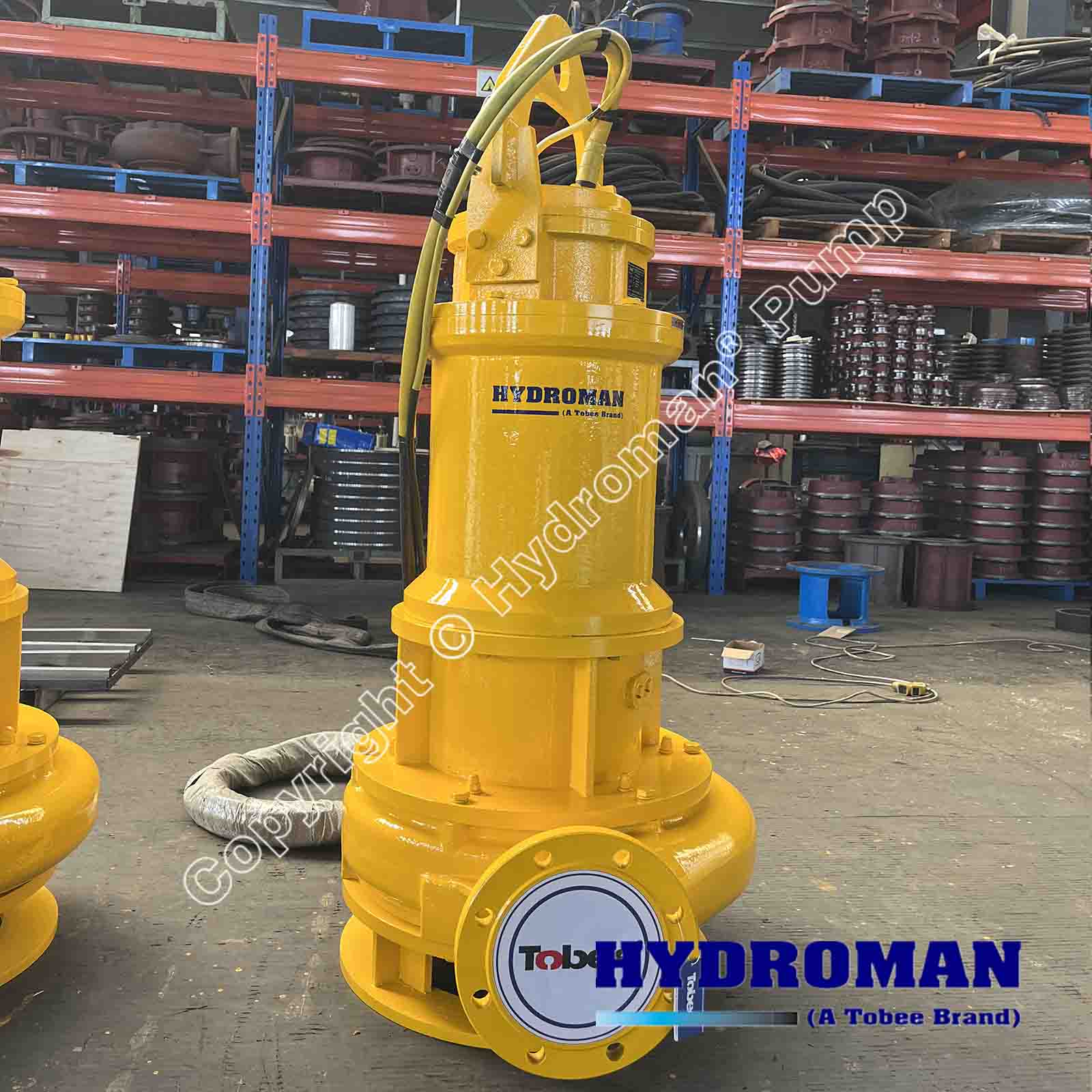 |
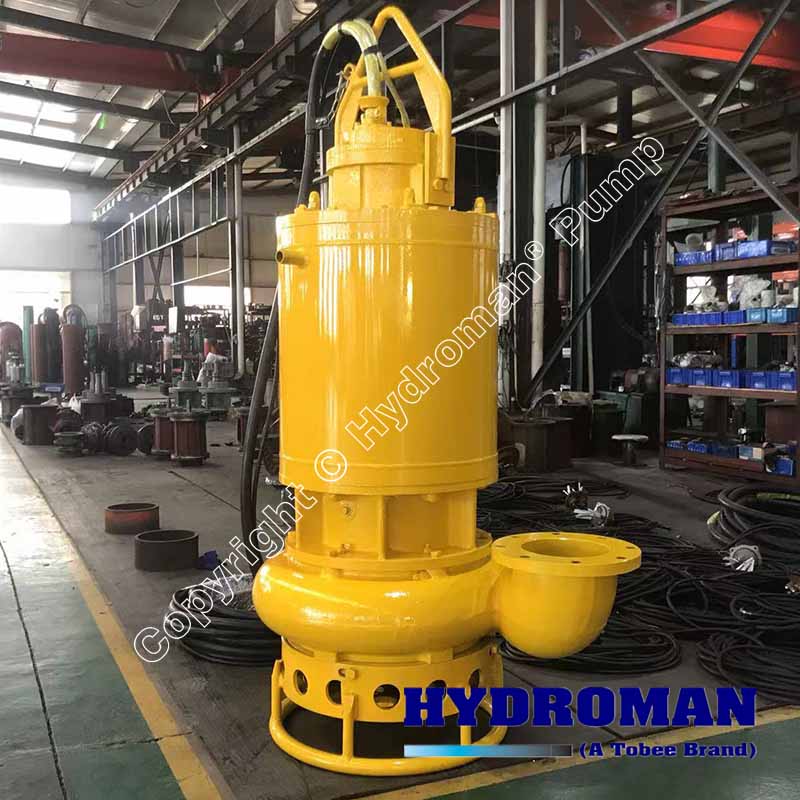 | Sewage Pumps for Septic SystemsA sewage pump for a septic tank is built to move raw, largely unscreened wastewater — not the pre-settled effluent an effluent pump handles. Industry practice generally calls for a sewage pump to pass spherical solids of at least 2 inches (50 mm) in diameter, which covers most of what actually shows up in household and commercial waste streams: wipes, rags, food solids, and fibrous debris. That solids clearance is achieved through non-clog or vortex impeller geometry rather than a tight, closed impeller, which trades a bit of hydraulic efficiency for dramatically better clog resistance. Sewage pumps for septic applications are common in sewage pits, wet wells feeding a septic tank from a lower elevation, and residential sewage lifting stations serving basement fixtures. |
Effluent PumpsEffluent pumps do a narrower, more specialized job than sewage pumps. They're installed downstream of the septic tank's settling zone, where solids have already dropped out or been screened by an effluent filter, so the pump only ever sees relatively clear liquid with small suspended particles — typically no larger than about 3/4 inch. Because the impeller doesn't need to pass large solids, it can be a closed or semi-open design, which is more hydraulically efficient and better suited to generating the higher head pressures needed for pressure-dosed drain fields and mound systems. Putting an effluent pump where a sewage pump belongs is one of the fastest ways to burn out a motor: raw solids jam the tighter impeller, the rotor locks, and the motor draws locked-rotor amperage until the windings fail. |  |
 | Septic Grinder PumpsSeptic grinder pumps use hardened cutting elements to shred solids into a fine slurry before discharging it through small-diameter pipe, often 1.25–2 inches, under relatively high head. That makes them the right choice for pressurized sewer systems and situations where a long run of small-bore pipe is more practical than a large gravity or solids-handling line. They're not automatically the "best" septic pump for every situation, though. Grinder pumps run at higher rotational speeds, the cutting mechanism is a wear item that requires periodic inspection and sharpening or replacement, and they generally cost more upfront and in maintenance than a comparable solids-handling sewage pump. For a standard septic tank transferring effluent to a nearby drain field, a well-selected sewage or effluent pump is usually the more cost-effective and lower-maintenance option. |
Centrifugal Septic PumpsMost submersible septic, sewage, and effluent pumps are, mechanically, centrifugal pumps: a rotating impeller accelerates liquid outward, converting rotational energy into flow and pressure (head). What differs between pump categories is the impeller style built around that centrifugal principle — vortex, non-clog, semi-open, or grinder — chosen to match the solids content of the liquid. Understanding the flow/head relationship on a centrifugal pump's performance curve is essential, because a pump's rated maximum flow only happens at zero head; as static lift and pipe friction increase, delivered flow drops. Sizing off the maximum-flow number alone, without checking where the pump actually lands on its curve at your real operating head, is one of the most common and costly selection errors. |  |
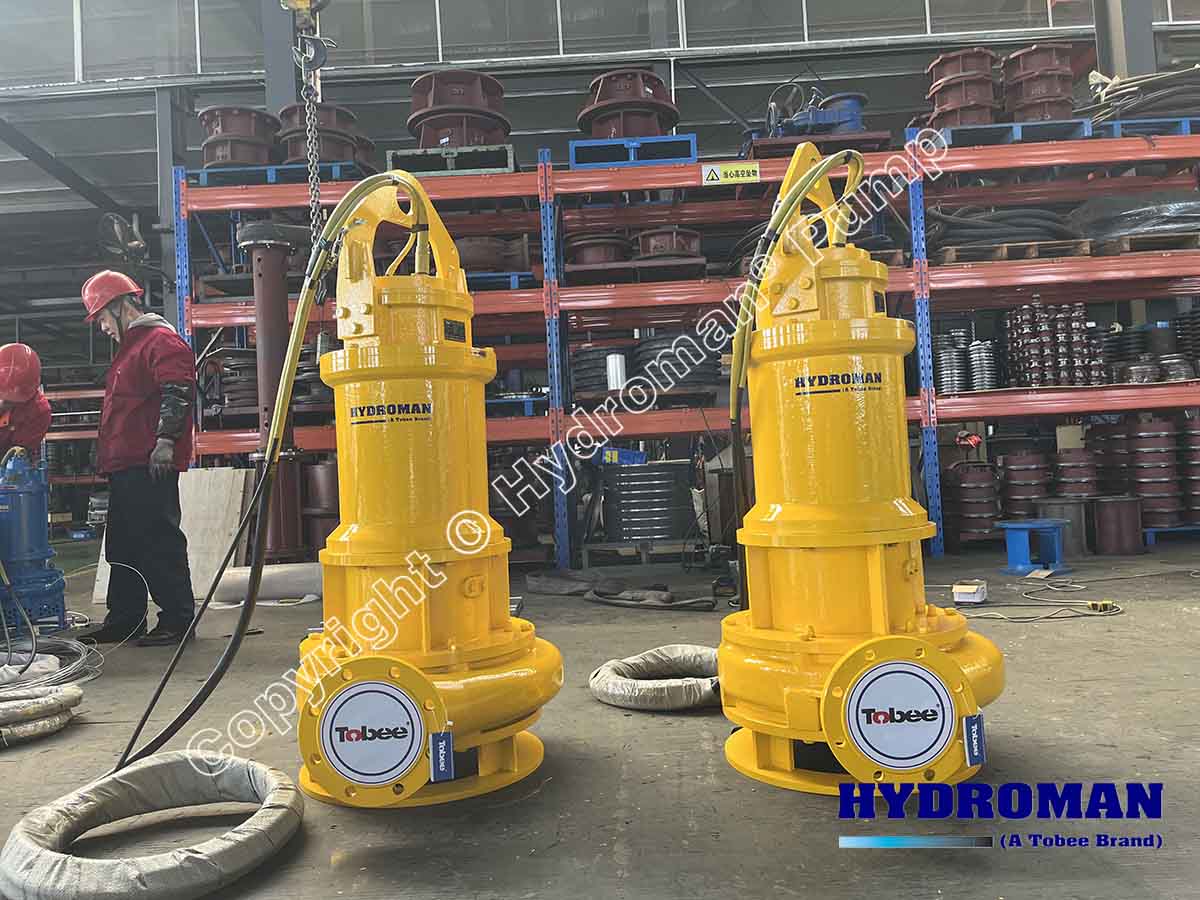 | Sewage Ejector PumpsSewage ejector pumps are essentially sewage pumps applied to a specific problem: lifting wastewater from a fixture that sits below the main sewer or septic line — most often a basement bathroom, laundry room, or wet bar. Wastewater collects in a sealed basin, and the pump ejects it upward into the gravity line. Ejector pump replacement is one of the more common residential wastewater repairs, and it's worth knowing this category by name because it's frequently the actual product being searched for under "septic pump" when the real issue is below-grade plumbing rather than the main septic tank. |
Electric Septic PumpsNearly all modern septic pumps are electric septic pumps, driven by a motor rather than an air-lift or manual mechanism. What varies is how that motor is configured: single-phase power (typically 115V or 230V) for most residential installations, versus three-phase power for larger commercial and industrial units where efficiency and starting torque matter more; and automatic operation via float switch or level sensor versus manually switched operation for specific process applications. Frequency matters too — 60 Hz is standard across North America, while 50 Hz is standard through most of the rest of the world, and a pump's flow and head curve shifts if it's run at the wrong frequency for its design. |  |
Septic Tank Pump Application Areas
Septic pumps aren't limited to single-family homes. The underlying technology scales from a small residential effluent pump to heavy-duty submersible units moving thousands of gallons per hour in commercial and industrial settings.
Septic Tank Wastewater Transfer
The core application: moving settled effluent from the septic tank to a drain field, mound system, or secondary treatment unit whenever gravity alone isn't enough to get it there.
Basement and Low-Level Drainage Systems
Sewage ejector applications for basement bathrooms, below-grade laundry rooms, and any fixture plumbed lower than the main line rely on the same solids-handling pump technology, scaled down for household use.
Rural and Off-Grid Wastewater Systems
Properties without access to municipal sewer infrastructure depend entirely on septic systems, and in hilly or remote terrain, the pump is often the only thing making treatment and disposal possible at all.
Commercial Wastewater Drainage
Restaurants, hotels, campgrounds, and light industrial facilities on septic or package treatment systems generate higher flow and higher-solids wastewater (grease, food waste, laundry lint) than a typical home, which usually calls for a larger, more robust sewage or grinder pump rather than a residential-grade unit.
Small Wastewater Treatment Systems
Package treatment plants, aerobic treatment units, and small community/cluster systems all rely on pumps to move effluent between treatment stages and out to final disposal, exactly as described in EPA's onsite wastewater treatment guidance for alternative and cluster systems.
Choosing the Right Septic Tank Pump
The best septic pump is not the one with the highest flow rate or the biggest motor on the shelf — it's the one that matches the actual hydraulic conditions and wastewater characteristics of your specific installation. Skipping this step is the single biggest reason pumps fail early.
Confirm the Liquid Type First
Before anything else, identify what the pump will actually be pumping: settled septic effluent, raw sewage, sludge, wastewater carrying suspended solids, or abrasive industrial wastewater. This single decision determines whether you need an effluent-grade closed impeller or a sewage-grade non-clog/vortex impeller, and it's the most common point where the wrong pump gets specified.
Check the Flow Rate and Head Together
Flow rate (gallons per minute) and total dynamic head (vertical lift plus pipe friction losses over the full discharge distance) have to be evaluated together, on the pump's actual performance curve — never as a single "maximum flow" number taken in isolation. A pump rated for 90 GPM at zero head might deliver a fraction of that once you account for 20 feet of lift and 200 feet of discharge pipe. Getting this wrong is why some pumps run constantly without keeping up, while others short-cycle because they're dramatically oversized for the real-world head they're facing.
Choose the Right Outlet Size
Discharge outlets on septic pumps commonly run 2, 3, or 4 inches, occasionally larger for high-volume commercial units. Outlet size has to be matched to both the flow rate you need and the solids-passage rating of the pump — undersizing the outlet relative to the solids the pump can pass creates a bottleneck at the pipe, not the impeller.
Check Motor Power and Working Frequency
Confirm motor power (horsepower or kW), voltage, phase (single vs. three-phase), and frequency (50 Hz or 60 Hz) against your actual electrical supply before ordering. Residential electric septic pumps typically run 0.3–1 HP on single-phase 115V/230V circuits; larger commercial sewage and grinder pumps often move into 1–5+ HP and three-phase power.
Confirm the Control Method
Automatic operation depends on a reliable control method: a mechanical float switch, an electronic level sensor, or a full control panel with alarm functions for high-water conditions. For unattended installations — which describes most septic pumps most of the time — an audible/visual high-water alarm is cheap insurance against a backup nobody notices until it's already inside the building.
Float Switch Systems Explained
A float switch is a simple, mechanical, and highly reliable way to automate a pump: as liquid rises, the float tilts or rises with it, closing an electrical circuit at the pump-on level and opening it again at the pump-off level. Their main vulnerability is physical — a float tangled in its own cord, jammed against a chamber wall, or fouled by debris will fail to trigger correctly, which is why float clearance and chamber cleanliness are standard maintenance checkpoints.
Check Material, Seal, and Cable Quality
This is where pump quality is genuinely won or lost, and it's an area worth spending time on regardless of budget pressure.
| Component | What to Check | Why It Matters |
|---|---|---|
| Pump housing/impeller material | Cast iron, stainless steel, or high-chrome alloy | Determines corrosion and abrasion resistance in aggressive wastewater |
| Mechanical seal | Single vs. tandem/double seal design | The primary barrier preventing wastewater from reaching the motor windings |
| Power cable | Length, insulation grade, submersible rating | Must be rated for continuous submersion at the actual installation depth |
A mechanical seal failure is the single most common cause of a submersible pump motor burning out, because once wastewater breaches the seal, it's only a matter of time before it reaches the stator. Cast iron remains the workhorse material for residential and commercial septic pumps because it balances strength, heat dissipation, and cost; stainless steel and high-chrome alloys step in where the wastewater is more corrosive or abrasive than typical domestic sewage.
Septic Pump Installation and Maintenance Essentials
Installation Locations and Best Practices
Septic pumps are installed in septic tanks, dedicated pump chambers, sewage pits, or collection basins, and the details around the pump matter as much as the pump itself: correct positioning relative to the chamber floor, adequate liquid level for full motor submersion and cooling, correctly sized discharge piping, a check valve, an isolation valve for service, and proper electrical protection (GFCI where required, correctly rated breakers, and weatherproof junction boxes).
Does a Septic Tank Pump Need a Check Valve?
Yes, in almost every installation. A check valve on the discharge line prevents wastewater already in the pipe from draining back into the chamber when the pump shuts off, which reduces unnecessary cycling, keeps the discharge line primed, and protects the pump from reverse rotation caused by backflow spinning the impeller in the wrong direction.
Maintenance Requirements
A basic septic pump maintenance routine should cover the impeller, the mechanical seal, the power cable, the float switch or level sensor, the motor, the pump chamber itself, and the discharge piping. None of these need to be inspected weekly, but an annual check — or twice yearly for higher-use commercial systems — catches most problems before they turn into an emergency call.
Warning Signs Requiring Attention
Watch for a pump that runs but doesn't actually move water, frequent short-cycling (starting and stopping in rapid succession), noticeably reduced flow, excessive vibration, unusual noise, a motor that runs hot, repeated clogging, or pumping cycles that take longer than they used to. Any one of these is worth investigating before it becomes a failure.

How Long Do Septic Pumps Last?
There's no single honest number here, and anyone who gives you one without qualification is oversimplifying. Septic pump lifespan depends on pump quality, how often it cycles, the characteristics of the wastewater it handles, solids concentration, whether the liquid contains abrasive particles, how correctly it was installed, how consistently it's maintained, and how close its actual operating point sits to its rated duty cycle.
A properly selected and well-maintained submersible septic pump can reasonably provide many years of reliable service — commonly cited residential ranges run from roughly 7 to 15 years — while an undersized, oversized, or poorly matched pump running in harsh conditions can fail in a fraction of that time, sometimes within a year or two.
In practice, the single biggest lifespan variable under your control is correct sizing at the time of purchase — not the brand name on the pump.
Septic Pump Cost: How Much Do Septic Pumps Cost?
Pricing data collected across U.S. home-service platforms in 2025–2026 gives a useful range, though it's worth reading these numbers as a starting point rather than a quote.
| Item | Typical Cost Range | Notes |
|---|---|---|
| Septic/sump pump replacement (unit only) | $500 – $1,300 | Standard residential effluent or sewage pump |
| Sewage ejector pump replacement (parts + labor) | $850 – $3,500 | Average around $2,300 including basin work if needed |
| Grinder pump unit | $1,000 – $2,500 | Installation/labor typically adds $2,000–$4,000 |
| Septic tank pumping (pump out service, not equipment) | $290 – $565 | Every 3–5 years for a typical residential tank |
| Septic control panel replacement | $300 – $500 | Monitors pump status and triggers alarms |
What actually drives septic pump cost, beyond that baseline, is pump capacity, motor power, housing and impeller material, solids-handling rating, required head and flow, whether a control panel and alarm system are included, cable length, and any custom configuration for a non-standard installation. Commercial and industrial units built for higher flow, higher head, or abrasive/corrosive wastewater will sit well above typical residential pricing, and that's appropriate — the pump has to match the job.
The number worth remembering here: the lowest purchase price is rarely the lowest total cost of ownership. A cheaper pump that clogs twice a year, or that burns out its motor at the eighteen-month mark, costs more in labor, downtime, and emergency service calls than a correctly specified pump that costs more upfront and runs untouched for a decade.
Septic Tank Pumping vs. Septic Pump Operation
Because "septic tank pump out," "septic tank pumping," and "septic pump" all get searched together, it's worth being explicit about the difference one more time in practical terms.
When to Have Your Septic Tank Pumped?
Septic tank pumping is scheduled maintenance to remove accumulated sludge and scum from the tank — it's a service call, not an equipment repair. Most residential tanks need this every 3 to 5 years, though household size, garbage disposal use, and tank capacity shift that interval.
Typical Problems Leading to Septic Tank Pumping
Sludge and scum accumulation reduces the tank's effective working capacity, slows drainage, and eventually raises the risk of a backup into the house or an overflow of solids into the drain field.
What Are the Consequences of Failing to Have a Septic Tank Pumped?
Left unaddressed, solids escape the tank and clog the drain field — a repair that commonly runs $3,000–$15,000 and is far more expensive than routine pumping. Other consequences include sewage backups into the home, persistent odor, surface overflow in the yard, and a steady decline in the system's actual treatment efficiency.
5 Tips for Maintaining a Septic System
- Inspect the pump regularly. An annual look at the impeller, seal, cable, and float switch catches most failures while they're still cheap to fix.
- Keep the pump chamber free of debris. Rags, wipes, and grease are the most common causes of impeller jams and float switch failures.
- Check float switches and controls. Confirm the float moves freely and the alarm (if installed) actually triggers on a test high-water condition.
- Monitor flow, head, and pumping time. A noticeable change in cycle time is often the earliest warning sign of impeller wear or a developing clog.
- Schedule professional septic tank pumping. Every 3–5 years for most residential tanks, sooner for heavier household use or smaller tanks.
How to Avoid Choosing the Wrong Septic Pump
Most septic pump failures we see trace back to one of a handful of avoidable mistakes:
- Choosing a pump only by motor power. Horsepower alone tells you almost nothing about actual delivered flow at your real operating head.
- Ignoring total dynamic head. Vertical lift plus pipe friction, not just the vertical distance, determines real-world performance.
- Using a clean-water pump for sewage. A sump-rated impeller will jam almost immediately in raw wastewater.
- Ignoring solids size. The pump's solids-passage rating has to meet or exceed what's actually in your wastewater stream.
- Choosing the wrong impeller. Closed impellers for clear effluent, open/vortex/non-clog impellers for raw sewage.
- Ignoring voltage and frequency. A pump built for 60 Hz single-phase power won't perform correctly on 50 Hz three-phase supply, or vice versa.
- Using poor-quality seals and cables. This is usually the actual root cause when a "good" pump brand still fails early.
Why Choose Hydroman Submersible Pumps for Demanding Wastewater Applications?
Hydroman® builds submersible pumps around exactly the conditions described throughout this guide: wastewater that isn't clean, solids that aren't optional to plan for, and installations that need to run unattended for long stretches without failing.
That focus shows up in a few concrete ways. Hydroman submersible pumps use heavy-duty cast iron, stainless steel, and abrasion-resistant construction depending on the application, paired with non-clogging vortex or agitator-equipped impeller options for wastewater carrying suspended solids, fibers, and grit. Hydraulic design is tuned for real-world flow/head efficiency rather than an inflated peak-flow spec sheet number, and the range spans multiple motor power options, outlet sizes, and voltage/frequency configurations so the pump can be matched to the job instead of the job being forced to fit whatever's on the shelf.
Hydroman® submersible pumps are built for demanding pumping environments — wastewater, sludge, and slurry applications — where reliable solids handling, long-term durability, and consistent hydraulic performance are the actual requirements, not just marketing language. For septic, sewage, and effluent transfer applications specifically, that means a pump selected against your real flow, head, solids, and installation conditions, with the material and seal quality to back it up over years of service, not months.

FAQ: Septic Tank Pump Questions
Can you use a normal drainage pump as a septic tank pump?
Not reliably. A standard clean-water drainage or sump pump uses a tight, closed impeller designed for clear water with minimal solids. Raw or partially settled septic wastewater will jam that impeller quickly, so septic and sewage applications need a pump with an open, vortex, or non-clog impeller specifically rated for solids-bearing liquid.
Why does a septic tank pump keep clogging?
The most common causes are an undersized impeller for the solids actually present, excessive fibrous material (wipes, rags), grease buildup, or simply the wrong pump category for the application — an effluent pump installed where raw sewage is present, for example.
Why does a septic tank pump run but not pump water?
Usually a clogged impeller, a blocked discharge pipe, an air lock in the line, excessive head beyond the pump's actual capability, or a physically damaged impeller. Checking the float switch position and confirming the pump is actually submerged deep enough to prime is also worth doing first.
Does a septic tank pump need a check valve?
In nearly all installations, yes. It prevents backflow into the chamber, protects against reverse rotation, and reduces unnecessary short-cycling.
How long can a septic tank pump run at one time?
That depends on the pump's design duty cycle, motor rating, the liquid level available for cooling, and ambient conditions. Manufacturer duty-cycle specifications should always take priority over general assumptions, since continuous-duty and intermittent-duty motors are built very differently.
Why does a septic tank pump smell bad?
It's worth distinguishing pump odor from general septic tank odor. A pump-specific smell is usually tied to wastewater residue on the unit itself, debris trapped near the float switch, or poor chamber ventilation — not necessarily a sign the pump is failing.
What cable length should you choose for a septic tank pump?
Base it on actual installation depth plus the distance to the control panel or junction box, with enough margin to avoid voltage drop over the run. Longer cable runs on lower-voltage circuits may need a heavier gauge to stay within acceptable voltage drop limits.
What outlet size is better for a septic tank pump?
There's no universally "better" size — 2, 3, and 4-inch outlets each fit different combinations of flow rate, solids size, and existing pipe infrastructure. The outlet has to be sized to the application, not chosen by default.
Can a septic tank pump work automatically?
Yes — this is standard for essentially all modern installations, using a float switch, electronic level sensor, or a full control panel to start and stop the pump without manual intervention.
What is the difference between a septic tank pump and a sump pump?
| Feature | Septic/Sewage Pump | Sump Pump |
|---|---|---|
| Pumped liquid | Wastewater / sewage / effluent | Groundwater |
| Solids handling | Typically 3/4"–2"+ depending on category | Usually minimal, often under 1/2" |
| Impeller design | Non-clog, vortex, or grinder options | Drainage-oriented, tighter clearance |
| Typical application | Septic tanks, sewage pits, lift stations | Basement/foundation drainage |
Can a septic tank pump be used in a sewage pit?
Yes, as long as the pump's solids-handling rating, installation depth, flow/head performance, motor cooling requirements, and electrical protection are all confirmed against the actual pit conditions.
What causes a septic tank pump motor to burn out?
Common causes include overloading, frequent short-cycling, running dry (loss of prime or insufficient liquid level), voltage problems, a blocked or jammed impeller, poor motor cooling, or a mechanical seal failure that lets wastewater reach the windings.
How often should you inspect a septic tank pump?
Annually is a reasonable baseline for most residential systems; commercial and higher-duty systems, or systems handling particularly abrasive or high-solids wastewater, generally warrant twice-yearly inspection.
What spare parts should you prepare for septic tank pump maintenance?
Mechanical seals, impellers, wear rings and other wear components, bearings, O-rings, float switches, and cable components are the parts most worth keeping on hand for a facility that can't tolerate extended downtime.
What information should you send before asking for a septic tank pump quotation?
To get an accurate quote quickly, have the following ready: the pumped medium (effluent, raw sewage, sludge, etc.), required flow rate, total dynamic head, outlet size, motor power, voltage, frequency, expected solids size, installation depth, quantity required, and any relevant details about the installation conditions (temperature, corrosivity, duty cycle expectations).
Conclusion
Choosing a septic pump comes down to matching several variables at once — pump type, flow, head, solids-handling capability, impeller design, material, motor specification, and installation conditions — rather than optimizing for price or horsepower in isolation. Get that match right, and a septic pump can run reliably for years with only routine maintenance. Get it wrong, and even an expensive pump can fail within months.
If you're specifying a reliable submersible septic pump or sewage pump for a demanding wastewater application, Hydroman can help you work through pump selection based on your actual flow, head, solids-handling requirements, and installation conditions.
Contact Hydroman for Septic Pump Selection & Quotation
Send us your flow, head, solids, and installation details, and we'll help you match the right submersible pump to your application.
 Sara Liang
 +86 189 3110 6396 (Whatsapp/Wechat)
 Inquiry@tobeepump.com
Post Comment
Your email address will not be published.Required fields are marked. *
Popular Articles
- Suction Dredge Systems Explained: Slurry Pump Technology, Efficiency, and Applications
- Submersible Slurry Pumps Explained: A Complete Guide for Industrial Applications
- Everything You Need to Know About Vertical Inline Pumps
- Sewage Pumps 101: Types, Design, Working Principles and Maintenance Guide
- Water Suction Pump Guide: Types, Uses, Working Principles & Selection
You May Like
-
Submersible Pump for Septic Tanks Drainage and Sewage Systems
$5,400.00 $6,500.00

-
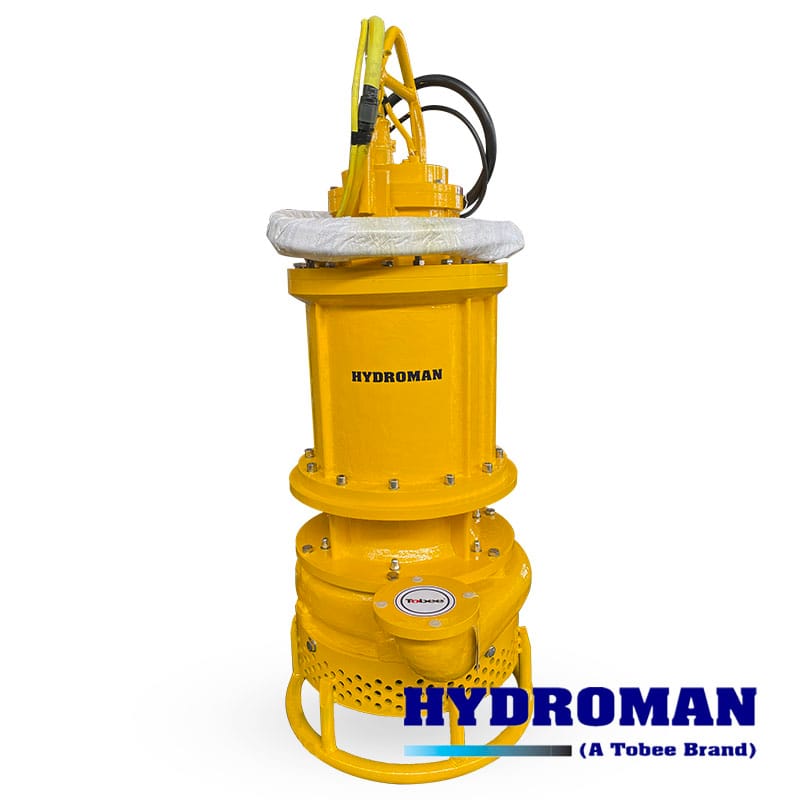
Underwater Electric Motor Driven Submersible Sewage Pump for Septic Tanks
$20,199.00 $22,588.00





Donna
取消
取消