
 FR(EUR)
 CN(CNY)
 GB(GBP)
 AU(AUD)
Blog
8 Best Practices to Extend the Life of Submersible Well Pumps
- Sep.20, 2026 14:46:22
- 0 Comments
A practical, data-backed guide for well owners, irrigation managers, and industrial water operators who rely on submersible well pumps every day.
When your well runs dry of pressure or your irrigation schedule gets thrown off by a failed pump, the cost is rarely just the price of a new unit. Downtime, labor, crop stress, and lost production time usually cost more than the equipment itself. Submersible well pumps quietly do some of the hardest work in residential, agricultural, irrigation, livestock, municipal, and industrial water systems, often running for years at a time far below ground where you cannot see them or hear them fail slowly. Because you cannot watch the pump work, you have to rely on good habits, the right equipment, and a bit of attention to detail to keep it running as long as it is designed to.
The good news is that pump life is not left to chance. Installation quality, water conditions, electrical supply, and preventive maintenance all directly affect how many years you get out of a deep well submersible pump before you need a replacement. This guide walks through eight practices that consistently separate a submersible water pump for well use that lasts eight years from one that lasts twenty, along with real operating data you can use to judge your own system.
Table of Contents
- Why Submersible Well Pump Lifespan Matters
- Why Is Submersible Well Pump Maintenance Needed
- 1. Test and Monitor Well Water Quality Regularly
- 2. Protect and Maintain the Electrical System
- 3. Manage Pump Cycling and Operating Conditions
- 4. Control Sand and Sediment in the Well
- 5. Control Temperature and Protect the Installation Environment
- 6. Follow a Preventive Inspection and Maintenance Schedule
- 7. Recognize Early Signs of Pump Problems
- 8. Choose the Right Submersible Well Pump and Replace It Proactively
- Why Choose Hydroman Submersible Well Pumps
- Key Takeaways
- Frequently Asked Questions
Why Submersible Well Pump Lifespan Matters
Submersible well pumps sit at the center of far more than household water supply. In agriculture, they feed center pivots and drip lines that keep an entire growing season on schedule. In livestock operations, they are the difference between animals having reliable water and a herd manager scrambling for a backup source. Municipal and industrial systems depend on submersible borehole pumps to move large volumes of groundwater around the clock, and any unplanned outage ripples through production, water pressure, and cost.
Because the pump and motor assembly is fully submerged and typically installed one hundred feet or more below the surface, every decision made before and during installation has an outsized effect on how long the equipment lasts. A deep well submersible pump that is correctly sized for its head and flow requirements, wired with the right protection, and set at the proper depth in the well casing will consistently outlast one that was installed on guesswork. Preventive maintenance and monitoring extend that advantage further, catching wear before it becomes a failure.
This article covers eight practices, from water quality testing and electrical protection to cycling control, sediment management, temperature control, inspection scheduling, early warning signs, and correct pump selection, that together form the foundation of long service life for submersible well pumps, submersible borehole pumps, and submersible water pump for well applications of every size.
Why Is Submersible Well Pump Maintenance Needed
A submersible pump that is never inspected does not fail without warning. It fails after a long stretch of small, unnoticed stresses that finally add up. Regular maintenance addresses this directly:
- It prevents premature pump and motor failure by catching wear on seals, bearings, and windings early.
- It reduces the risk of dry running, overheating, and electrical damage, three of the most common causes of catastrophic motor burnout.
- It minimizes wear caused by sand, sediment, and other abrasive particles moving through the impellers and diffusers.
- It maintains stable water flow, pressure, and pumping efficiency so the system keeps performing at the level it was designed for.
- It reduces unexpected downtime and the higher cost of emergency replacement compared with planned maintenance.
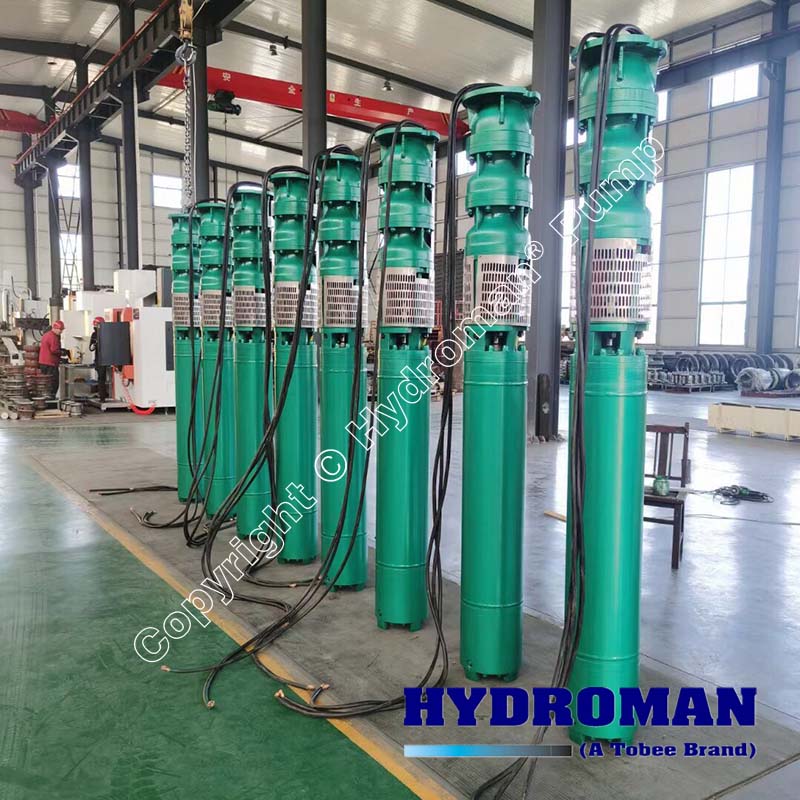
Maintenance matters even more for deep well submersible pumps and high-volume applications, where pulling the pump for inspection or repair is a bigger job involving more pipe, more cable, and more labor. A farm irrigation system running a submersible pump for well irrigation ten hours a day during peak season simply accumulates wear faster than a residential system that cycles a few times daily, and the maintenance interval should reflect that difference.
 |  |
1. Test and Monitor Well Water Quality Regularly
Check Water for Sand, Sediment, and Suspended Solids
Abrasive particles in well water act like fine sandpaper on impellers, diffusers, wear rings, and shaft seals. Over time, this abrasion opens up internal clearances, which reduces pumping efficiency and increases vibration, which in turn accelerates bearing wear even further. Wells drilled through loose or poorly consolidated formations, or wells that were not properly developed after drilling, tend to produce more sand, and the relationship between well condition and pump wear is direct. Because of this, submersible borehole pumps installed in sandy formations should be checked for sand content on a schedule rather than only after a problem appears.
Monitor Water Chemistry
Water chemistry, not just particulate content, plays a large role in component life. High hardness leads to scale buildup on impellers and check valves, reducing flow over time. Low pH or high salinity accelerates corrosion of cast iron and mild steel components, while dissolved iron and manganese can precipitate inside the pump and clog passages. In wells where testing shows aggressive or corrosive water, stainless steel submersible well pump construction is worth the additional upfront cost, since stainless components resist the pitting and material loss that shorten the service life of standard cast iron units.
Use Appropriate Filtration and Water Treatment
Filtration or water treatment becomes necessary once testing shows sand, sediment, or chemistry levels outside normal ranges for the application. The key is matching the filtration to the actual well and use case rather than over-filtering. A filter or screen placed too tightly at the pump inlet can restrict flow into the pump, which starves the impeller and increases the risk of cavitation, so filtration should reduce harmful particulates without creating a new restriction that works against the pump.
Field data point: industry surveys on well pump longevity consistently identify water quality, alongside power quality and duty cycle, as one of the top three factors separating pumps that last close to twenty years from those replaced closer to the seven to ten year mark.
2. Protect and Maintain the Electrical System
Maintain Stable Voltage and Correct Motor Protection
Submersible pump motors are built to a defined electrical tolerance, and operating outside that tolerance is one of the fastest ways to shorten motor life. Under the NEMA MG-1 standard that governs most three phase induction motors used in submersible well pumps, motors are rated to run successfully at plus or minus ten percent of rated voltage, but voltage unbalance across the three phases is held to a much tighter standard of one percent before any derating is required. Because current unbalance runs roughly six to ten times higher than the corresponding voltage unbalance, even a small supply imbalance can translate into a large, damaging current imbalance at the motor terminals.
| Voltage unbalance at motor terminals | Approximate effect on motor |
|---|---|
| Up to 1 percent | Within NEMA MG-1 tolerance, no derating required |
| 2 percent | Current unbalance near 15 percent, operating temperature rise near 8 percent |
| Up to 5 percent | Motor may need to be derated to as low as 75 percent of nameplate horsepower |
| Above 5 percent | Operation is not recommended without correcting the supply |
Temperature has a compounding effect here as well: as a general rule used across the motor industry, insulation life is cut roughly in half for every ten degree Celsius the motor runs above its rated operating temperature. A pump running slightly hot because of voltage unbalance may not fail immediately, but the insulation life of the windings is being consumed at a much faster rate than the nameplate would suggest. Properly sized overload and overcurrent protection, matched to the motor amperage and duty cycle, is the front line of defense against this kind of gradual damage.
Use Surge Protection and Proper Earthing
Grounding, sometimes called earthing depending on the region, protects both the equipment and the people working around it. A submersible motor without a properly bonded ground path is far more vulnerable to lightning induced surges and switching transients, either of which can punch through winding insulation in a fraction of a second. Surge protection devices installed at the control panel add another layer of defense, and for industrial installations with larger motors and higher voltage systems, a professional electrical inspection at commissioning and at regular intervals afterward is worth the cost relative to the risk of a motor failure.
Inspect Cables, Connections, and Control Equipment
The submersible pump cable running from the surface to the motor lives in one of the harshest environments in the entire system, exposed to abrasion against the well casing, water pressure, and constant submersion. Nicks, cracks, or degraded insulation on this cable allow moisture ingress that leads directly to motor winding failure. Control panels, starters, and variable frequency drives should be checked for loose terminals, signs of overheating, and moisture intrusion, and all splices and connections below ground should be sealed with connectors rated for permanent submersion rather than general purpose electrical tape.
3. Manage Pump Cycling and Operating Conditions
Avoid Excessive Starts and Stops
Every start places a surge of inrush current through the motor windings, several times the running current, and generates a mechanical shock load through the shaft and bearings. Pumps that cycle on and off frequently because of an undersized pressure tank, a leaking check valve, or oversized pump capacity relative to demand accumulate this stress far faster than a system designed to run in longer, steadier intervals. Adding adequate storage capacity, correcting check valve leaks, and using pressure switches or variable frequency drives suited to the application all reduce unnecessary cycling.
Avoid Unnecessary Continuous Operation
Continuous operation is not inherently harmful, and in fact many industrial and municipal submersible well pumps are designed specifically to run around the clock. The distinction is whether the pump is operating within its rated flow, head, and motor cooling conditions for that duty. A pump that was sized for intermittent residential use and is then run continuously in an irrigation or livestock watering application well outside its intended duty cycle will wear out its bearings, seals, and motor insulation far faster than the same pump used as designed.
Maintain Proper Flow Rate and Discharge Pressure
Every submersible pump has a performance curve that defines the relationship between flow and head, along with a best efficiency point where the pump runs with the least internal stress. Operating far to the left of that curve, through excessive throttling or a restricted discharge line, forces water to recirculate inside the pump and generates heat and vibration. Operating far to the right, with too little resistance, can starve the motor of adequate radial support from the water column and accelerate bearing wear. Monitoring flow and discharge pressure against the original commissioning data is one of the simplest ways to catch a pump drifting away from its efficient operating range.
4. Control Sand and Sediment in the Well
Prevent Excessive Sand Intake
Sand acts as a continuous abrasive inside the pump, and its effect compounds over time as clearances open up and allow even more particulate to pass through. A noticeable change in water clarity, or sand visibly settling in a bucket after a few minutes, is a signal worth acting on rather than ignoring. If sand production increases suddenly, it often points to a change in the well itself, whether that is a collapsing screen, a drop in the water table exposing a different formation, or general degradation of the borehole, and it is worth having the well inspected rather than only replacing the pump.
Keep the Pump Properly Positioned
Installation depth is not a minor detail. A pump set too close to the bottom of the well draws directly from the sediment that naturally settles there, feeding abrasive material straight into the intake. Manufacturers typically specify a minimum clearance above the well bottom, and following that specification, along with keeping the pump above the well screen where applicable, meaningfully reduces sand intake over the life of the installation.
5. Control Temperature and Protect the Installation Environment
Prevent Motor Overheating
Submersible motors rely on water flowing past the motor housing for cooling, which is why installation depth relative to the pumping water level matters so much. If the pump is set too high, above the point where adequate flow moves across the motor shell, or if a flow inducer sleeve is missing in a large diameter well where the motor is significantly smaller than the casing, the motor can overheat even while pumping water normally. Monitoring current draw and, where instrumentation allows, motor temperature, helps catch this condition before it causes insulation damage.
Protect the Pump From Environmental Risks
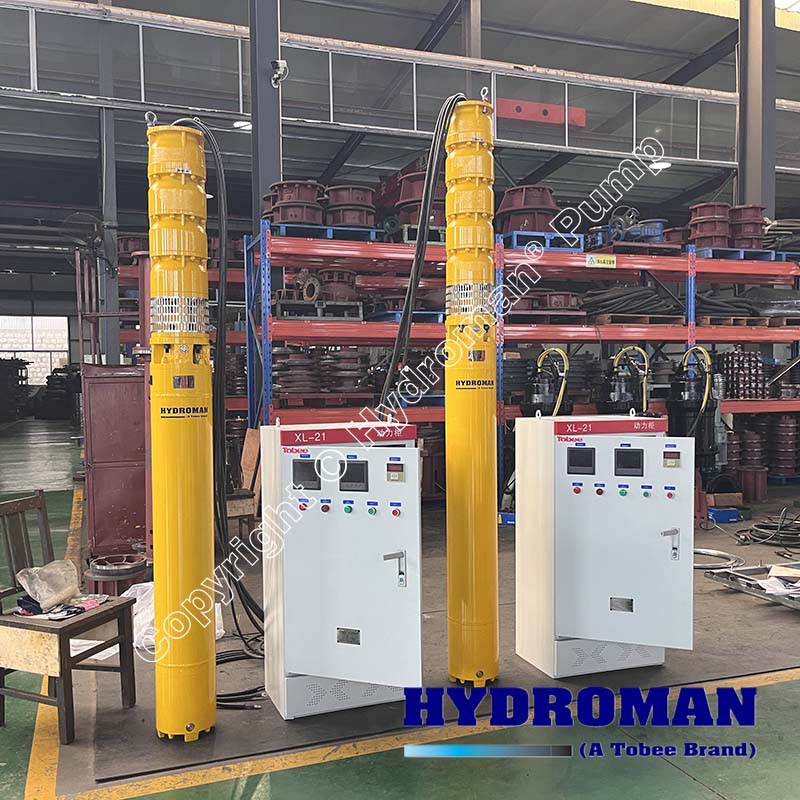
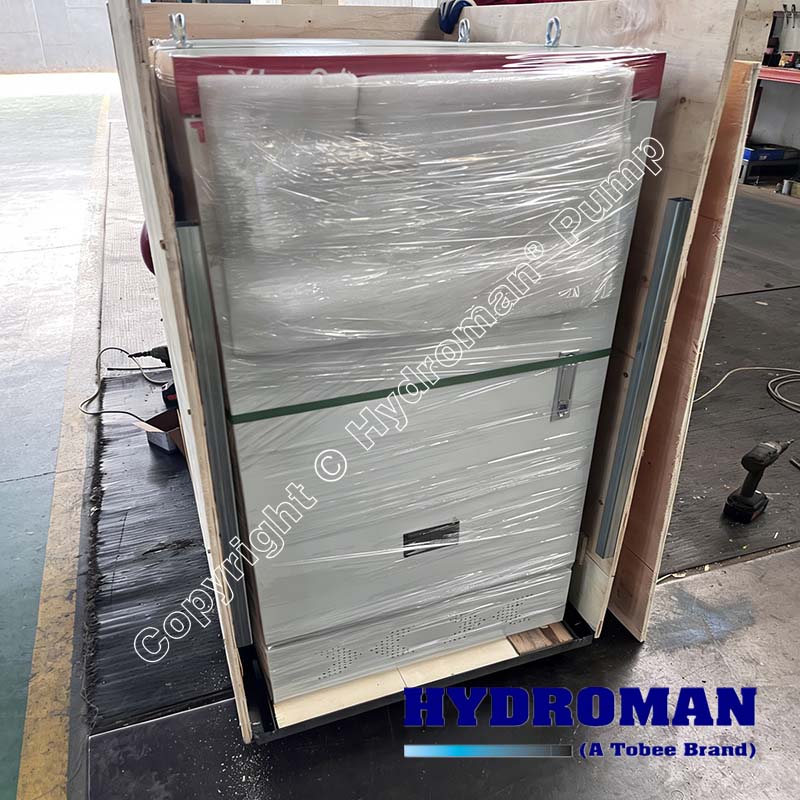
Everything above the water line deserves as much attention as the submerged components. Control panels and electrical enclosures need protection from rain, humidity, and temperature extremes, particularly in outdoor agricultural installations. The well casing itself should be checked periodically for corrosion or damage that could compromise the integrity of the installation, and in aggressive soil or water conditions, corrosion resistant materials for above ground components extend the working life of the entire system, not just the submerged pump.
 |  |
6. Follow a Preventive Inspection and Maintenance Schedule
Perform Routine Pump Inspections
Flow rate, discharge pressure, motor current, and operating noise are the four indicators that tell you the most about pump condition without pulling the unit from the well. Recording these values at commissioning and then again on a regular schedule gives you a baseline to compare against, and a gradual drift in any of them, even a small one, is usually easier to interpret and act on than waiting for an outright failure.
Schedule Professional Pump Inspections
Inspection intervals should be based on operating hours and application rather than a flat calendar schedule. A high volume submersible well pump running continuously in an industrial application accumulates wear far faster than a residential unit running a few cycles a day, and the inspection interval should reflect that difference. For larger industrial and agricultural systems, condition-based maintenance using vibration analysis, current signature analysis, or insulation resistance testing can catch developing problems well before they show up as reduced flow or pressure.
Keep Maintenance Records
Recording installation date, cumulative operating hours, and every maintenance activity creates the historical baseline needed to spot gradual deterioration. Without records, a slow decline in flow or a gradual rise in current draw over several years is nearly impossible to notice, but with even a simple log, the trend becomes obvious well before the pump reaches failure.
7. Recognize Early Signs of Pump Problems
Watch for Reduced Water Flow
A gradual reduction in flow is one of the most common early warning signs and one of the easiest to miss because it happens slowly. Causes range from internal pump wear and clogged impellers to a falling well water level or restrictions elsewhere in the piping system. Because the causes differ so widely, a drop in flow is worth investigating rather than assuming a single explanation.
Monitor Changes in Pressure and Power Consumption
Abnormal current draw, either higher or lower than the baseline recorded at commissioning, usually points to a motor or hydraulic problem developing inside the pump. Similarly, a change in discharge pressure without a corresponding change in demand is worth tracking down, since it can indicate anything from a worn impeller to a developing blockage.
Check for Unusual Noise and Vibration
Vibration that was not present at commissioning is rarely a good sign. It typically points to mechanical wear in bearings, shaft misalignment, or a hydraulic problem such as cavitation. Because vibration tends to accelerate the very wear that caused it in the first place, addressing it early through inspection generally costs far less than waiting for it to develop into a full mechanical failure.
8. Choose the Right Submersible Well Pump and Replace It Proactively
Determine the Required Well Depth
Correct sizing starts with knowing the static water level, the dynamic water level under pumping conditions, and the total pumping depth, since these determine the actual lift and discharge conditions the pump has to work against. A deep well submersible pump selected without this data is essentially a guess, and the mismatch between what the pump was designed for and what it is actually asked to do is one of the most common root causes of early failure.
Calculate Water Demand
Demand looks different across applications. Residential water supply, irrigation scheduling, livestock watering, and agricultural or industrial processing all have different peak flow requirements and different tolerances for interruption. Sizing a pump to the peak demand of the application, rather than the average, avoids the chronic overworking that shortens service life.
Match Pump Size to the Application
| Application category | Typical characteristics | Sizing priorities |
|---|---|---|
| Small irrigation and livestock | Lower flow demand, smaller diameter boreholes, intermittent operation | Efficient part load performance, simple two wire or single phase motors |
| Medium farm irrigation | Higher flow requirements, longer daily operating cycles during peak season | Motor sizing with margin for extended runtime, attention to pump efficiency |
| Large agricultural and industrial | High volume water demand, continuous or extended operating conditions | Careful matching to the pump curve, motor power, and total system head |
Select the Right Pump Materials and Configuration
Material selection should follow directly from the water quality testing covered earlier in this guide. Stainless steel submersible well pump construction is the right call for corrosive or mineral-heavy water, while high volume configurations and submersible centrifugal well pumps are better suited to applications where flow requirements exceed what a standard multistage unit can efficiently deliver. Voltage, motor power, discharge size, and installation depth all need to line up with the specific well and application rather than being chosen off a general assumption about what a submersible well pump for irrigation, livestock, or industrial use should look like.
Proactive replacement is the other half of this practice. Once inspection data, rising current draw, or declining flow point toward a pump nearing the end of its service life, replacing it on a planned schedule almost always costs less than waiting for an unplanned failure, particularly for a deep well submersible pump where pulling and resetting the unit is a significant job on its own.
Why Choose Hydroman Submersible Well Pumps
Hydroman is a manufacturer of submersible pumping equipment built for the demands covered throughout this guide, from residential wells to large scale agricultural and industrial water systems. Hydroman submersible well pumps are engineered with heavy-duty construction intended to handle sand-bearing water, extended duty cycles, and the electrical stresses that come with real-world power supply conditions rather than laboratory conditions alone.
The Hydroman lineup includes application-specific configurations across the categories discussed above, including Deep Well Submersible Pumps for high-lift residential and commercial wells, Submersible Borehole Pumps engineered for sand tolerance and continuous duty, and Submersible Pumps for Irrigation built to hold up under long seasonal runtimes. For operators dealing with corrosive or mineral-heavy water, stainless steel construction options and reinforced motor protection extend service life well beyond standard units, and for high volume needs, Industrial Submersible Pumps from Hydroman are configured around the actual head, flow, and duty cycle of the application rather than a one-size-fits-all approach.
Every configuration is built around the same principle that runs through this entire guide: a pump selected and installed correctly, protected by sound electrical practices, and maintained on a reasonable schedule will consistently outperform its rated lifespan. If you are evaluating a Hydroman Electric Submersible Pump for a new well, an irrigation expansion, or a replacement of aging equipment, our team can review your well depth, flow requirements, and water quality data to recommend the right configuration for your specific application.
Request Pump Specifications or a Quotation
Send us your well depth, required flow rate, water quality data, and application details, and our engineering team will help you select the right submersible well pump, deep well submersible pump, or industrial submersible pump for the job, along with a formal quotation.
Request Specifications and a Quote
Request Specifications and a Quote
Key Takeaways: How to Extend Submersible Well Pump Life
Long service life for submersible well pumps comes down to a consistent set of habits rather than any single fix. In summary, the eight practices covered in this guide are:
- Test and monitor well water quality on a regular schedule.
- Protect the electrical system with stable voltage, correct protection, and sound grounding.
- Manage pump cycling and keep the pump operating within its rated conditions.
- Control sand and sediment through proper positioning and well condition monitoring.
- Monitor temperature and protect the entire installation environment, not just the submerged components.
- Follow a preventive inspection and maintenance schedule based on operating hours and application.
- Respond to early warning signs in flow, pressure, current, and vibration before they become failures.
- Select the correct pump for the application from the start, and replace worn equipment proactively rather than reactively.
Correct pump selection, correct installation, suitable operating conditions, and preventive maintenance together form the foundation of long-term performance for submersible well pumps, deep well submersible pumps, and submersible borehole pumps across every application, from a single residential well to a high volume industrial water system.
Frequently Asked Questions About Submersible Well Pump Maintenance
How Often Should a Submersible Well Pump Be Serviced
Residential pumps generally benefit from an inspection once a year, while agricultural and industrial pumps running longer duty cycles are often checked quarterly or based on cumulative operating hours rather than a calendar interval.
Can a Submersible Pump Run for 24 Hours
Many submersible pumps, particularly deep well submersible pumps and industrial submersible pumps designed for continuous duty, are built to run around the clock, provided they are sized correctly for the application and receive adequate motor cooling flow.
Can a Submersible Pump Run Dry
Running dry removes the water that cools and lubricates the motor, and even a short period of dry running can cause serious motor damage. A low water level cutoff switch is recommended for any well with a fluctuating water table.
Does a Submersible Pump Need Earthing
Yes. Proper grounding, referred to as earthing in many regions, protects both the equipment and personnel and is a standard requirement for submersible pump installations, particularly for larger three phase industrial units.
How Many Hours Can a Submersible Pump Run
There is no fixed number, since it depends on pump quality, water conditions, and electrical supply. Field data across residential and agricultural installations shows an average service life in the range of eight to fifteen years, with well-maintained units in clean water and stable power conditions frequently reaching twenty years or more.
Can a Submersible Pump Run Continuously
Continuous operation is normal for pumps sized and rated for that duty, particularly industrial submersible pumps and high volume submersible well pumps built for municipal or large agricultural use. The concern is running a residentially sized pump continuously when it was designed for intermittent duty.
What Is the Average Lifespan of a Submersible Well Pump
Most field data and manufacturer guidance place average lifespan between eight and fifteen years, with the wide range explained mainly by water quality, duty cycle, and electrical supply stability. Two-wire residential units in sandy or heavily cycled wells tend toward the lower end, while well-maintained three-wire units in clean water conditions often exceed fifteen years.
How Do You Know When a Well Pump Needs to Be Replaced
Common signs include a steady decline in flow or pressure, rising current draw compared with commissioning data, unusual noise or vibration, and a pump that cycles on and off far more often than it did when new.
Can a Well Pump Last 40 Years
It is uncommon but not unheard of, and cases like this typically involve exceptionally clean water, a conservative duty cycle well below the pump rated capacity, and stable electrical supply from day one. These conditions are the exception rather than something to plan around.
How Do I Choose the Right Submersible Well Pump Size
Start with the static and dynamic water levels in the well, calculate peak water demand for the application, and match that data against the pump performance curve so the pump operates near its best efficiency point rather than at either extreme of its curve.
How Do I Choose a Submersible Water Pump for a Deep Well
Deep well applications require particular attention to total dynamic head, motor cooling flow at the installation depth, and cable sizing for voltage drop over the longer run length, in addition to the standard flow and pressure requirements.
Which Motor Is Suitable for a 600-Foot Borewell
At that depth, a three phase motor with adequate horsepower for the combined static lift and friction losses is typically required, along with correctly sized cable to manage voltage drop over the length of the run. An engineering review of the specific flow requirement and water level data is recommended before final motor selection at this depth.
What Are the Disadvantages of a Submersible Water Pump
The main disadvantages are the cost and labor involved in pulling the pump for inspection or repair, since the entire unit sits below the water line, along with a higher upfront cost compared with some surface pump alternatives for shallow well applications.
What Is a Submersible Water Pump Used For
Submersible water pumps are used across residential water supply, agricultural and irrigation systems, livestock watering, municipal groundwater supply, and industrial dewatering and process water applications.
How Much Does a Submersible Well Pump Cost
Cost varies widely based on horsepower, depth rating, materials, and configuration, ranging from a few hundred dollars for small residential units to several thousand dollars for high volume industrial or stainless steel configurations. Request a quotation based on your specific well and flow data for an accurate figure.
How Often Should a Well Be Cleaned
Most guidance recommends cleaning a well at least once a year as routine maintenance, with more frequent cleaning needed if iron bacteria, sulfur bacteria, or heavy sediment accumulation is present.
This guide reflects general industry data and standards, including NEMA MG-1 motor voltage and unbalance tolerances and widely reported field data on submersible well pump service life. Actual results vary by well condition, water quality, electrical supply, and pump selection. For a specification review or quotation tailored to your well and application, contact the Hydroman Pump team directly.
Related Articles:
Suction Dredge Systems Explained: Slurry Pump Technology, Efficiency, and Applications
Submersible Slurry Pumps Explained: A Complete Guide for Industrial Applications
Everything You Need to Know About Vertical Inline Pumps
Sewage Pumps 101: Types, Design, Working Principles and Maintenance Guide
Water Suction Pump Guide: Types, Uses, Working Principles & Selection
How to Choose the Right Pump Impeller: Types, Benefits and Key Considerations Septic Pumps Guide: Types, Applications, and How to Choose the Right Pump
Hydroman Submersible Vortex Pump for Activated Carbon Transfer
Post Comment
Your email address will not be published.Required fields are marked. *
Popular Articles
- Suction Dredge Systems Explained: Slurry Pump Technology, Efficiency, and Applications
- Submersible Slurry Pumps Explained: A Complete Guide for Industrial Applications
- Everything You Need to Know About Vertical Inline Pumps
- Sewage Pumps 101: Types, Design, Working Principles and Maintenance Guide
- Water Suction Pump Guide: Types, Uses, Working Principles & Selection
You May Like
-
Stainless Steel Hydroman Submersible Pump for Hotel and Resort Water Features in Thailand
$23,677.00 $25,831.00

-
Hydroman Industrial Submersible Water Pump for Mine Dewatering in Canada
$24,609.00 $27,811.00
-
High-Pressure Submersible Pump for Fountain and Landscape in Singapore
$20,166.00 $23,589.00
-
Hydroman Heavy-Duty Submersible Pump for Construction Site Dewatering in Germany
$14,692.00 $16,807.00
-
Hydroman TQJ High Voltage Deep Well Pump in Stainless Steel
$17,669.00 $18,532.00





Donna
取消
取消