
 FR(EUR)
 CN(CNY)
 GB(GBP)
 AU(AUD)
Blog
Mining Submersible Pumps for Efficient Slurry Management
- Oct.21, 2026 10:54:07
- 0 Comments
Mining Submersible Pumps for Tailings Recycling Water: A Practical Guide to Corrosion-Resistant, Top-Discharge Slurry Pumping
If you run a mine, you already know that water is never just water. It arrives as groundwater in your pit, rainwater in your sumps, and sediment-laden process water in your tailings pond, and every one of those streams has to be moved somewhere, reliably, around the clock. Get the pump right and nobody talks about it. Get it wrong and you are pulling a unit out of a sump at 2 a.m.
This guide is written for you: the engineer, maintenance lead or procurement manager who has to specify mining submersible pumps and live with the result. We will walk through how a submersible slurry pump works, why mining liquids wear pumps out faster than almost any other duty, how to select the right material and configuration, and where a corrosion-resistant SS 304 submersible pump with a top discharge outlet, like the one Hydroman supplies for tailings recycling water, genuinely earns its place.
1. How a Mining Submersible Pump Works
What makes it different from an ordinary water pump
An industrial submersible pump puts the motor and the hydraulic end together in one sealed unit that sits directly in the liquid. There is no suction line to prime, no long suction lift to fight, and no dry-running risk from a lost prime. That is why a submerged water pump is the default choice for sumps, pits and ponds where the water level moves up and down.
A stainless steel water pump or a general submersible transfer pump is perfectly happy moving drainage water with a little silt. A true submersible slurry pump is a different animal. It has a wider impeller passage so solids can pass through, thicker wet-end sections, harder wear parts and a more robust shaft seal arrangement, because the liquid it handles is trying to grind it away from the inside.
The parts that do the work
In an electric motor submersible pump, the sealed motor drives a shaft, the shaft turns the impeller, and the impeller throws the liquid outward into the casing and up the discharge line. Between motor and impeller, a mechanical seal (usually a double or tandem arrangement on slurry duty) keeps abrasive water out of the motor. Most submersible motor and pump designs rely on the surrounding liquid to carry away motor heat, which is why minimum submergence matters so much. We come back to that in the installation section.
| Feature | Standard submersible water pump | Submersible slurry pump |
|---|---|---|
| Typical liquid | Clean to lightly dirty water | Sand, silt, ore fines, tailings water |
| Impeller passage | Narrow, efficiency-focused | Wider, solids-passing |
| Wet-end wear protection | Minimal | Thicker sections, wear-resistant materials |
| Shaft seal | Single mechanical seal common | Double or tandem seal, oil-lubricated chamber |
| Tolerance for abrasion | Low | Designed for it, within material limits |
2. Where Submersible Pumps Earn Their Keep on a Mine Site
Mine dewatering. Open pits collect rain and groundwater, and underground workings collect seepage. A water removal pump in a sump has to run continuously, often against significant head. For large-volume drainage a high flow submersible pump or a high capacity submersible pump is the right tool, but only if the duty point sits inside the pump’s curve (more on that below).
Slurry transfer. Moving sand, silt and suspended ore fines between process stages is the job of a mineral pump. Particle size, solids concentration and hardness decide how long the wet end lasts.
Tailings recycling water. This is the application we want to spend the most time on. Tailings storage facilities hold a lot of water, and recovering it is both an environmental and an economic priority. Industry reporting from Chile’s copper sector, for example, regularly puts water recirculation at roughly three-quarters of total process water use, and many operators in arid regions are pushing that higher. A submersible pump sitting in a decant or reclaim pond is often the first link in that recovery chain.
Remediation and dredging. For sumps, settling ponds and sand deposits, you can choose between an electric submersible and an excavator-mounted hydraulic pump, depending on sediment depth, access and how far you need to push the material.

3. Why Mining Slurry Wrecks Pumps (and What to Do About It)
Abrasion
Quartz sand, which shows up in a huge share of mining slurries, sits around 7 on the Mohs scale. Austenitic stainless steel such as 304 sits at roughly 150 to 200 HV, while a high-chrome white iron (ASTM A532 Class III type) can exceed 600 HV. That gap tells you something important: stainless steel is a corrosion material, not a premium abrasion material. Wear also climbs fast with speed. Slurry-pump literature commonly puts wear rate somewhere between the 2nd and 3rd power of velocity, so a modest increase in tip speed or pipeline velocity can shorten wet-end life dramatically.
Corrosion
Mine and tailings water can carry chlorides, sulphates, dissolved metals and process chemicals. Grade 304 contains around 18% chromium and 8% nickel, which forms the passive film that gives it its resistance. As a widely used rule of thumb, 304 is comfortable in near-neutral water with chlorides up to a couple of hundred ppm at ambient temperature; beyond that, pitting and crevice corrosion become a real risk and 316 or duplex grades are normally considered. Low-pH acid mine drainage is another place where you should be cautious.
Be honest about your water. No pump or alloy suits every mine. A chemical resistant submersible pump is only chemical resistant to the chemicals it was matched to. Send us a water analysis (pH, chlorides, temperature, solids) and we will tell you straight whether SS 304 is the right call or whether you need something else.
The usual causes of failure
When we look at pumps that come back from mining service, the story is rarely a mystery. It is typically impeller and casing wear, a seal that let moisture reach the motor, a motor that ran too hot because it was not fully submerged, a blockage from oversized solids, or a pump running far off its best efficiency point. Every one of these is avoidable with the right selection and a little routine attention.
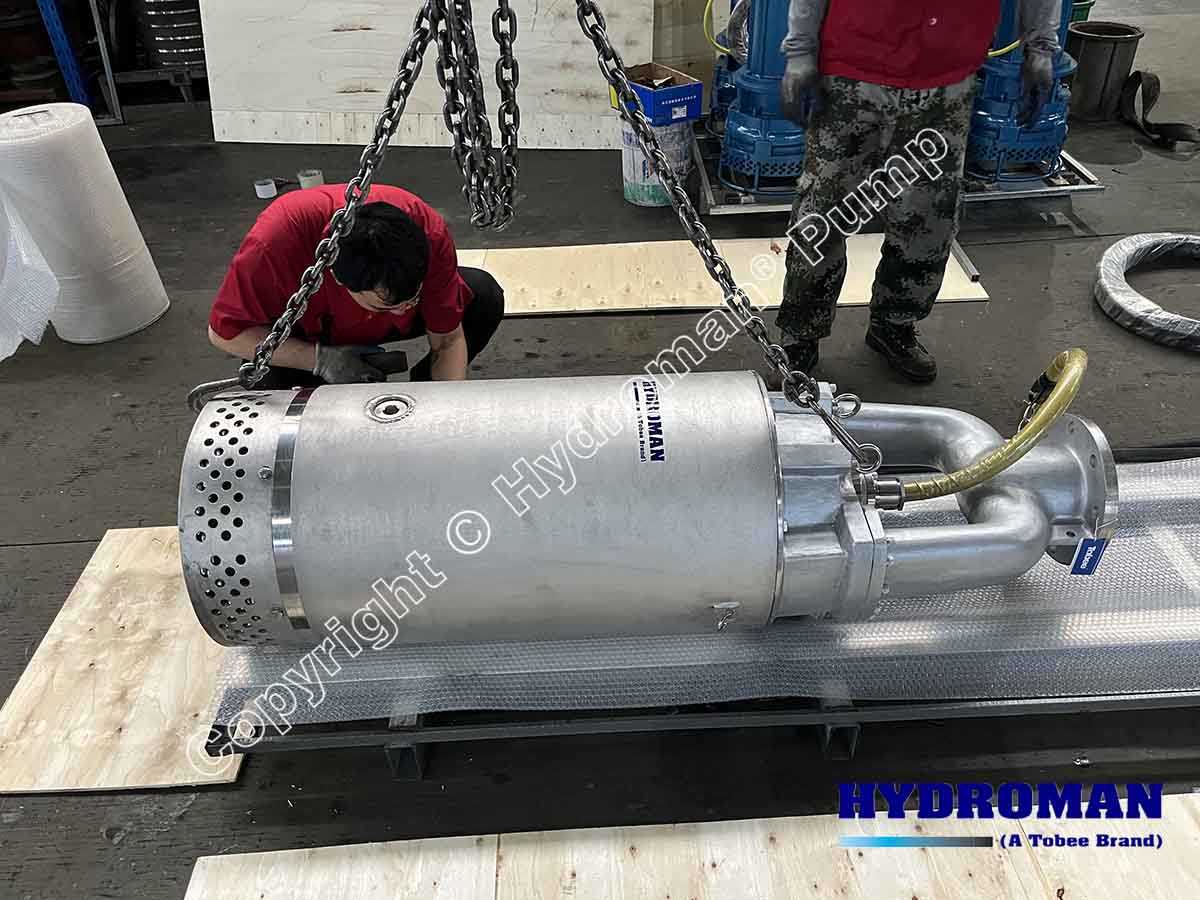
4. Hydroman SS 304 Submersible Pump for Tailings Recycling Water
Our SS 304 stainless steel submersible slurry pump was developed with one job in mind: moving tailings recycling water, the sediment-bearing, often chemically active water you reclaim from ponds and settling areas, without the wet end corroding away between inspections. If you have been looking at premium imported tailings pumps and wondering whether there is a more practical, better-supported alternative, this is the kind of unit worth putting on your shortlist.
| What you need on site | How the Hydroman SS 304 pump responds |
|---|---|
| Corrosion resistance in reclaim water | SS 304 construction resists general corrosion in compatible, near-neutral tailings water, and keeps rust and scale out of the recycled stream. |
| Handling sediment-bearing water | Solids-passing hydraulic design for suspended fines and silt, sized to your particle data. |
| Easy installation in ponds and sumps | Top discharge outlet for a straight vertical riser, with no side elbow to build around. |
| Protection against moisture ingress | Sealed submersible motor with mechanical seal protection. |
| Continuous duty | Industrial submersible electric motor, configurable for your voltage and frequency. |
| Fit to your actual duty | We size against your flow, head and solids data, and provide the performance curve. |
You will also see this style of pump described as an SS submersible pump, ss pump or stainless submersible pump; it is all the same family of fabricated stainless construction. Because Hydroman builds ss fabricated submersible pumps rather than only reselling them, we can discuss wall thickness, outlet position and flange standards with you directly, and adjust where the application calls for it.
One honest limit: if your slurry is heavily abrasive, such as coarse, high-concentration sand or hard ore, a corrosion-resistant 304 wet end is not the whole answer, and a wear-resistant alloy or elastomer-lined configuration may serve you better. We would rather tell you that before you buy than after the first impeller inspection.
5. Top Discharge Outlet: Why It Matters on Site
Most submersible pumps have the discharge low on the casing, pointing sideways. That forces you to take the flow out sideways, then turn it upward with an elbow before it can leave the pond. The Hydroman SS 304 tailings pump puts the outlet at the top. It sounds like a small thing. On a real site, it isn’t.
What you gain
Shorter pipe runs. The flow leaves the pump already pointing up, so your riser starts at the pump instead of after a bend. In a deep sump or reclaim pond, that can save meaningful pipe and hose length.
Fewer fittings and lower friction loss. A standard 90° elbow adds roughly the same friction as 30 or so pipe diameters of straight pipe. Every elbow you do not install is a loss you do not pay for in power, and one less place for abrasive slurry to wear through.
Simpler, faster installation. Connect the riser or hose straight to the top, lower the unit on its chain or lifting point, and you are largely done. Fewer connections underwater means fewer chances to get something wrong, and a quicker job when the weather is not on your side.
Easier retrieval. Lifting the pump straight up with the discharge line aligned above it is simpler than manoeuvring a side outlet out of a tight sump or a pond with a soft, sloping bank.
Better fit in narrow sumps. Without a side-projecting outlet, the footprint is more compact, which helps in narrow pits and tight sump chambers.
| Consideration | Side discharge | Top discharge |
|---|---|---|
| Fittings needed to go vertical | Elbow or bend required | Direct vertical riser |
| Pipe or hose length | Longer | Shorter |
| Friction loss from fittings | Higher | Lower |
| Installation effort | More underwater connections | Simpler |
| Footprint in narrow sumps | Wider | Compact |
6. How to Choose the Right Mining Submersible Pump, Step by Step
Start with the liquid, not the catalogue
Is it near-clean water, dirty drainage water, mineral slurry or aggressive tailings water? Record particle size, solids concentration, density, abrasiveness and pH. As a rough guide, conventional tailings slurries are often in the 30 to 50% solids by weight range, and thickened tailings go much higher; but reclaim water pulled from a pond is usually far lighter. Knowing which one you have changes the pump you need. If solids tend to settle, ask whether an agitator or another way of keeping them in suspension is required.
Work out flow and total dynamic head
Estimate the flow from drainage volume or process throughput. Then calculate total dynamic head: static lift, plus pipeline friction, plus fittings and other losses. Remember that slurry changes the friction picture, and that as a pond level drops, your static head rises. Pipe diameter matters too. For slurry, designers usually keep velocities somewhere in the 1.5 to 3 m/s region: fast enough to keep solids moving, slow enough not to chew up the pipe and the pump.
Check the performance curve
Do not choose a high capacity submersible pump on flow rate alone. Plot your duty point on the manufacturer’s curve and keep it close to the best efficiency point. Running far to the left invites heat and recirculation; far to the right invites cavitation, motor overload and accelerated wear.
Match the material to the duty
| Material | Best for | Watch out for |
|---|---|---|
| Cast iron | General dewatering, low-abrasion duty | Corrosion in aggressive or acidic water |
| High-chrome alloy | Severe abrasion (sand, ore fines) | Brittleness; not ideal for all corrosive water |
| Elastomer lining | Fine, sharp particles at moderate head | Temperature, oil and sharp coarse solids |
| SS 304 | Corrosion-sensitive, near-neutral reclaim water, mild abrasion | High chlorides, low pH, heavy abrasion |
| SS 316 / duplex | Higher chloride or more aggressive chemistry | Higher cost; still not an abrasion material |
Choose the right configuration
Compare an electric pump (a submersible electric pump on the grid or a generator) with an excavator-mounted hydraulic pump. Check motor power, voltage, frequency, cooling conditions and protection requirements. Then think about lifting, access for maintenance and whether the duty is truly continuous.
7. Installation, Safety and Maintenance
Good submersible pump installation is mostly attention to unglamorous details. Check the lifting equipment and chain, route the cable so it cannot be crushed or dragged, and fit a properly sized overload and earth-leakage protection. Make sure the pump sits at or below the minimum submergence in the manual, so the motor stays cooled. For slurry duty, stand the pump on a base or hang it clear of the bottom so it does not suck up settled sludge. Inspect cables and connections before you energise, and always follow your site’s lockout/tagout procedure before anyone works on the unit.
For maintenance, let your own data set the rhythm rather than a fixed calendar. Watch flow, discharge pressure, motor current, vibration and temperature. A slow rise in current with a drop in flow usually means wear; a sudden vibration increase may mean a blockage or a damaged impeller. Inspect the impeller, casing, seals and wear parts at intervals that reflect your solids loading and operating hours, then tighten or relax that interval as the evidence comes in.
8. Improving Efficiency with VFDs and Monitoring
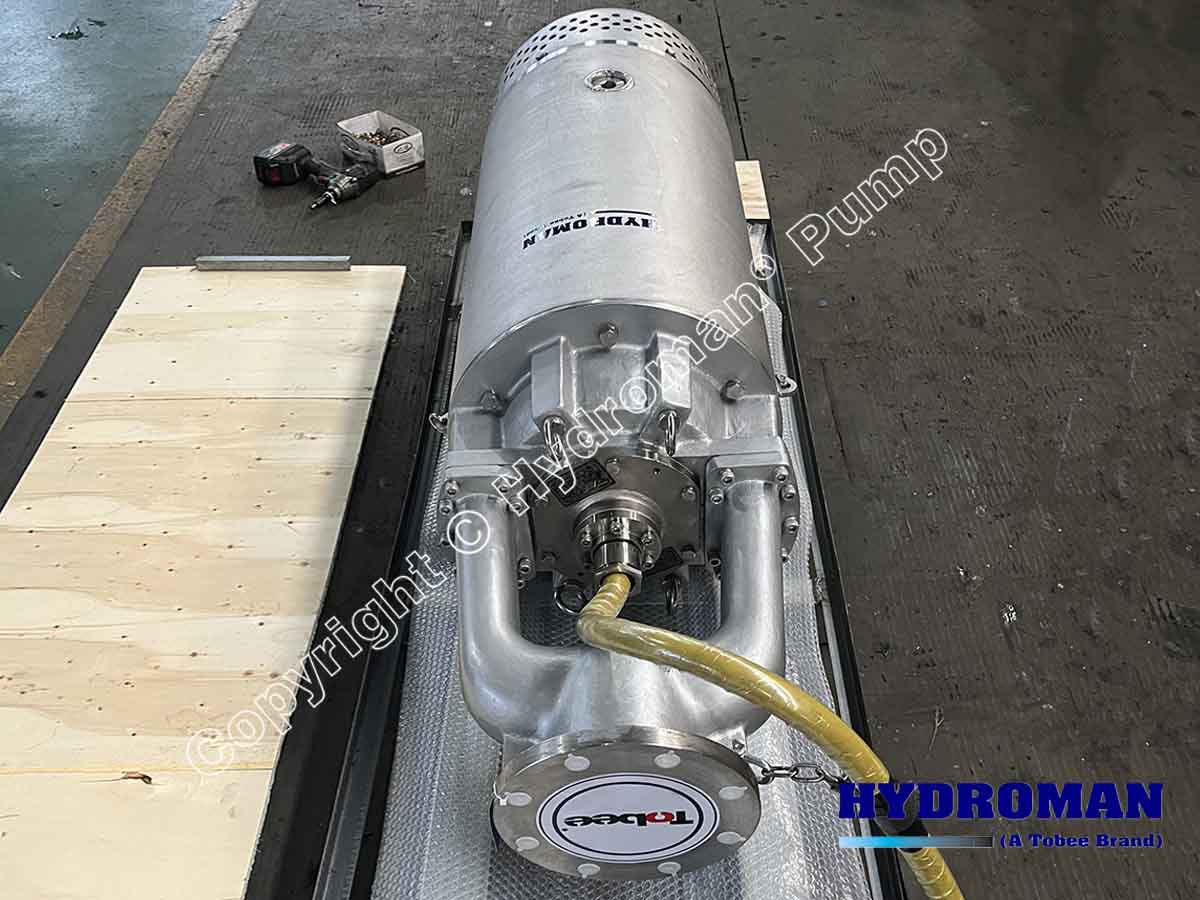
A variable frequency drive lets you match pump output to a changing pond level or process demand instead of throttling a valve. Because pump power falls roughly with the cube of speed, a modest speed reduction can save a disproportionate amount of energy. There are two caveats for submersibles: keep the motor adequately cooled at lower speeds, and do not run so slowly that slurry velocity in the pipeline falls below the point where solids begin to settle.
Pair that with simple condition monitoring (current, temperature, vibration, flow, pressure) and you can spot abnormal trends well before a failure, replacing wear parts during planned downtime rather than during an emergency.
9. Field Applications
Tailings recycling water: SS 304 submersible slurry pump
Reclaiming water from a tailings pond means handling suspended fines and chemically active liquid, often from a soft-edged pond where installation access is limited. The pump is selected against solids content, flow, head and water chemistry; the top outlet simplifies the riser and the SS 304 wet end deals with corrosion. The routine to keep in place is regular inspection of wear parts and seals.
Industrial remediation in Peru: SS 304 submersible pump
Contaminated process water in an industrial collection pit calls for a pump whose material actually matches the liquid. Here, SS 304 was evaluated because its corrosion resistance and mechanical properties suited the medium, with attention paid to installation conditions and maintenance access.
Sand extraction in Portugal: THY excavator hydraulic pump
Where a fixed pump is impractical, an excavator-mounted hydraulic pump goes to the material. The Hydroman THY series is powered from the excavator’s own hydraulics, so selection comes down to excavator compatibility, hydraulic flow and pressure, solids handling and discharge distance.
10. Lifecycle Cost and Choosing a Manufacturer
The purchase price is the smallest number in the story. Over a pump’s life, power, wear parts, labour and downtime usually dwarf it, and in continuous duty, energy alone often becomes the largest single line. A properly specified pump that costs a little more upfront will usually beat a cheap one that is running off-curve and eating impellers.
When you are comparing ss submersible pumps manufacturers, look for people who ask you about your slurry before quoting; publish clear performance curves and technical documents; offer material and wear-part options instead of a single catalogue answer; and keep spare parts available. At Hydroman, we work from your application data and recommend a configuration, whether that is a heavy duty submersible slurry pump, a stainless unit for corrosion-sensitive water, or a hydraulic pump for dredging.
11. Mining Pump Selection Checklist
- Fluid type and chemical composition (pH, chlorides, temperature) identified
- Solids concentration, particle size and abrasiveness recorded
- Flow rate and total dynamic head calculated
- Material and impeller configuration confirmed
- Motor power, cooling and electrical protection verified
- Installation, lifting and maintenance access planned
- Performance curve and lifecycle cost reviewed
12. Frequently Asked Questions
What is a submersible pump used for in mining?
It removes water from pits and sumps, transfers slurry between process stages, recovers water from tailings ponds and clears sediment from collection areas, all without needing to be primed.
What type of pump is best for mining slurry?
It depends on solids concentration, particle size, abrasiveness, flow, head and chemistry. A heavy duty submersible slurry pump is usually the starting point; the wet-end material then follows the duty.
Can an SS 304 submersible pump handle mining slurry?
Yes, for compatible liquids and mildly abrasive duties, such as tailings recycling water with fine suspended solids. For severe abrasion, high chlorides or acidic water, another material is usually the better choice.
How do I prevent clogging in a submersible slurry pump?
Match the impeller passage to your largest expected particle, keep pipeline velocity high enough to avoid settling, screen out oversized debris and inspect the pump routinely.
How often should a mining submersible pump be serviced?
There is no universal interval. Base it on operating hours, solids loading, abrasiveness, vibration trends and the manufacturer’s guidance, and adjust from inspection results.
What information do I need to give a supplier to select a pump?
Fluid type, solids content, particle size, flow rate, total head, liquid temperature, pH, power supply and installation depth.
Talk to Hydroman About Your Tailings Water
Looking for a submersible pump for mining slurry, tailings water recovery or mine dewatering? Send us your flow rate, total head, solids content and liquid properties, and our engineers will recommend a suitable pumping solution, including our SS 304 top-discharge submersible pump for tailings recycling water.
Request Specifications and a Quote
Request Specifications and a Quote
Explore more: Heavy Duty Submersible Slurry Pumps · Stainless Steel Submersible Pumps · Excavator-Mounted Hydraulic Pumps · Industrial Submersible Drainage Pumps
Related Articles:
Wastewater Pumps Explained: Types, Features, and Uses
8 Best Practices to Extend the Life of Submersible Well Pumps
Suction Dredge Systems Explained: Slurry Pump Technology, Efficiency, and Applications
Submersible Slurry Pumps Explained: A Complete Guide for Industrial Applications
Everything You Need to Know About Vertical Inline Pumps
Sewage Pumps 101: Types, Design, Working Principles and Maintenance Guide
Water Suction Pump Guide: Types, Uses, Working Principles & Selection
How to Choose the Right Pump Impeller: Types, Benefits and Key Considerations Septic Pumps Guide: Types, Applications, and How to Choose the Right Pump
Hydroman Submersible Vortex Pump for Activated Carbon Transfer
- Previous: Wastewater Pumps Explained: Types, Features, and Uses
- Next: None
Post Comment
Your email address will not be published.Required fields are marked. *
Popular Articles
- Suction Dredge Systems Explained: Slurry Pump Technology, Efficiency, and Applications
- Submersible Slurry Pumps Explained: A Complete Guide for Industrial Applications
- Everything You Need to Know About Vertical Inline Pumps
- Sewage Pumps 101: Types, Design, Working Principles and Maintenance Guide
- Water Suction Pump Guide: Types, Uses, Working Principles & Selection
You May Like
-
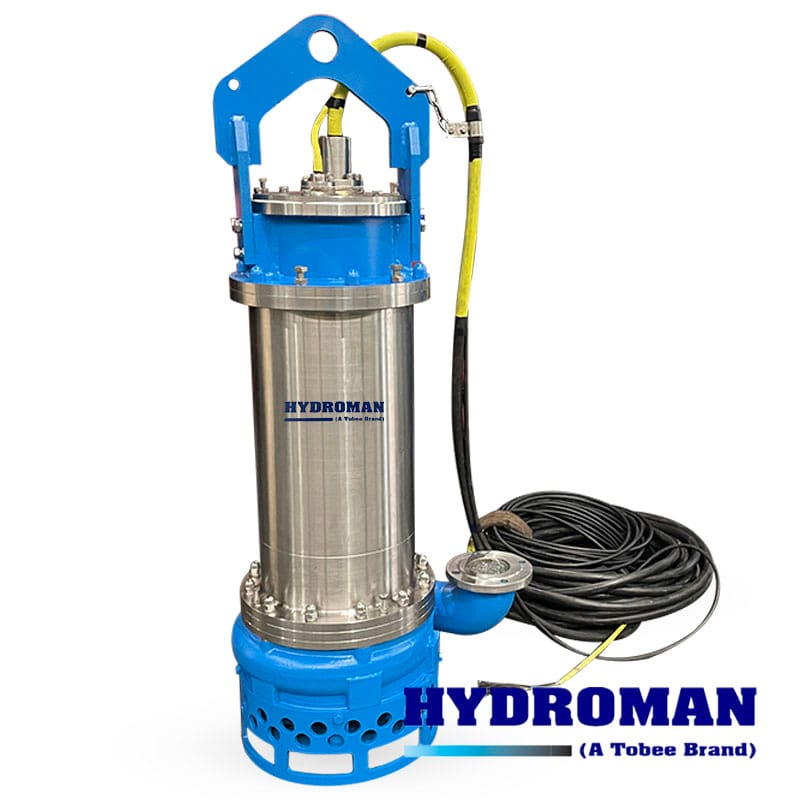
Electric Driven Submersible Sand Slurry Pump in Stainless Steel
$22,198.00 $25,679.00

-
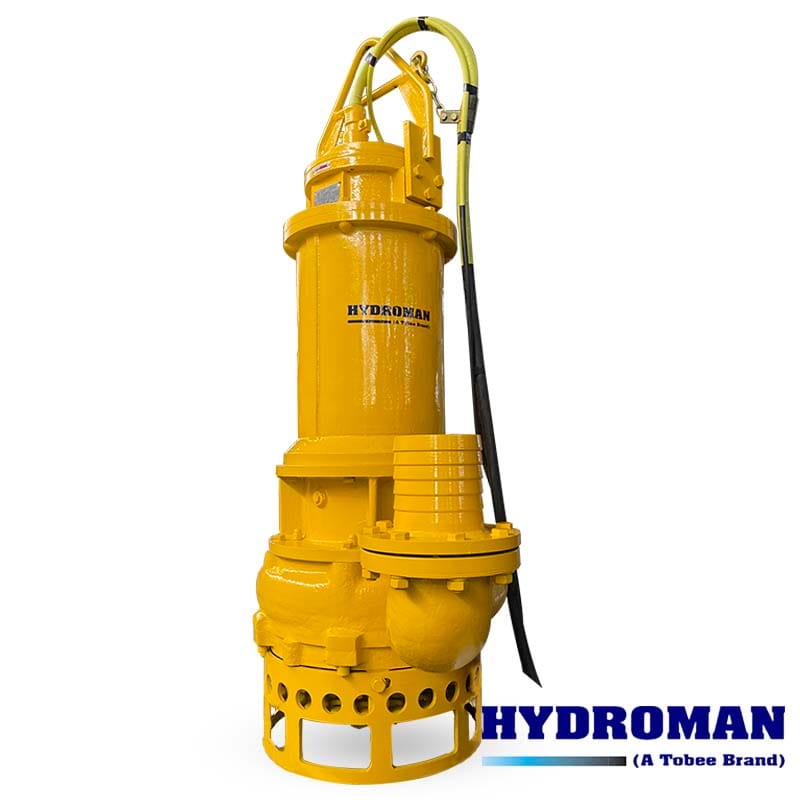
Submersible Slurry Dredging Pump to Arrange Sand and Solid Handling
$17,192.00 $19,583.00
-
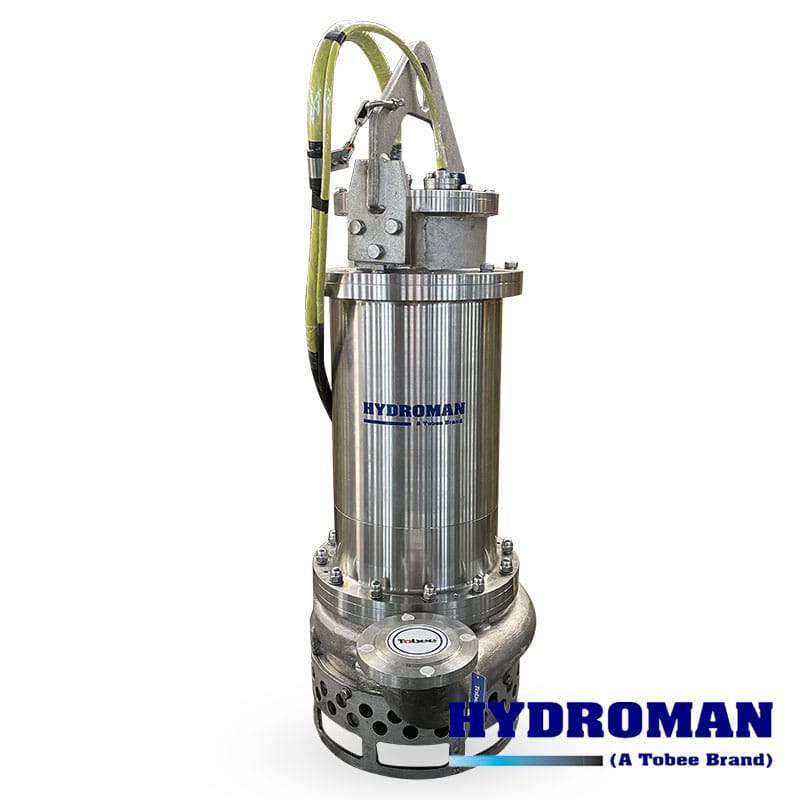
Duplex Stainless Steel Submersible Sand Pump for High Acid Projects
$25,177.00 $26,899.00
-
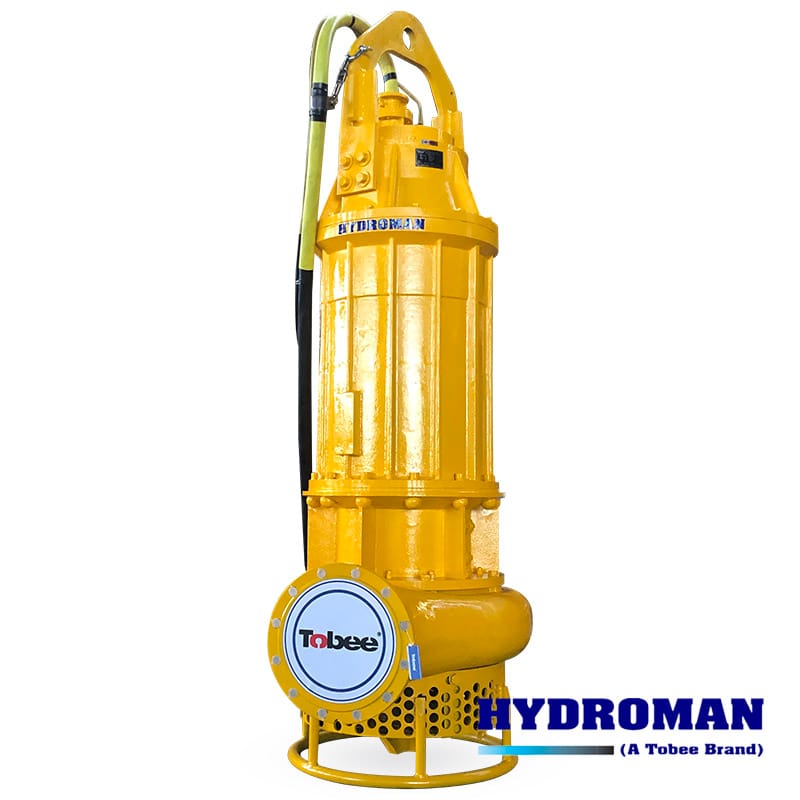
8 Inch Submersible Slurry Pump with Electric Agitator for Coal Pulp and Industrial Waste Removal
$22,999.00 $23,568.00
-
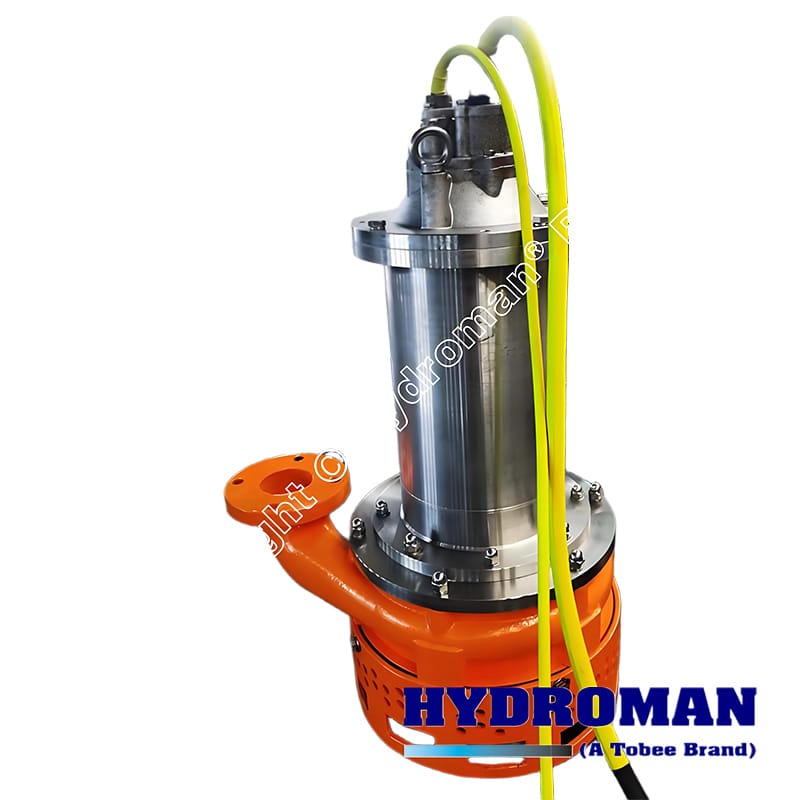
Stainless Steel 316 Submersible Rainwater Pump for Waste Water Treatment
$27,191.00 $29,658.00
-
Stainless Steel Submersible Sludge Pump for Handling Salt and Acid Slurries
$30,599.00 $33,688.00
-
Hydroman Submersible Slurry Pump for Raw Water Reservoir Desilting
$17,916.00 $19,533.00





Donna
取消
取消